




08/20/2018

Minigolf
309 Reviews
Translated
Show original

Minigolf
Helpful Review
3
On the edge of the barbarian empire...
.....or how the Romans learned to brew new scents.
The "savages" of the old Germanic kingdom sit and dance around fireplaces in their gloomy, humid primeval forests. Pray to "Odin" and "Donar" and listen eagerly to the stories of the Norns who spin fate. A druid in her midst knows fire and magic. At the same time, his fellow tribesmen feel trust and fear.
Wild splendours of hair and blazing eyes, giant figures and extremely well-fortified women and men, partly very clever, partly following their "drives", they can communicate with animals.
Use some of their "juices and secretions" for protection and rub the soles of your feet and forehead with them.
Such a clichéd idea of our ancestors came to my mind while testing "Uomo Agnona".
But this is only the first half of what finally came together.
The Romans on the other side of the Limes are regarded as highly civilized, demanding and consider themselves rulers of culture. Their architects put ambitious and technically incredibly refined buildings into practice, in the cities there are bathing pleasures and other pleasures for all, and the fine ladies and gentlemen, as well as the people wear fashionable clothes and wonderful scents on display.
The focus of the latter is on proud roses, carnations, ambergris and exotic balms and woods.
And that doesn't exactly save money. After the toilet visit (there was already some water flushing) A.. and hands were thoroughly cleaned and scented with appropriate essences. Clean man and woman in all honors. But to some well-scented Romans and inside the "good and fine" slowly became too boring and the governor sent out reconnaissance troops in order to go on olfactory reconnaissance with the Germanic tribes. (These also washed themselves frequently at brooks and rivers, therefore they did not "stink") There were resins from the fir and bark of the birch, which they cooked and prepared paste for healing and smell purposes. Sometimes they were mixed with the "animal" products of their time, such as beaver fat or similar.
And the Romans found what they were looking for.
For her spectacular and new fragrances, which she mixed with her own, and came up with a wide variety of interesting results. Tops and flops, as they say today,
And satisfied the most varied tastes.
"Smell like a wild Teuton today?" ... No problem.
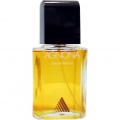
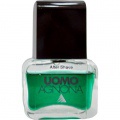
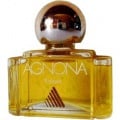
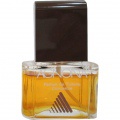
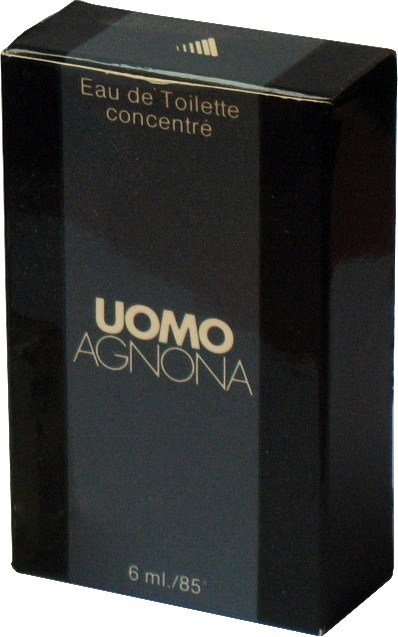
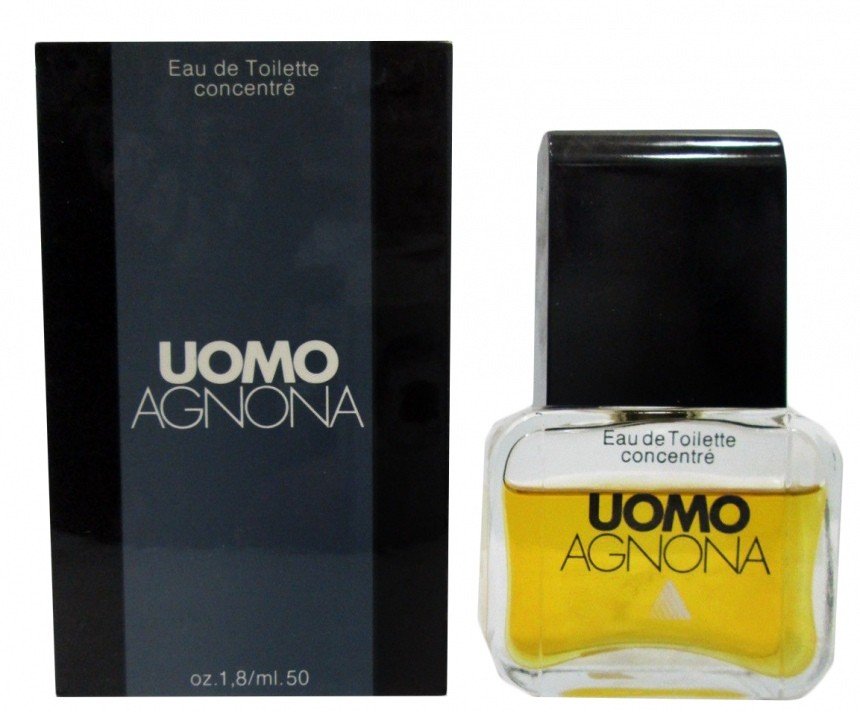
There is, for example, "Uomo Agnona"... wild and free, and yet a trace "civilized"...
Or "Krizia Uomo".... Forest accentuated and pine with moist moss.......
"First".... said the customer on the market place in the shade of an oak tree in "Trevorum"(Trier). and bought the clay bottle......
The "savages" of the old Germanic kingdom sit and dance around fireplaces in their gloomy, humid primeval forests. Pray to "Odin" and "Donar" and listen eagerly to the stories of the Norns who spin fate. A druid in her midst knows fire and magic. At the same time, his fellow tribesmen feel trust and fear.
Wild splendours of hair and blazing eyes, giant figures and extremely well-fortified women and men, partly very clever, partly following their "drives", they can communicate with animals.
Use some of their "juices and secretions" for protection and rub the soles of your feet and forehead with them.
Such a clichéd idea of our ancestors came to my mind while testing "Uomo Agnona".
But this is only the first half of what finally came together.
The Romans on the other side of the Limes are regarded as highly civilized, demanding and consider themselves rulers of culture. Their architects put ambitious and technically incredibly refined buildings into practice, in the cities there are bathing pleasures and other pleasures for all, and the fine ladies and gentlemen, as well as the people wear fashionable clothes and wonderful scents on display.
The focus of the latter is on proud roses, carnations, ambergris and exotic balms and woods.
And that doesn't exactly save money. After the toilet visit (there was already some water flushing) A.. and hands were thoroughly cleaned and scented with appropriate essences. Clean man and woman in all honors. But to some well-scented Romans and inside the "good and fine" slowly became too boring and the governor sent out reconnaissance troops in order to go on olfactory reconnaissance with the Germanic tribes. (These also washed themselves frequently at brooks and rivers, therefore they did not "stink") There were resins from the fir and bark of the birch, which they cooked and prepared paste for healing and smell purposes. Sometimes they were mixed with the "animal" products of their time, such as beaver fat or similar.
And the Romans found what they were looking for.
For her spectacular and new fragrances, which she mixed with her own, and came up with a wide variety of interesting results. Tops and flops, as they say today,
And satisfied the most varied tastes.
"Smell like a wild Teuton today?" ... No problem.
There is, for example, "Uomo Agnona"... wild and free, and yet a trace "civilized"...
Or "Krizia Uomo".... Forest accentuated and pine with moist moss.......
"First".... said the customer on the market place in the shade of an oak tree in "Trevorum"(Trier). and bought the clay bottle......