



04/24/2018

Valrahmeh
19 Reviews
Translated
Show original

Valrahmeh
Top Review
33
The scent of the pond nymphs
It all began with a sailing trip on the Cote d'Azur. The small locker in my cabin was smelling of various predecessors, and I couldn't sleep at night, because I had a lot of pains in my mind's eye rolling on my mattress. In my desperation I trotted into a perfumery in Antibes and cried myself out. "Take Baies from Diptyque, you will like it and you will sleep wonderfully" recommended the saleswoman and gave me a candle for 45 euros. I didn't care, my sleep was worth it.
In the evening I lit the fancy white candle in the glass and within a short time a wonderful scent of roses, currants and warm wax wafted through the lower deck. My cabin had become a princess's chamber within minutes. My men on board also thought that it smelled wonderful, until my younger brother noticed that a candle was burning in the cabin and had a seizure, which I will not go into here... after all, I didn't burn down the fancy boat with its shiny old wooden planks.
So the next day I went back to the perfumery and asked if this fragrance would be available without an open flame. Yes of course! The salesgirl said with a refined look at my blonde hair that Cathérine Deneuve also wore it. So I bought the eau de parfum without thinking twice. It was the beginning of a wonderful friendship.
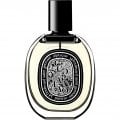
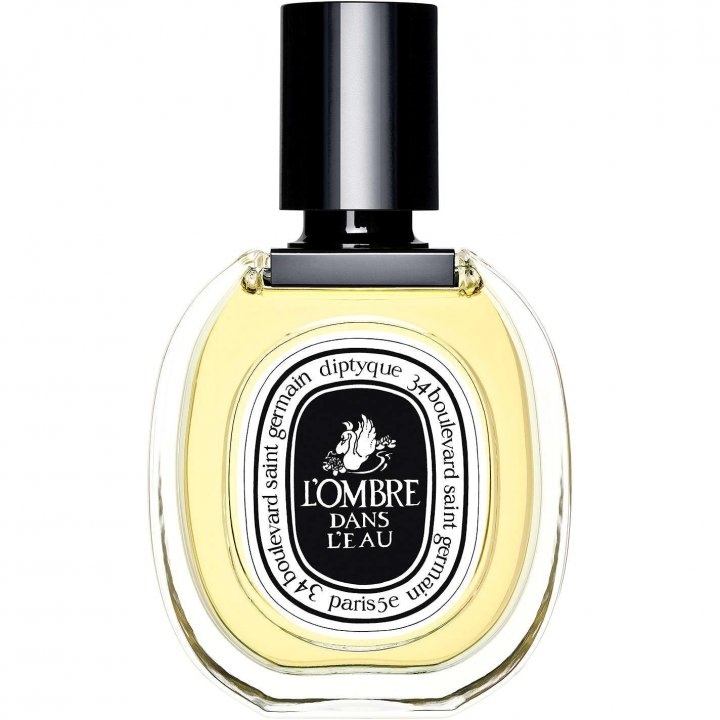
The mixture of tomato stem, rose, currant leaves and green herbs is incomparable. A monolith among the fragrances. Unique and completely detached. Like a scent meteorite that has plunged from space into water. Many perfumes develop from predecessors, take over a certain style or direction. L'ombre dans l'eau is completely unaffected. There was nothing comparable before and nothing like it after that.
Probably Desmond Knox Leet couldn't sleep either, so he wandered around the garden and wrote down a formula in moonlight that a pond nixie had dictated to him. The next morning he mixed it all together in disbelief and called it "Shadows on the water".
It's not really of this world.
Probably the mermaid was never allowed to come to the surface again as punishment, because she had betrayed the most beautiful secret of the Aquarius' castle and his daughters
In the evening I lit the fancy white candle in the glass and within a short time a wonderful scent of roses, currants and warm wax wafted through the lower deck. My cabin had become a princess's chamber within minutes. My men on board also thought that it smelled wonderful, until my younger brother noticed that a candle was burning in the cabin and had a seizure, which I will not go into here... after all, I didn't burn down the fancy boat with its shiny old wooden planks.
So the next day I went back to the perfumery and asked if this fragrance would be available without an open flame. Yes of course! The salesgirl said with a refined look at my blonde hair that Cathérine Deneuve also wore it. So I bought the eau de parfum without thinking twice. It was the beginning of a wonderful friendship.
The mixture of tomato stem, rose, currant leaves and green herbs is incomparable. A monolith among the fragrances. Unique and completely detached. Like a scent meteorite that has plunged from space into water. Many perfumes develop from predecessors, take over a certain style or direction. L'ombre dans l'eau is completely unaffected. There was nothing comparable before and nothing like it after that.
Probably Desmond Knox Leet couldn't sleep either, so he wandered around the garden and wrote down a formula in moonlight that a pond nixie had dictated to him. The next morning he mixed it all together in disbelief and called it "Shadows on the water".
It's not really of this world.
Probably the mermaid was never allowed to come to the surface again as punishment, because she had betrayed the most beautiful secret of the Aquarius' castle and his daughters
11 Comments


 Voldage
 Elysium