







Yatagan
416 Reviews
Translated · Show original

Yatagan
Top Review
22
A Relic from Gottesthal
Uncommented Scents No. 70
“A relic (from Latin reliquiae ‘that which has been left behind, remains’) is an object of religious veneration, (…) part of the personal belongings of a saint (...), objects (...), with which the saint came into contact or is said to have come into contact.” (Source: Wikipedia).
In the altars of churches and chapels, small relics are usually found, most often of the saint whose name the church bears.
A.D. 1212: Slowly, almost tenderly, the little monk with thinning hair lifted the vial containing the pale, fragrant liquid from the recess in the altar of the old, dilapidated church of St. Ægidius of the forgotten abbey of Gottesthal. After the Augustinian canons, who had been engaged in their holy work here for a while, left the monastery shortly after 1200, it now stood lonely and empty in the Rheingau, not far from the famous city of Mainz with its mighty cathedral, the most powerful diocese of Christendom. Close to the center of power and yet deep enough in the shadow of a side valley of the Rheingau to be overlooked by the powerful of the time.
The vial that Brother Rhabanus stole, however, was not one of the usual relics: no splinter from the cross of Christ, no fragment of the garment of one of the apostles, no little bone from the finger of a saint, no drop of blood from a martyr…
This pale liquid was a miraculous tincture attributed to St. Ægidius of St. Gilles for the healing of countless ailments; infinitely valuable, holier than any drop of blood from his body, miraculous.
Ægidius, born in Athens in 640, had arrived in southern France by various routes, where he must have dealt with the healing plants of the local environment and died there at the blessed age of 80. The legend of St. Ægidius tells that he reached his old age despite a lifelong, severe wound; his faith in God helped him - and a tincture that he himself had distilled from the plants of his new, southern French homeland. Its name: Novum Egidii Tincturam, the new tincture of Ægidius, or NET for short.
Brother Rhabanus did not wish to become rich with his theft; that was not in the perspective of a medieval person, especially not in the view of a monk whose sole aim was eternal bliss. His desire was rather to alleviate his suffering. At nearly 50 years old, he was considered quite aged for his time; he was plagued by cavities, back problems, and a long-standing inflammation in his right forearm, likely caused by a small, seemingly harmless work accident in the abbey kitchen. In short: He would have risked almost anything to relieve his suffering, even a relic theft from an abandoned church. What could possibly happen, after all, if it was no longer used for its intended purpose, praising God and praying for the intercession of St. Ægidius, since the Augustinian canons had long since left the house of God?
The trail of the little holy man who stole this vial from the altar of St. Ægidius in the central Rheingau disappears in the turmoil of the early 13th century. However, we may suspect that this sacrilege did not bring him, the consecrated monk, any luck. For simplicity's sake and in ignorance of his further fate, let us assume that he died in misery and that the liquid could not alleviate his old age ailments, contrary to his hopes. Whether it was that it only worked for a true saint like Ægidius, or whether its supposed healing power was merely due to the miraculous belief of the high Middle Ages and thus never really existed, essentially a placebo of medieval medicine.
But legends are persistent, and so it happened that this distilled alcoholic liquid with the aroma of citrus fruits, which were completely unknown in the cold north at that time, but which can be assumed to have been present in the Mediterranean region and thus in southern France since the year 1000, was considered a miraculous liquid, an aqua mirabilis. To the medieval person, it smelled like the water of paradise.
And when the art of perfumers arrived in Europe during the Renaissance and early modern period, eventually even reaching Cologne in the high European north, the hour of Ægidius' miraculous tincture had come. Over several centuries, it was maintained and more or less poorly imitated from the original in the altar, and the recipe for NET from the abbeys of Gottesthal and Eberbach was guarded and cherished from generation to generation, finally returning to France through a Cistercian who went back to the recently re-settled home monastery of his order in Citeaux shortly after 1900.
Even men of the consecrated life must live in the real world, and so it happened that in Citeaux in the mid-1950s, it was decided that it could not hurt to put the legendary recipe in good hands and thus sell it profitably. In defense of the then abbot, it must be said that Citeaux had since become a monastery of the Cistercians of strict observance, the so-called Trappists. This contemplative order had little interest in worldly matters, but a pressing need to secure the future of the monastery. France is a secular state, the church leads a completely separate niche existence; there has always been a lack of monetary support.
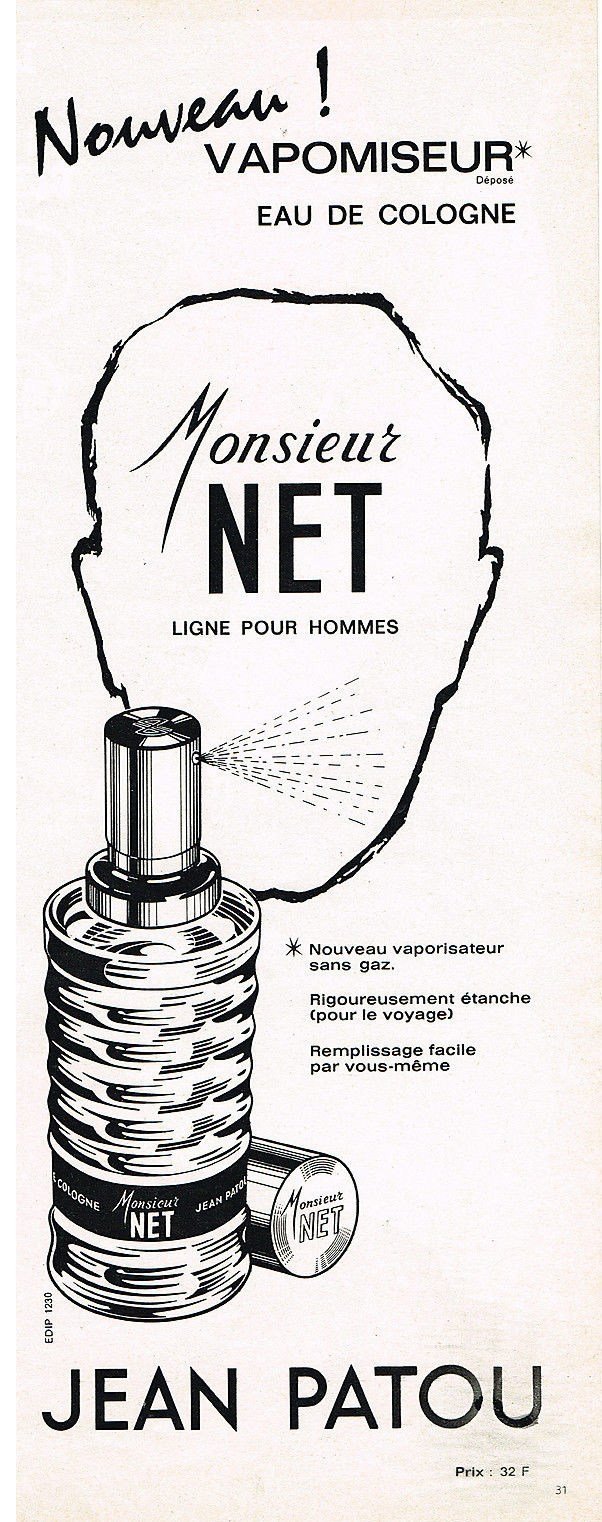
And indeed, the recipe was placed in good hands, which had quietly and patiently awaited its awakening in the shadow of the Rheingau and then in the venerable walls of the Citeaux monastery for exactly 800 years since the death of the little monk in 1156: in the hands of the House of Patou.
It is actually a pity that it was not granted a longer time of influence. How are we to know whether the miracle water NET lives up to its reputation and can perform true miracles, heal the sick and close wounds?
Let us be realistic. The NET I have before me today, for I am one of the few who still possess it, has probably nothing at all to do with the holy tincture of the pious Ægidius. The original recipe was laboriously re-composed due to the lack of records, reformulated as we would say today, diluted, distorted, ultimately thinned out due to commerce.
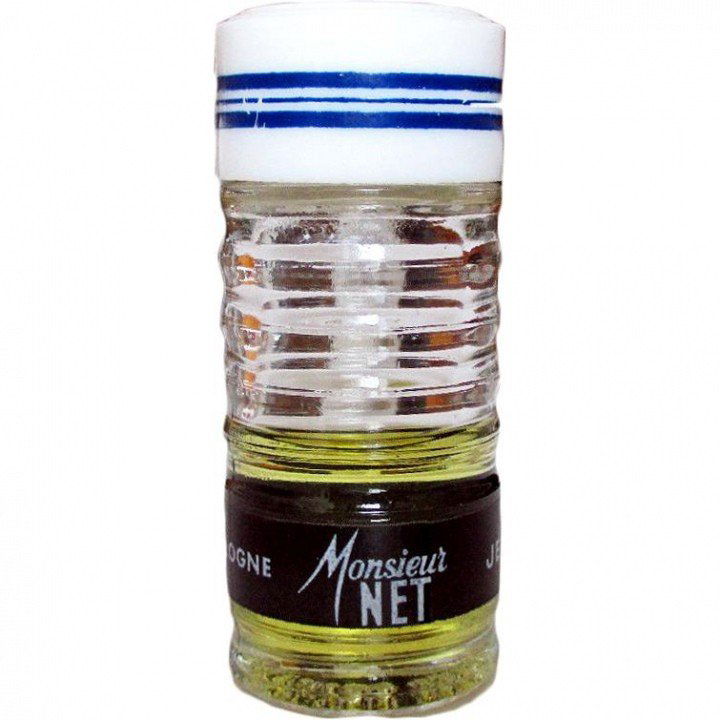
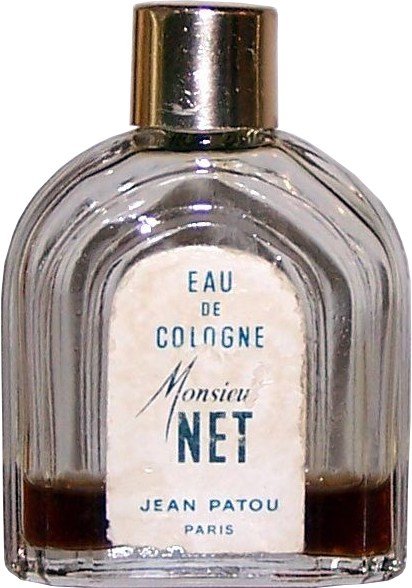
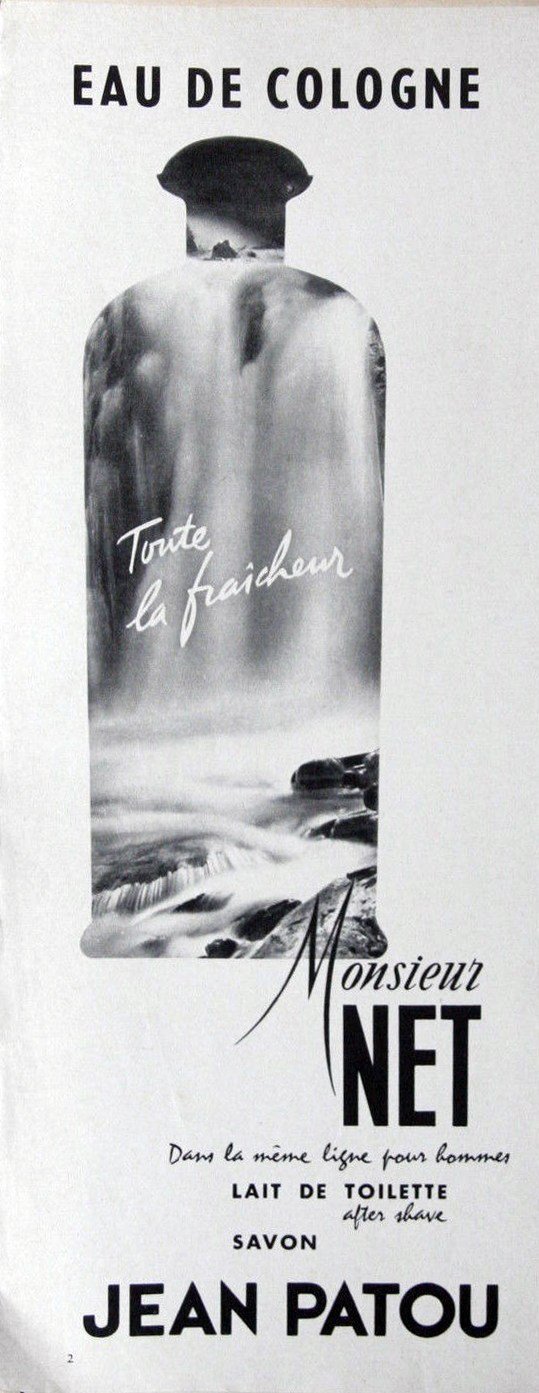
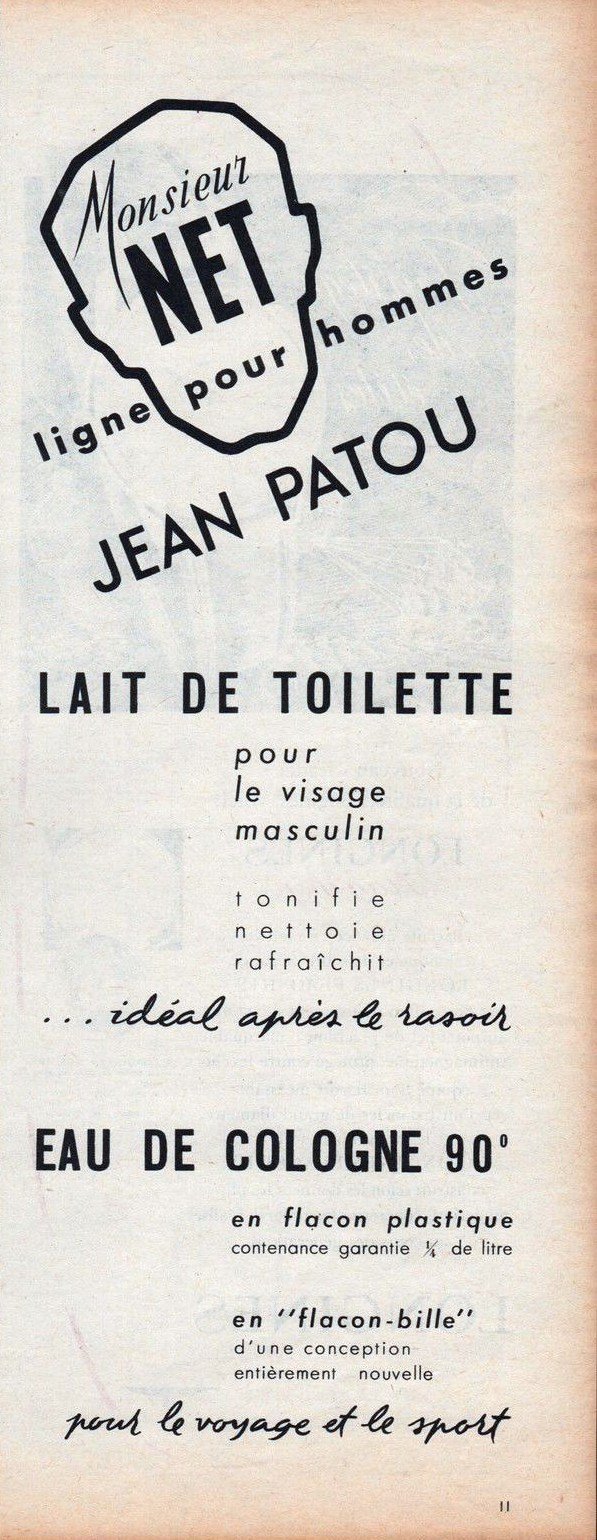
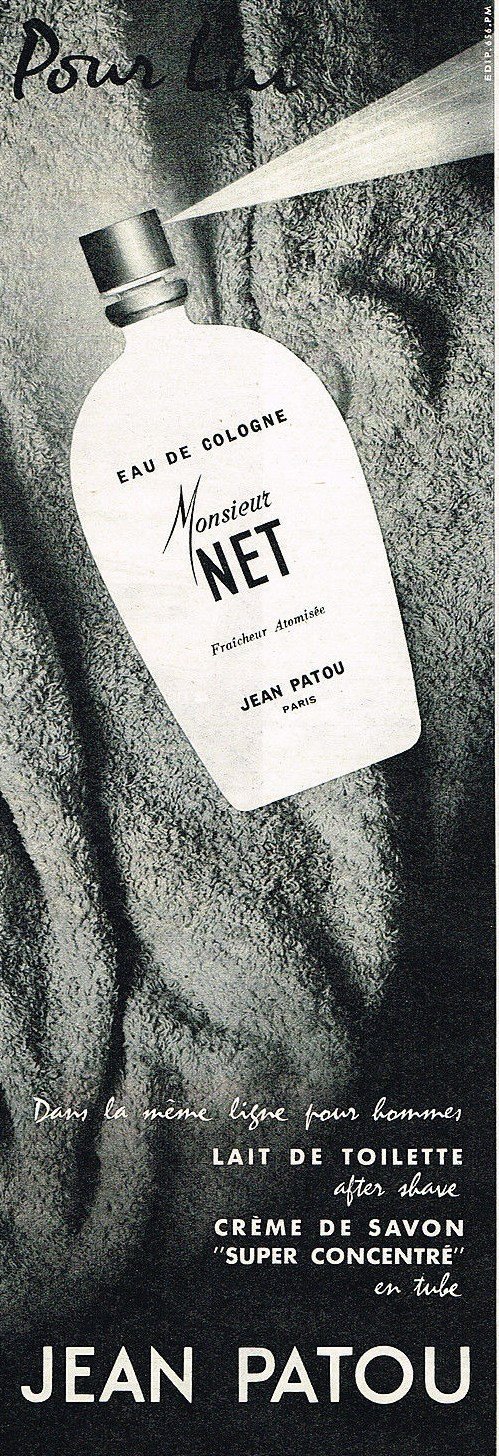
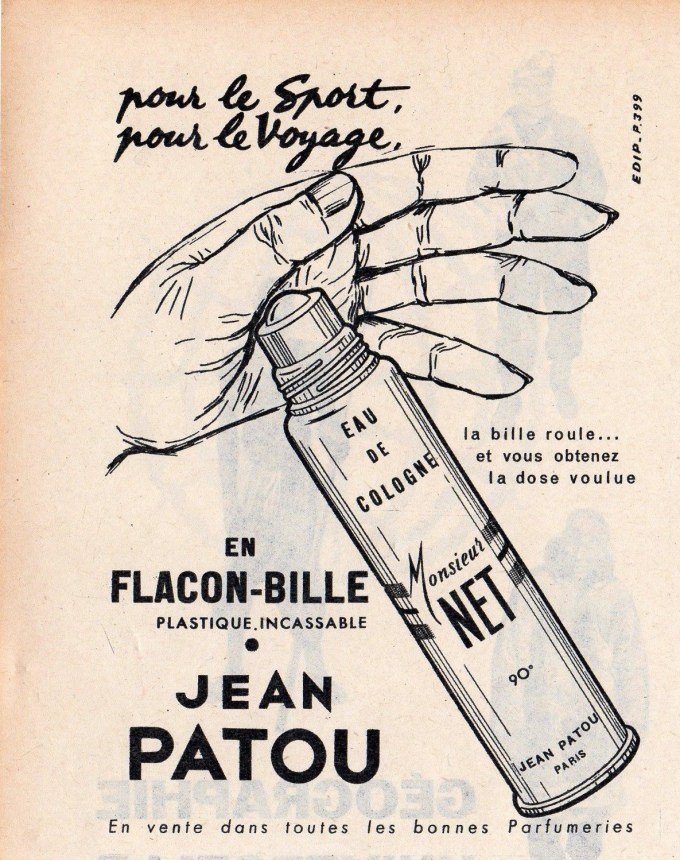
Only the vial in which it could still be purchased about 25 or 30 years ago still has the same shape as the one in the altar of St. Ægidius, so they say.
But how does this scent smell now, apart from the already mentioned citrus notes, the neroli, the lemon, the orange, the bergamot? That is actually quite irrelevant for such a miracle water, but it should be revealed that a bouquet of southern French herbs is contained within: rosemary, sage, but also bright floral notes and a warm, woody base.
One last piece of advice for treasure hunters: Do not even try to find the church of St. Ægidius and the monastery of Gottesthal. They did indeed exist, but have long since disappeared. Only a gatehouse remains. All other buildings were demolished in later centuries. No wonder! After all, the relic of the miracle water has been missing for far too many years.
The true story anyway fades into the darkness of time.
“A relic (from Latin reliquiae ‘that which has been left behind, remains’) is an object of religious veneration, (…) part of the personal belongings of a saint (...), objects (...), with which the saint came into contact or is said to have come into contact.” (Source: Wikipedia).
In the altars of churches and chapels, small relics are usually found, most often of the saint whose name the church bears.
A.D. 1212: Slowly, almost tenderly, the little monk with thinning hair lifted the vial containing the pale, fragrant liquid from the recess in the altar of the old, dilapidated church of St. Ægidius of the forgotten abbey of Gottesthal. After the Augustinian canons, who had been engaged in their holy work here for a while, left the monastery shortly after 1200, it now stood lonely and empty in the Rheingau, not far from the famous city of Mainz with its mighty cathedral, the most powerful diocese of Christendom. Close to the center of power and yet deep enough in the shadow of a side valley of the Rheingau to be overlooked by the powerful of the time.
The vial that Brother Rhabanus stole, however, was not one of the usual relics: no splinter from the cross of Christ, no fragment of the garment of one of the apostles, no little bone from the finger of a saint, no drop of blood from a martyr…
This pale liquid was a miraculous tincture attributed to St. Ægidius of St. Gilles for the healing of countless ailments; infinitely valuable, holier than any drop of blood from his body, miraculous.
Ægidius, born in Athens in 640, had arrived in southern France by various routes, where he must have dealt with the healing plants of the local environment and died there at the blessed age of 80. The legend of St. Ægidius tells that he reached his old age despite a lifelong, severe wound; his faith in God helped him - and a tincture that he himself had distilled from the plants of his new, southern French homeland. Its name: Novum Egidii Tincturam, the new tincture of Ægidius, or NET for short.
Brother Rhabanus did not wish to become rich with his theft; that was not in the perspective of a medieval person, especially not in the view of a monk whose sole aim was eternal bliss. His desire was rather to alleviate his suffering. At nearly 50 years old, he was considered quite aged for his time; he was plagued by cavities, back problems, and a long-standing inflammation in his right forearm, likely caused by a small, seemingly harmless work accident in the abbey kitchen. In short: He would have risked almost anything to relieve his suffering, even a relic theft from an abandoned church. What could possibly happen, after all, if it was no longer used for its intended purpose, praising God and praying for the intercession of St. Ægidius, since the Augustinian canons had long since left the house of God?
The trail of the little holy man who stole this vial from the altar of St. Ægidius in the central Rheingau disappears in the turmoil of the early 13th century. However, we may suspect that this sacrilege did not bring him, the consecrated monk, any luck. For simplicity's sake and in ignorance of his further fate, let us assume that he died in misery and that the liquid could not alleviate his old age ailments, contrary to his hopes. Whether it was that it only worked for a true saint like Ægidius, or whether its supposed healing power was merely due to the miraculous belief of the high Middle Ages and thus never really existed, essentially a placebo of medieval medicine.
But legends are persistent, and so it happened that this distilled alcoholic liquid with the aroma of citrus fruits, which were completely unknown in the cold north at that time, but which can be assumed to have been present in the Mediterranean region and thus in southern France since the year 1000, was considered a miraculous liquid, an aqua mirabilis. To the medieval person, it smelled like the water of paradise.
And when the art of perfumers arrived in Europe during the Renaissance and early modern period, eventually even reaching Cologne in the high European north, the hour of Ægidius' miraculous tincture had come. Over several centuries, it was maintained and more or less poorly imitated from the original in the altar, and the recipe for NET from the abbeys of Gottesthal and Eberbach was guarded and cherished from generation to generation, finally returning to France through a Cistercian who went back to the recently re-settled home monastery of his order in Citeaux shortly after 1900.
Even men of the consecrated life must live in the real world, and so it happened that in Citeaux in the mid-1950s, it was decided that it could not hurt to put the legendary recipe in good hands and thus sell it profitably. In defense of the then abbot, it must be said that Citeaux had since become a monastery of the Cistercians of strict observance, the so-called Trappists. This contemplative order had little interest in worldly matters, but a pressing need to secure the future of the monastery. France is a secular state, the church leads a completely separate niche existence; there has always been a lack of monetary support.
And indeed, the recipe was placed in good hands, which had quietly and patiently awaited its awakening in the shadow of the Rheingau and then in the venerable walls of the Citeaux monastery for exactly 800 years since the death of the little monk in 1156: in the hands of the House of Patou.
It is actually a pity that it was not granted a longer time of influence. How are we to know whether the miracle water NET lives up to its reputation and can perform true miracles, heal the sick and close wounds?
Let us be realistic. The NET I have before me today, for I am one of the few who still possess it, has probably nothing at all to do with the holy tincture of the pious Ægidius. The original recipe was laboriously re-composed due to the lack of records, reformulated as we would say today, diluted, distorted, ultimately thinned out due to commerce.
Only the vial in which it could still be purchased about 25 or 30 years ago still has the same shape as the one in the altar of St. Ægidius, so they say.
But how does this scent smell now, apart from the already mentioned citrus notes, the neroli, the lemon, the orange, the bergamot? That is actually quite irrelevant for such a miracle water, but it should be revealed that a bouquet of southern French herbs is contained within: rosemary, sage, but also bright floral notes and a warm, woody base.
One last piece of advice for treasure hunters: Do not even try to find the church of St. Ægidius and the monastery of Gottesthal. They did indeed exist, but have long since disappeared. Only a gatehouse remains. All other buildings were demolished in later centuries. No wonder! After all, the relic of the miracle water has been missing for far too many years.
The true story anyway fades into the darkness of time.
17 Comments
 Yatagan