

17
Top Review
...and above me the nave?
I don't want to pretend to be knowledgeable about incense fragrances to incense lovers; I simply lack the knowledge and comparison options for incense scents. But I do want to whet your appetite, um, your nose...
One thing I could at least research: Incense oil for perfumery is derived from incense resin, which is obtained by making incisions in the bark of the incense tree. Of course, as with many things, there are different qualities here as well. The inferior, first harvest is primarily used for ecclesiastical purposes, where it is still mixed with styrax and anise.
The highest quality incense resin is only harvested during the last harvest; it is almost white and has a very pleasant, almost balsamic scent. It is - similar to real sandalwood - correspondingly expensive and precious, and is therefore only used for the finest perfumes.
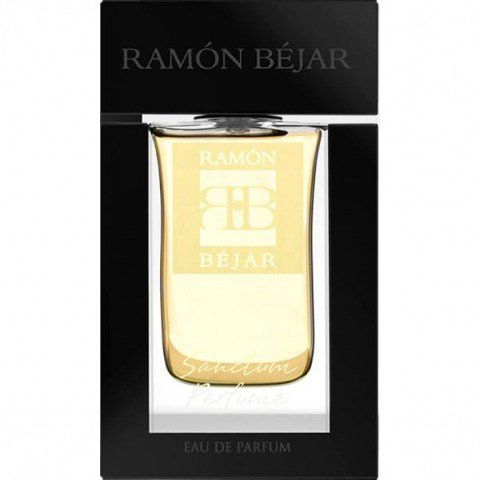
Ramón Béjar uses such incense for his fragrance Sanctum Perfume, or "Holy Perfume." The other resins and oils used for this fragrance are of equally high quality.
I have never encountered an incense scent that didn't remind me of church and mustiness, but instead evokes a green plant covered in resin that spreads a green-fresh, resinous-sweet, and slightly smoky aroma. So nothing to do with the nave!
For this fragrance, I tip my hat to Ramón Béjar, because creating something like this and realizing his vision of a beautiful incense scent is truly an art. I can warmly recommend this fragrance to anyone who likes or even loves incense, as I would claim it is worth every cent.
Like all Béjar fragrances, Sanctum Perfume is also rather close to the body, although not as subtle as Secret Sandalwood, which I tested just before Sanctum Perfume. The longevity is very good at about 10 hours.
For the first time, testing an incense perfume truly brought me joy, and that, despite the fact that I actually don't like incense...
One thing I could at least research: Incense oil for perfumery is derived from incense resin, which is obtained by making incisions in the bark of the incense tree. Of course, as with many things, there are different qualities here as well. The inferior, first harvest is primarily used for ecclesiastical purposes, where it is still mixed with styrax and anise.
The highest quality incense resin is only harvested during the last harvest; it is almost white and has a very pleasant, almost balsamic scent. It is - similar to real sandalwood - correspondingly expensive and precious, and is therefore only used for the finest perfumes.
Ramón Béjar uses such incense for his fragrance Sanctum Perfume, or "Holy Perfume." The other resins and oils used for this fragrance are of equally high quality.
I have never encountered an incense scent that didn't remind me of church and mustiness, but instead evokes a green plant covered in resin that spreads a green-fresh, resinous-sweet, and slightly smoky aroma. So nothing to do with the nave!
For this fragrance, I tip my hat to Ramón Béjar, because creating something like this and realizing his vision of a beautiful incense scent is truly an art. I can warmly recommend this fragrance to anyone who likes or even loves incense, as I would claim it is worth every cent.
Like all Béjar fragrances, Sanctum Perfume is also rather close to the body, although not as subtle as Secret Sandalwood, which I tested just before Sanctum Perfume. The longevity is very good at about 10 hours.
For the first time, testing an incense perfume truly brought me joy, and that, despite the fact that I actually don't like incense...
Translated · Show original
12 Comments
Für diese ausführliche Info gibt's schonmal n Pokal!
Muss ich mir das Wässerchen "nur" noch kaufen.. hab's spontan nirgends gefunden, aber kann mir den Preis schon denken...
Kommt sofort auf meine Mekliste.