Saturated blue floral notes open the perfume with strong lavender and velvety violet. This lovely scent is invigorated by the citrusy freshness of the shiso leaf, known from Japanese cuisine. Soon, iris joins in, its powderiness lightened by the shiso freshness. Lavender, violet, and iris, that's concentrated flower power. Where is the tea, the actual theme of the perfume?
The oolong tea mentioned as an ingredient, lower in tannins and more aromatic than black tea, represents the top tier of Chinese tea. In the tea ceremony, it is sipped in high concentration from small cups to enjoy the long finish, similar to red wine. However, Thé bleu contains only a thin infusion in the Western style, delicately floral and hardly perceptible as a distinct note. Thus, it becomes a pleasing matte brown, brightened by musk, which connects the floral notes and gives the whole a creamy touch.
Thé bleu is quite a simple fragrance that unfolds in its entirety within a few minutes and then remains almost unchanged. Yet, it is precisely this floating clarity that makes it special. A successful perfume with a wellness feeling, then.
Moreover, it skillfully plays with various associations to blue. Lavender as the ultimate relaxation factor, the blue flower as a symbol of longing from the Romantic era, endless sky blue, pure water blue, and eggshell-like tea sets with Far Eastern motifs in Chinese Ming blue.
Zen. Calm. Beauty. Transience. Eternity. Relaxation.
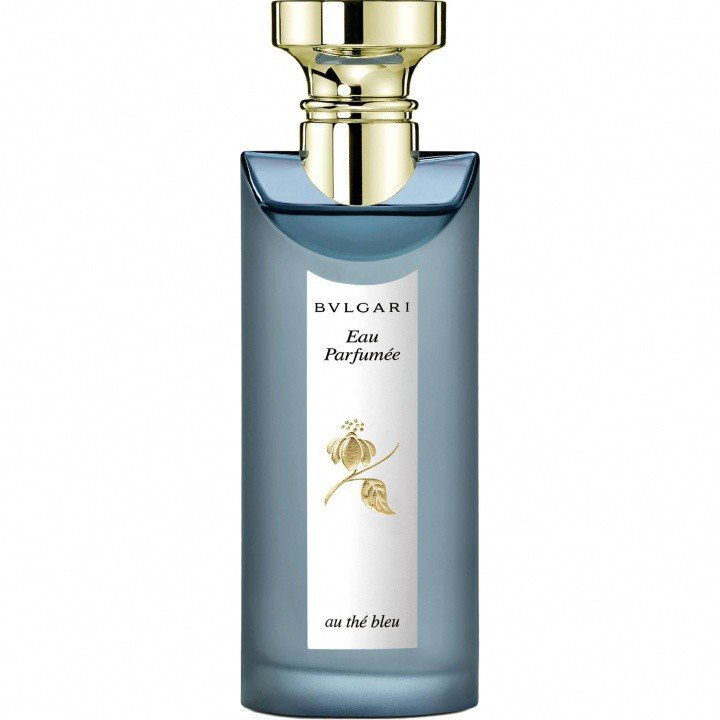
I have a tea set in Ming blue with Chinese dragons in gold inlay. Unfortunately, there are only remnants left. As much as I love the color, the bottle, and the feel of the bottle, along with your wonderful words and the association with blue flowers and pretty much everything that is (light) blue... despite the fragrance notes that I almost love all, the scent just couldn't win me over. Such a shame!


I will test it!