

60
Top Review
Why Shouldn't a Woman Have an Affair?
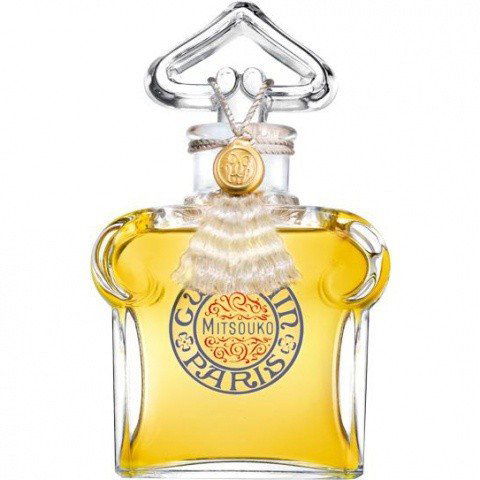
It was September 1, 1932. Fritzi Massary sat in front of the makeup mirror in her dressing room at the Berlin Metropol Theater, the dull light bulbs illuminating her fifty-year-old but fine face. She was excited; it was the premiere night of "A Woman Who Knows What She Wants." Nervously, she fiddled with the hem of her skirt and adjusted it. "You'll see," Oscar had emphasized again and again, "the people will love you and this operetta! Trust me!" This didn't really calm her down. At least now, as so often, she was overtaken by the dreaded stage fright, which seemed to melt away any confidence. A deep breath, a silent prayer, a sigh, and off she went. She reached for the glass of champagne, drank it in one gulp, took Mitsouko from the makeup table, tilted her chin slightly into the light of the bulbs, and dabbed a fine drop on either side of her neck, which had been eagerly kissed by burning lips the night before. "What was his name again?" she thought, but she had forgotten his name. "Come on, Fritzi!" she said aloud to herself, stood up, spun around once on her axis, and pushed open the dressing room door. Just at the right moment, as the music began, she ascended the steps to the stage and stepped into the spotlight...
Fritzi's life in Berlin was glamorous. Since 1904, she had been performing at the Metropol Theater in Berlin Mitte, shining in numerous operettas and admired by just as many admirers as admirers. She didn't care what people said about her. She was already too famous for that. Even though she saw herself as very hardworking, disciplined, and, deep down in her heart, bourgeois, she nonetheless stood for a modern image of women in the emerging 20th century that was intelligent, self-assured, but also passionate. For both men and women, she embodied on stage the attractive, open-minded woman who still valued a certain traditional femininity. When Jacques Guerlain created Mitsouko in 1919, he likely had exactly this type of woman in mind. If not, the fragrance itself may have contributed to women becoming more aware of themselves and beginning to encroach into men's spheres of life.
What could fit Mitsouko better than the famous, slightly frivolous operetta hit by Massary from the premiere night "Why Shouldn't a Woman Have an Affair?":
"What society talks about
between lunch and dinner,
in the afternoon at 5 o'clock?
About Madame X and Madame U,
it's best not to listen to people at all."
Mitsouko Extrait starts confidently. Jasmine, a hint of bergamot, and a whispered rose create a floral-fresh opening. The peach is already making its way quickly, while the spices and oakmoss from the base quickly provide the unmistakably fascinating "moldy" undertone. The heart of peach, lilac, and ylang-ylang deepens the fragrance, making it sensual, slightly slippery, and interesting. Here, Mitsouko remains fruity-floral-spicy-dark for several hours, leaving a mysterious aura that provides plenty of conversation material about the fascinating woman at the neighboring table during the 5 o'clock gathering.
"Do you know Mrs. Y, the beautiful, slender blonde?
Do you know what they say about her?
She has a man, she has a friend,
and an uncle who means very well with her.
Yes, then she has a lion hunter
and also a jazz band N*.
Goodness, the consumption!"
But every rumor holds a little truth. And so, the greatest truth of Mitsouko lies in its base. Oakmoss, spices, amber, vetiver, and cinnamon wrap themselves around its wearer in a balsamic, slightly sweet, and powdery flattering way. Mysterious, tempting, sensual. Not frivolous, but as self-assured as the top note, regardless of how the whole chatter at the neighboring table affects one's reputation. Whether she is with him, he with her, she with her, or he with him. All variations are familiar to Mitsouko, making it irresistible.
"They say about her, they gossip,
she's also a bit different!"
And so, Massary also convinced on that evening of September 1, 1932, as a woman who knows what she wants. And just as Massary is for the audience, Mitsouko is made for women and men who know what they want. Those who engage with Mitsouko will experience a passion that is strong, deep, and long-lasting. And those who enter into an affair with Mitsouko need not fear gossip. Or do they?
"Why shouldn't a woman have an affair?
If she's pretty, they'll say:
Well, she must have one, it would be silly!
And if people are already talking and she doesn't have one.
Well, then it's much better if she has one!
Why shouldn't a woman have an affair?
Can you tell me why?"
(*In the original song, the N-word for African Americans is used)
Fritzi's life in Berlin was glamorous. Since 1904, she had been performing at the Metropol Theater in Berlin Mitte, shining in numerous operettas and admired by just as many admirers as admirers. She didn't care what people said about her. She was already too famous for that. Even though she saw herself as very hardworking, disciplined, and, deep down in her heart, bourgeois, she nonetheless stood for a modern image of women in the emerging 20th century that was intelligent, self-assured, but also passionate. For both men and women, she embodied on stage the attractive, open-minded woman who still valued a certain traditional femininity. When Jacques Guerlain created Mitsouko in 1919, he likely had exactly this type of woman in mind. If not, the fragrance itself may have contributed to women becoming more aware of themselves and beginning to encroach into men's spheres of life.
What could fit Mitsouko better than the famous, slightly frivolous operetta hit by Massary from the premiere night "Why Shouldn't a Woman Have an Affair?":
"What society talks about
between lunch and dinner,
in the afternoon at 5 o'clock?
About Madame X and Madame U,
it's best not to listen to people at all."
Mitsouko Extrait starts confidently. Jasmine, a hint of bergamot, and a whispered rose create a floral-fresh opening. The peach is already making its way quickly, while the spices and oakmoss from the base quickly provide the unmistakably fascinating "moldy" undertone. The heart of peach, lilac, and ylang-ylang deepens the fragrance, making it sensual, slightly slippery, and interesting. Here, Mitsouko remains fruity-floral-spicy-dark for several hours, leaving a mysterious aura that provides plenty of conversation material about the fascinating woman at the neighboring table during the 5 o'clock gathering.
"Do you know Mrs. Y, the beautiful, slender blonde?
Do you know what they say about her?
She has a man, she has a friend,
and an uncle who means very well with her.
Yes, then she has a lion hunter
and also a jazz band N*.
Goodness, the consumption!"
But every rumor holds a little truth. And so, the greatest truth of Mitsouko lies in its base. Oakmoss, spices, amber, vetiver, and cinnamon wrap themselves around its wearer in a balsamic, slightly sweet, and powdery flattering way. Mysterious, tempting, sensual. Not frivolous, but as self-assured as the top note, regardless of how the whole chatter at the neighboring table affects one's reputation. Whether she is with him, he with her, she with her, or he with him. All variations are familiar to Mitsouko, making it irresistible.
"They say about her, they gossip,
she's also a bit different!"
And so, Massary also convinced on that evening of September 1, 1932, as a woman who knows what she wants. And just as Massary is for the audience, Mitsouko is made for women and men who know what they want. Those who engage with Mitsouko will experience a passion that is strong, deep, and long-lasting. And those who enter into an affair with Mitsouko need not fear gossip. Or do they?
"Why shouldn't a woman have an affair?
If she's pretty, they'll say:
Well, she must have one, it would be silly!
And if people are already talking and she doesn't have one.
Well, then it's much better if she has one!
Why shouldn't a woman have an affair?
Can you tell me why?"
(*In the original song, the N-word for African Americans is used)
Translated · Show original
10 Comments
https://youtu.be/TLtojukDrq0