

 Top Notes
  Orange
 Peach
Peach Heart Notes
  Geranium
 Jasmine
 Lemon grass
 Base Notes
  Musk
Musk
MissYvy
14 Reviews
Translated · Show original

MissYvy
Very helpful Review
4
... then let them eat cake
I have been convinced by the cosmetics of the Korean company Missha for a while now and was accordingly excited when I found five fragrances in the German online shop. My interest was further piqued by the basic concept of connecting the fragrances with historical eras; as a former history student, this always gets me. Since the prices are also consumer-friendly and I couldn't decide, I simply got them all and will describe them here one by one in chronological order.
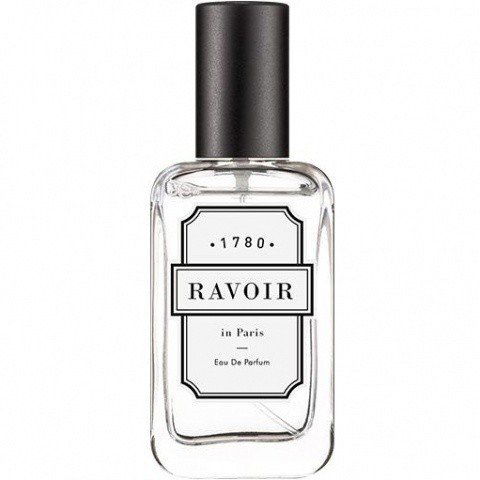
The second fragrance in the series is "1780 in Paris"; the era of the declining "Ancien Regime" and growing social tensions that ultimately lead to the French Revolution. Presumably, the development department was mainly thinking of the grandeur and excess of the court in Versailles and the notorious extravagance of Queen Marie Antoinette. These motifs can indeed be sensed in the top note of the perfume. The pyramid mentions orange and peach, but my nose distinctly picks up pear (extremely natural, juicy, almost as if you just took a bite). Historical parallels can also be drawn for the heart and base notes, but they are different from what was probably intended: Just as the "Ancien Regime" was practically built on sand, the foundation of this fragrance is also extremely thin and disappointing. You really have to stick your nose to your wrist to perceive anything at all, and what you do smell is not particularly impressive. The scent lies somewhere between green, sweet, fresh, and citrusy; it almost comes off a bit like dish soap. I can't pick out individual notes.
In summary, one could say that the fragrance is disappointingly fitting. The top note promises shine and opulence but delivers only lack and bleakness in the heart and base notes. I really wanted to like it because it represents the era that spontaneously appealed to me the most out of the five offered, but unfortunately, it holds almost nothing. In that sense, it is almost a successful thematic fragrance, although that was certainly not the intention.
The second fragrance in the series is "1780 in Paris"; the era of the declining "Ancien Regime" and growing social tensions that ultimately lead to the French Revolution. Presumably, the development department was mainly thinking of the grandeur and excess of the court in Versailles and the notorious extravagance of Queen Marie Antoinette. These motifs can indeed be sensed in the top note of the perfume. The pyramid mentions orange and peach, but my nose distinctly picks up pear (extremely natural, juicy, almost as if you just took a bite). Historical parallels can also be drawn for the heart and base notes, but they are different from what was probably intended: Just as the "Ancien Regime" was practically built on sand, the foundation of this fragrance is also extremely thin and disappointing. You really have to stick your nose to your wrist to perceive anything at all, and what you do smell is not particularly impressive. The scent lies somewhere between green, sweet, fresh, and citrusy; it almost comes off a bit like dish soap. I can't pick out individual notes.
In summary, one could say that the fragrance is disappointingly fitting. The top note promises shine and opulence but delivers only lack and bleakness in the heart and base notes. I really wanted to like it because it represents the era that spontaneously appealed to me the most out of the five offered, but unfortunately, it holds almost nothing. In that sense, it is almost a successful thematic fragrance, although that was certainly not the intention.