
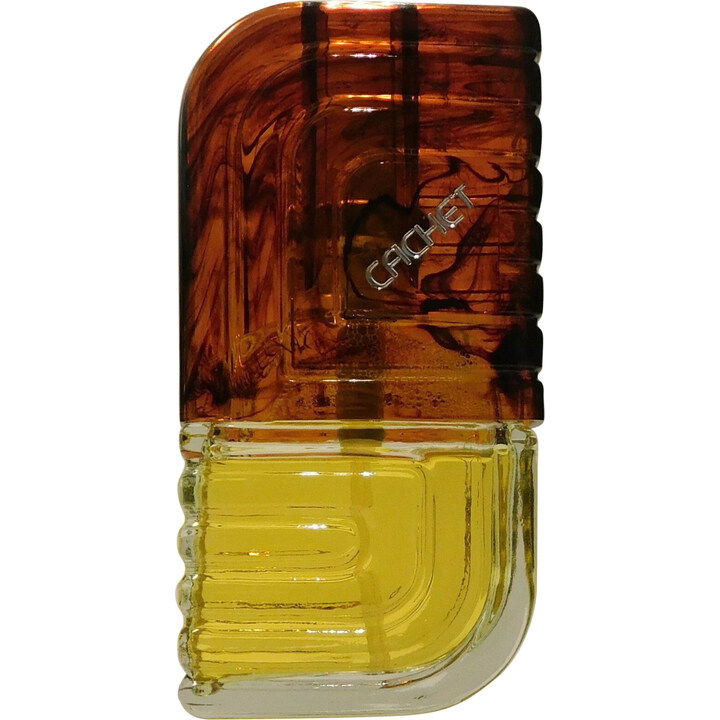
Cachet Prince Matchabelli 1970 Cologne

41
Top Review
also for royal children
Princes, my grandmother claimed, were the boys on white horses, with blonde curls, dressed in tights, who came from faraway lands to rescue princesses from evil witches and fiery dragons, from glass coffins and castles entwined with rose thorns.
Princes, I later learned, celebrated lavish parties in Cannes, in Marbella, on chic ocean yachts and under the Sugar Loaf.
Princes played polo and then with pretty girls, drove fast cars and didn’t take everything too seriously.
Princes - at least one of them - had wise eyes and thinning hair, stood up for justice, for "everyone different, everyone equal."
And princes, I learned, not only loved but sometimes created perfumes - "Le Prince Jardinier" is one of them, "Prince Matchabelli" another.
"Prince Matchabelli," Wikipedia knew, was a Georgian prince, Georges Vasili Matchabelli, whose passion belonged to the test tubes and who left his homeland during the Russian Revolution and emigrated to New York.
There, he ran an antique shop with his wife Princess Norina, a former actress, before they founded the "Prince Matchabelli Perfume Company" in 1926, which initially offered bespoke perfumes for a handpicked clientele.
Ten years later, after divorce and the prince's death, the widow sold the company, which changed ownership several times in the following decades and now belongs to "Parfums de Coeur."
Whoever invented "Cachet": It surely wasn't the prince.
The scent is too young, just two years younger than me.
Whoever sent me "Cachet": I will be eternally grateful.
"Cachet" is fresh, green, bitter.
It is powdery, soft, and clean.
It is leathery, dirty, coarse.
It is sunshine in a bottle, a dense, dark forest, is soap-clean skin wrapped in black leather.
A Chypre of the finest school, grown-up, elegant.
Down-to-earth elegant in tweed and riding boots, not in velvet and silk, especially not in brocade.
It is clear, fresh spring air on a March morning, the ground still hard, unheated and raw.
An afternoon in May, the garden is in bloom, the sun sparkles on the skin, evoking its clean, soft scents.
A summer day by the Mediterranean, neroli, white flowers.
Sturdy footwear, dense forests, up the mountain, stick tapping on stone.
Deep green chypre, white gold chypre, leather chypre now and then, when the rain falls, the cool wind brushes the cheeks.
Not too loud, never too quiet, always by my side.
Dabistduja, wowarstdubloß, an alwaysalwaysagain.
For me, for you, whether man or woman.
And also for royal children.
Princes, I later learned, celebrated lavish parties in Cannes, in Marbella, on chic ocean yachts and under the Sugar Loaf.
Princes played polo and then with pretty girls, drove fast cars and didn’t take everything too seriously.
Princes - at least one of them - had wise eyes and thinning hair, stood up for justice, for "everyone different, everyone equal."
And princes, I learned, not only loved but sometimes created perfumes - "Le Prince Jardinier" is one of them, "Prince Matchabelli" another.
"Prince Matchabelli," Wikipedia knew, was a Georgian prince, Georges Vasili Matchabelli, whose passion belonged to the test tubes and who left his homeland during the Russian Revolution and emigrated to New York.
There, he ran an antique shop with his wife Princess Norina, a former actress, before they founded the "Prince Matchabelli Perfume Company" in 1926, which initially offered bespoke perfumes for a handpicked clientele.
Ten years later, after divorce and the prince's death, the widow sold the company, which changed ownership several times in the following decades and now belongs to "Parfums de Coeur."
Whoever invented "Cachet": It surely wasn't the prince.
The scent is too young, just two years younger than me.
Whoever sent me "Cachet": I will be eternally grateful.
"Cachet" is fresh, green, bitter.
It is powdery, soft, and clean.
It is leathery, dirty, coarse.
It is sunshine in a bottle, a dense, dark forest, is soap-clean skin wrapped in black leather.
A Chypre of the finest school, grown-up, elegant.
Down-to-earth elegant in tweed and riding boots, not in velvet and silk, especially not in brocade.
It is clear, fresh spring air on a March morning, the ground still hard, unheated and raw.
An afternoon in May, the garden is in bloom, the sun sparkles on the skin, evoking its clean, soft scents.
A summer day by the Mediterranean, neroli, white flowers.
Sturdy footwear, dense forests, up the mountain, stick tapping on stone.
Deep green chypre, white gold chypre, leather chypre now and then, when the rain falls, the cool wind brushes the cheeks.
Not too loud, never too quiet, always by my side.
Dabistduja, wowarstdubloß, an alwaysalwaysagain.
For me, for you, whether man or woman.
And also for royal children.
Translated · Show original
27 Comments
A thank you trophy!
There are no more "princes."
It sounds so nice, but it wouldn’t be for me... the scent.
Thanks for this wonderful comment. Best regards, Till
Adding this to my wishlist. :)
Thanks for the enjoyable read again! ;-))