

 Top Notes
  Cardamom
 Cinnamon
 Heart Notes
  Cypress attar
 Calamus
 Lily
Lily Base Notes
  Labdanum
 Myrrh
Myrrh Wine
Wine
BeJot
99 Reviews
Translated · Show original
BeJot
Top Review
14
Quiet Journey to a Time Nearly 4000 Years Ago
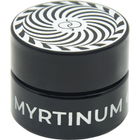
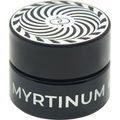
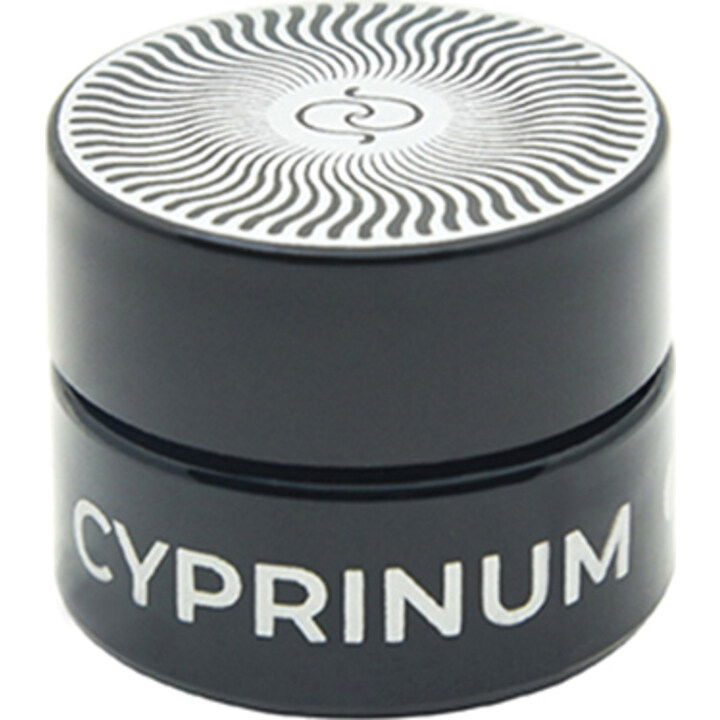
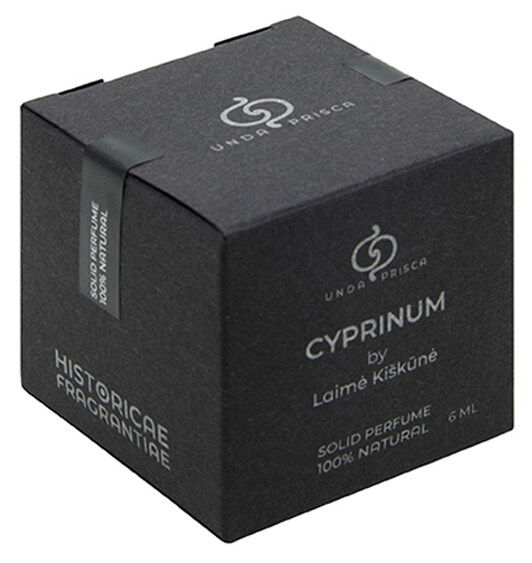
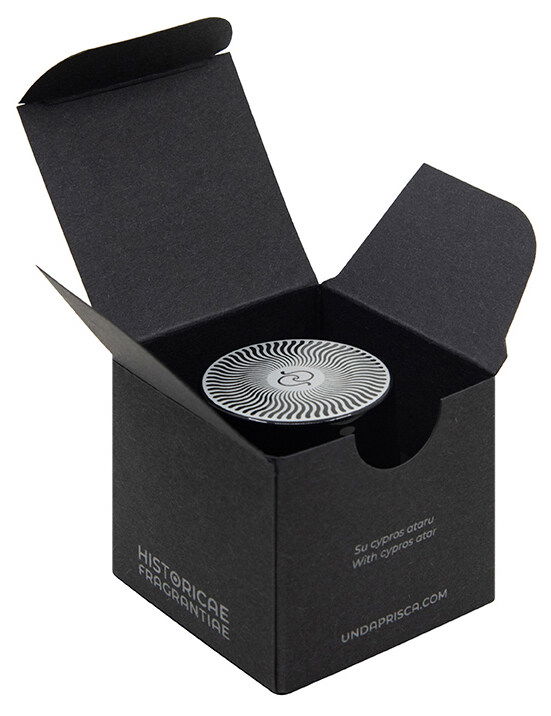
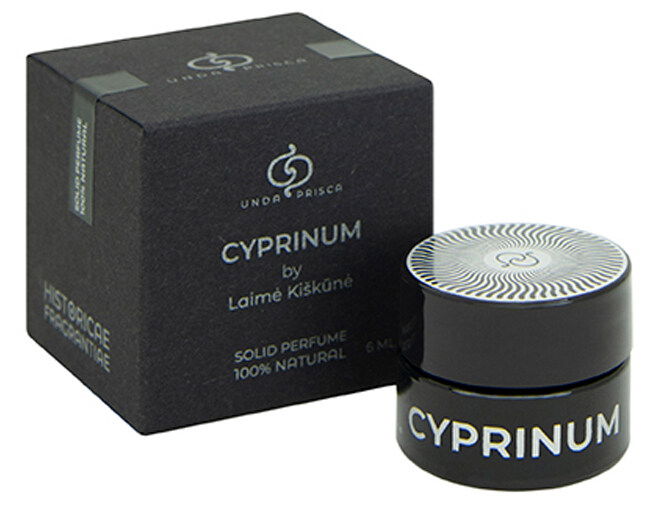
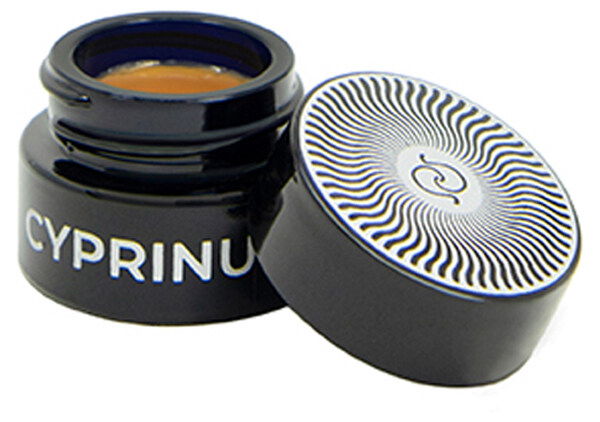
With a bit of concern, I open the lid of the small black jar. The contents have survived the 1500km from Lithuania at minus 25 degrees unscathed. I breathe a sigh of relief.
The golden cream looks like semi-liquid honey. It has a light citrus, fresh scent. Applying it to the skin is a particularly sensual experience. Rarely do I like the carrier substance as much as here. Nothing bothers, nothing is sticky. On the contrary, the velvety, soft consistency seems to melt with body heat.
In my mind, associations bubble up chaotically: ointment - anointing - royal anointing - chrism - healing … I close my eyes and enjoy the citrusy spice on my wrist. Herbal, sometimes a bit dusty, warm, the scent draws me into a world that is foreign to me. What did the cypresses look like 4000 years ago? How was the oil extracted, processed? I have not yet been to Egypt. I have also only engaged a little with the culture…
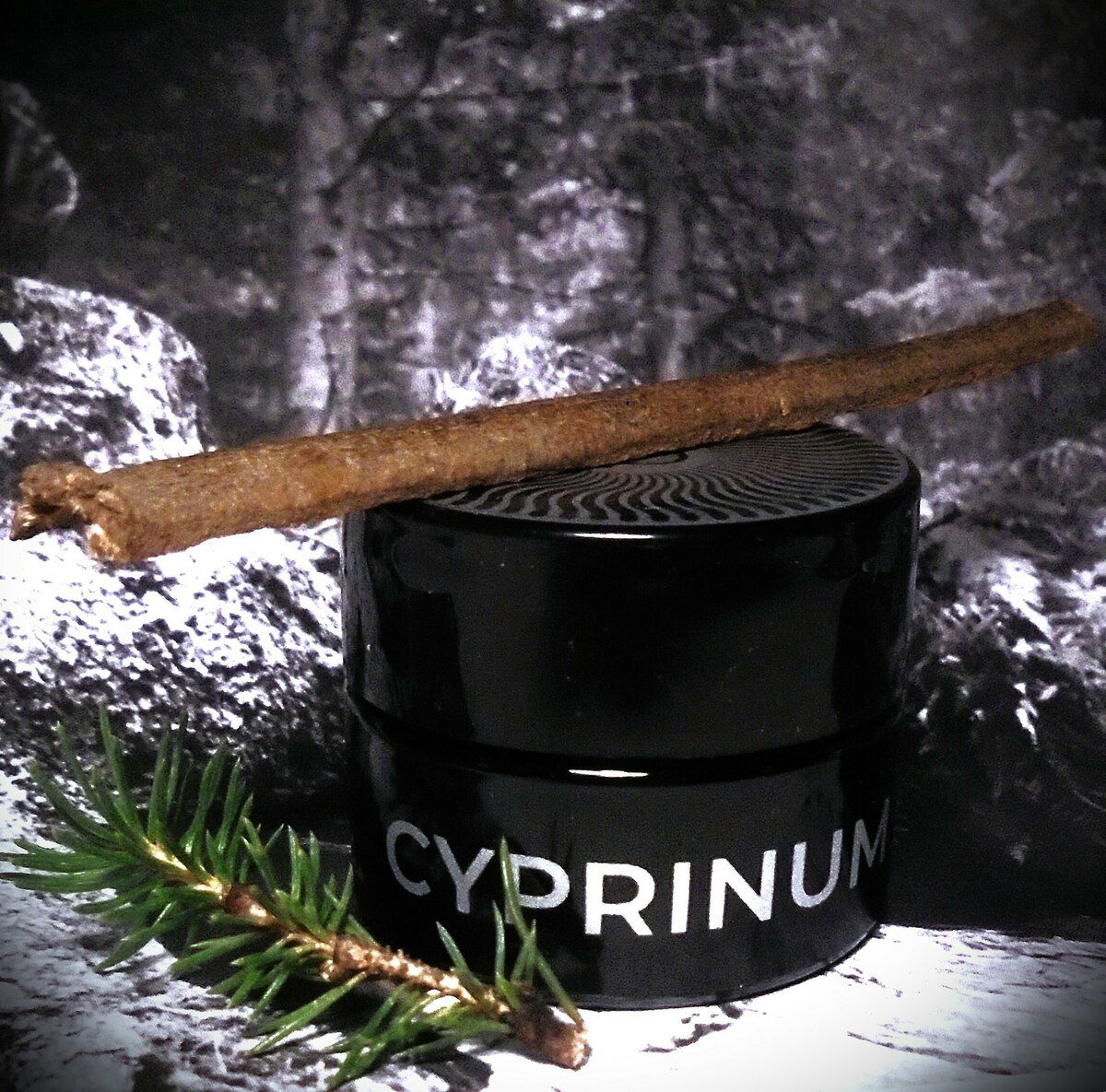
I push the thoughts aside. The scent quietly spreads on my wrist. It becomes warmer, softer. Alongside the resinous needles, I perceive wood. Old wood. Processed into furniture.
Again, my brain races off, searching for images from ancient Egypt. How did pharaohs live? With what kind of furniture? Tutankhamun may have known this perfume. By his time, the formula was already a few hundred years old. What a crazy thought!!
Laimė Kiškūnė, the perfumer from Unda Prisca, has researched the ancient art of perfumery for many years. As she describes on her homepage, she has embarked on a quest for historical perfume formulas with the help of philosophy, philology, botany, and archaeology. The perfume Cyprinum is mentioned in the texts of Dioscorides, Pliny the Elder, and Theophrastus, and was found in the sarcophagi of the Ptolemies in Egypt. Fragments of the formula and descriptions of the manufacturing technology can also be found in the research of Egyptologists and archaeologists from the 20th century. Cyprinum is considered the oldest known perfume, with its nearly 4000 years of history.
I am surprised at how much I like the scent, as I had suspected it would be too foreign, too exotic. Instead, I find the cypress citrus that I love so much. With many intertwined facets, the scent accompanies me throughout the day. Sometimes herbal, spicy, sometimes woody, resinous, then again balsamically soft. It feels as if the scent has crawled under my skin and spread everywhere there. I find it hard to say how long I perceive the scent on my skin. Is it eight or ten hours? Or is it ultimately just the memory of this wonderful olfactory experience?
Fascinating that we have the opportunity today to embark on this olfactory journey through time. Just like that. Because a woman like Laimė has researched with great curiosity and perseverance and ultimately channeled her knowledge into this small black jar. And because I was able to meet her and her friendly colleague Alge at the Polaris Olfactive Week.
The golden cream looks like semi-liquid honey. It has a light citrus, fresh scent. Applying it to the skin is a particularly sensual experience. Rarely do I like the carrier substance as much as here. Nothing bothers, nothing is sticky. On the contrary, the velvety, soft consistency seems to melt with body heat.
In my mind, associations bubble up chaotically: ointment - anointing - royal anointing - chrism - healing … I close my eyes and enjoy the citrusy spice on my wrist. Herbal, sometimes a bit dusty, warm, the scent draws me into a world that is foreign to me. What did the cypresses look like 4000 years ago? How was the oil extracted, processed? I have not yet been to Egypt. I have also only engaged a little with the culture…
I push the thoughts aside. The scent quietly spreads on my wrist. It becomes warmer, softer. Alongside the resinous needles, I perceive wood. Old wood. Processed into furniture.
Again, my brain races off, searching for images from ancient Egypt. How did pharaohs live? With what kind of furniture? Tutankhamun may have known this perfume. By his time, the formula was already a few hundred years old. What a crazy thought!!
Laimė Kiškūnė, the perfumer from Unda Prisca, has researched the ancient art of perfumery for many years. As she describes on her homepage, she has embarked on a quest for historical perfume formulas with the help of philosophy, philology, botany, and archaeology. The perfume Cyprinum is mentioned in the texts of Dioscorides, Pliny the Elder, and Theophrastus, and was found in the sarcophagi of the Ptolemies in Egypt. Fragments of the formula and descriptions of the manufacturing technology can also be found in the research of Egyptologists and archaeologists from the 20th century. Cyprinum is considered the oldest known perfume, with its nearly 4000 years of history.
I am surprised at how much I like the scent, as I had suspected it would be too foreign, too exotic. Instead, I find the cypress citrus that I love so much. With many intertwined facets, the scent accompanies me throughout the day. Sometimes herbal, spicy, sometimes woody, resinous, then again balsamically soft. It feels as if the scent has crawled under my skin and spread everywhere there. I find it hard to say how long I perceive the scent on my skin. Is it eight or ten hours? Or is it ultimately just the memory of this wonderful olfactory experience?
Fascinating that we have the opportunity today to embark on this olfactory journey through time. Just like that. Because a woman like Laimė has researched with great curiosity and perseverance and ultimately channeled her knowledge into this small black jar. And because I was able to meet her and her friendly colleague Alge at the Polaris Olfactive Week.
Updated on 02/17/2026
13 Comments
 Floyd
Floyd