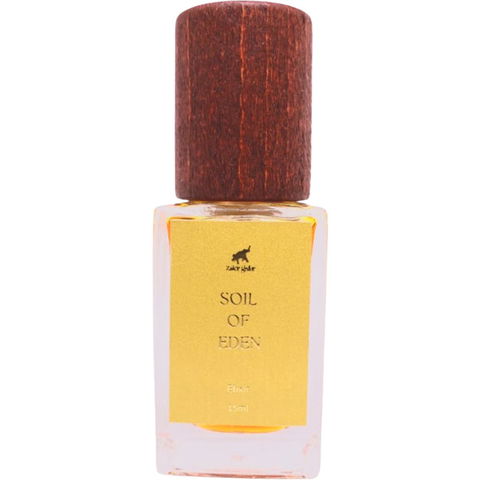
Soil of Eden is bold, loud, and unapologetically direct. Its structure is simple—musk, rose, and oud—but the quality of its materials and execution places it among the strongest in its price category.
It opens with an explosive burst of Damask rose, so dominant that other facets are pushed far into the background: the sharp green edge of geranium, a lychee-like sweetness, and a metallic clove nuance. The rose here is lush and crimson, with thorny undertones lurking beneath the petals.
The concentration of citronellol and geraniol is striking—at close range, the rose can become harsh, even uncomfortably sharp on the nose. From a bit of distance, however, its lychee-like sweetness is far easier to appreciate, and the rose shows itself in a more appealing light.
The base is equally assertive: oud, musk, and civet form a tart, earthy, and slightly bitter foundation. While the oud itself is relatively straightforward, its quality is good, pairing smoothly with the musk.
Damask rose often appears with patchouli in perfumery—its spicy, green facets naturally bridge to patchouli’s herbal, dark-earth character, which in turn connects well with woody bases. Here, however, the perfumer replaces patchouli with mushroom. The mushroom note brings a damp, acidic, black-soil effect, extending the rose’s deep, wet impression and easing the transition toward the musky oud base. It’s a clever and refreshing twist on a familiar rose oud theme.
In the end, Soil of Eden is exactly what its name suggests: a crimson rose blooming over musk and oud, with the scent of damp earth rising beneath it. Classic in concept, but striking in projection and longevity.