
15
Top Review
Dior Homme? Dior Men!
When the original Dior Homme Eau de Toilette was released in 2005, the house of Dior was undergoing one of the biggest transformations in its recent history. The then-creative director was a young, rising designer named Hedi Slimane, who would later significantly change the fashion world at Saint Laurent and now at Celine. Slimane had just revitalized the men's division of Dior, previously known as Dior Monsieur. While the house had previously stood for relatively outdated (licensed) fashion for middle-aged men, Hedi Slimane breathed new life into it since the beginning of the new millennium. He renamed the men's division to Dior Homme and released prêt-à-porter collections characterized by then-revolutionary slim cuts, monochromatic color palettes, and modern, almost androgynous masculinity. During this time, Dior also launched the first three exclusive fragrances, which would later partly belong to the Maison Christian Dior collection: Cologne Blanche, Eau Noire, and Bois d'Argent - at that time still under the name "Dior Homme Colognes."
Around the same time, the Dior Homme Eau de Toilette was also released. It clearly bears the signature of Hedi Slimane's vision: powdery iris, which he still uses in most of his fragrances today, and metrosexual, almost androgynous modern masculinity. With these characteristics, the fragrance was an exotic choice among men's perfumes at the time, and even today it remains unmistakable and unique, although the iris has since gained more popularity in men's fragrances than it did back then.
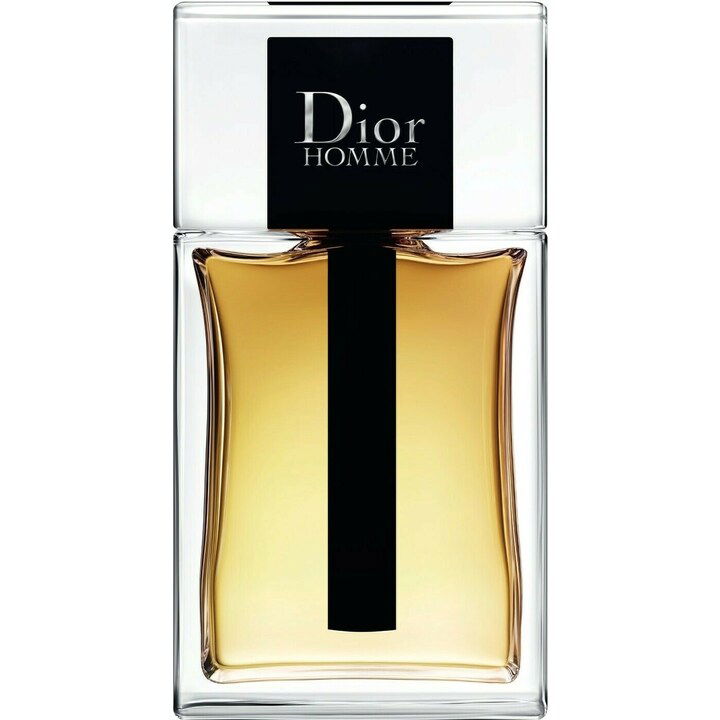
Fifteen years later, here we are with the latest reformulation of the classic. This reformulation has turned many, if not almost everything, about what defined the fragrance on its head: the defining notes of the scent have been removed, the design of the packaging and bottle has changed and is now significantly less minimalist than before - only the name remains. Many fans of the fragrance are asking: Why? I believe that to understand the reason for this, it is worth taking a look at how the house of Dior has changed in recent years. Hedi Slimane left Dior shortly after the release of the original Eau de Toilette. He took his idea of fashion with him: first to Saint Laurent, and years later to Celine. For a few years at Dior, his former assistant, Kris van Assche, took over the reins. And although the designer certainly has his own interpretation of fashion, he adopted many of Slimane's core ideas. Thus, while the fragrance line did change slightly during his time under the influence of the new in-house perfumer Francois Demachy, there were no groundbreaking revolutions. The changes at Dior became significantly larger after van Assche left his position in 2018 and was replaced by Kim Jones. Since then, Jones has been completely revamping the men's division of Dior: he renamed the brand from Dior Homme to Dior Men, the previously simple fashion is now increasingly influenced by streetwear, and the entire image of the brand has been strongly modernized.
Why is all of this relevant for this reformulation of Dior Homme? I think the old fragrance, which was based on Slimane's vision of the brand, simply no longer represented the Dior man in 2020. As unfortunate as it is, the Dior of 2005 is now far behind, and the vision of fashion in this house has changed significantly. From this perspective, it makes sense that the defining men's fragrance of the brand (by name alone) is adjusted to best represent the brand in the present - and not to stand for the vision of a designer who is now working for competing manufacturers.
But how does the new fragrance smell? Generally speaking, it clearly plays in the league of modern woody-spicy-fresh men's fragrances, as we know them from recent years with scents like Bleu de Chanel, Aventus, Terre d'Hermes, or Sauvage. Does the new Dior Homme smell like a copy of these fragrances? Not to me. It incorporates individual elements from the mentioned scents, yet the composition itself is independent. Independent, but somehow also arbitrary. Personally, I perceive the fragrance primarily as modern-woody with the scent of Iso E Super and amber - accompanied by a dry freshness that smells of lemon, but is less prominent than in Sauvage or Bleu de Chanel. Overall, the fragrance smells like a nice everyday scent for modern men - of high quality, without being intrusive, and good.
But somehow I still feel a certain dissatisfaction, and enthusiasm does not want to break out. Even in the community, the fragrance seems to be received rather moderately. Why is that? In my opinion, the redesign of the fragrance should have been bolder. The fragrance is supposed to represent the new Dior vision for men? Then it should do so properly. The fragrance deserved an independent design for the packaging and bottle, a bold scent that stands for Dior fashion in 2020, and above all, a new name. The new men's division of Dior is called Dior Men - Dior Homme is history. Why not do the same with the fragrance? This would create less confusion among average customers, less frustration among fans (who could simply leave the old original in its current form until it no longer sells), and provide a completely contemporary representation of the brand. In my opinion, Dior has missed this opportunity. Instead, we now have a new fragrance that is good but lacks its own identity and simultaneously dilutes an existing classic. What a shame!
Around the same time, the Dior Homme Eau de Toilette was also released. It clearly bears the signature of Hedi Slimane's vision: powdery iris, which he still uses in most of his fragrances today, and metrosexual, almost androgynous modern masculinity. With these characteristics, the fragrance was an exotic choice among men's perfumes at the time, and even today it remains unmistakable and unique, although the iris has since gained more popularity in men's fragrances than it did back then.
Fifteen years later, here we are with the latest reformulation of the classic. This reformulation has turned many, if not almost everything, about what defined the fragrance on its head: the defining notes of the scent have been removed, the design of the packaging and bottle has changed and is now significantly less minimalist than before - only the name remains. Many fans of the fragrance are asking: Why? I believe that to understand the reason for this, it is worth taking a look at how the house of Dior has changed in recent years. Hedi Slimane left Dior shortly after the release of the original Eau de Toilette. He took his idea of fashion with him: first to Saint Laurent, and years later to Celine. For a few years at Dior, his former assistant, Kris van Assche, took over the reins. And although the designer certainly has his own interpretation of fashion, he adopted many of Slimane's core ideas. Thus, while the fragrance line did change slightly during his time under the influence of the new in-house perfumer Francois Demachy, there were no groundbreaking revolutions. The changes at Dior became significantly larger after van Assche left his position in 2018 and was replaced by Kim Jones. Since then, Jones has been completely revamping the men's division of Dior: he renamed the brand from Dior Homme to Dior Men, the previously simple fashion is now increasingly influenced by streetwear, and the entire image of the brand has been strongly modernized.
Why is all of this relevant for this reformulation of Dior Homme? I think the old fragrance, which was based on Slimane's vision of the brand, simply no longer represented the Dior man in 2020. As unfortunate as it is, the Dior of 2005 is now far behind, and the vision of fashion in this house has changed significantly. From this perspective, it makes sense that the defining men's fragrance of the brand (by name alone) is adjusted to best represent the brand in the present - and not to stand for the vision of a designer who is now working for competing manufacturers.
But how does the new fragrance smell? Generally speaking, it clearly plays in the league of modern woody-spicy-fresh men's fragrances, as we know them from recent years with scents like Bleu de Chanel, Aventus, Terre d'Hermes, or Sauvage. Does the new Dior Homme smell like a copy of these fragrances? Not to me. It incorporates individual elements from the mentioned scents, yet the composition itself is independent. Independent, but somehow also arbitrary. Personally, I perceive the fragrance primarily as modern-woody with the scent of Iso E Super and amber - accompanied by a dry freshness that smells of lemon, but is less prominent than in Sauvage or Bleu de Chanel. Overall, the fragrance smells like a nice everyday scent for modern men - of high quality, without being intrusive, and good.
But somehow I still feel a certain dissatisfaction, and enthusiasm does not want to break out. Even in the community, the fragrance seems to be received rather moderately. Why is that? In my opinion, the redesign of the fragrance should have been bolder. The fragrance is supposed to represent the new Dior vision for men? Then it should do so properly. The fragrance deserved an independent design for the packaging and bottle, a bold scent that stands for Dior fashion in 2020, and above all, a new name. The new men's division of Dior is called Dior Men - Dior Homme is history. Why not do the same with the fragrance? This would create less confusion among average customers, less frustration among fans (who could simply leave the old original in its current form until it no longer sells), and provide a completely contemporary representation of the brand. In my opinion, Dior has missed this opportunity. Instead, we now have a new fragrance that is good but lacks its own identity and simultaneously dilutes an existing classic. What a shame!
Translated · Show original
7 Comments
I really didn't like the Iris predecessor at all.
Thanks for your comment and opinion.