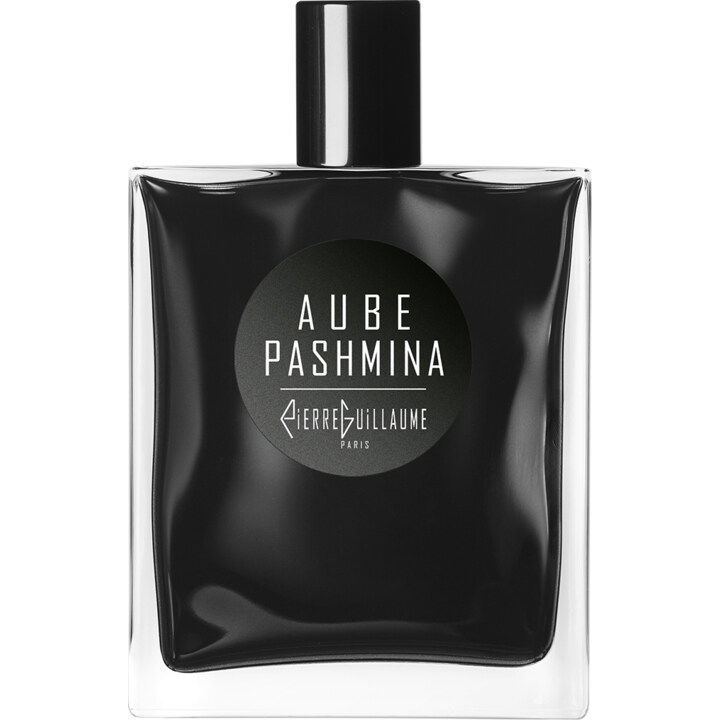
“Aube Pashmina” takes me back a few years to when my parents moved into their lovely house on the edge of town and country (and of course, I was a teenager with them). I particularly remember the lazy summer afternoons on the terrace, where I would pass the time on a lounge chair with a hefty book (it was probably Tolkien).
During this phase of life, my father still had the leisure to gather elderflowers in the nearby woods to make elderflower wine (he can’t cook at all otherwise). I should ask him for the recipe again sometime, because what I found on the internet doesn’t quite do justice to his version from back then.
If I’m not mistaken, the freshly gathered elderflowers are briefly rinsed with cold water and placed in a large glass container (is that what you call it…?), then sugar and slices of a few lemons are added, and finally filled up with mineral water without carbonation. Lid on. The whole thing is left in a bright place (not in direct sunlight) for a few days, during which a fermentation process occurs. The stems and lemon peels are then filtered out, and the refreshing drink is ready. A lightly sparkling beverage that somewhat resembles the taste of yeast. Of course, you can’t keep it for too long, as the fermentation process continues, and eventually, it just turns into vinegar.
“Aube Pashmina” (translated: the morning awakening) has exactly this effect of early summer freshness when sprayed, a hint of yeast and a lot of green. However, it’s not elderflowers that play the main role here, but cassis (berries?), pleasantly tart and almost a bit medicinal.
When I studied the fragrance notes, I thought: not again with the tomato leaves! But here they blend harmoniously into the green composition without making you think of squished tomato stems with their penetrating smell. Surely there are geraniums in there (my arch-nemesis), but surprisingly, I like them here. Also discernible: basil (not the large-leaved kind, but the Thai basil with its slight anise note).
There isn’t a significant scent progression here; the main component is soft, completely unsweet orange jasmine … which fades away only hours later. In the fragrance description, ‘Bois de Satin’ was translated as sandalwood, apparently a mistake, because orange jasmine (Murraya paniculata) is not the same and doesn’t smell quite like sandalwood (perhaps the only similarity is a certain soapiness). However, I’m not exactly sure which parts (leaves, wood?) of this plant were used. According to WP, extracts of orange jasmine are particularly used in the Asian region (Burma) for a cosmetic ointment, hence the exotic name of this creation.
“Aube Pashmina” is a cooling, somewhat soapy clean scent for the warmer seasons and completely free of the usual suspects, citrus fruits. Unique yet familiar. Well done! --------------------
edit
According to the Maître, making elderflower wine also requires a few handfuls of dry rice and a splash of vinegar right from the start. Don’t forget to filter. Cheers!