

10
Helpful Review
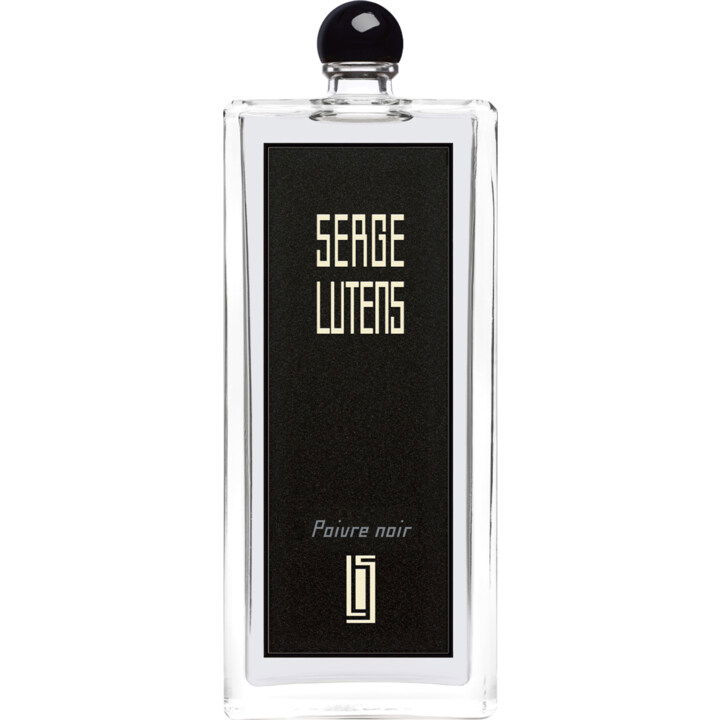
Poivre Noir / SERGE LUTENS, the false promise of darkness
I had the idea to buy a proper, pungent black pepper. Something modern, aromatic, dark, and rough that would curl my toenails. So I typed the term into Google and found a fragrance called Poivre Noir / Serge Lutens. Black pepper from the Great Gravedigger? This must be it!
* Modern pepper after 2015? Like a broken window.
Until around 2010, pepper was just kitchen pepper. A composition of natural pepper scents with flowers, woods, and amber. Nice, but predictably boring.
But have you noticed how modern pepper is made? The popularity of Molecule 01... has triggered a fashionable wave of dry synthetic fragrances. For a while, I enjoyed that, but I hope it's over. This trend has most strongly affected the classic fragrances, which perfumers have castrated into a simple, dry, burning molecule.
This has proven to be a nice thing that can be used as a tingling wake-up call for the senses in many fragrances. Suddenly, this dry, incense-flavored pepper was everywhere. That was a nice refreshment.
Only: it wasn't enough for a pepper fragrance as such. You can't make a proper perfume from a single molecule. Beauties like the spicy-airy Poivre Samarcande / HERMÉS or the cutting black Piper Nigrum / VILLORESI are, although they call themselves "soliflor of pepper" (What is... Soliflor? HERE), complex compositions full of ingredients like mint, paprika, various woods, heaps of spices...
Not that there aren't enough pepper perfumes already. But synthetic pepper smells like shards of glass. Thanks, we've had enough, and let's move on.
* Pepper after 2020: like peppered wood.
The synthetics have only cleared the field for other synthetics: Cashmeran, Ambroxan, and their family. Ingredients that the young love and that the old can hardly tolerate. But when it comes to pepper, the sweet-woody, balsamic, soft components fit in, that's what can elevate pepper (in the right proportions) to a pedestal. Even if many of us smell the polish on the leather seats in it.
Consider this lesson as a guide to finding the perfect pepper fragrance for you - look at the year of creation.
* The return of the lost pepper at Caron
Before we get to Lutens, let's mention the revival of the old famous pepper from Caron.
The perfumer had quite a difficult task: he didn't have the old ingredients that have long been banned, but even today, no one would want such a fragrance (believe me, I have it - it's full of patchouli and "dirt," the inedible substances that perfumers used to not know how to remove from the ingredients). He had to preserve the luxury of the scent, some of the tradition, but design the perfume so that today's customers would buy it, not just me and a few other desperados from our perfume circle. He succeeded. He didn't overdo it with the Cashmeran. I love it!
* How does Poivre Noir / Serge Lutens smell?
Only in July, when it was hottest, did I have time to visit the Lutens boutique and try Poivre Noir. And the heat definitely influenced how I perceive the fragrance.
The beginning is abrupt. Kitchen pepper, black, freshly ground pepper with a drop of asphalt in the sun and a hint of Arabic oud with saffron. Plus a touch of green peppercorns. Just like that, without sauce. A sarcastic, strict pepper, not entirely dry, but masculine. With enormous presence. When the boutique assistant gave me a spritz, I gasped: Oui, c'est ça!
The saleswoman was just about to close the bottle when the sharpness transitioned into sweetness, so I asked her for a sample and thought I would give Sergeant Pepper Thick some time. I sprayed myself on skin and clothing, went out into the blazing Paris, and sat down with my husband for a coffee in the arcades opposite the Palais Royal.
Outside it was 35 degrees, in the passage a bearable 28 degrees, and when they brought me a glass, a certain spicy green (green pepper) had settled in, and most of the pepper had escaped into space (besides, one wonders where all these evaporated perfume molecules end up? They must be somewhere - on Mars? Or are they falling to the South Pole?)
What remained was a sweet, general balsamic scent with a very faint hint of spices, especially saffron. Not bad, but where is the black, sarcastic guy who embraced me when I left the boutique in the arcade? At that point, I couldn't say exactly what I was wearing. Nice, but anonymous. A Montale? How long has it been - an hour, an hour and a half?
On textiles, the scent develops much slower. I wear fragrances on my clothing, not on my skin, more on that another time, so I have no problem with that. But even there, the balsamic components eventually broke down, and in the finale, the notes from the modern amber group of Cashmerans emerged. Unwashed from the clothing. Oh, yes. Why can't it stay like it was at the beginning?
* The similarity to Caron is purely coincidental?
On Fragrantica, I first gave it a thumbs down for not being similar to Caron. Half an hour later, when I wanted to turn it around, it was indeed. They meet very much in the transitional phase from pepper to amber to wood. Only that Caron Poivre Sacré retains its strength and peppery fullness for a long time in the main phase, while Lutens diminishes, empties, and fades. So I lowered the thumb again.
I think the similarity is really coincidental. The original pepper from Caron, the 100-year-old one, inspired a whole later perfumery. The appearance of any perfume depended on what ingredients the perfumer sourced, how good the quality was, and how well his nose and imagination served him.
But today is a different time. Synthetic ingredients have been standardized, and marketing says to choose those that appeal to the customers. Anyone wanting to create a peppery perfume today cannot avoid the Cashmeran group. And it is so distinctive and unique that it leads to "everything smelling the same today." I think if Caron and Lutens could avoid this, their peppercorns would be different. But unfortunately, they can't today.
On the other hand, the decision was easy for me: Caron is a much, much better pepper - refined, complex, much deeper, with greater presence and longevity. Unlike Lutens, it has the WOW effect - a niche brand that doesn't belong to any corporation, has its own playful (and good-looking) perfumer, something to impress your girlfriends with. The only thing it lacks is a black opening quarter. But that's not enough.
I don't need two almost identical perfumes, and I have the better of the two.
* Modern pepper after 2015? Like a broken window.
Until around 2010, pepper was just kitchen pepper. A composition of natural pepper scents with flowers, woods, and amber. Nice, but predictably boring.
But have you noticed how modern pepper is made? The popularity of Molecule 01... has triggered a fashionable wave of dry synthetic fragrances. For a while, I enjoyed that, but I hope it's over. This trend has most strongly affected the classic fragrances, which perfumers have castrated into a simple, dry, burning molecule.
This has proven to be a nice thing that can be used as a tingling wake-up call for the senses in many fragrances. Suddenly, this dry, incense-flavored pepper was everywhere. That was a nice refreshment.
Only: it wasn't enough for a pepper fragrance as such. You can't make a proper perfume from a single molecule. Beauties like the spicy-airy Poivre Samarcande / HERMÉS or the cutting black Piper Nigrum / VILLORESI are, although they call themselves "soliflor of pepper" (What is... Soliflor? HERE), complex compositions full of ingredients like mint, paprika, various woods, heaps of spices...
Not that there aren't enough pepper perfumes already. But synthetic pepper smells like shards of glass. Thanks, we've had enough, and let's move on.
* Pepper after 2020: like peppered wood.
The synthetics have only cleared the field for other synthetics: Cashmeran, Ambroxan, and their family. Ingredients that the young love and that the old can hardly tolerate. But when it comes to pepper, the sweet-woody, balsamic, soft components fit in, that's what can elevate pepper (in the right proportions) to a pedestal. Even if many of us smell the polish on the leather seats in it.
Consider this lesson as a guide to finding the perfect pepper fragrance for you - look at the year of creation.
* The return of the lost pepper at Caron
Before we get to Lutens, let's mention the revival of the old famous pepper from Caron.
The perfumer had quite a difficult task: he didn't have the old ingredients that have long been banned, but even today, no one would want such a fragrance (believe me, I have it - it's full of patchouli and "dirt," the inedible substances that perfumers used to not know how to remove from the ingredients). He had to preserve the luxury of the scent, some of the tradition, but design the perfume so that today's customers would buy it, not just me and a few other desperados from our perfume circle. He succeeded. He didn't overdo it with the Cashmeran. I love it!
* How does Poivre Noir / Serge Lutens smell?
Only in July, when it was hottest, did I have time to visit the Lutens boutique and try Poivre Noir. And the heat definitely influenced how I perceive the fragrance.
The beginning is abrupt. Kitchen pepper, black, freshly ground pepper with a drop of asphalt in the sun and a hint of Arabic oud with saffron. Plus a touch of green peppercorns. Just like that, without sauce. A sarcastic, strict pepper, not entirely dry, but masculine. With enormous presence. When the boutique assistant gave me a spritz, I gasped: Oui, c'est ça!
The saleswoman was just about to close the bottle when the sharpness transitioned into sweetness, so I asked her for a sample and thought I would give Sergeant Pepper Thick some time. I sprayed myself on skin and clothing, went out into the blazing Paris, and sat down with my husband for a coffee in the arcades opposite the Palais Royal.
Outside it was 35 degrees, in the passage a bearable 28 degrees, and when they brought me a glass, a certain spicy green (green pepper) had settled in, and most of the pepper had escaped into space (besides, one wonders where all these evaporated perfume molecules end up? They must be somewhere - on Mars? Or are they falling to the South Pole?)
What remained was a sweet, general balsamic scent with a very faint hint of spices, especially saffron. Not bad, but where is the black, sarcastic guy who embraced me when I left the boutique in the arcade? At that point, I couldn't say exactly what I was wearing. Nice, but anonymous. A Montale? How long has it been - an hour, an hour and a half?
On textiles, the scent develops much slower. I wear fragrances on my clothing, not on my skin, more on that another time, so I have no problem with that. But even there, the balsamic components eventually broke down, and in the finale, the notes from the modern amber group of Cashmerans emerged. Unwashed from the clothing. Oh, yes. Why can't it stay like it was at the beginning?
* The similarity to Caron is purely coincidental?
On Fragrantica, I first gave it a thumbs down for not being similar to Caron. Half an hour later, when I wanted to turn it around, it was indeed. They meet very much in the transitional phase from pepper to amber to wood. Only that Caron Poivre Sacré retains its strength and peppery fullness for a long time in the main phase, while Lutens diminishes, empties, and fades. So I lowered the thumb again.
I think the similarity is really coincidental. The original pepper from Caron, the 100-year-old one, inspired a whole later perfumery. The appearance of any perfume depended on what ingredients the perfumer sourced, how good the quality was, and how well his nose and imagination served him.
But today is a different time. Synthetic ingredients have been standardized, and marketing says to choose those that appeal to the customers. Anyone wanting to create a peppery perfume today cannot avoid the Cashmeran group. And it is so distinctive and unique that it leads to "everything smelling the same today." I think if Caron and Lutens could avoid this, their peppercorns would be different. But unfortunately, they can't today.
On the other hand, the decision was easy for me: Caron is a much, much better pepper - refined, complex, much deeper, with greater presence and longevity. Unlike Lutens, it has the WOW effect - a niche brand that doesn't belong to any corporation, has its own playful (and good-looking) perfumer, something to impress your girlfriends with. The only thing it lacks is a black opening quarter. But that's not enough.
I don't need two almost identical perfumes, and I have the better of the two.
Translated · Show original