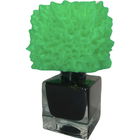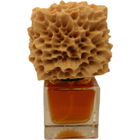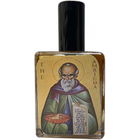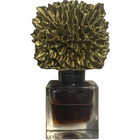


 Omani green frankincense
 Pine
 Ambrette root
 Boswellia papyrifera
 Orris root
 Ambergris
 Black frankincense
 Deer musk
 Frankincense
 Hay
 Sandalwood
 Styrax
 Tonka bean absolute
 Vanilla
 Black pepper
 Galbanum
 Bitter almond
 Tobacco

Floyd
694 Reviews
Translated · Show original

Floyd
Top Review
47
Records of Cave Visitors
When we entered this cave, there was the flickering of moldy roots, a pale shine of sweet crystals in misty lichens on damp rock. There was the smell of dusty clay like patina everywhere on the walls, a distant murmuring of sleeping animals and the whispering of salty seaweed. Joe had some dark visions and told me to write them down, but they vanished from my thoughts like cold incense in the crevices of the rocks. They fell chestnut brown onto dark floors, into hay fibers on rough earth that still bore traces of foreign sea creatures and dark wood veins. A cool breeze from the pines outside made the remaining images fade away. Joe had somehow left the place; I must have really been there.
**
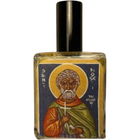
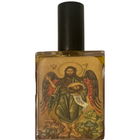
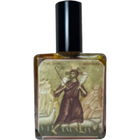
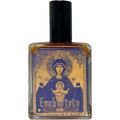
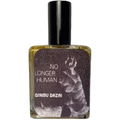
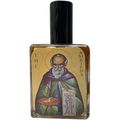
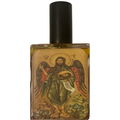
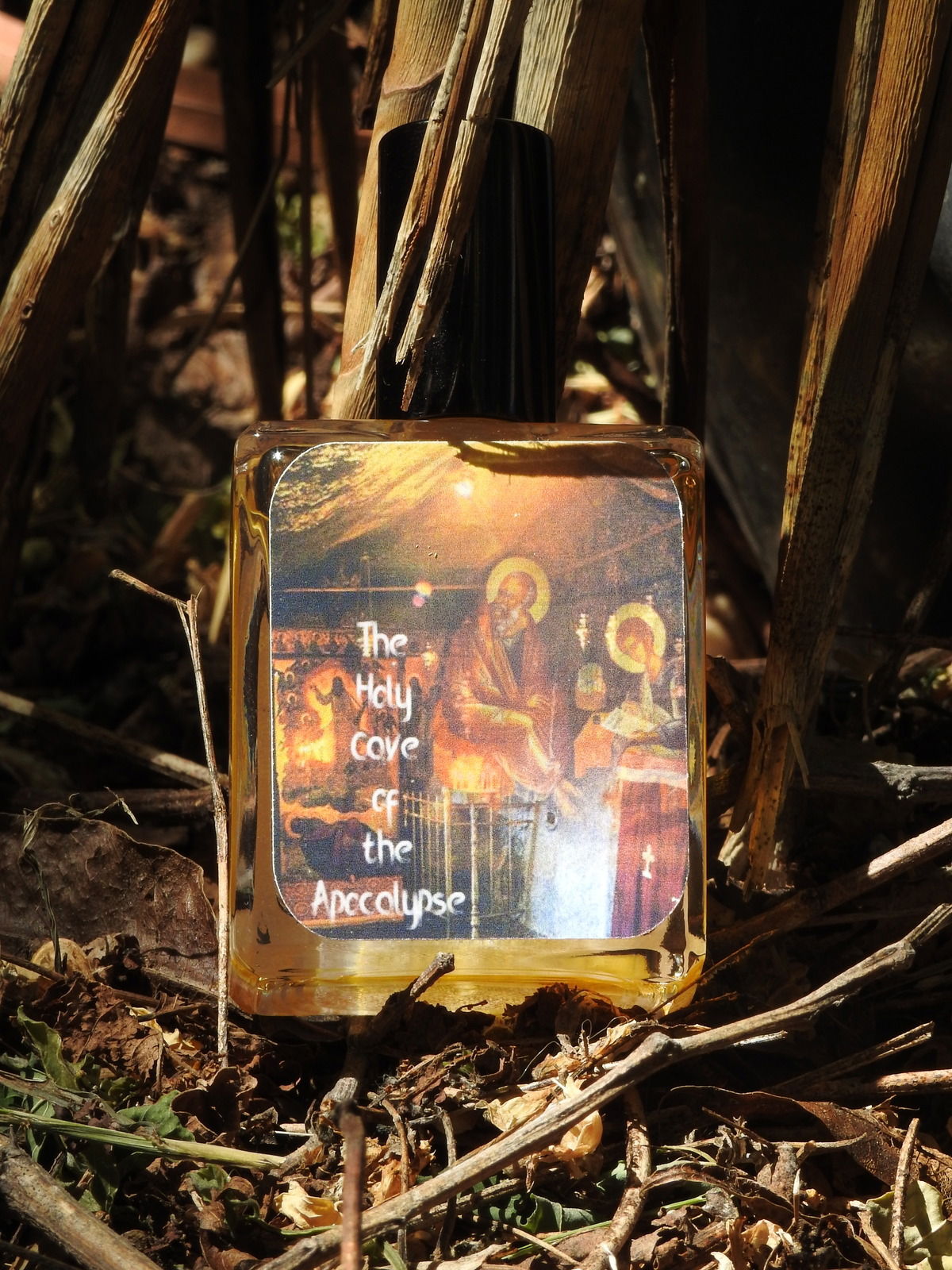
The art of Weston Adams, who lives in Saint Louis, Missouri, takes many forms, from music collages and experimental short films about philosophy, a book on ideology and understanding, to his attempt to reach the roots of olfactory imagination through scents. Religious motifs surprisingly recur in his work. One such motif appears in "The Holy Cave of the Apocalypse," in which he addresses the cave of the same name on Patmos, where John the Theologian is said to have dictated the Revelation to his student Prochorus in 95 AD.
Accordingly, the cave visit begins with all sorts of root networks, earthy-damp, moldy, clay-dusty (iris root), almost powdery, sprinkled with sweet vanilla and ambered incense crystals (especially Omani and black), and subtly warm-animalic (ambrette root, deer musk). One truly believes they are standing in a misty cave, whose walls still bear a veil of incense, although the slightly moldy clay and increasingly seaweed-like salty musk aromas of the amber prevail. Towards the base, a diffuse fog develops, becoming dark-earthy (galbanum, tobacco, sandalwood), spicy-nutty (hay, bitter almond, pepper) with a hint of bright pine woods. Thus, the rather faded records of the cave visit come to an end after a few hours.
(With thanks to PerfumeAl)
Updated on 06/02/2025
44 Comments
 booonbooon
 cesardiosXO
 Trog
 Loony66
 FrauKirsche