

 Immortelle
 Labdanum
 Thyme
Thyme Birch
Birch07/29/2022

Intersport
115 Reviews
Translated · Show original

Intersport
Top Review
23
Detour X: Is it necessary?
The Parisian neo-retro-bourgeois ceramic & co house Astier de Villatte, founded in 1996, has already given several locations a fictional olfactory footnote with a series of 'location-based' incense sticks, and has scored points with fine Eau-de-Cologne-like scents, all created by Françoise Caron. Many thanks to Erno for the link! With Tucson, they are attempting to break new ground. An Eau de Parfum instead of a Cologne, Alexandra Monet instead of Françoise Caron, and, as the name and typography suggest: Far West. Hmmm. I like many things related to dry, somewhat barren landscapes. Hinterland Eaux, Garrigue scents, Macchia perfumes, desert waters.
Tucson, Arizona, Almanac of the Dead, Leslie Marmon Silko... North American desert landscapes and their vegetation have increasingly become the starting point for independent, experimental, and commercial perfumery in recent years. Desert Resin (?) or El Cosmico (2015) embody these coordinates impressively, among others. Olympic Orchids' scent with the same name 'Tucson' (2010) is also dedicated to this location. Astier de Villatte's Tucson seeks a connection to these geographies, only it names - and uses - deeply Mediterranean ingredients for this purpose. Immortelle, labdanum, thyme, or birch tar.
Tucson opens with this four-part harmony, where birch tar and labdanum are initially leading, with basil and cinnamon-like notes resonating, as well as a spirited note, similar to slightly smoky mezcals. Here, the scent resembles Olivia Giacobetti's peculiar 'Chaman's Party' (2008) with its tarry incense note. The combination of high-proof spirits + labdanum, birch, immortelle also refers to Histoires de Parfums' 1740 (2000), but Tucson remains drier, more reduced, and herbaceous. The birch tar note is gradually replaced by a bitter-spicy immortelle note; it seems that actual immortelle absolute is quite unabashedly at work here; often its bitter facets are deliberately softened, only L'Innommable (2018) relied on this aspect for a brief moment, which I could otherwise only smell directly in LMR's immortelle absolute. Aside from the mezcal note, Tucson's profile is - especially due to the mentioned ingredients - more of a rustic, scratchy Mediterranean cistus hinterland creation than a coherently staged Far West news. In the press text, the ceramic gentlemen switch between Arizona's dunes, cacti, and again maquis or '...shrub[s] from Mediterranean countries' - deliberate misinformation, mezcal-induced sloppiness, or just PR flair?
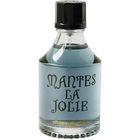
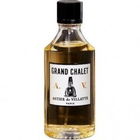
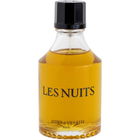
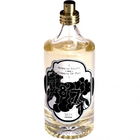
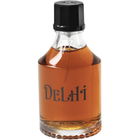
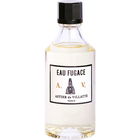
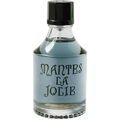
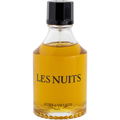
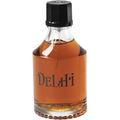
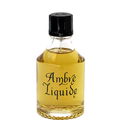
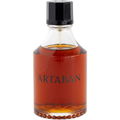
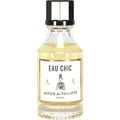
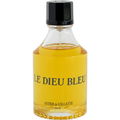
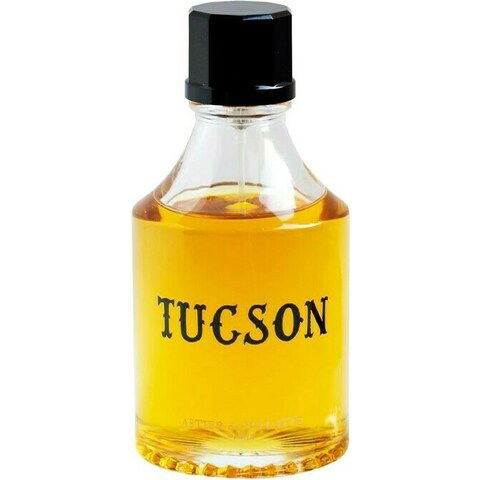
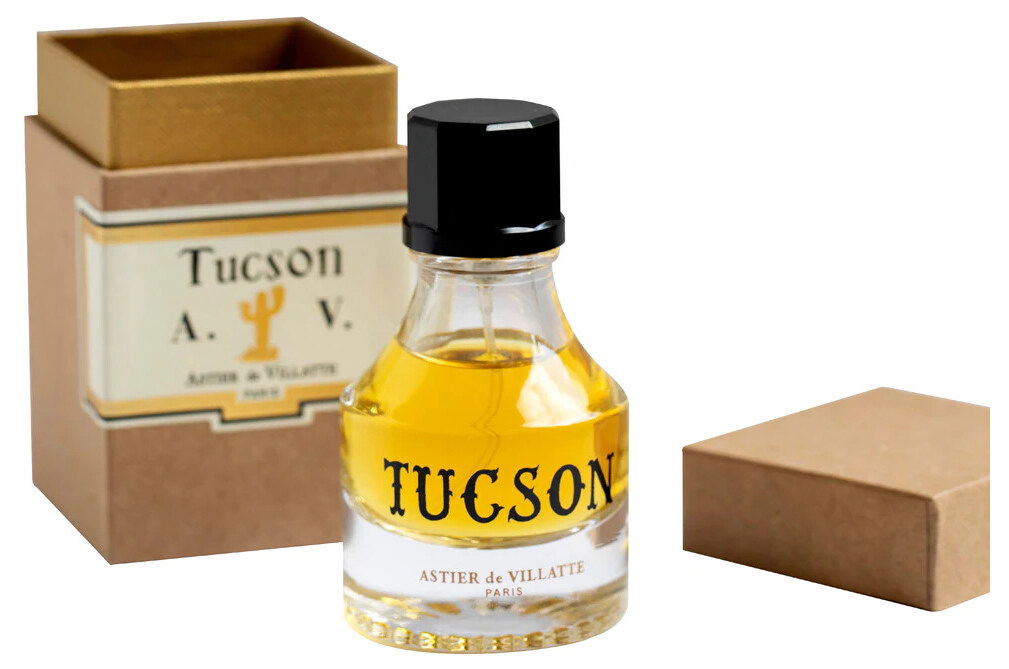
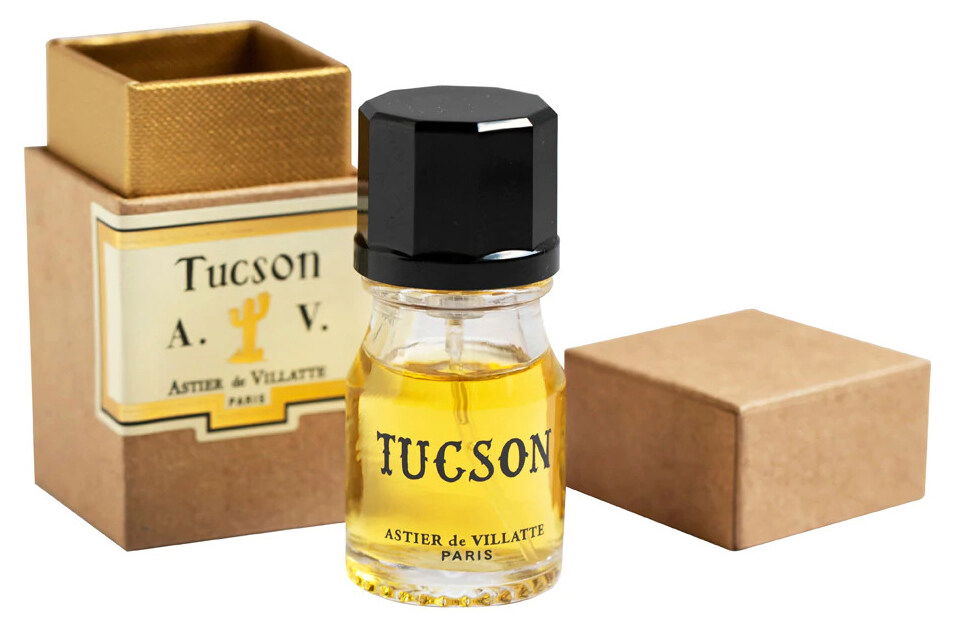
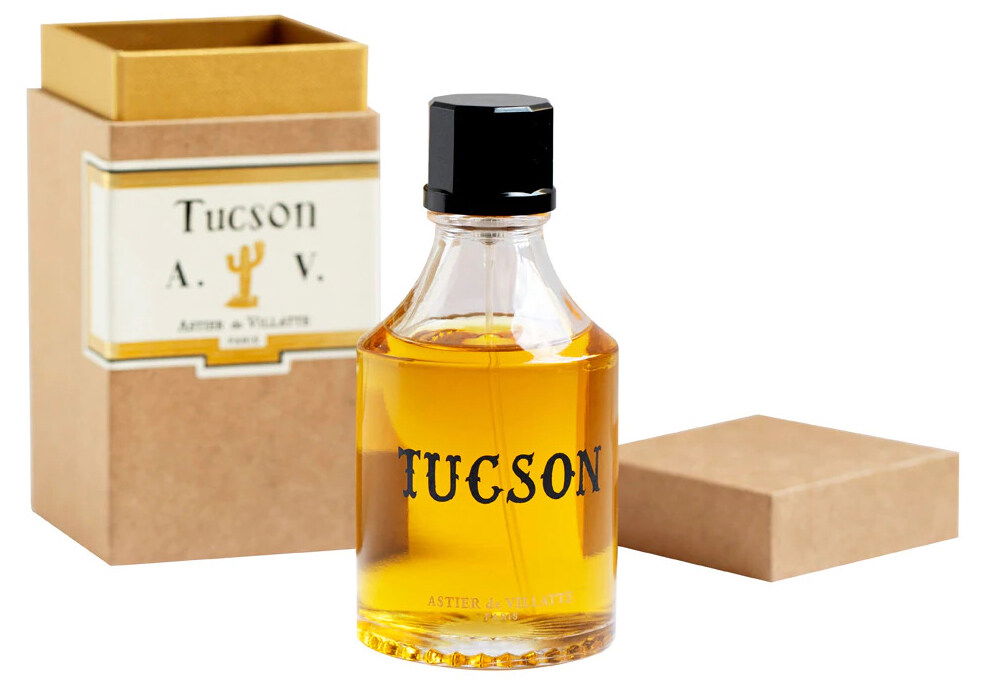
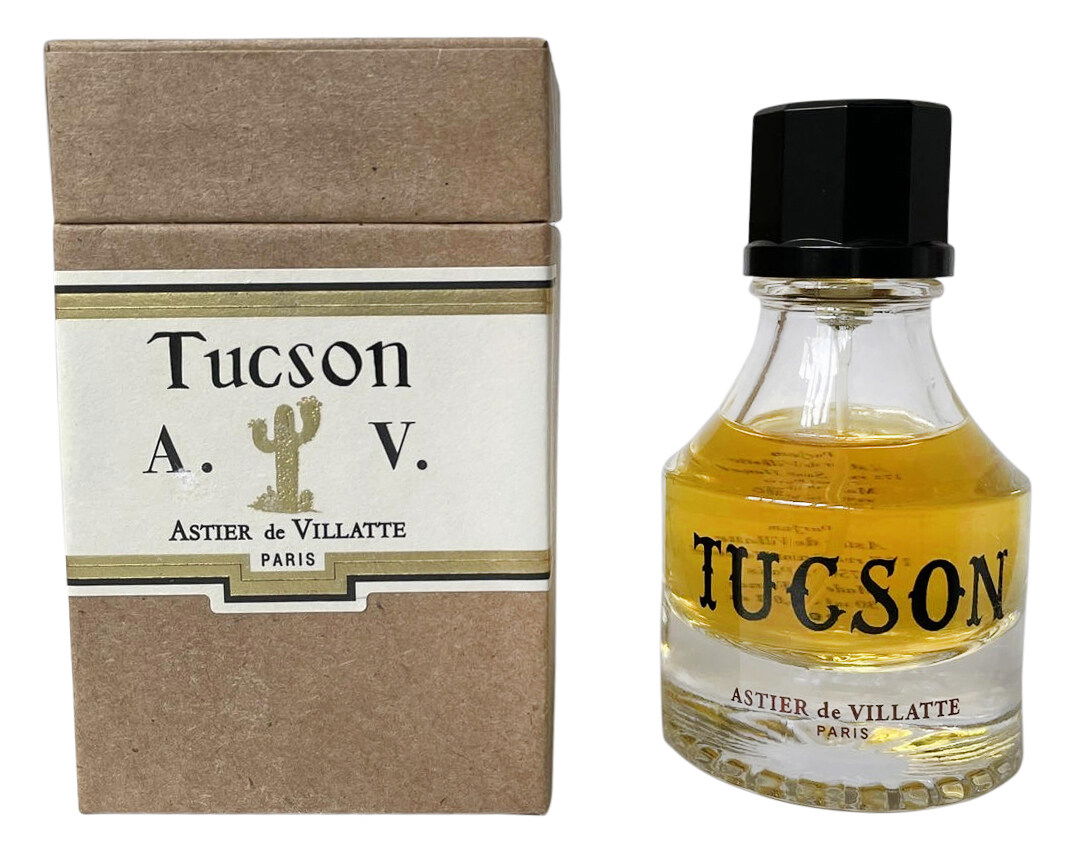
Tucson may also be one of the few fragrances that FIRST appeared as incense sticks and then as an Eau de Parfum. The opposite direction was taken by Comme's Series 3: Incense (2002), when a few years after the release of the five scents, incense stick versions were launched. Astier de Villatte's design expertise ultimately pays off in the bottle: I haven't seen such a fine compact form in a long time, which works astonishingly well in all sizes of 10, 30, and 100 ml due to its proportions. Even if Tucson as a perfume may have a bit too little development, is a bit too 'rough', and I wonder if the Arizona detour is really necessary, it is certainly a solid, summery, hot overall accord.
Tucson, Arizona, Almanac of the Dead, Leslie Marmon Silko... North American desert landscapes and their vegetation have increasingly become the starting point for independent, experimental, and commercial perfumery in recent years. Desert Resin (?) or El Cosmico (2015) embody these coordinates impressively, among others. Olympic Orchids' scent with the same name 'Tucson' (2010) is also dedicated to this location. Astier de Villatte's Tucson seeks a connection to these geographies, only it names - and uses - deeply Mediterranean ingredients for this purpose. Immortelle, labdanum, thyme, or birch tar.
Tucson opens with this four-part harmony, where birch tar and labdanum are initially leading, with basil and cinnamon-like notes resonating, as well as a spirited note, similar to slightly smoky mezcals. Here, the scent resembles Olivia Giacobetti's peculiar 'Chaman's Party' (2008) with its tarry incense note. The combination of high-proof spirits + labdanum, birch, immortelle also refers to Histoires de Parfums' 1740 (2000), but Tucson remains drier, more reduced, and herbaceous. The birch tar note is gradually replaced by a bitter-spicy immortelle note; it seems that actual immortelle absolute is quite unabashedly at work here; often its bitter facets are deliberately softened, only L'Innommable (2018) relied on this aspect for a brief moment, which I could otherwise only smell directly in LMR's immortelle absolute. Aside from the mezcal note, Tucson's profile is - especially due to the mentioned ingredients - more of a rustic, scratchy Mediterranean cistus hinterland creation than a coherently staged Far West news. In the press text, the ceramic gentlemen switch between Arizona's dunes, cacti, and again maquis or '...shrub[s] from Mediterranean countries' - deliberate misinformation, mezcal-induced sloppiness, or just PR flair?
Tucson may also be one of the few fragrances that FIRST appeared as incense sticks and then as an Eau de Parfum. The opposite direction was taken by Comme's Series 3: Incense (2002), when a few years after the release of the five scents, incense stick versions were launched. Astier de Villatte's design expertise ultimately pays off in the bottle: I haven't seen such a fine compact form in a long time, which works astonishingly well in all sizes of 10, 30, and 100 ml due to its proportions. Even if Tucson as a perfume may have a bit too little development, is a bit too 'rough', and I wonder if the Arizona detour is really necessary, it is certainly a solid, summery, hot overall accord.
11 Comments
 Holscentbar
 AlexD76
 Eggi37
 Floyd
Floyd Gandix
 Jeob
Jeob Yatagan
 Spatzl
 ParfumAholic
 Anarlan