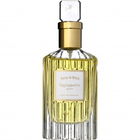
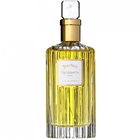
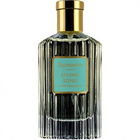
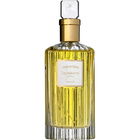
When I read the year of creation of this fragrance (regardless of the fact that this scent has, of course, also been reformulated, revised, and adjusted), it struck me like lightning: 1891 is the year of the creation of Frank Wedekind's famous, notorious "children's tragedy" Spring Awakening, which caused an enormous uproar at the time and has always seemed to me an important turning point in modern literature: Young people break under the moral code of the time, under educational constraints and sexual ignorance. Their lives ultimately end in death and despair. The work itself transcends naturalism, foreshadows literary expressionism, and carries symbolist-romanticizing traits.
What does all this have to do with a fragrance that just happens to have been composed in the same year? I do not believe in coincidences in this regard. Just as the visual arts, music, philosophy, and worldviews of a particular era are interconnected, one should also suspect the mentality of its time behind every fragrance composition, reflecting the fashions and preferences of a generation. This was true for the harsh or musky scents of the 70s, for the sometimes highly complex fragrances of the 80s, the freshness and sport wave of the 90s, and the recent oud trends. Behind a fashion lies the spirit of the times, a mentality shaped by discourses in politics, economics, art, and philosophy.
If we base our assumptions on this thesis, then the influence of worldviews should also apply to fragrances. The perfumes and colognes of the 70s were not coincidentally musky; they aimed to reflect the sexual liberation of that generation in erotically charged scents. The fragrances of the 80s were not coincidentally elaborate and extravagant; they mirrored a time that celebrated the primacy of economic success like no other before. The scents of the 90s were not for nothing clear, fresh, and strict; these years marked a time when a new objectivity entered politics, style, and the essence of fashion, making opulent or erotically charged fragrances no longer fitting. What the current oud trend signifies, I hereby put up for discussion.
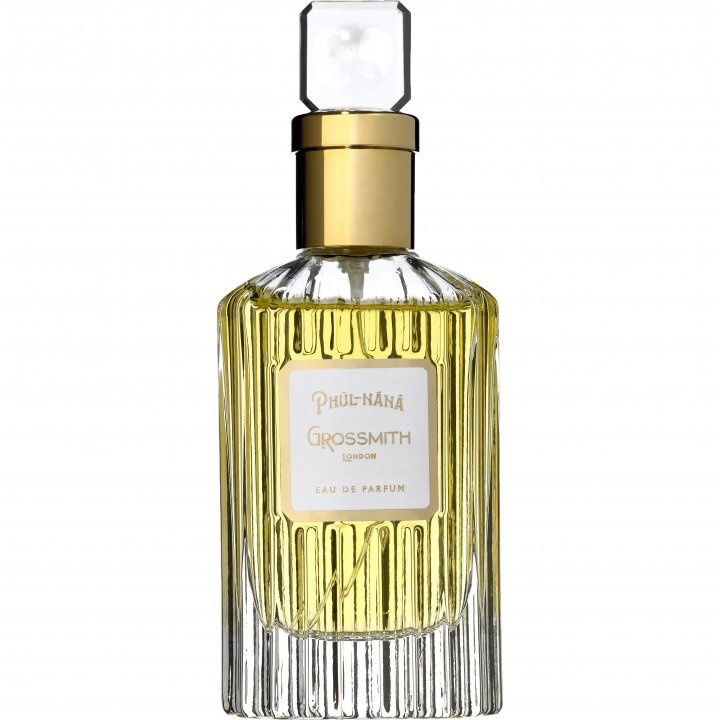
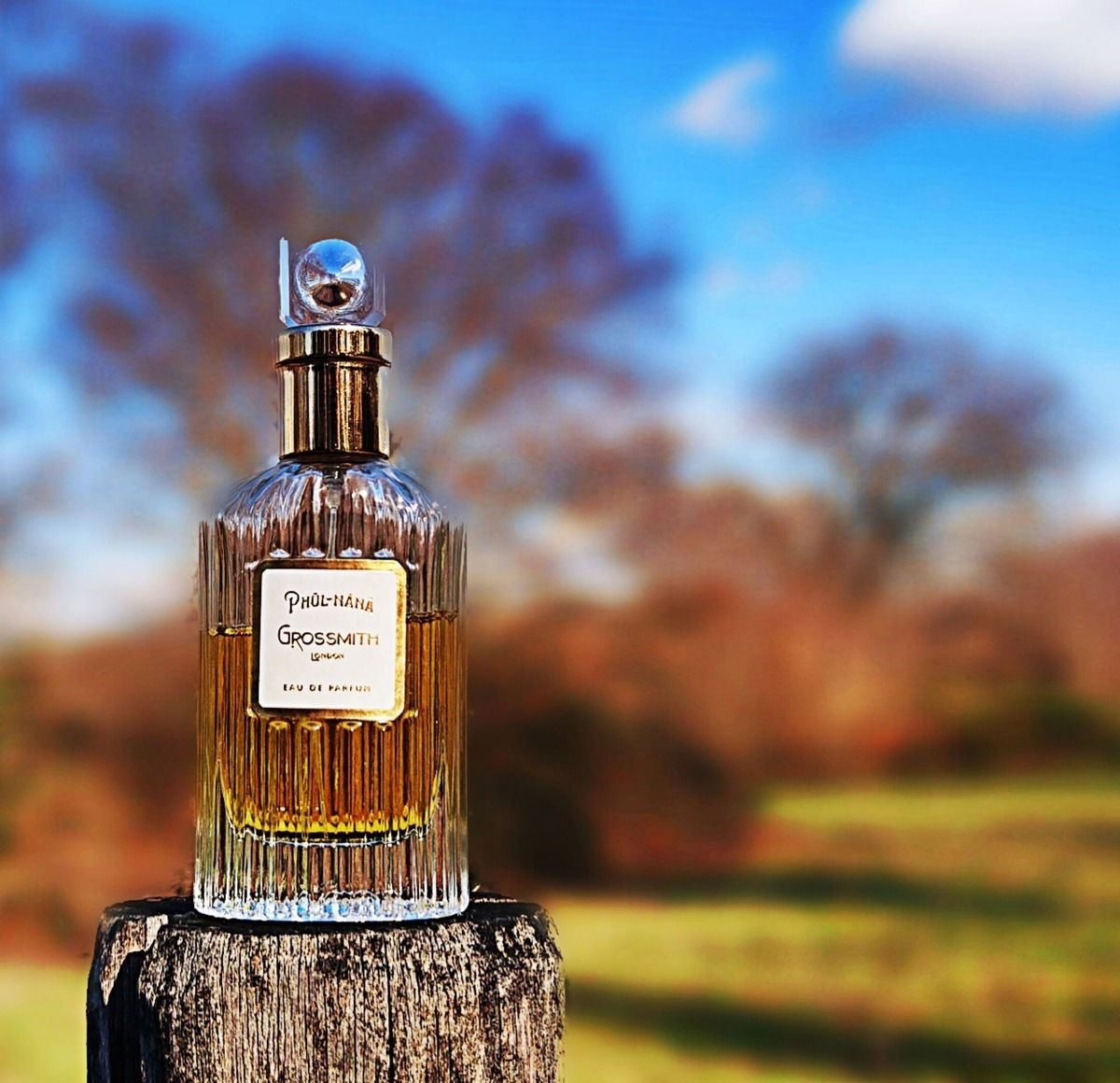
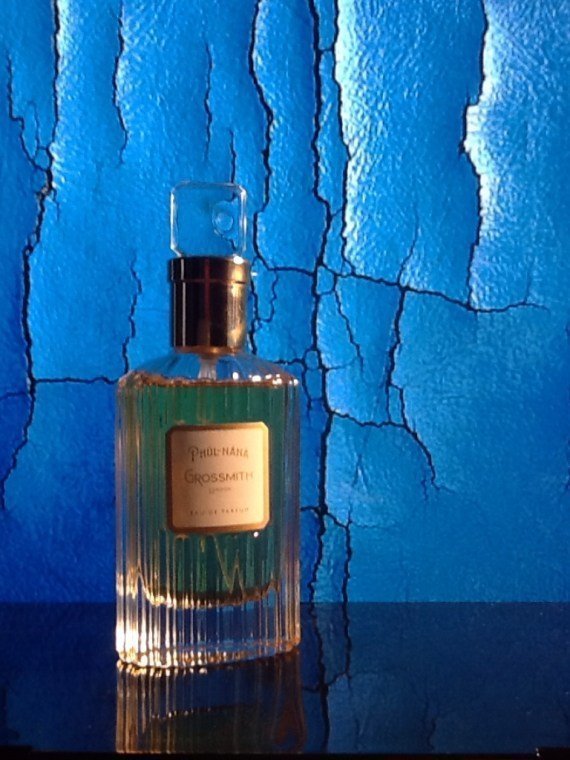
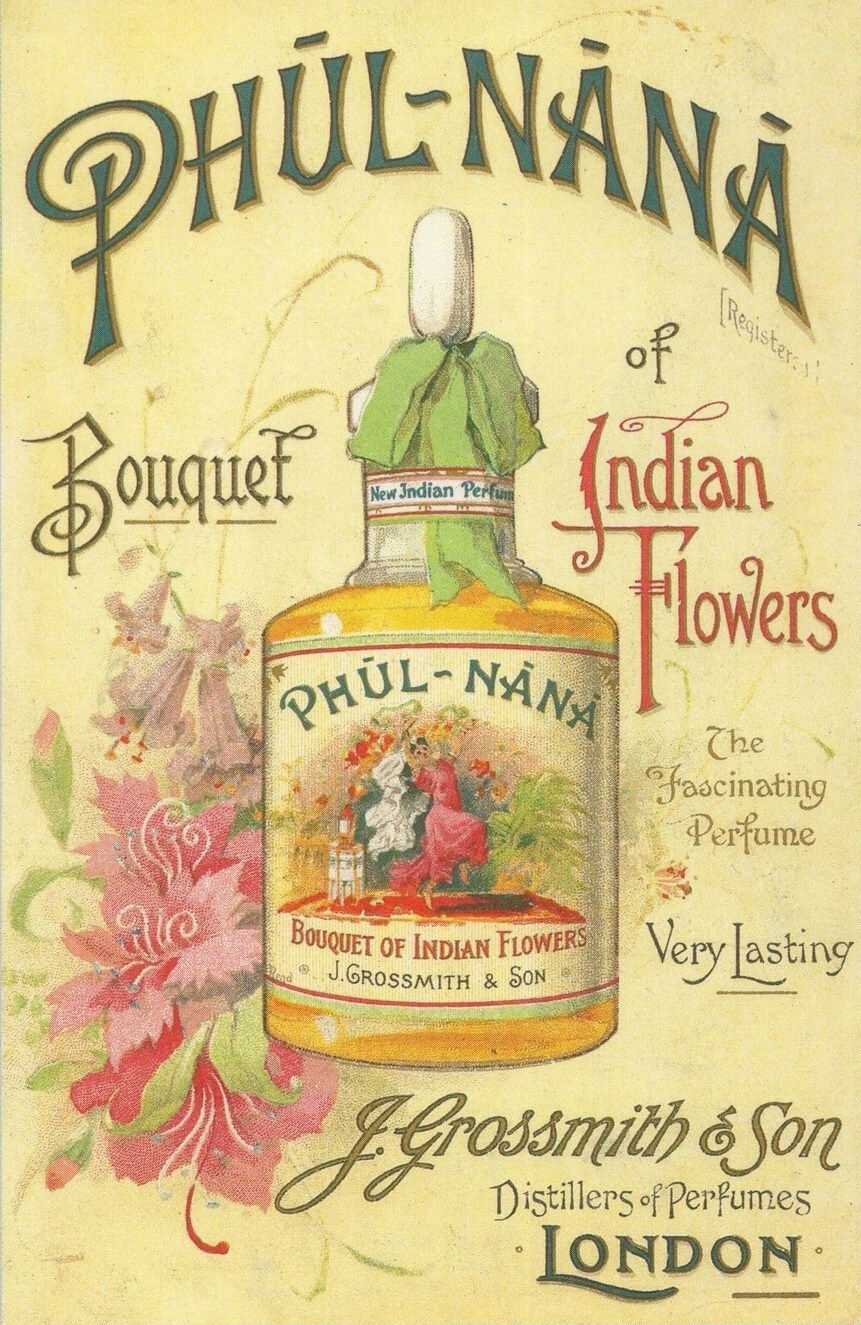
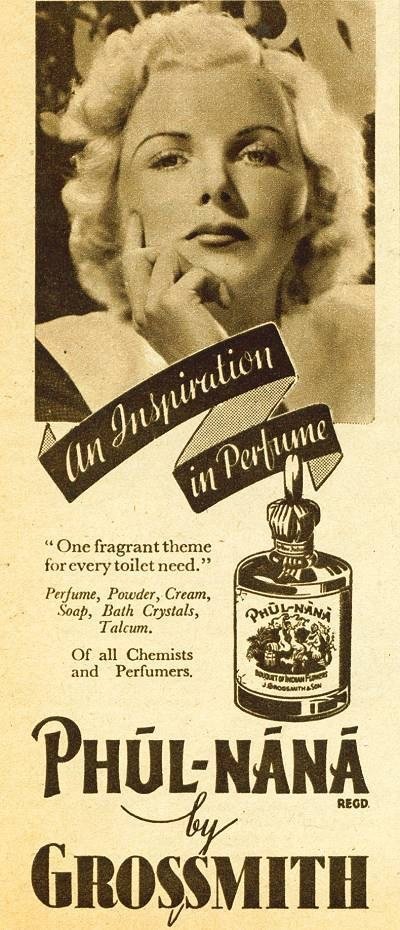
Assuming that Phul-Nana has not been completely reformulated but has been recomposed according to old recipes, adapted to today but with a look back to the past, to the year 1891, then Phul-Nana - alongside many English colognes - would be one of the oldest fragrances on the market; personally, I would prefer to place its year of creation more in the present, but I can come to terms with the idea that the fragrance still carries the character of the penultimate century: the year 1891.
But what happened in 1891? A look into the history books is not always enlightening: They can reveal much about political developments in the imperial era, in the time after the Franco-Prussian War of 1870/71, but they tell little about the state of mind of the people of that time, and even less about the fashions, preferences, thought, and behavior patterns of those years. A look into old newspapers may be more revealing, especially if they already contained advertisements at the time, as these say more about people's desires than all factual representations, news, or reports.
However, it becomes truly exciting when considering literature. Many historians agree: Mentality history becomes tangible through everyday culture, through what moved people in their personal conversations, worries, and troubles - and such ideas may be preserved for posterity nowhere better than in literature, which is indeed a mirror of its time, articulating current trends pointedly and often addressing precisely what begins to move people: the new.
Assuming all this is true, and further assuming that the reader wishes to follow me, one could derive the following from the literature of the time:
On the one hand, 1891 was still the time of naturalism, the exact depiction of external and inner processes, the harsh portrayal of social hardships, magnified like in a burning glass: at times shocking descriptions of poverty, alcoholism, social determinism. Gerhard Hauptmann's "The Weavers" was published in 1892, socially and politically revolutionary and new. Yet, parallel to this, the works of a generation of writers emerged who established a counter-movement, serving as the voice of another generation that brought forth stronger symbolist and romantic tendencies. Wedekind's "Spring Awakening" is full of mystical allusions, sexual ambiguities, anger at the bourgeois constraints of the time, an indictment against the moral standards of the bourgeoisie before the turn of the century, which demanded its victims, in this case even among children or adolescents.
A fragrance that aimed to reflect this worldview, which was in the process of emerging, had to possess an erotic, a powerful, a liberating component. After a fresh, bright opening, Phul-Nana reveals beneath the surface the darkness, the eroticism, the intensity: Patchouli soon becomes noticeable, carrying through to the end, while tuberose, "the siren of the perfume world," provides sexual charge, similar to the other floral scents, which appear somewhat restrained by the dark patchouli. This acts like the tight dress around a beautiful body, like an exquisite veiling of the tuberose with all its erotic implications. At the same time, patchouli also has its exotic-erotic connotations; it is almost like olfactory dialectics: one fragrant argument negates the other and elevates it to a higher level.
The base is designed to be powerful and lush, with everything needed for a grand entrance. Not that one could still perceive all the heavy notes of benzoin, vanilla, tonka bean, and sandalwood beneath the tuberose and patchouli. However, they provide a base that showcases and stabilizes the lightly veiled beauty of the tuberose-patchouli composition: powerful and beautiful at the same time.
The fragrance is undoubtedly a great achievement. Whether one truly wants to spend as much money as the manufacturer demands is something everyone must answer for themselves. I will settle for a decant.
What is clear to me, however, is that the fragrance perfectly reflects the mood of the time: The beginning of a rebellion against the moral constraints of the waning century, which made people prisoners of their own sexuality, prisoners of societal norms, and could lead to terrible suffering. Making this public, writing against it, and ideally preventing it was the intention of writers like Wedekind. He, like many who were born too early, did not succeed immediately, but only in his aftermath, which is hardly to be overestimated. Psychology, sociology, and educational sciences only later traced or received what a few awake minds already knew in 1891.
Phul-Nana embodies all of this in a fragrance. One may call this exaggerated, misinterpreted, or overstated. I gladly stand by that.
Dedicated to Dieter Kafitz





 Top Notes
  Neroli
 Orange
 Bergamot
 Heart Notes
  Geranium
 Tuberose
 Ylang-ylang
 Base Notes
  Patchouli
 Benzoin
 Bourbon vanilla
 Cedarwood
 Opoponax
 Sandalwood
 Tonka bean














 DorothyGrace
 Clark70000
 ElAttarine
 FrauKirsche
 Gandix
 Turandot
 Violett
 Kovex
Kovex Smoetn
 Can777