

 Top Notes
  Bergamot
 Black pepper
 Elemi resin
 Lemon
Lemon Heart Notes
  Nagarmotha
 Leather
 Lily of the valley
 Oakmoss
 Base Notes
  Cedar
Cedar Vetiver
 Amber
Amber Musk
Musk Patchouli

NuiWhakakore
110 Reviews
Translated · Show original

NuiWhakakore
Top Review
35
Eldorado
It was a long journey up here, a path filled with great sacrifices. He had been traveling in the highlands of the Andes for over 2 years, always in search. Machu Picchu was discovered by chance (1), so he could surely find his personal Eldorado as well. He had lost almost everything on this quest: his guides, porters, pack animals. Now he sat alone on another nameless plateau, watching the sunrise.
Wrapped in his wool blanket, he defied the fresh mountain air, which rose unusually aromatic to his nose, considering the sparse vegetation. The remnants of his fire still hung in the air, or had it by now become a solid part of his blanket, his beard, his hair, perhaps even of himself? He could no longer remember ever having smelled differently. One last log lay in the embers, crackling and sending resinous sparks into the still dark sky.
In the valley, there was fog, but up here the view was clear. The first light of day timidly outlined the eastern horizon. Relaxed, he leaned back against a moss-covered rock. Had he looked closer at the rock, scraped aside the dense moss and damp earth, he would have noticed that the rock was by no means of natural origin. Had he recognized the symbols carved into it, revealing stories and mysteries to the initiated. Had he realized that the hill behind him, though overgrown with grass and shrubs, undeniably had the shape of a pyramid.
But he relaxed and looked east, where a first ray of sunlight flashed and found its way to his face, and the first warmth of the day dispelled the cold of the night, and he was happy...
---------------------
Vicuñas (or Vicuñas) are New World camels, just like llamas, alpacas, or guanacos. There is still debate about who is related to whom and how, but all New World camels can mate with each other and are likely willing to do so. It is undisputed that the wool of the vicuña is the finest wool (and also the most expensive) of the family, finer than alpaca wool, or even cashmere wool, to briefly hop to another continent. I cannot judge that; I only have a sweater made of alpaca wool, and it is very cozy, even if it sheds a bit. Alpacas are very fluffy to pet, but they look a bit silly when freshly shorn.
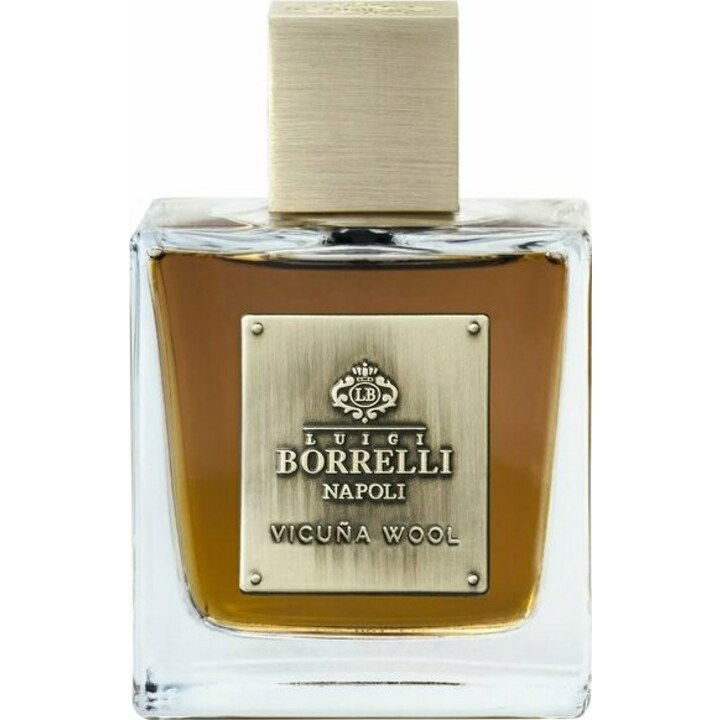
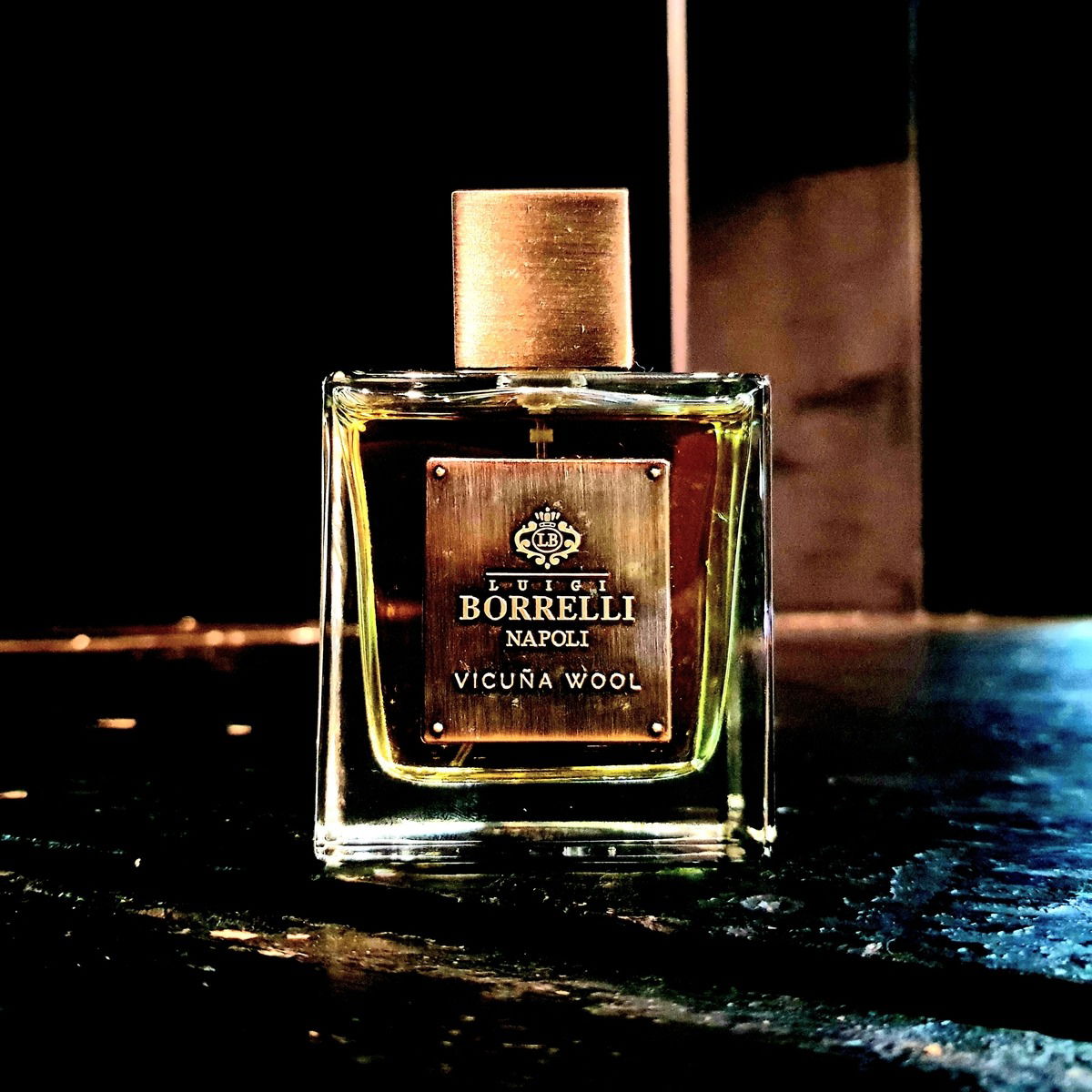
What does the scent have to do with vicuña wool? First of all: not much. It starts off quite fresh and spicy. Pepper, a slightly fresh note of citrus fruits, not fruity, but just slightly sour. Elemi resin also plays a role, bringing a warm note. There is a little bit of smoke, almost more like a mist. This could come from nagarmotha, but fortunately, it has nothing of incense sticks. A dry cedar becomes apparent, and here the pencil association really fits, although with the pepper and smoke, I also think of a matchstick. Up to this point, I find everything very successful, but it does not evoke thoughts of cozy wool. Perhaps it is meant to reflect the barren, rugged landscape in which the vicuñas live. That could make more sense.
Towards the base, the scent becomes increasingly softer and warmer. Woody notes and resins become stronger. The vetiver comes forward clearly, in a spicy-earthy, slightly smoky variant. A bit of patchouli is surely also responsible for the earthy notes. It is now significantly gentler than at the beginning, but it does not become notably sweeter. Thus, the scent slowly fades (it is perceptible for about 8-9 hours) and envelops the wearer with a subtle sillage that has been reserved from the very start.
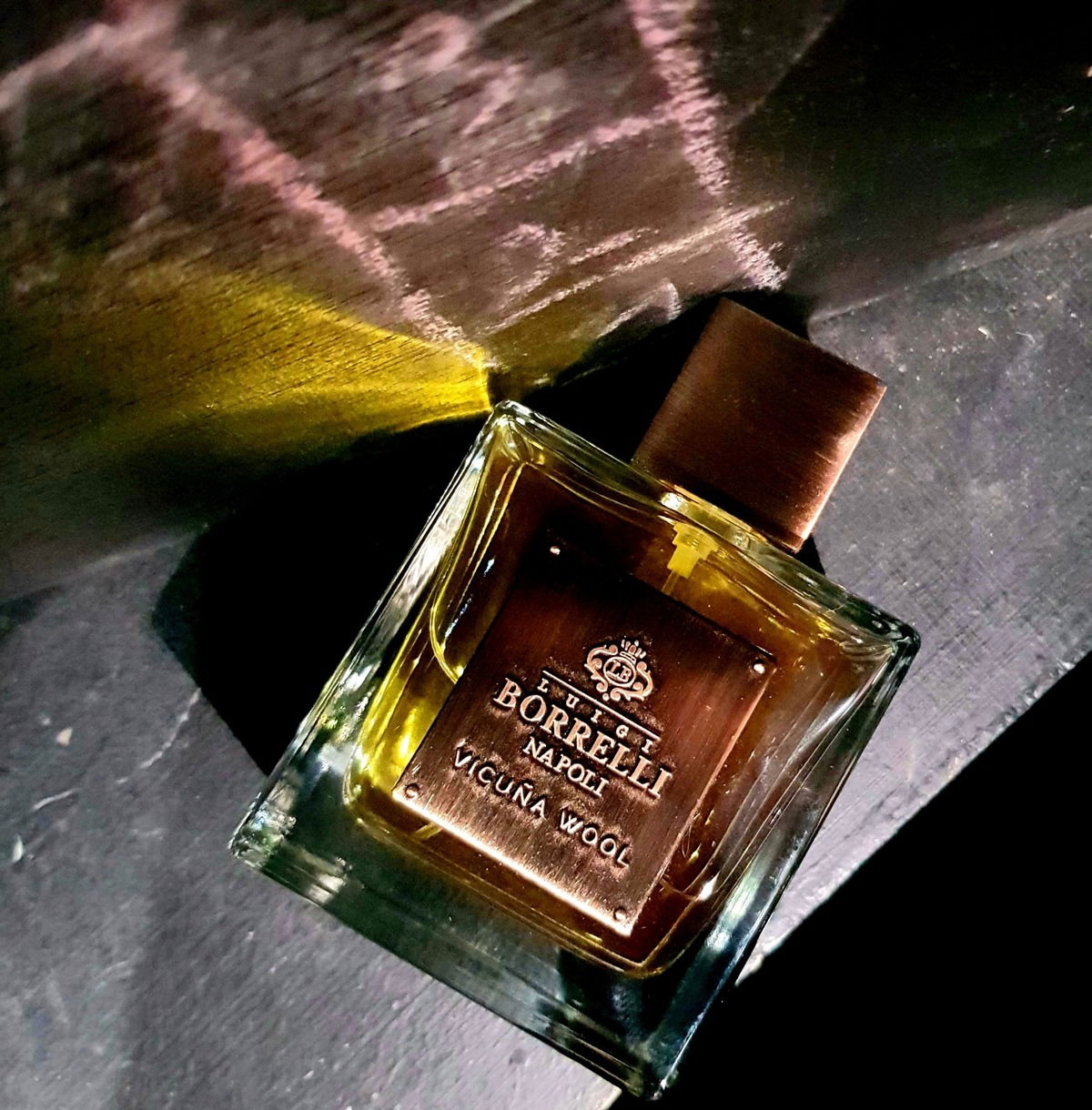
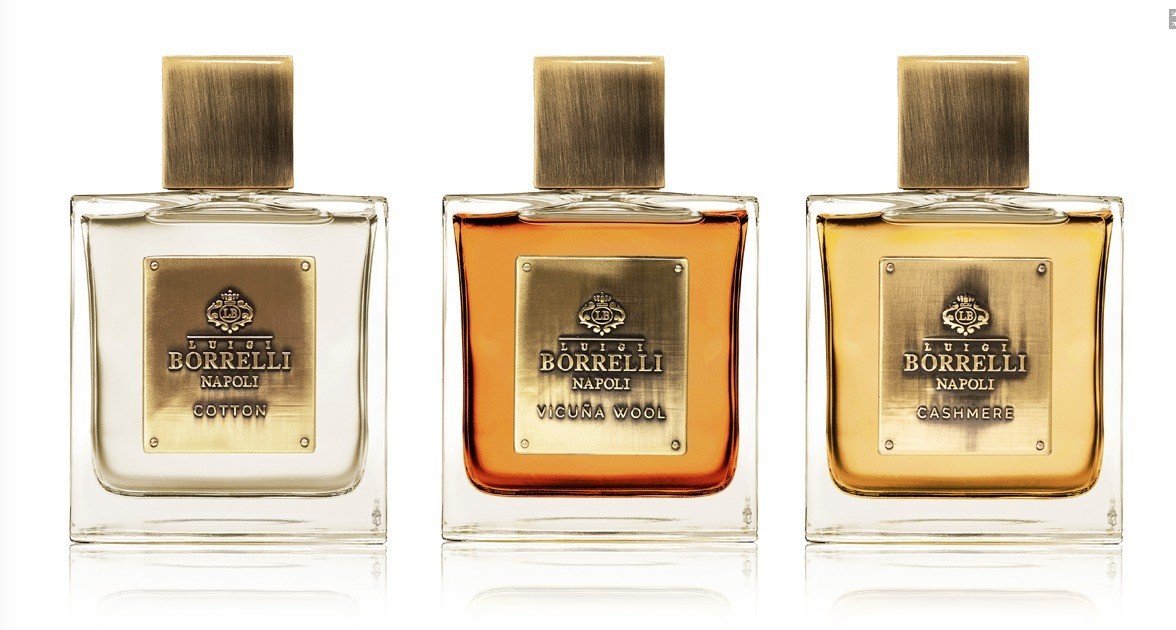
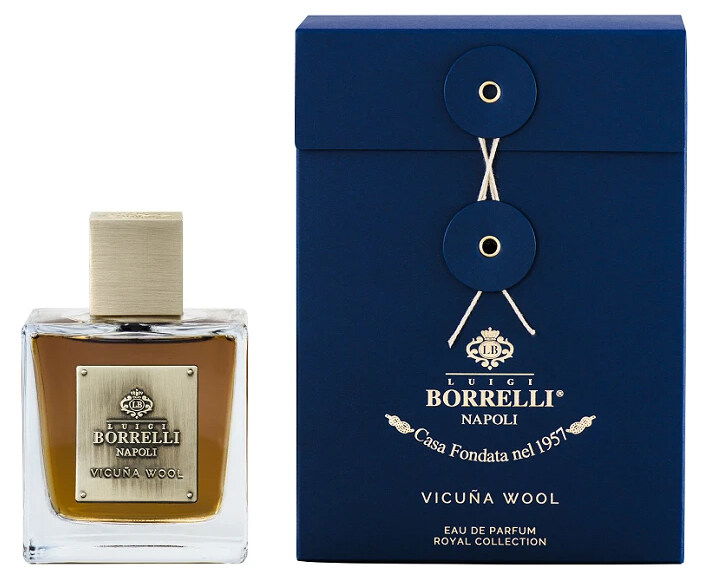
Does it envelop like a vicuña wool blanket? That could at least be the association behind the name. On the other hand: Luigi Borrelli is a high-end menswear supplier from Naples. The other offered scents are called Cotton and Cashmere. Vicuña Wool fits in well here, in the sense of being something you can tailor and is quite expensive (although then cotton falls a bit short). Perhaps the name is more marketing fluff after all. Regardless, Vicuña Wool is a very successful scent that is definitely worth its price.
----------------------------
(1) No, it wasn't, you fool, see Wikipedia (https://de.wikipedia.org/wiki/Machu_Picchu)
Wrapped in his wool blanket, he defied the fresh mountain air, which rose unusually aromatic to his nose, considering the sparse vegetation. The remnants of his fire still hung in the air, or had it by now become a solid part of his blanket, his beard, his hair, perhaps even of himself? He could no longer remember ever having smelled differently. One last log lay in the embers, crackling and sending resinous sparks into the still dark sky.
In the valley, there was fog, but up here the view was clear. The first light of day timidly outlined the eastern horizon. Relaxed, he leaned back against a moss-covered rock. Had he looked closer at the rock, scraped aside the dense moss and damp earth, he would have noticed that the rock was by no means of natural origin. Had he recognized the symbols carved into it, revealing stories and mysteries to the initiated. Had he realized that the hill behind him, though overgrown with grass and shrubs, undeniably had the shape of a pyramid.
But he relaxed and looked east, where a first ray of sunlight flashed and found its way to his face, and the first warmth of the day dispelled the cold of the night, and he was happy...
---------------------
Vicuñas (or Vicuñas) are New World camels, just like llamas, alpacas, or guanacos. There is still debate about who is related to whom and how, but all New World camels can mate with each other and are likely willing to do so. It is undisputed that the wool of the vicuña is the finest wool (and also the most expensive) of the family, finer than alpaca wool, or even cashmere wool, to briefly hop to another continent. I cannot judge that; I only have a sweater made of alpaca wool, and it is very cozy, even if it sheds a bit. Alpacas are very fluffy to pet, but they look a bit silly when freshly shorn.
What does the scent have to do with vicuña wool? First of all: not much. It starts off quite fresh and spicy. Pepper, a slightly fresh note of citrus fruits, not fruity, but just slightly sour. Elemi resin also plays a role, bringing a warm note. There is a little bit of smoke, almost more like a mist. This could come from nagarmotha, but fortunately, it has nothing of incense sticks. A dry cedar becomes apparent, and here the pencil association really fits, although with the pepper and smoke, I also think of a matchstick. Up to this point, I find everything very successful, but it does not evoke thoughts of cozy wool. Perhaps it is meant to reflect the barren, rugged landscape in which the vicuñas live. That could make more sense.
Towards the base, the scent becomes increasingly softer and warmer. Woody notes and resins become stronger. The vetiver comes forward clearly, in a spicy-earthy, slightly smoky variant. A bit of patchouli is surely also responsible for the earthy notes. It is now significantly gentler than at the beginning, but it does not become notably sweeter. Thus, the scent slowly fades (it is perceptible for about 8-9 hours) and envelops the wearer with a subtle sillage that has been reserved from the very start.
Does it envelop like a vicuña wool blanket? That could at least be the association behind the name. On the other hand: Luigi Borrelli is a high-end menswear supplier from Naples. The other offered scents are called Cotton and Cashmere. Vicuña Wool fits in well here, in the sense of being something you can tailor and is quite expensive (although then cotton falls a bit short). Perhaps the name is more marketing fluff after all. Regardless, Vicuña Wool is a very successful scent that is definitely worth its price.
----------------------------
(1) No, it wasn't, you fool, see Wikipedia (https://de.wikipedia.org/wiki/Machu_Picchu)
26 Comments


 NuiWhakakore
 Floyd
Floyd Ergoproxy
 Vinyldates
 Yatagan
 Gold
Gold Rieke2021
 Verbeene
 ParfumAholic
 Fischlandmen