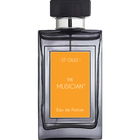
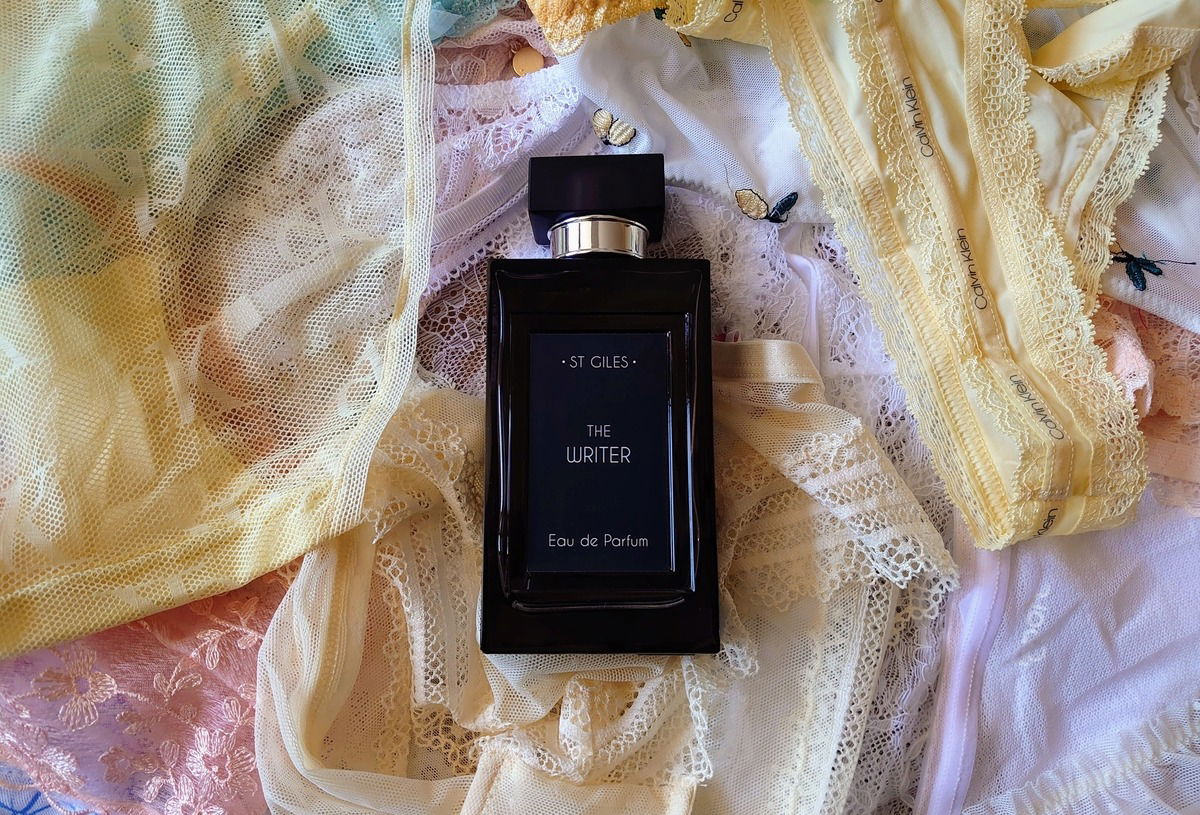
When Bertrand Duchaufour launches a fragrance, you should take a closer look. After all, he has created legendary scents like Timbuktu and other L'Artisan classics, a series of the most beautiful fragrances from the CdG special editions, exciting recent releases like Chypre Shot, and some Penhaligon's bestsellers. Not everything appeals to me, but almost none of it is flat mainstream; instead, it always shows a bit more courage than the competition, occasionally at the cost of a cumbersome nonconformity.
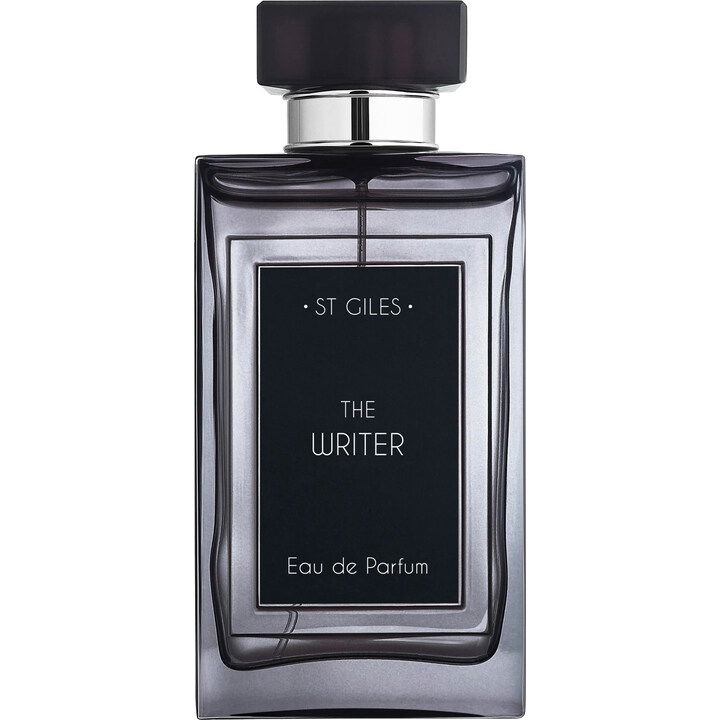
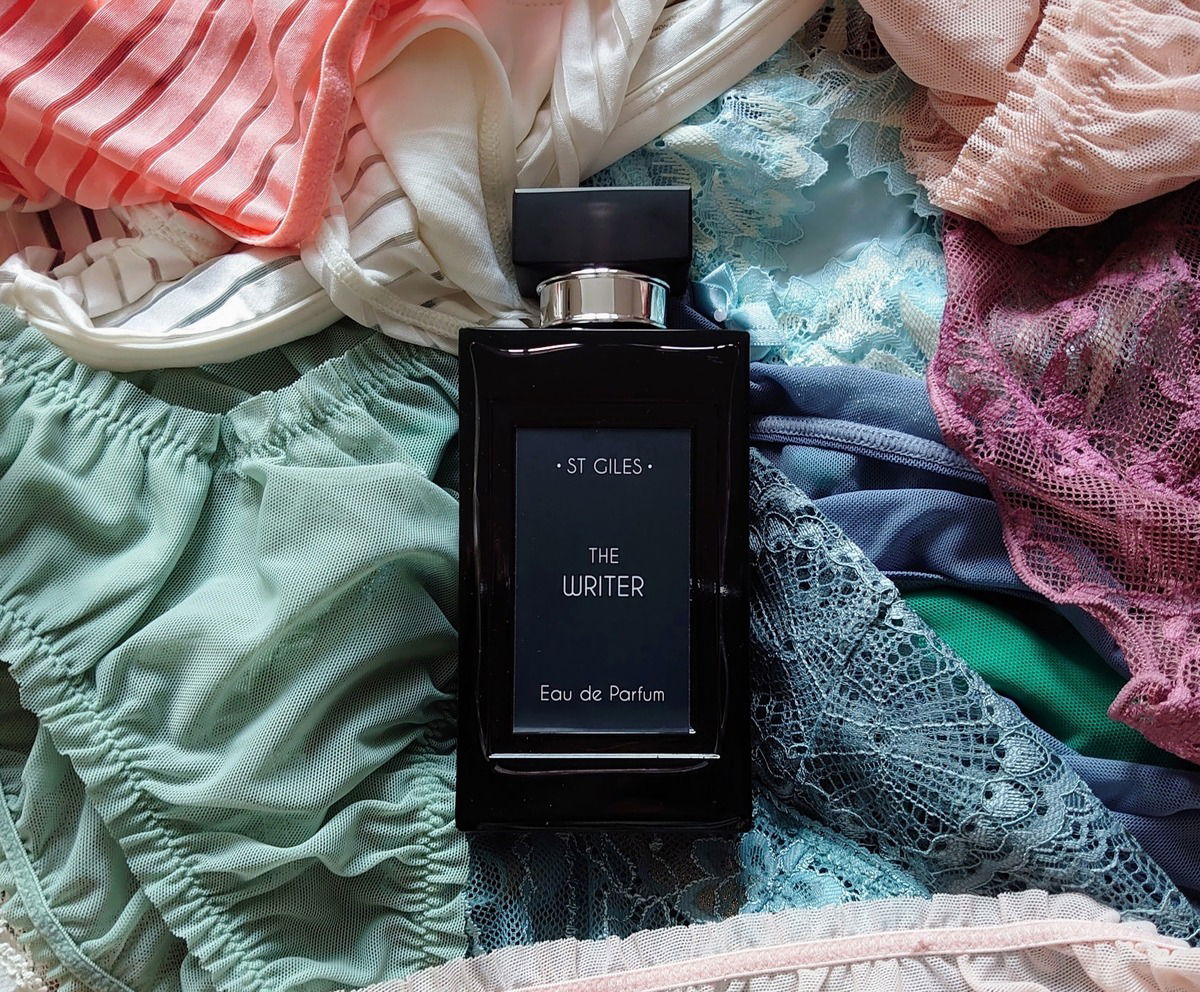
This might also apply to The Writer, as it has been around since 2017, but even on Parfumo, where niche enthusiasts gather, there are only 30 reviews and so far just one (excellent) comment. What is the reason for this?
The fragrance opens in an idiosyncratic way, develops idiosyncratically, and has an idiosyncratic drydown. This requires chutzpah, both from the manufacturer and the perfumer.
Much of it reminds one of great fragrances from past decades, especially the 70s and 80s, when strong scent notes were in vogue, aldehydes shimmered, and animalic or amber-leathery accents could not be strong enough. Nostalgic references are skillfully combined with new and daring ideas. A humunkulus escapes from the distillation flask: new and familiar at the same time. The ginger opening can be found (albeit more subdued) in
Sagamore Eau de Toilette,
Monsieur Balmain (1964) Eau de Toilette,
Pour Monsieur Eau de Toilette, or the old formula of
Versace L'Homme Eau de Toilette. The combination of incense with a fruity note (here: rhubarb) was a hallmark of
Timbuktu. Aldehydes, on the other hand, can be found in so many fragrances from the past that listing them would be exhausting; as a reference for a soap-like aldehyde scent of the 80s, I will only mention
Pour Lui Eau de Toilette here. Why do I predominantly list men's fragrances? Although The Writer is categorized as a unisex scent, it strikes me as so distinctly masculine that I can more easily imagine it on a man than on a woman. Moreover, it follows the patterns of classic men's fragrance tradition in my opinion: neither floral nor soft or sweet notes, but rather aromatic, somewhat sharp (thus reminiscent of aftershave), distinct, and spicy.
As noted by NuiWhakakore, the fragrance becomes more animalic with increasing wear, certainly due to the development of castoreum. This is also a scent component that enjoyed great popularity in the 70s and 80s:
Antaeus Eau de Toilette,
Man Pure Eau de Toilette, "New-York | Parfums de Nicolaï" can serve as sufficient examples, even though they have since been discontinued or adapted to contemporary tastes.
The mention of nostalgia might suggest that the fragrance is thoroughly nostalgic, but
The Writer would not be a Duchaufour scent if it did not also contain cleverly innovative components: This includes the aforementioned rhubarb, which was completely unusual until the 90s, as well as the synthetic soft leather note, which could not be produced in that way before, but was composed of resinous, amber, and animalic notes (civet, castoreum). As little as I like this postmodern tone, it integrates successfully into the overall artwork here.
One last thing: The fragrance needs time. It develops slowly and must not be over-applied, as it can be overwhelming. For me, a single, sparing spray is sufficient. The St. Giles brand, in any case, must be kept on the radar. Alongside
The Writer,
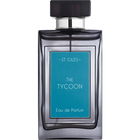
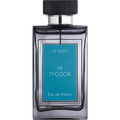
The Tycoon also impresses across the board.




 Top Notes
  Aldehydes
 Rhubarb
 Clary sage
 Ginger
 Rosemary absolute
 Heart Notes
  Frankincense
 Leather
 Base Notes
  Cedarwood
 Castoreum
 Driftwood
 Sandalwood









 Donovan1986
 Floyd
Floyd Yatagan
 NuiWhakakore
 Violett
 Bloodxclat
 Heikeso
 Rieke2021
 Skubi73
 Chizza