Translated · Show originalShow translation
A Touch of Christmas
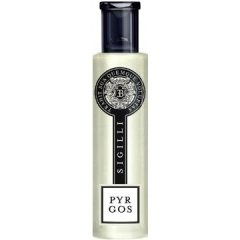
It is no coincidence that I chose Pyrgos for my first comment on Parfumo. Today is Christmas, and the scent that Pyrgos exudes fits perfectly with it. But first, a few words about the brand.
The Italian Enrico Bucella conjures up the time of antiquity with his line "Sigilli" (translated: Seals): "Trahit sua quemque voluptas" (Everyone is drawn to what pleases them). This quote, which is part of the brand presentation of "Sigilli" and originates from Virgil, adorns every bottle in the series. Together with the initials of the perfumer embedded in a coat of arms, it gives the brand its typographic seal. The olfactory concept is equally committed to antiquity, which is reflected in many of the names that Buccella has given to his eleven creations: In addition to Pyrgos, there are Athunis, Claudiae, Ferfaen, Ea, Volumna, and Thus. Almost all Sigilli fragrances share a focus on spices, herbs, and plants from the Mediterranean region, which were already appreciated by Etruscans and Romans.
Now to Pyrgos. The name and composition are inspired by the ancient port of Pyrgos in Cyprus. Just recently, Buccella writes in his elegant Sigilli brochure, archaeologists uncovered Askoi and amphorae (ancient vessels for storing liquids) in Pyrgos that contained traces of cinnamon, lavender, bergamot, oregano, anise, and fennel. So what does "Pyrgos," the fragrance, smell like?
At the foot of the pyramid, after a good hour, there is almost only a soothing, softly humming warmth of cinnamon discernible, pleasantly refreshed by bright anise notes. Before that, the anise is more present, and at the very beginning, upon first spraying, bergamot oil shines with a lavender accord as if racing into the harbor. A Christmas scent? Yes, but also a pleasant fragrance that can be worn well in other seasons. Unlike many other gourmand fragrances, the Sigilli creations are far from being overwhelming. They cling relatively well but never come across as loud. They are intimate scents that one sprays on because one loves their extraordinary clarity, because one enjoys being reminded of the fragrances of childhood or a trip to Italy, where the wind and the sun, together with the lush vegetation, aromatize the air.
Pyrgos also reminds me of hikes through the Cinque Terre, high above the Mediterranean, where one walks along narrow, richly overgrown paths and where spicy scents constantly waft into the nose because one has brushed against a wild thyme bush or an oregano shrub just a few steps before.
Compared to other anise-containing perfumes like the discontinued Kenzo Air or Anice by Etro, Pyrgos is the most discreet, yet also the most naturally occurring scent that never threatens to become bothersome to the wearer.