

In the Footsteps of Patchouli
Earthy, woody, versatile: a journey through the cultural and perfumery significance of patchouli over the centuries.
What once served as a fragrant moth repellent for precious textiles on trade routes developed into the olfactory symbol of a counterculture, a grounding companion to spiritual rituals, and ultimately a central component of modern perfumery: patchouli has shaped the history of fragrance for centuries.
But what exactly makes patchouli so special? Where does it come from? And how did a plant become a fragrance that connects cultures and eras? A look at the history of one of the most influential scents in perfumery.
The botanical origin
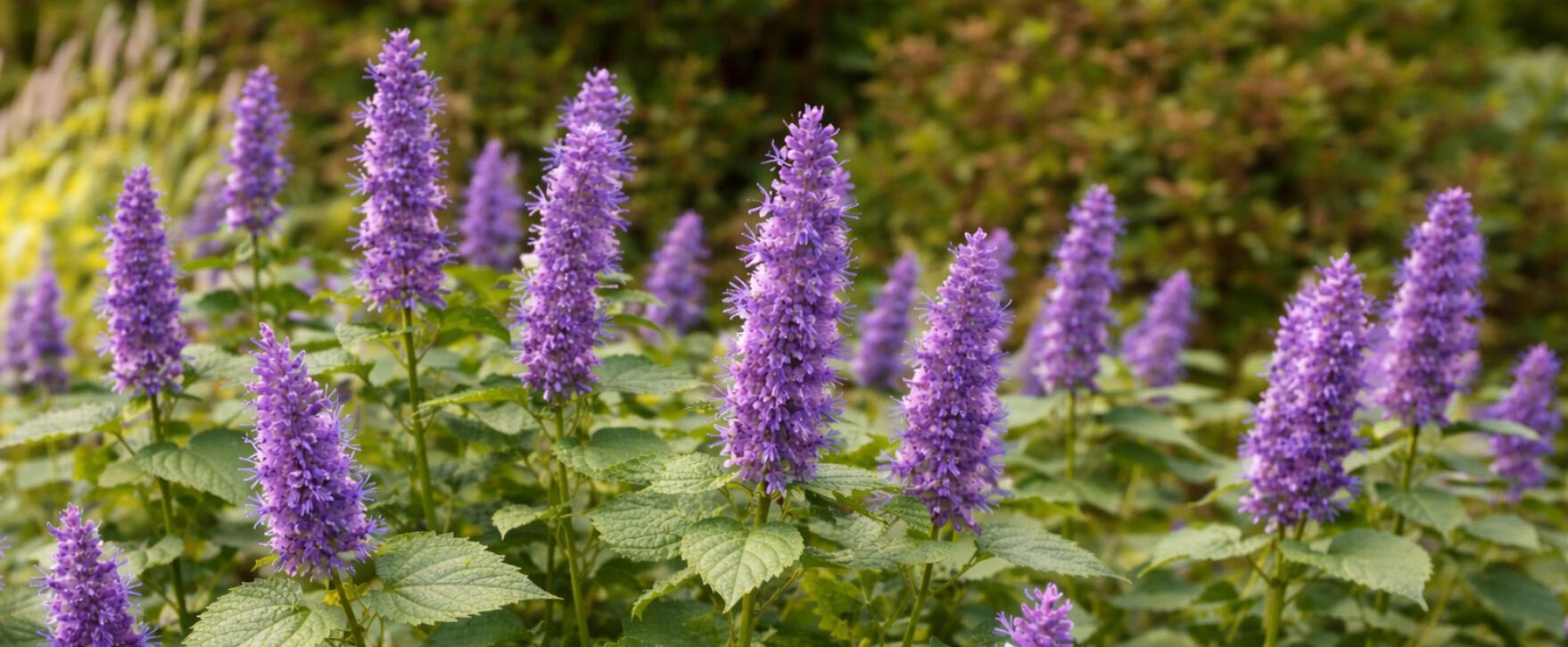
What surprises many people is that patchouli is neither wood nor root. Despite its earthy, woody scent, the essential oil is extracted from the leaves of Pogostemon cablin, a bushy plant from the Lamiaceae family, which also includes mint and lavender. It thrives in tropical regions of Asia, reaches a height of up to one meter, and has hairy stems and large, inconspicuous leaves. After drying and fermentation, these develop a sweet, spicy, smoky, and woody aroma of high density.
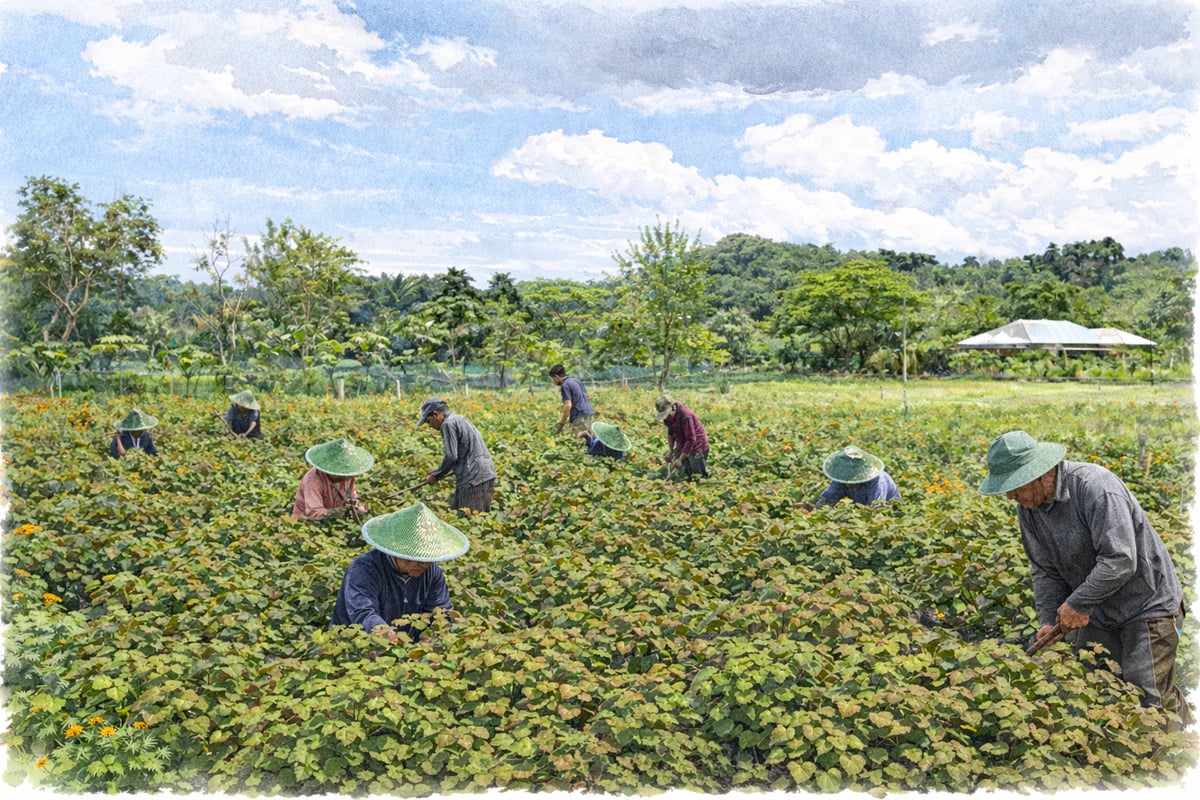
Today, the most important growing regions are primarily in Indonesia, particularly on Sulawesi and Sumatra, as well as in India, the Philippines, China, and parts of Malaysia. The climate, soil, and harvest time have a significant influence on how dark, soft, or dry the patchouli oil ultimately smells.


The creation of a fragrance with a strong character
But how does the coveted, earthy, deep patchouli aroma develop from the fresh green leaves? The characteristic scent does not develop immediately after harvesting, but only during the drying process and fermentation. After cutting, the leaves are turned regularly and dried in the shade for days to weeks, often undergoing a natural fermentation process. This phase prepares the plant material for distillation and is crucial for the later fragrance character.
The oil is usually extracted through steam distillation of the dried and fermented leaves. During this process, steam passes through the plant material, dissolving the fragrances, and is then condensed into oil. For higher-quality, more nuanced varieties, CO₂ extraction is also used: under high pressure, sensitive molecules are extracted cold without the use of heat. This produces a clear oil with a finer, more differentiated fragrance profile that contains fewer "dirty" impurities.
Freshly distilled patchouli oil often initially appears harsh, green, and sharp. It is only through subsequent storage—sometimes for several years—that the oil continues to mature: the harsh, sharper facets recede into the background, while warm, balsamic, and slightly sweet, balsamic nuances increasingly come to the fore.
High-quality oil therefore requires one thing above all else: patience. Producers who value quality allow the oil sufficient time to develop its smooth, full flavor.
Patchouli in rituals and everyday culture
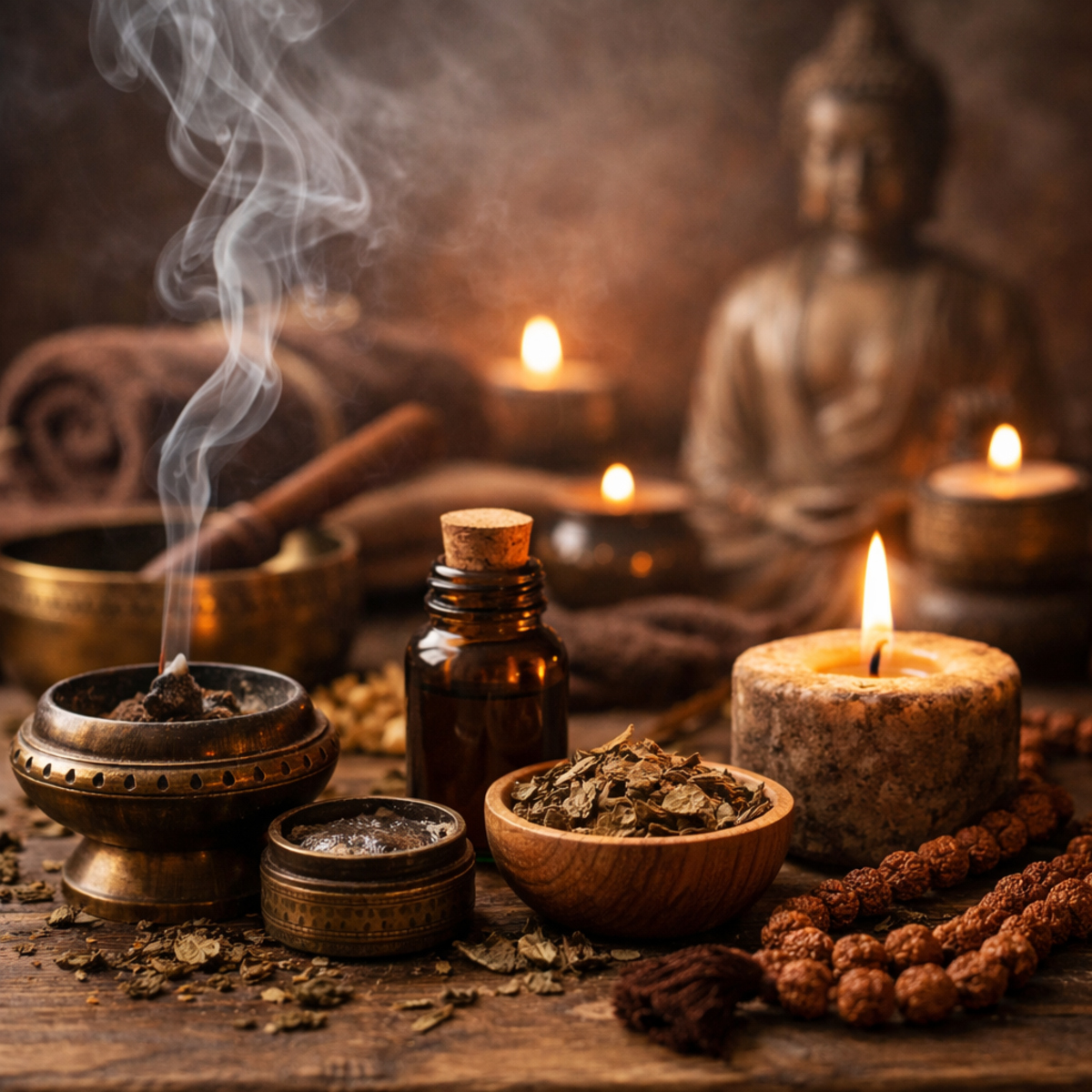
But how did patchouli find its way into perfumery? Before the fragrance was used in compositions, patchouli was already firmly established in other traditions. For centuries, the plant has played a role in Ayurvedic teachings and spiritual practices. There, it was mainly used as incense to create a meditative atmosphere—especially in combination with sandalwood or frankincense. The deep, earthy scent was considered stabilizing and conducive to inner peace.
In Ayurvedic teachings, patchouli is primarily attributed with a calming effect on an overactive vata dosha. The three doshas—Vata, Pitta, and Kapha—are considered the fundamental principles of body and mind. According to Ayurvedic teachings, their interaction is crucial for general well-being. Vata represents movement, the nervous system, and breathing. If Vata becomes unbalanced, inner restlessness, nervousness, tension, or sleep disorders can occur. Earthy, warm scents such as patchouli are said to counteract this condition by calming and balancing.
This tradition is still upheld today: patchouli continues to be burned or diffused in temples, yoga studios, and in the global wellness context. As a Vata-balancing fragrance, it is also used in Nasya inhalations, Abhyanga massages, and room fragrancing.
Patchouli conquers Europe
With the growth of long-distance trade, patchouli also became established outside its original cultural area. The plant, which is native to the tropical regions of India, Malaysia, and Indonesia, first reached Europe via the Middle East and later by sea.
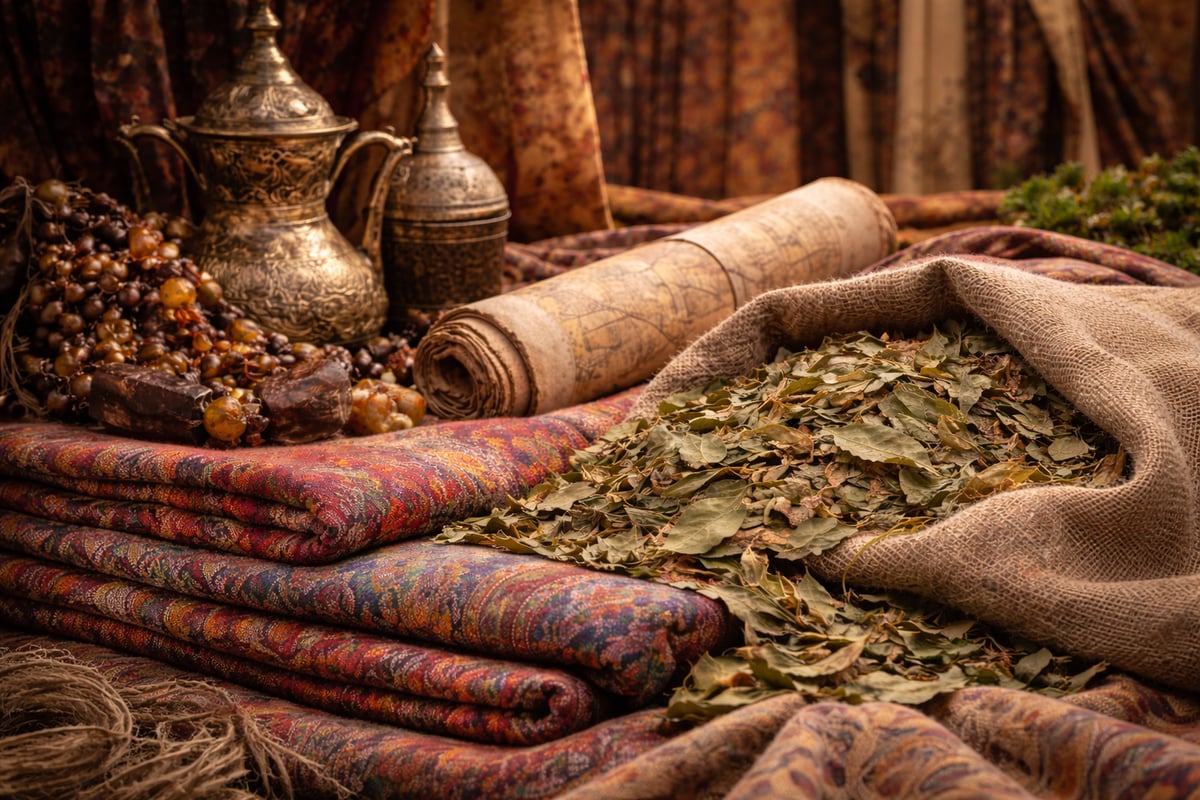
As early as the 19th century, merchants placed dried patchouli leaves between valuable fabrics such as silk and wool. They valued them not only for their earthy, smoky scent, but above all as an effective remedy against moths and pests. Famous paisley and cashmere scarves thus traveled in layers across the Indian Ocean and the Mediterranean. Upon their arrival, an intense scent of patchouli hung in the air in the warehouses of Marseille and London—a hint of the exotic that served as an indication of authentic Indian origin and helped to distinguish originals from imitations.
In 19th-century France, during the heyday of perfumery in Grasse, naturally scented handkerchiefs became an olfactory status symbol. Aristocrats and dandies wore them to demonstrate their wealth and cosmopolitanism. The characteristic scent was considered a reference to distant trade routes and precious goods – and thus anchored patchouli in the imagination of luxury and exoticism.
A frequently recounted anecdote states that during the Egyptian campaign of 1798/99, Napoleon acquired Indian scarves scented with patchouli and presented them to Joséphine de Beauharnais, who was apparently very fond of the earthy, exotic aroma.
From hippie oil to haute perfumery
But patchouli's image was not limited to luxury and exoticism: in the 20th century, especially in the 1960s and 1970s, the former status fragrance became a defining symbol of the hippie movement and counterculture. Its earthy, natural character now stood for a break with bourgeois conventions, for freedom and a return to "natural" values. Patchouli oil was often applied pure and in high doses – as a statement of individuality and a deliberate provocation of the established perfume culture.
At the same time, haute perfumery began to rediscover patchouli. The raw material was used as a base note, particularly in classic chypre and oriental compositions, where it lent depth and durability.Patchouli proved to be increasingly versatile: sometimes chocolatey and gourmand, sometimes dry and woody, sometimes mineral or soft, embedded in floral accords. Thus, the "hippie note" was transformed into a flexible, nuanced stylistic device in modern perfumery.

Patchouli today
Today, patchouli is an indispensable ingredient in perfumery. As a fixative, it gives compositions structure and staying power, blending notes into a harmonious whole. In chypre fragrances, it grounds floral accords such as rose, jasmine, or tuberose, while in gourmand compositions it underscores the warmth of cocoa, tonka bean, or vanilla. In minimalist fragrances, patchouli reveals its earthy-dry, woody, or finely smoky side.
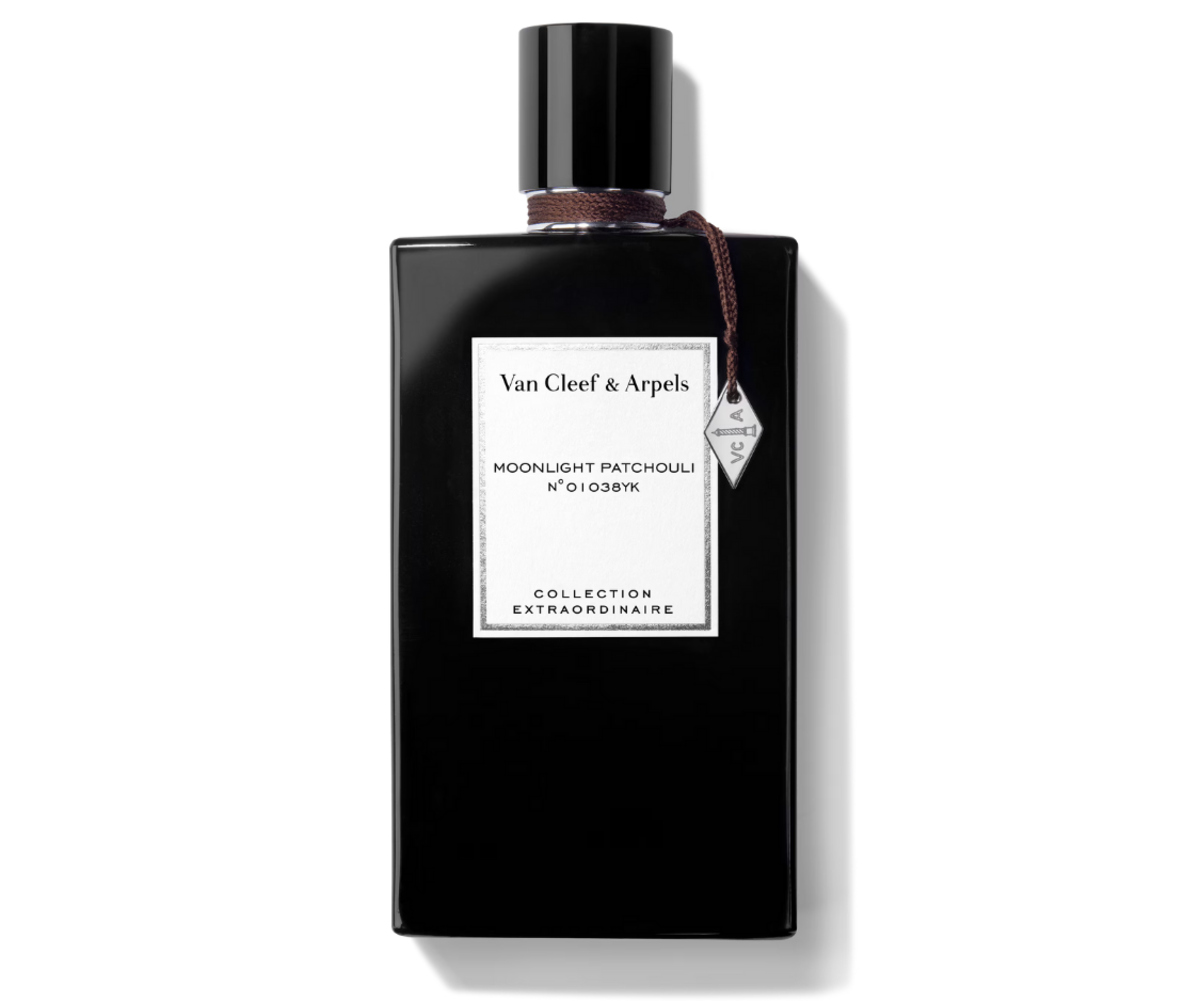
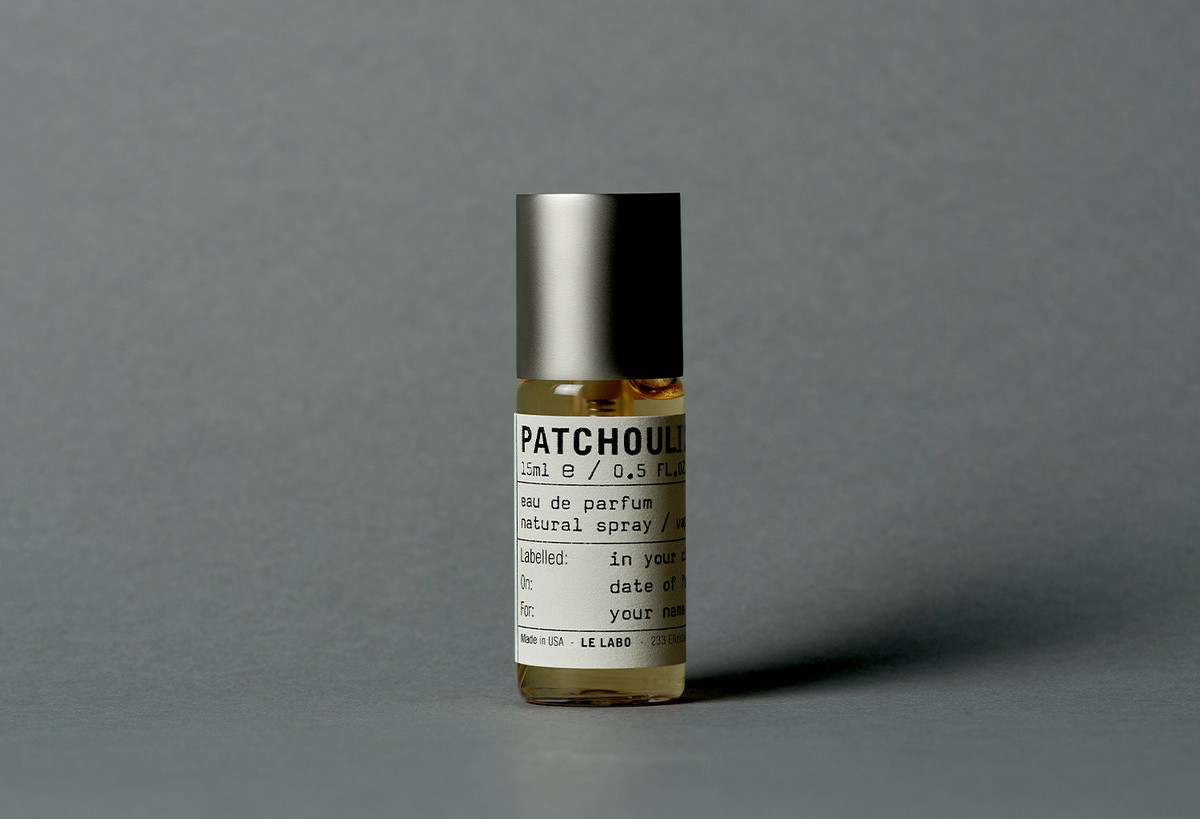
This versatility is also reflected in numerous well-known fragrances: "Moonlight Patchouli", for example, interprets the raw material in a light and soft way, carried by floral nuances and leather accents. Patchouli is much more intense in "Patchouli Intense": here, earthy and woody facets are clearly brought out, accompanied by balsamic nuances. In "Coromandel", patchouli gives the composition structure and a warm depth.nbsp;"Portrait of a Lady" uses patchouli to stabilize the opulent rose note and prolong its reverberation. "Patchouli 24," on the other hand, creates a deliberate contrast and embeds the note in a smoky, leathery composition.
Patchouli and sustainability
However, the great importance of patchouli also has its downsides. Today, the raw material finds itself at a turning point between traditional cultivation and an increasingly future-oriented perfumery industry. Over 90 percent of the patchouli oil traded worldwide comes from Indonesia, where intensive monocultures place a heavy strain on the soil and water resources. In some cases, up to 10,000 liters of water are used to produce one kilogram of oil. At the same time, patchouli is mainly produced by small farmers whose income is closely linked to yields, harvest conditions, and fluctuating market prices.
Against this backdrop, new initiatives are gaining in importance. Companies such as Givaudan and agroforestryFairventures projects are focusing on fairer pay, training, and more sustainable farming models. The goal: to reduce environmental impact, conserve valuable resources, and minimize the carbon footprint along the supply chain in the long term.
Biotechnological alternatives are also becoming increasingly popular. Firmenich, for example, produces Clearwood®, which are obtained from yeast through fermentation. Many brands are now pursuing a hybrid approach, combining biotechnologically produced patchouli bases with small amounts of matured natural oil.
A raw material with many faces
Patchouli has been a part of fragrance history for centuries, playing different roles—from the trade routes of South Asia to the counterculture of the 20th century to the studios of modern perfumery. Few raw materials have changed roles so often while retaining their distinctive character.
In an age of instant gratification and short-lived fragrance trends, high-quality patchouli stands for olfactory depth: its oil matures in barrels for months or years, becoming more concentrated and rounded, and unfolding its multi-layered interplay of earthy, smoky, and woody facets on the skin.
How do you feel about patchouli? Do you prefer the scent to be more prominent or just as a base note in the background?
Image sources: By Valérie75 - CC BY-SA 3.0, https://commons.wikimedia.org/w/index.php?curid=875908; By Raffi Kojian - http://Gardenology.org, CC BY-SA 3.0, https://commons.wikimedia.org/w/index.php?curid=12735598; By Nowheat - Own work, CC BY-SA 3.0, https://commons.wikimedia.org/w/index.php?curid=21921807
 RedStinkwood 1 month ago
 eggplant 1 month ago
 FabienneV 1 month ago
 BillyCParfum 1 month ago
 Mikayla