

 Top Notes
  Mandarin orange
 Pink pepper
 Lotus
Lotus Heart Notes
  Vanilla orchid
 Jasmine
 Rose
Rose Base Notes
  Amber
Amber Ambroxan
 Musk
Musk

Seerose
775 Reviews
Translated · Show original

Seerose
Top Review
Amber-Ambra on the Edge
I often find it difficult to identify the resinous-balsamic amber from the creamier "Ambre Gris" or other synthetic replicas of Walambra in softer fragrances.
With scents like "Ô Hira" or "Ambra Aurea," it is completely clear that the resinous-balsamic amber resins are indeed meant, most likely Copal, a still subfossil resin that is a few decades to several millennia old, which still exudes the resin scent of its trees and is easy to dissolve or loosen. With Copal, there is probably a range of mild balsamic notes to strongly pine-scented resins.
Amber, on the other hand, is about millions of years of age.
See Wikipedia: https://de.wikipedia.org/wiki/Copal_(Baumharz)
The real Walambra, which cannot be imported or used in Europe, is nowadays replicated in all perfumes with synthetic components of varying quality. Ambroxan is most commonly used, especially in inexpensive fragrances. There are others like "Cachalox" or "Orcanox."
I have only once perceived real Walambra in an intact vintage fragrance, in its difference to what we have in fragrances today. Since then, I have understood that the difference between amber resins and synthetic Ambre Gris (Walambra) cannot be easily and always identified.
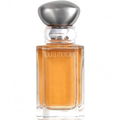
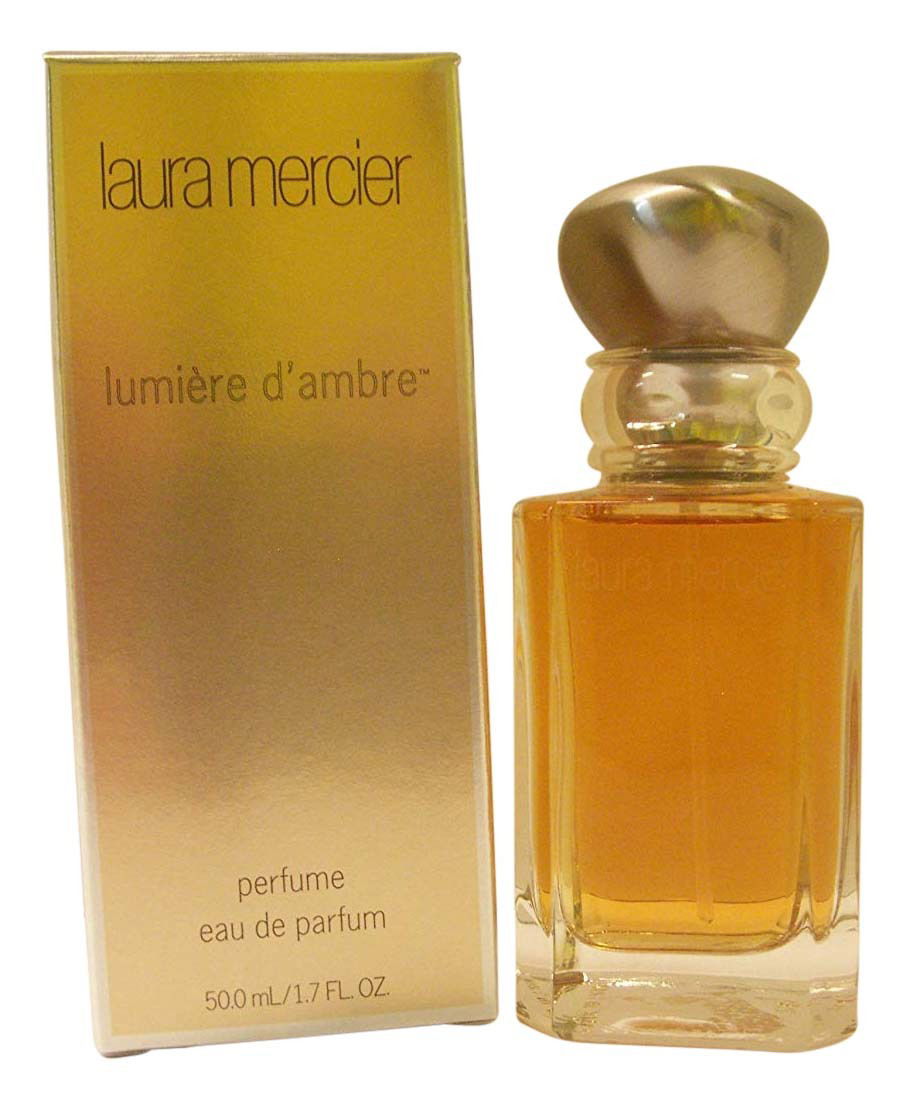
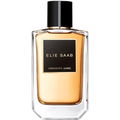
When I tested "Lumière d'Ambra" yesterday, I had the impression that it resembled "Amber Oud" by Parfums de Nicolai quite a bit.
Now I still have a bit of "Amber Oud" left and applied it today for comparison.
Yes, there are similarities in the bright and light intensity of the fragrances; both seem to use similar, Ambre Gris-like amber qualities that remain throughout. The opening is also similar in both fragrances, regardless of how differently the pyramids are listed here. Both exude a slightly animalic note after a short time and then at intervals, which can be attributed to the Oud in "Amber Oud."
Both fragrances are similar but are by no means scent twins.
"Lumière d'Ambra" has an amber that sounds more resinous-balsamic. "Lumière d'Ambra" is sweeter and has a green note. Additionally, "Lumière d'Ambra" exudes a fine floral blend that I cannot break down into individual flowers.
I can also detect a delicate sweet vanilla note. Although "Lumière d'Ambra" primarily presents itself as a creamy light perfume that stops just before developing into something gourmand due to the vanilla, I smell iris-powdery notes after a while, both yesterday and today.
And strangely, this causes "Lumière d'Ambra" to lose some of its nobility and transparency, becoming a bit earthier.
While I smelled a strange, unpleasant note in "Lumière d'Ambra" throughout the entire duration yesterday, I only detected it today during the first two hours. Now, it seems to me that only a hint of it remains at intervals, and that only close to the skin.
Someone mentioned "valerian" in the comments below. Yes, that fits, but I believe it is actually spikenard; at least it smells even more intense and unpleasant to me in pure oil than valerian.
However, here the presumed spikenard appears to be very finely dosed. It thus acts positively as a counterpoint to the otherwise balsamic-creamy-sweet scent with vanilla and flowers and a touch of iris powderiness. This gives "Lumière d'Ambra" its special character, making it truly interesting.
Otherwise, "Lumière d'Ambra" could possibly become a bit boring and monotonous for me over time.
Both fragrances have a similar constant and restrained aura regarding sillage; the longevity is very good and not too extreme.
Overall, both fragrances, "Lumière d'Ambra" and "Amber Oud" by Nicolai, are equally valuable. However, "Amber Oud" feels like an androgynous scent to me, while I perceive "Lumière d'Ambra" as a feminine fragrance.
With scents like "Ô Hira" or "Ambra Aurea," it is completely clear that the resinous-balsamic amber resins are indeed meant, most likely Copal, a still subfossil resin that is a few decades to several millennia old, which still exudes the resin scent of its trees and is easy to dissolve or loosen. With Copal, there is probably a range of mild balsamic notes to strongly pine-scented resins.
Amber, on the other hand, is about millions of years of age.
See Wikipedia: https://de.wikipedia.org/wiki/Copal_(Baumharz)
The real Walambra, which cannot be imported or used in Europe, is nowadays replicated in all perfumes with synthetic components of varying quality. Ambroxan is most commonly used, especially in inexpensive fragrances. There are others like "Cachalox" or "Orcanox."
I have only once perceived real Walambra in an intact vintage fragrance, in its difference to what we have in fragrances today. Since then, I have understood that the difference between amber resins and synthetic Ambre Gris (Walambra) cannot be easily and always identified.
When I tested "Lumière d'Ambra" yesterday, I had the impression that it resembled "Amber Oud" by Parfums de Nicolai quite a bit.
Now I still have a bit of "Amber Oud" left and applied it today for comparison.
Yes, there are similarities in the bright and light intensity of the fragrances; both seem to use similar, Ambre Gris-like amber qualities that remain throughout. The opening is also similar in both fragrances, regardless of how differently the pyramids are listed here. Both exude a slightly animalic note after a short time and then at intervals, which can be attributed to the Oud in "Amber Oud."
Both fragrances are similar but are by no means scent twins.
"Lumière d'Ambra" has an amber that sounds more resinous-balsamic. "Lumière d'Ambra" is sweeter and has a green note. Additionally, "Lumière d'Ambra" exudes a fine floral blend that I cannot break down into individual flowers.
I can also detect a delicate sweet vanilla note. Although "Lumière d'Ambra" primarily presents itself as a creamy light perfume that stops just before developing into something gourmand due to the vanilla, I smell iris-powdery notes after a while, both yesterday and today.
And strangely, this causes "Lumière d'Ambra" to lose some of its nobility and transparency, becoming a bit earthier.
While I smelled a strange, unpleasant note in "Lumière d'Ambra" throughout the entire duration yesterday, I only detected it today during the first two hours. Now, it seems to me that only a hint of it remains at intervals, and that only close to the skin.
Someone mentioned "valerian" in the comments below. Yes, that fits, but I believe it is actually spikenard; at least it smells even more intense and unpleasant to me in pure oil than valerian.
However, here the presumed spikenard appears to be very finely dosed. It thus acts positively as a counterpoint to the otherwise balsamic-creamy-sweet scent with vanilla and flowers and a touch of iris powderiness. This gives "Lumière d'Ambra" its special character, making it truly interesting.
Otherwise, "Lumière d'Ambra" could possibly become a bit boring and monotonous for me over time.
Both fragrances have a similar constant and restrained aura regarding sillage; the longevity is very good and not too extreme.
Overall, both fragrances, "Lumière d'Ambra" and "Amber Oud" by Nicolai, are equally valuable. However, "Amber Oud" feels like an androgynous scent to me, while I perceive "Lumière d'Ambra" as a feminine fragrance.
6 Comments
 Schalkerin
 Ergoproxy
 Kajsa5
 Duftpuppe
 Parforgie
 Kovex
Kovex Tofog
Tofog Sonjoschka
 Seerose
 Heikeso