

 Top Notes
  Grass
Grass Cypress
 Black pepper
 Heart Notes
  Pine resin
 Virginia cedar
 Galbanum
 Base Notes
  Frankincense
 Oakmoss absolute
 Benzoin
 Geometric Blister
11/07/2025

Mairuwa
67 Reviews
Translated · Show original

Mairuwa
Helpful Review
5
Shinrin-Yoku in Dutch
The Lingua Planta series by Dutch perfumer Merle Bergers was a true discovery for me (thanks to @ElAtterine). The name says it all: it’s about the communication of plants through scent. And just as communication can serve various purposes, the fragrances in the series represent different areas of communication. Attract and Nightflowers are about attracting pollinating insects through floral scents (the area of plant communication through scents that is likely most familiar to many); Understory represents the underground network of roots and the mycelium of fungi, while Repel is about repelling pests, as citrus plants do. The fragrance "Defend" also tells a story of defense, but in a somewhat more complex and broader sense. It is a phenomenon that has not been known for long and is less well-researched. For instance, plants can warn their neighboring counterparts by releasing certain scent compounds when herbivores invade in large numbers. The surrounding plants then react, for example, by producing bitter substances to deter the pests or, even more subtly, they emit scents that specifically attract the pests' natural enemies, allowing them to fend off their attackers with their help.
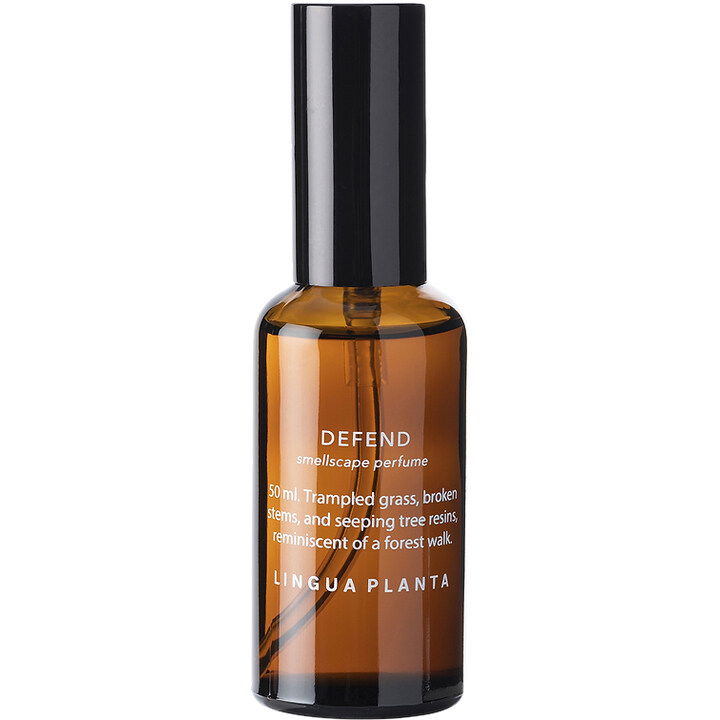
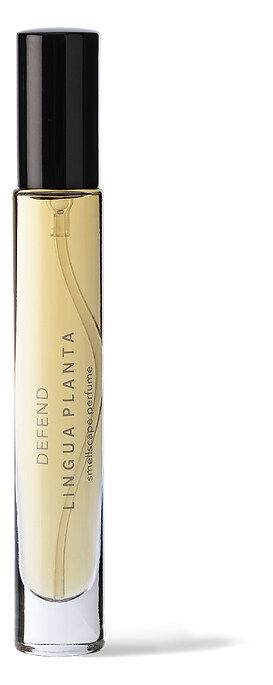
That’s quite impressive, but how is this translated into the fragrance? As always, Merle Bergers does not translate scientific findings directly into scent but rather draws loose thematic inspiration from such insights in her artistic work. Thus, the connection here is also rather free. The fragrance starts off bitter and green with galbanum, freshly cut grass, and cypress. For a brief moment, it is indeed harsh and unwelcoming, but then it quickly softens and develops into a still green yet fresh-resinous direction with pine resin and cedarwood. The individual notes unfold gradually, and they also reappear throughout the experience, so that after about half an hour, one might still believe they can vividly smell fresh grass cuttings. Finally, the fragrance gently fades into a woody and somewhat earthy-mossy finish. The only complaint would be that it is not particularly long-lasting (at least on my skin).
For me, another aspect of defense in the plant kingdom stands out here, which, although not explicitly mentioned in the house's online presentation, seems quite evident in the ingredients. The green leaf scents, such as those from grass or cypress used here, are plant defense substances (phytoncides) and primarily serve to aid regeneration after injuries and protect the plant through their antibacterial and fungicidal effects. Resins also serve to seal wounds and thus protect against infections or fungal infestations. Additionally, black pepper is listed here, but it does not assert itself prominently; rather, it plays a background role like pepper spray in standby mode, with only a faint tingling in the nose when inhaling deeply. However, thematically it fits wonderfully into the ensemble, as pepper also defends itself against herbivores with its piperine.
Since phytoncides are volatile compounds and are constantly released into the surrounding air by plants, they are always present in a certain concentration, especially in forest air. Because their uptake through breathing has been shown to strengthen the immune system in humans, forest walks are not only pleasant but also healthy. The Japanese concept of Shinrin-Yoku or "forest bathing" takes this into account. This has also been implemented in fragrances multiple times. Of those, I only know "Shinrin-Yoku | Alkemia," but I must say that "Defend" excites me much more here - perhaps also due to its compelling storytelling. And if it contains the same phytoncides as forest air, as the manufacturer assures, then this beautiful fragrance is probably also healthy. It would be nice if it could be prescribed like a medicine.
That’s quite impressive, but how is this translated into the fragrance? As always, Merle Bergers does not translate scientific findings directly into scent but rather draws loose thematic inspiration from such insights in her artistic work. Thus, the connection here is also rather free. The fragrance starts off bitter and green with galbanum, freshly cut grass, and cypress. For a brief moment, it is indeed harsh and unwelcoming, but then it quickly softens and develops into a still green yet fresh-resinous direction with pine resin and cedarwood. The individual notes unfold gradually, and they also reappear throughout the experience, so that after about half an hour, one might still believe they can vividly smell fresh grass cuttings. Finally, the fragrance gently fades into a woody and somewhat earthy-mossy finish. The only complaint would be that it is not particularly long-lasting (at least on my skin).
For me, another aspect of defense in the plant kingdom stands out here, which, although not explicitly mentioned in the house's online presentation, seems quite evident in the ingredients. The green leaf scents, such as those from grass or cypress used here, are plant defense substances (phytoncides) and primarily serve to aid regeneration after injuries and protect the plant through their antibacterial and fungicidal effects. Resins also serve to seal wounds and thus protect against infections or fungal infestations. Additionally, black pepper is listed here, but it does not assert itself prominently; rather, it plays a background role like pepper spray in standby mode, with only a faint tingling in the nose when inhaling deeply. However, thematically it fits wonderfully into the ensemble, as pepper also defends itself against herbivores with its piperine.
Since phytoncides are volatile compounds and are constantly released into the surrounding air by plants, they are always present in a certain concentration, especially in forest air. Because their uptake through breathing has been shown to strengthen the immune system in humans, forest walks are not only pleasant but also healthy. The Japanese concept of Shinrin-Yoku or "forest bathing" takes this into account. This has also been implemented in fragrances multiple times. Of those, I only know "Shinrin-Yoku | Alkemia," but I must say that "Defend" excites me much more here - perhaps also due to its compelling storytelling. And if it contains the same phytoncides as forest air, as the manufacturer assures, then this beautiful fragrance is probably also healthy. It would be nice if it could be prescribed like a medicine.
5 Comments
 Floyd
Floyd Gandix
 Skydiver19
 Yatagan
 HasenNase
 Olfarte