





 Top Notes
  Davana
 Hazelnut leaf
 Violet leaf
 Heart Notes
  Elemi resin
 Hawthorn
 Honeysuckle
 Pepper
 Base Notes
  Ambrette seed
 Musk
Musk Lebanon cedar
 Teakwood

Apicius
1328 Reviews
Translated · Show original

Apicius
Top Review
14
A Mussolini Perfume
Until recently, the Battistoni perfumes were still available at Ausliebezumduft, but they are no longer in the program. The brand seems to be widespread in Italy, but hardly anywhere else. Currently, acquisition is mainly possible through Italian eBay. The moderate prices indicate that something is disappearing from the market - a shame?
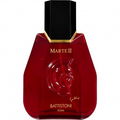
Marte Arte - the god of war and the art - this naming suggests a great achievement, a powerful presence, a union of opposites. However, I actually find such a name choice quite strange, as war destroys art.
Marte Arte is, as expected, a challenging perfume, and it contains some notes that I consider problematic. Ambrette seeds sometimes head in a similar direction as fennel and celery. Elemi resin, with its strange breadth, is also not one of my favorites, and when strong woods and sharp pepper join in, much points to a bitter, unbalanced scent.
To some extent, Marte Arte is that too. The beginning is already strange - a kind of very dark fruit note. I immediately get the association of blackberry bushes in a much too hot late summer in southern regions, where the berries are practically cooked on the bush!
Then it gets ugly. Bitter, licorice-like wood notes hit hard. I already wonder if my sample has gone off - it hasn't, it is supposed to be like this. After a short time, the storm of war subsides - and indeed, a fine, elegant, delicate green note emerges. I can't quite place what it is, but it is beautiful! It slightly reminds me of woodruff. Does it smell like honeysuckle? This elegant note is especially present in the projection, so one should refrain from sniffing the sprayed skin directly.
Thus, it is clear that the name Marte Arte reflects the oppositeness elaborated in the perfume. The brutal rule of war, combined with classical elegance, and all of it from Italy - this triggers associations in me.
I remember my first visit to Milan - a city still shaped by Italian architecture from the 1930s. Under Mussolini, buildings were constructed differently than under Hitler. No Germanic fortresses, but Roman castelli, equally reducing the individual person - yet always maintaining a classical measure! This variant of perfidious fascist aesthetics is much harder to escape than the primitive megalomaniacal Germania designs of Albert Speer.
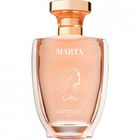
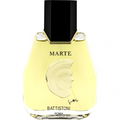
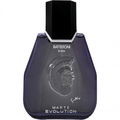
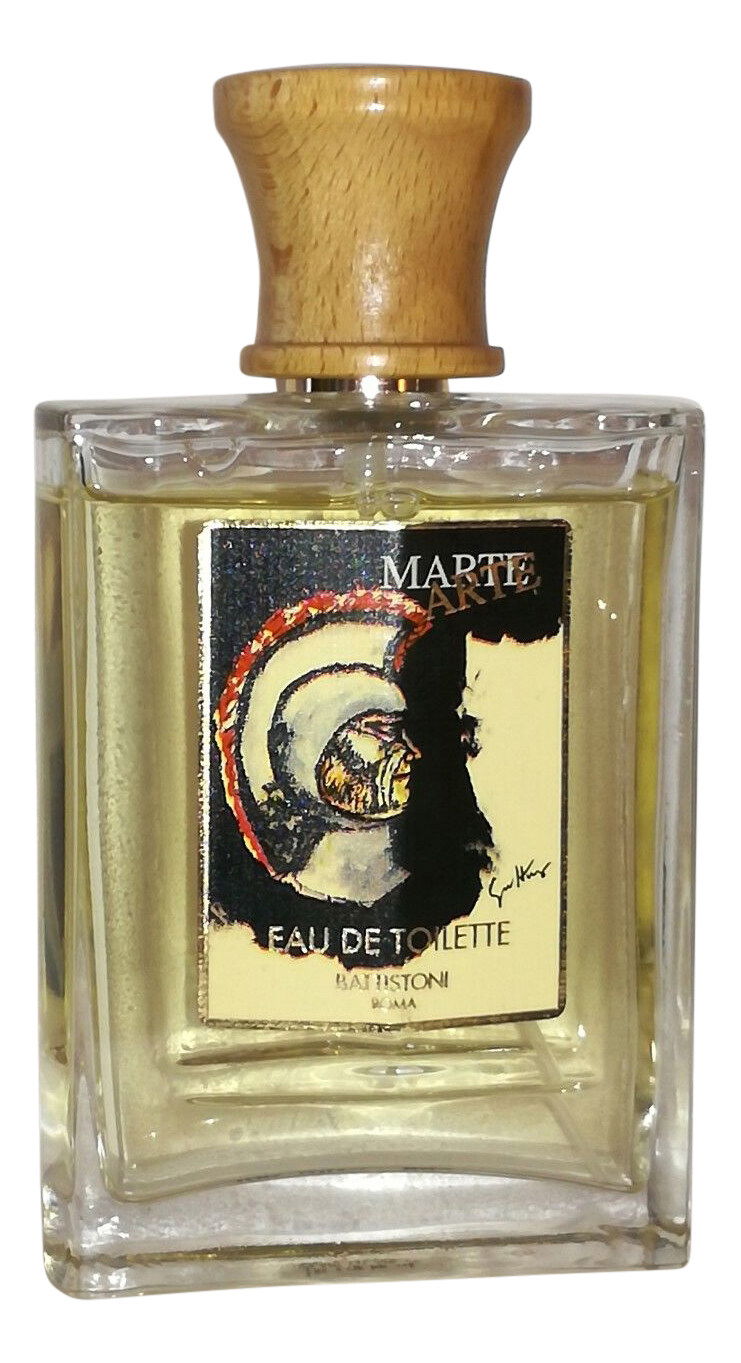
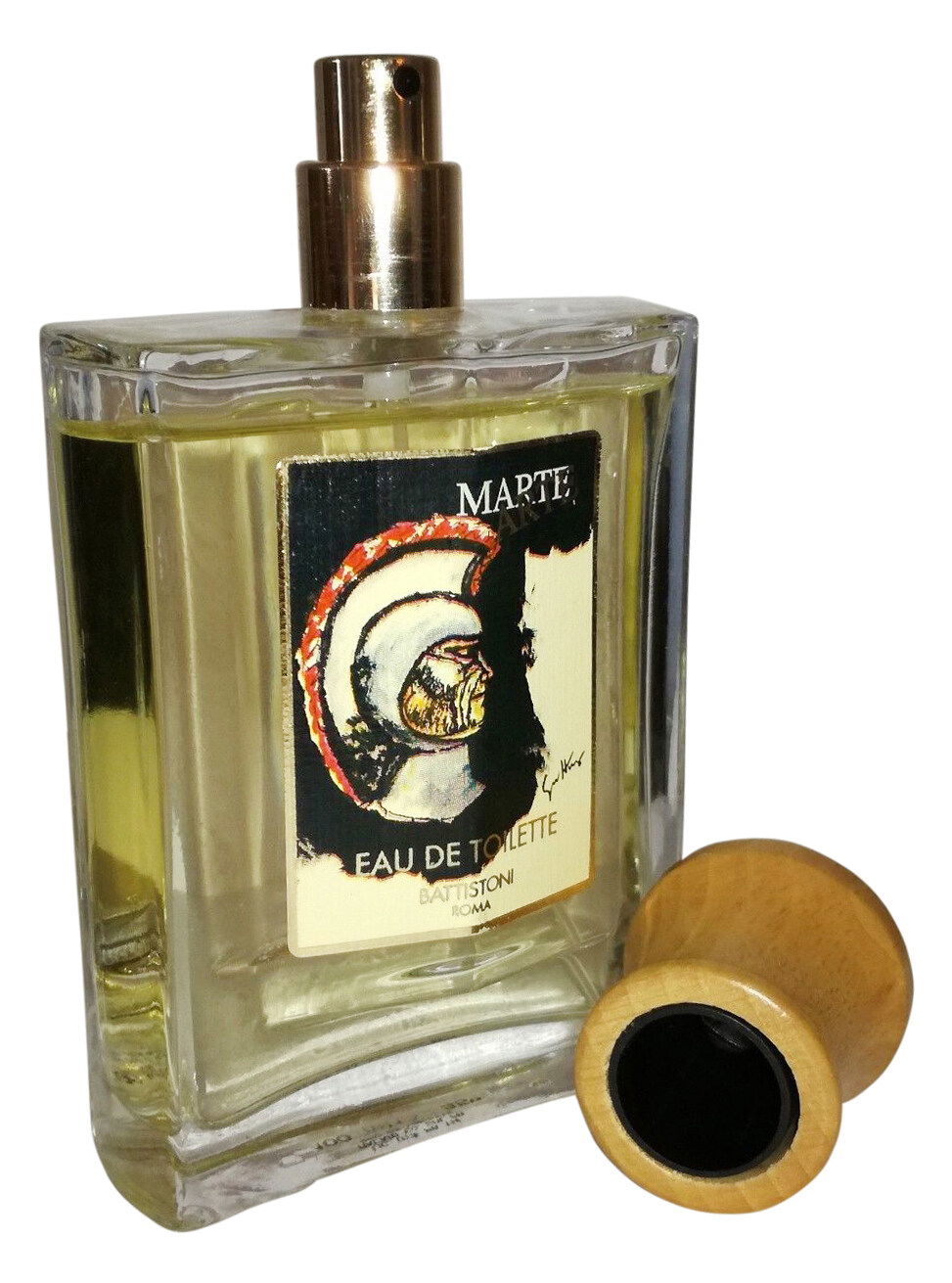
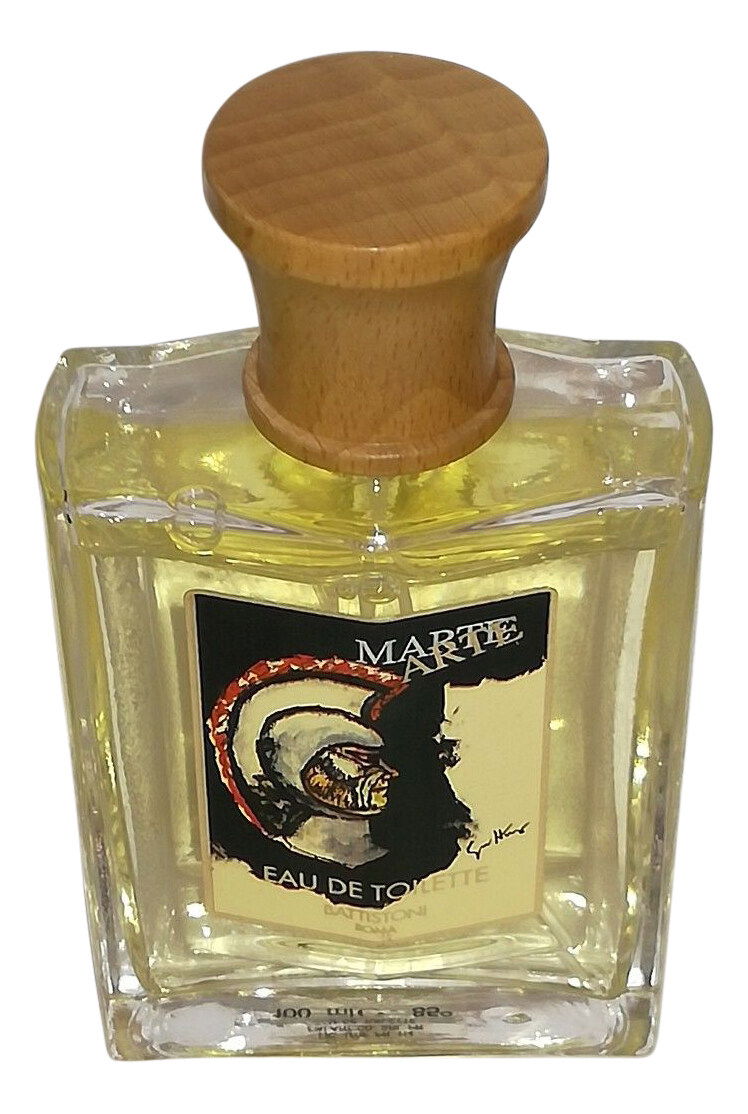
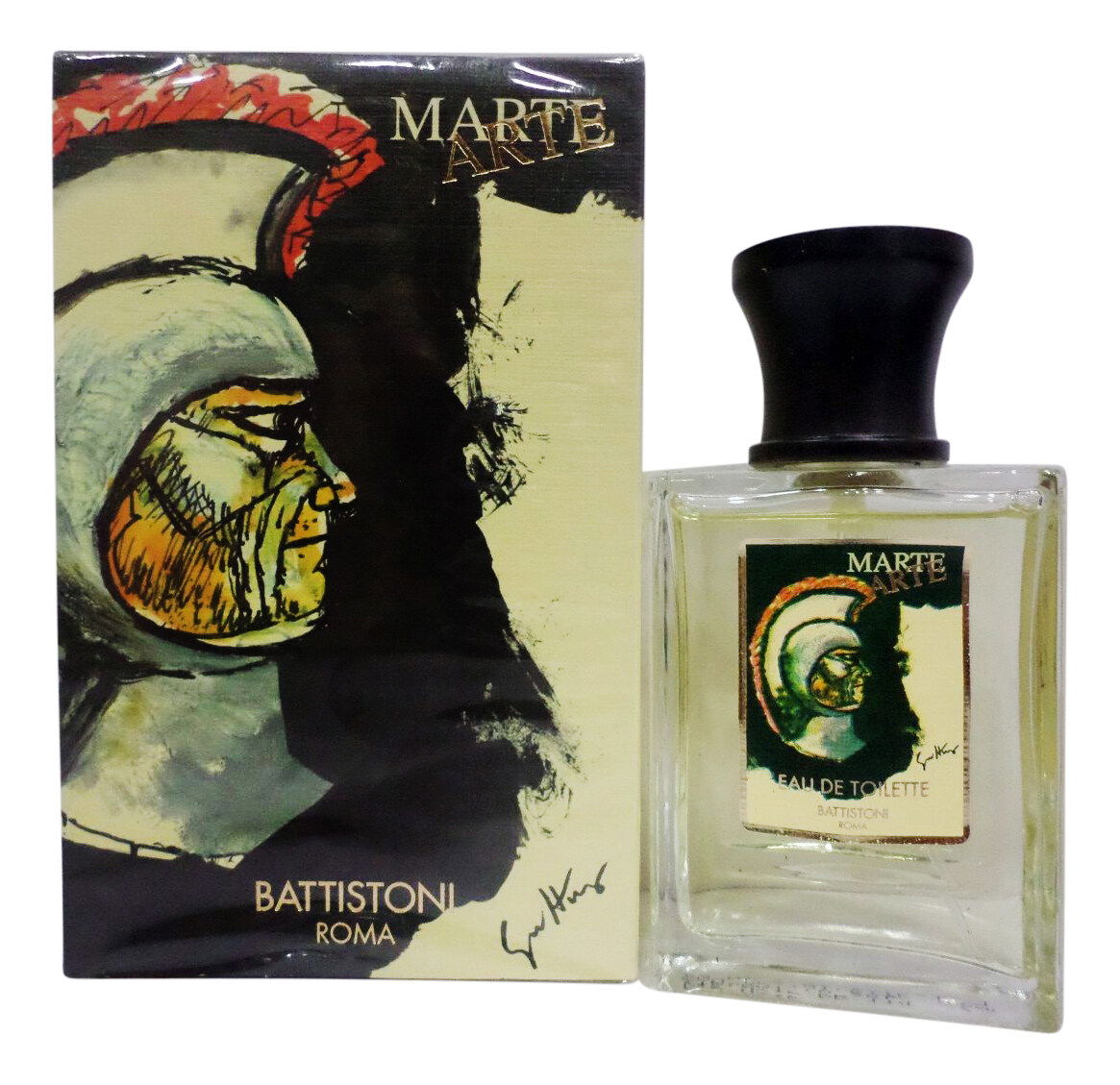
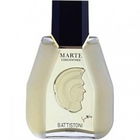
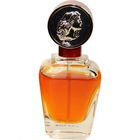
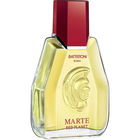
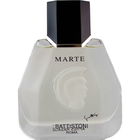
And Marte Arte affects me somewhat like that. Can a perfume be fascist? Looking at the Roman legionnaire head on the bottle, I wonder who they actually want to sell this to.
Nevertheless: I would personally ultimately deny the question of a political-ideological content of a perfume. Here I adhere to the motto: I give you no scent!
Marte Arte - the god of war and the art - this naming suggests a great achievement, a powerful presence, a union of opposites. However, I actually find such a name choice quite strange, as war destroys art.
Marte Arte is, as expected, a challenging perfume, and it contains some notes that I consider problematic. Ambrette seeds sometimes head in a similar direction as fennel and celery. Elemi resin, with its strange breadth, is also not one of my favorites, and when strong woods and sharp pepper join in, much points to a bitter, unbalanced scent.
To some extent, Marte Arte is that too. The beginning is already strange - a kind of very dark fruit note. I immediately get the association of blackberry bushes in a much too hot late summer in southern regions, where the berries are practically cooked on the bush!
Then it gets ugly. Bitter, licorice-like wood notes hit hard. I already wonder if my sample has gone off - it hasn't, it is supposed to be like this. After a short time, the storm of war subsides - and indeed, a fine, elegant, delicate green note emerges. I can't quite place what it is, but it is beautiful! It slightly reminds me of woodruff. Does it smell like honeysuckle? This elegant note is especially present in the projection, so one should refrain from sniffing the sprayed skin directly.
Thus, it is clear that the name Marte Arte reflects the oppositeness elaborated in the perfume. The brutal rule of war, combined with classical elegance, and all of it from Italy - this triggers associations in me.
I remember my first visit to Milan - a city still shaped by Italian architecture from the 1930s. Under Mussolini, buildings were constructed differently than under Hitler. No Germanic fortresses, but Roman castelli, equally reducing the individual person - yet always maintaining a classical measure! This variant of perfidious fascist aesthetics is much harder to escape than the primitive megalomaniacal Germania designs of Albert Speer.
And Marte Arte affects me somewhat like that. Can a perfume be fascist? Looking at the Roman legionnaire head on the bottle, I wonder who they actually want to sell this to.
Nevertheless: I would personally ultimately deny the question of a political-ideological content of a perfume. Here I adhere to the motto: I give you no scent!
2 Comments
 Parfusion
 Yatagan
 Andu
Andu Fischlandmen
 Hibernation
 Gekko
Gekko

![Marte [Collezione Privata] - Pepe & Vetiver by Battistoni](https://media.parfumo.com/perfumes/80/8056cb-marte-collezione-privata-pepe-vetiver-battistoni_1200.jpg?width=140&aspect_ratio=1:1)
![Marte [Collezione Privata] - Zenzero & Sandalo by Battistoni](https://media.parfumo.com/perfumes/75/75795a-marte-collezione-privata-zenzero-sandalo-battistoni_1200.jpg?width=140&aspect_ratio=1:1)