Lemon scents can be softer than one might expect. Many are quite feminine (Monsieur Balmain, Eau d'Hermes...) and ultimately very wearable by both genders.
I will come back to the most famous wearer of this fragrance during the course of the description.
In England, however, there is a very old tradition of entirely different citrus scents that, upon first try, almost resemble a whip crack. Truefitt & Hills West Indian Limes is one of them (a subtle representative), but of course also the menthol-like sharp scents from the 19th century, such as Geo F. Trumper's Wellington, Crowns Town & Country, and of course Penhaligon's Blenheim Bouquet.
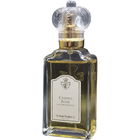
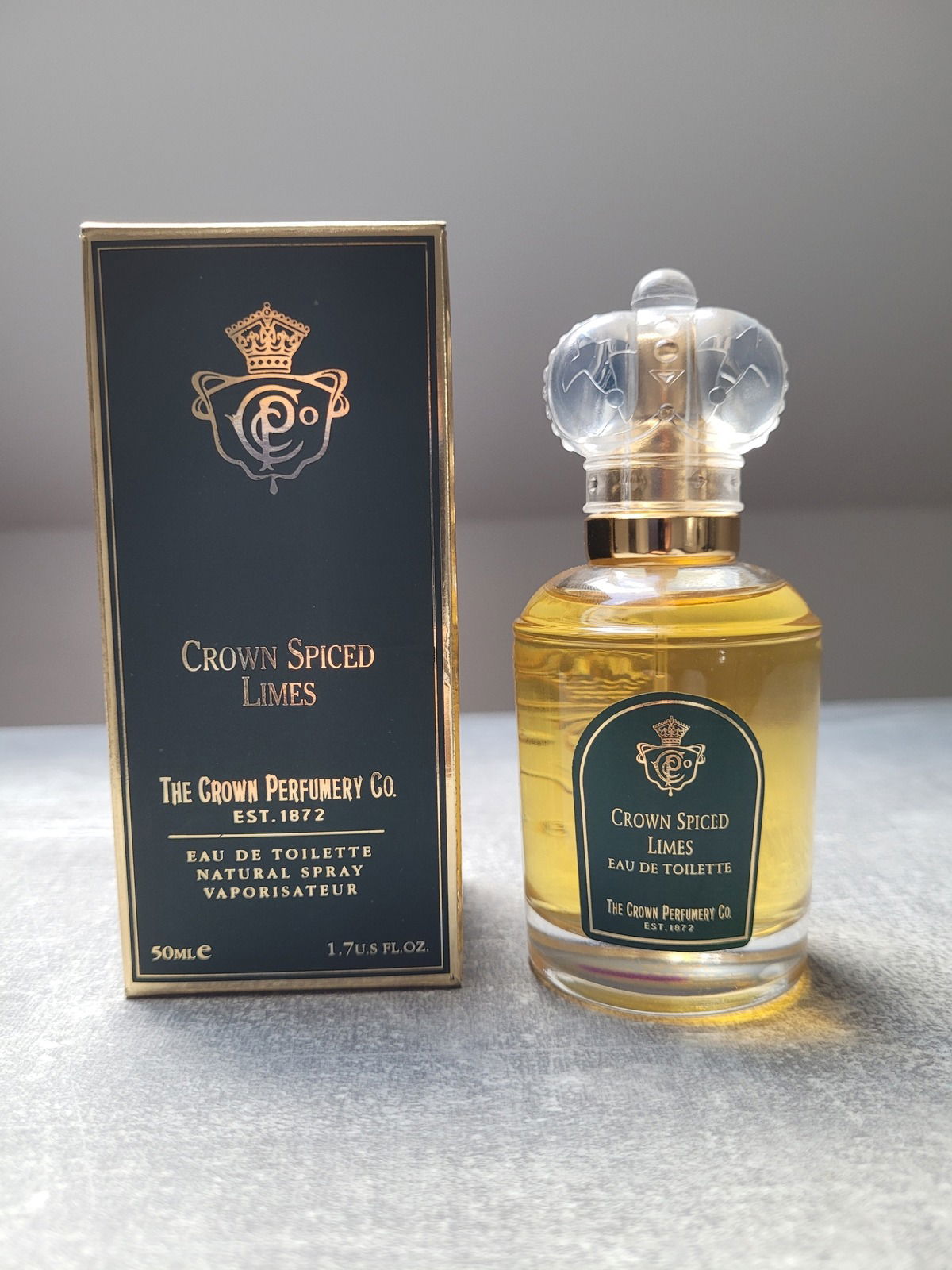
A special and distinctly different representative is the equally sharp yet gentle Spiced Limes from Crown, that lost brand which emerged from a corset manufacturer in the 1860s, initially aiming to counteract the fainting spells of tightly-laced ladies with scent waters and smelling salts, eventually finding its way into fragrances and thus becoming one of the leading English perfume manufacturers until the beginning of World War II.
The fact that British fragrance history is not just a minor sidetrack in the history of perfume can already be seen in the large number of British court suppliers that still exist today and are among the oldest perfume manufacturers and producers in the world (Floris, for example, founded in 1730 by a Menorcan in London, is considered by many connoisseurs, depending on interpretation and presentation, to be the oldest perfume manufacturer in the world; the only real competition could be the Cologne house Farina: with some interruptions, its tradition is even older - see my comment on Russian Leather).
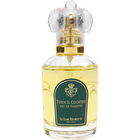
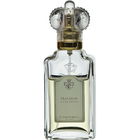
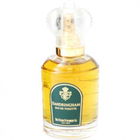
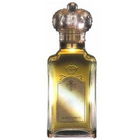
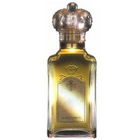
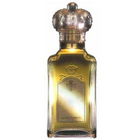
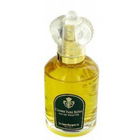
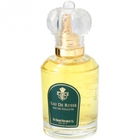
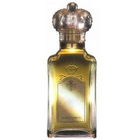
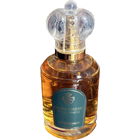
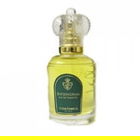
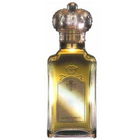
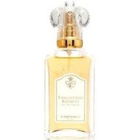
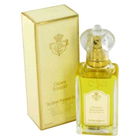
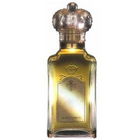
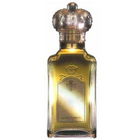
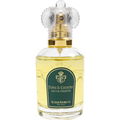
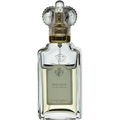
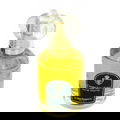
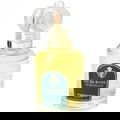
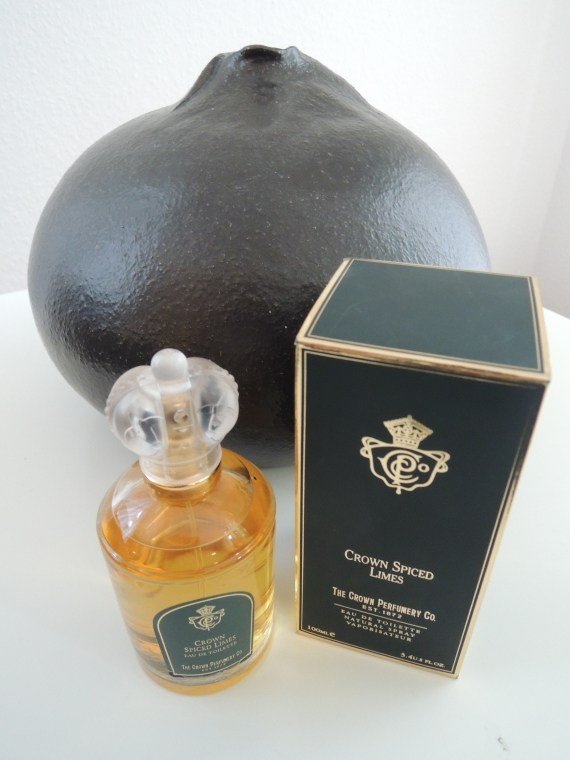
Back to the fragrance discussed here, Crown's Spiced Limes, whose ambivalent character can be quite fascinating, especially because it is no longer produced in this form: Crown was revived as a brand in 1994 but was then bought by furniture manufacturer Clive Christian (known to most as the producer of Clive-Christian fragrances) in 1999 after the almost inevitable bankruptcy due to the elaborate production, and was buried in 2002 despite an initially promising revival, sacrificed to the luxury division of the manufacturer. Since I have pointed out this connection several times before, I will spare further explanations and only refer to the similarity of the bottles from Clive Christian and Crown, particularly the women's bottles, which were square, unlike the round men's bottles (a specimen can be seen in a photo of mine on this page, as well as in the fragrances Eau der Russe and Eau de Quinine).
On the long-defunct homepage or in the old advertising for the Crown brand fragrances, they proudly boasted of famous former wearers of the brand. For Spiced Limes, one could read with astonishment that a former wearer of the fragrance was Lawrence of Arabia; mind you, the historical T.E. Lawrence, not Peter O'Toole, who portrayed him brilliantly in the rightly famous film classic. Given the prominence of this fragrance and the refreshing and invigorating effect it exudes, this may not be a fairy tale but rather the truth: a scent made for Arabia.
Spiced Limes opens with a note that somewhat resembles hairspray. There is a sharpness that can almost take your breath away at first, smelling somewhat herbaceous and bitter, which is found in many English fragrances, particularly strong in Crown Eau de Quinine or Floris No. 89 (old formula). The herbal components, alongside lime and lemon, likely contribute to this initial impression. Additionally, the combination with bergamot may also create this accent: bergamot oil is not very sweet, has a strict character, even though it does not appear as bitter as the bergamot oil used in Earl Grey tea, where it fully unfolds its bitter-sweet character.
The further development of the fragrance is determined by the strong, distinctive, almost impressive contrast between the citrus components (in my opinion, lemon is in the foreground, while lime remains somewhat paler) on one hand and the spice notes on the other. Cinnamon can be particularly discerned - and this is probably not a contrast that is often developed in fragrances: lemon and cinnamon, two strong scent components, two strong accents that almost threaten to tear the fragrance apart. This is what I meant at the beginning with the whip crack. It demands quite a bit from the nose and is not among the common scent components.
This contrast is supported and carried by the scent of nutmeg, which here also stands in beautiful distance to the lemon, but despite its bitterness and spicy sharpness harmonizes better than the cinnamon, which tends to lean in a different direction due to its soft-sweet undertone.
Of course, a classic English fragrance cannot do without clove. Anyone who is a bit familiar with English aftershaves, hair tonics, and possibly their American counterparts (e.g., Lucky Tiger, Clubman) will know the typical Bay Rum scent, which one can only love or hate. Even long-term habituation in captivity cannot really change such a fundamental attitude. Of course, Spiced Limes is not the feared rum-clove note from the classic Bay Rum that is legendary in America and England. However, a slight kinship seems to shine through, as the clove here is not subtle but rather quite noticeable.
Among all these strong scents, vetiver would actually be imperceptible to me; but knowing that it is present, one can sense its presence and understand that its sour-earthy tone fits very well into the concept of lemon and spices. Oak moss, on the other hand, primarily serves to provide a gentle rounding, creating a base on which the other components can rest.
One might mourn this fragrance and regret its demise if it weren't for the commendable Anglia Perfumery, supported by Lothar Ruff, a fragrance enthusiast from Berlin, who still operates a charming, worth-visiting shop under the label The English Scent, is present there, and whose enthusiasm ensured that the Crown fragrances did not disappear but continue to be produced in England under the new brand name Anglia Perfumery. Certainly, Spiced Limes, with its citrus notes and oak moss in the base, had to be reformulated, but it remains a classic English fragrance of special radiance in the new version.
A battle-tested hero like Lawrence of Arabia could hardly be mistaken. It is hard to imagine: this fragrance could have inspired him.

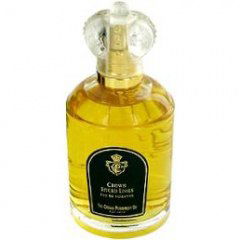


 Top Notes
  Lemon
Lemon Lime
Lime Heart Notes
  Basil
Basil Clove
Clove Nutmeg
 Bergamot
 Cinnamon
 Base Notes
  Oakmoss
 Vetiver




 Schoeibksr
 Ergoproxy
 Yatagan
 Eggi37
 Floyd
Floyd Gold
Gold Chizza
 Ledersessel
 Anosmat3000
 Rotti75