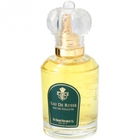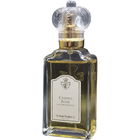
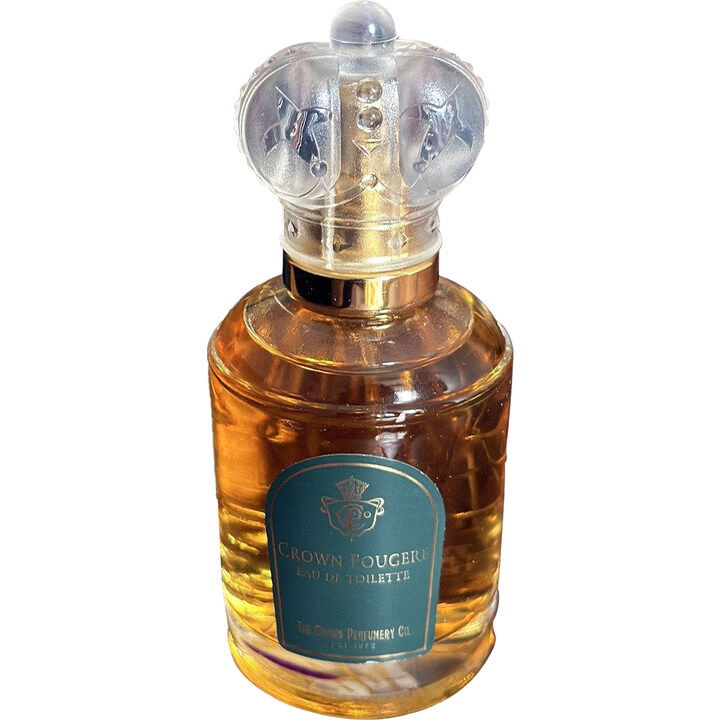


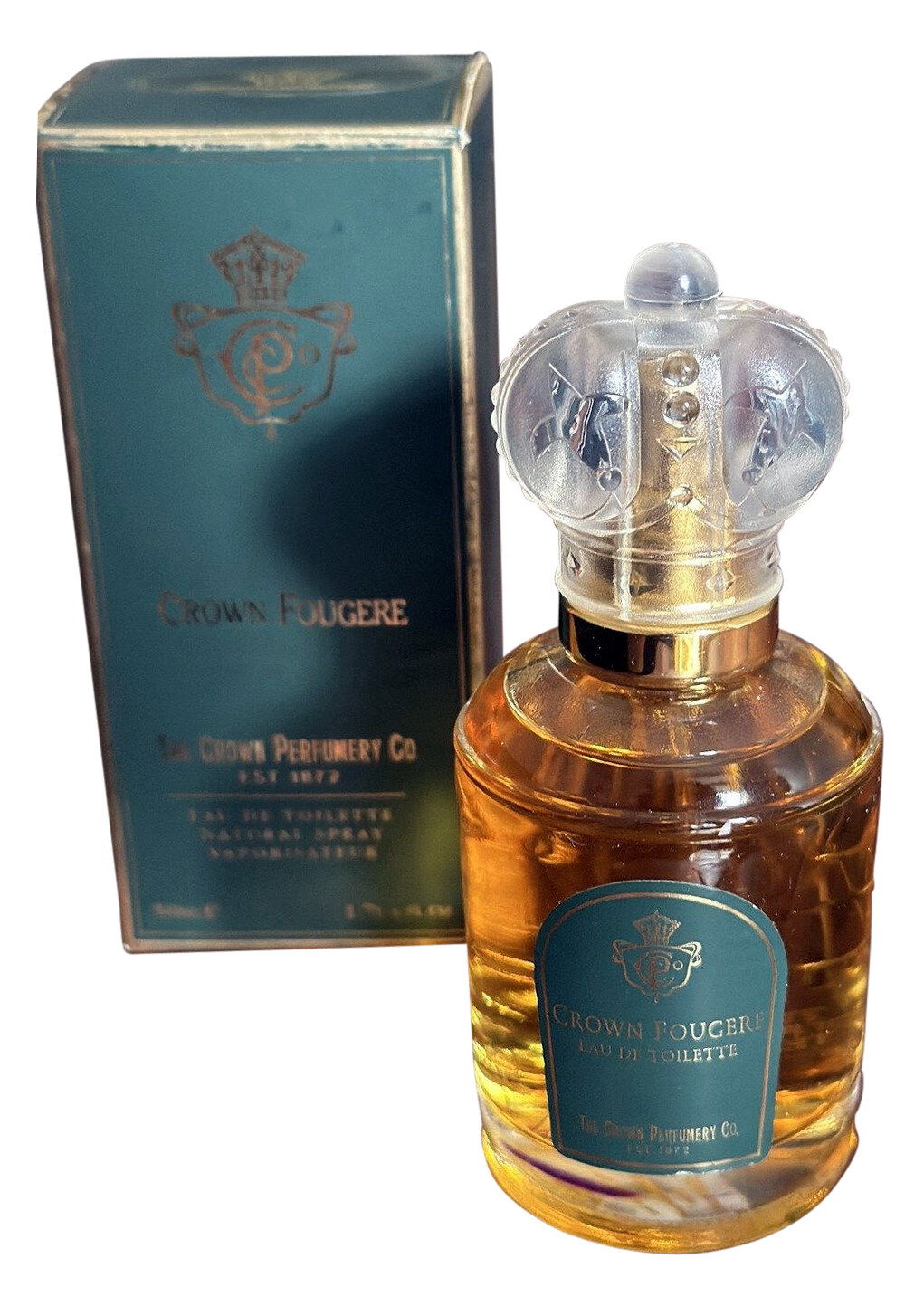
 Top Notes
  Geranium
 Lavender
 Heart Notes
  Fern
Fern Spices
 Base Notes
  Cedarwood
 Patchouli
 Sandalwood
DasguteLeben
136 Reviews
Translated · Show original
DasguteLeben
6
Ad Fontes
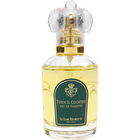
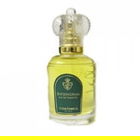
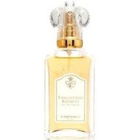
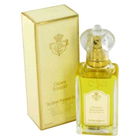
In the history of Crown Perfumery, the highs and lows of perfume as economic history are reflected. William S. Thomson was a bustling American businessman who was significantly involved in the industrial corset business on both sides of the Atlantic and, starting in 1872, also tried his hand in the perfume and cosmetics business - with a modern marketing-oriented approach that emphasized "packaging." This marked the beginning of the success story of Crown Perfumery, which soon, with the aid of the advertising-effective Victoria crown (although there was never a Royal Warrant), distributed a wide portfolio of scented salts, care products, and fragrances beyond English borders. Crown benefited from the boom of modern perfumery, which originated in France and England. New extraction technologies, chemical synthesis, and a bourgeois audience with leisure and money, which for the first time defined itself through consumption, came together. Crown Perfumery was also marketed intensively in the USA starting in 1885, with significant advertising efforts.
With Fougère Royale, Houbigant launched the first partially synthetic perfume in 1882 - it contained a large proportion of Coumarin - a substance found in tonka beans and woodruff, which was chemically synthesized for the first time in 1868. Coumarin smells hay-sweet, and Fougère Royale's "fern-like" soapy-green accord of lavender, Coumarin, and oakmoss became defining for an entire genre of fragrances, namely the Fougères, which developed into the standard of men's perfumery. Crown Fougère is an early part of this story, as are the still-produced products from Geo. F. Trumper (Wild Fern) and Penhaligon's (English Fern). 1880 (pre-Houbigant) is a questionable date, but it is clear that every house at that time soon had a Fougère in its range, with which gentlemen could scent their handkerchiefs.
Crown Perfumery celebrated some successes, but in the 1920s, the company was sold to Lever Brothers (later Unilever) after Thomson's death, who primarily used it as a brand for hair products, and closed its doors permanently in 1939 - evidently, the market had moved past the conservative style of the house, as it did with many other traditional companies (big names like Farina, Houbigant, Penhaligon's went under or degraded to cheap drugstore brands by the interwar period).
1985 - a few years too early to benefit from the Victorian retro boom - the perfume enthusiast and chemist Barry Gibson began to revive the brand and launched 27 fragrances in his own boutiques starting in 1993, in excellent qualities, but the concept ultimately did not take hold, and by the late 90s, Clive Christian took over the brand name and successfully transformed Crown into a niche house with mediocre but exorbitantly expensive fragrances, essentially as a pioneer of very questionable developments in the high-end fragrance business (quality irrelevant, as long as it is expensive and stylistically appealing to oligarchs and sheikhs). Nevertheless, Thomson was ultimately not an aesthete but a profit-oriented investor, so sentimental nostalgia may indeed be misplaced.
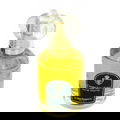
At least for a few years, there was the opportunity to acquire the truly beautiful and historically significant fragrances of Crown Perfumery as leftovers: vibrant, serious reconstructions of classic compositions, whose sex appeal was understandably somewhat limited (think of Imperial, Quinine, Buckingham, and other "difficult" fragrances). The lavender-green-soapy Crown Fougère is no exception - it is not coincidental that it reminds one of soap (because it has traditionally been perfumed as a Fougère) and less of its more complex descendants like Dunhill (1934), Moustache (1949), Paco Rabanne (1973), Azzaro, Dior Fahrenheit, up to Cool Water. I still enjoy wearing it with a classic suit and can appreciate it. It is the scent of "civilization" and "progress," as the Victorians could still imagine it unbroken, before the cataclysms of the 20th century, and a vibrant monument of perfume history that must touch every fragrance aficionado.
With Fougère Royale, Houbigant launched the first partially synthetic perfume in 1882 - it contained a large proportion of Coumarin - a substance found in tonka beans and woodruff, which was chemically synthesized for the first time in 1868. Coumarin smells hay-sweet, and Fougère Royale's "fern-like" soapy-green accord of lavender, Coumarin, and oakmoss became defining for an entire genre of fragrances, namely the Fougères, which developed into the standard of men's perfumery. Crown Fougère is an early part of this story, as are the still-produced products from Geo. F. Trumper (Wild Fern) and Penhaligon's (English Fern). 1880 (pre-Houbigant) is a questionable date, but it is clear that every house at that time soon had a Fougère in its range, with which gentlemen could scent their handkerchiefs.
Crown Perfumery celebrated some successes, but in the 1920s, the company was sold to Lever Brothers (later Unilever) after Thomson's death, who primarily used it as a brand for hair products, and closed its doors permanently in 1939 - evidently, the market had moved past the conservative style of the house, as it did with many other traditional companies (big names like Farina, Houbigant, Penhaligon's went under or degraded to cheap drugstore brands by the interwar period).
1985 - a few years too early to benefit from the Victorian retro boom - the perfume enthusiast and chemist Barry Gibson began to revive the brand and launched 27 fragrances in his own boutiques starting in 1993, in excellent qualities, but the concept ultimately did not take hold, and by the late 90s, Clive Christian took over the brand name and successfully transformed Crown into a niche house with mediocre but exorbitantly expensive fragrances, essentially as a pioneer of very questionable developments in the high-end fragrance business (quality irrelevant, as long as it is expensive and stylistically appealing to oligarchs and sheikhs). Nevertheless, Thomson was ultimately not an aesthete but a profit-oriented investor, so sentimental nostalgia may indeed be misplaced.
At least for a few years, there was the opportunity to acquire the truly beautiful and historically significant fragrances of Crown Perfumery as leftovers: vibrant, serious reconstructions of classic compositions, whose sex appeal was understandably somewhat limited (think of Imperial, Quinine, Buckingham, and other "difficult" fragrances). The lavender-green-soapy Crown Fougère is no exception - it is not coincidental that it reminds one of soap (because it has traditionally been perfumed as a Fougère) and less of its more complex descendants like Dunhill (1934), Moustache (1949), Paco Rabanne (1973), Azzaro, Dior Fahrenheit, up to Cool Water. I still enjoy wearing it with a classic suit and can appreciate it. It is the scent of "civilization" and "progress," as the Victorians could still imagine it unbroken, before the cataclysms of the 20th century, and a vibrant monument of perfume history that must touch every fragrance aficionado.
2 Comments




 Yatagan
 Eggi37