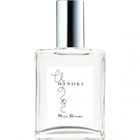
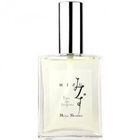
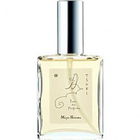
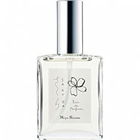
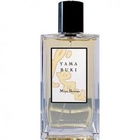
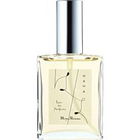
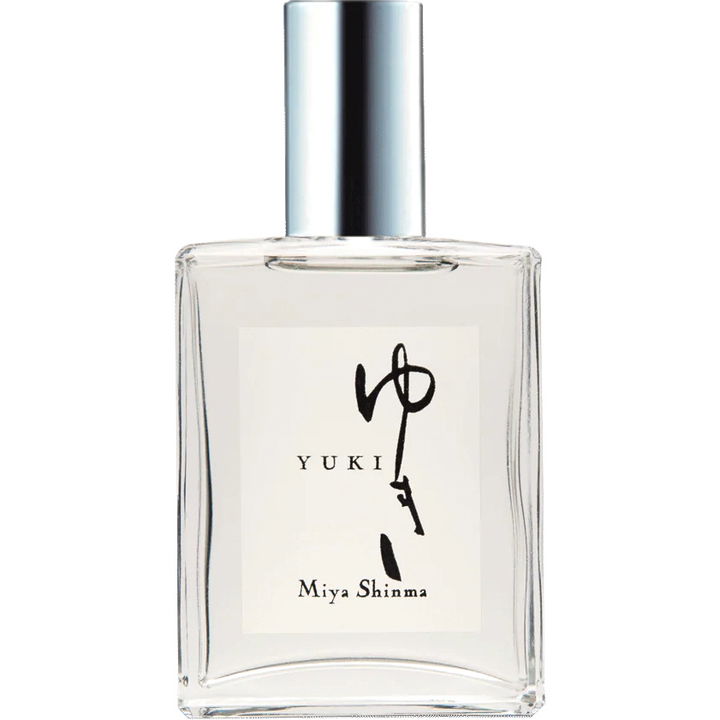
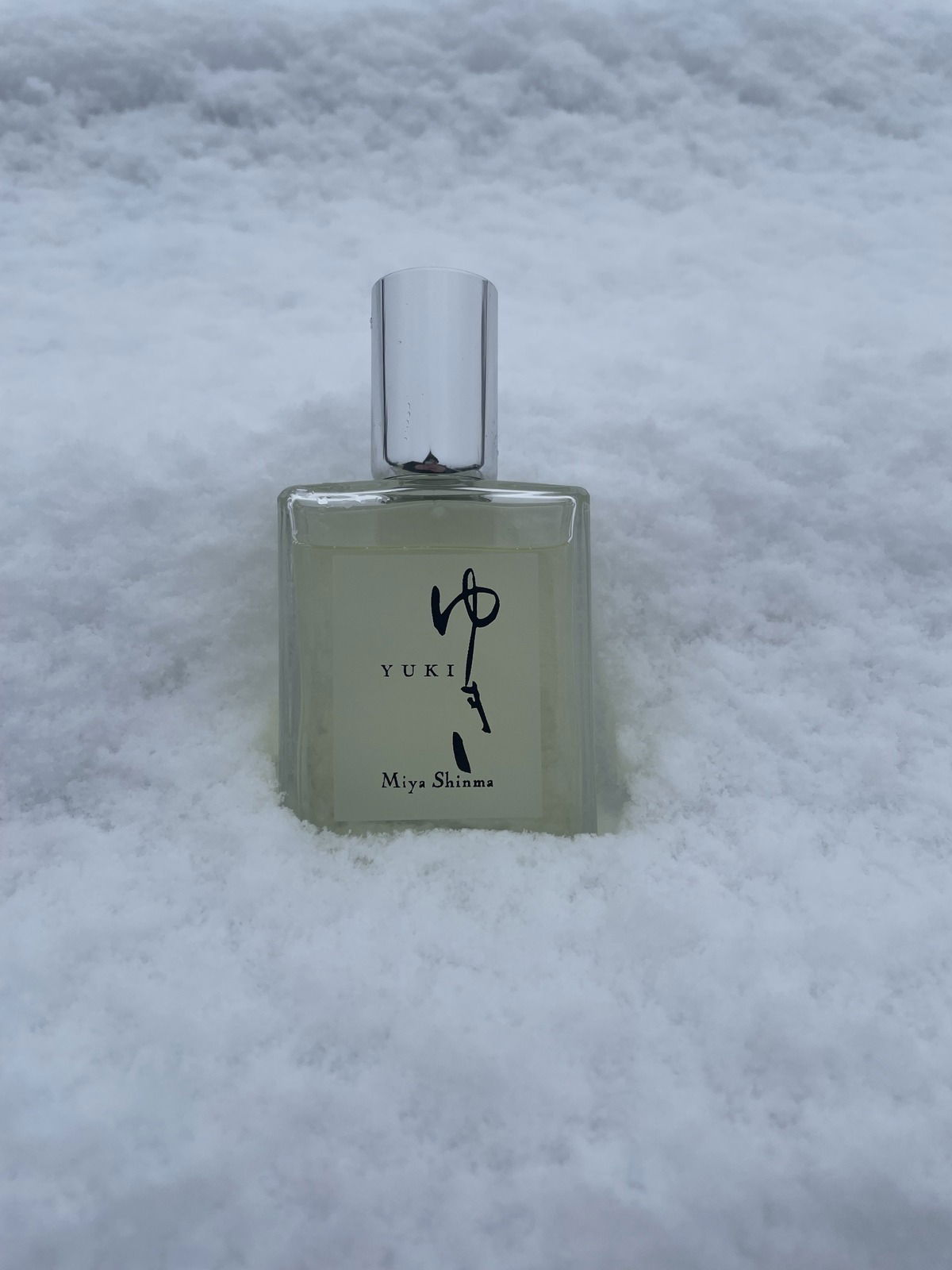
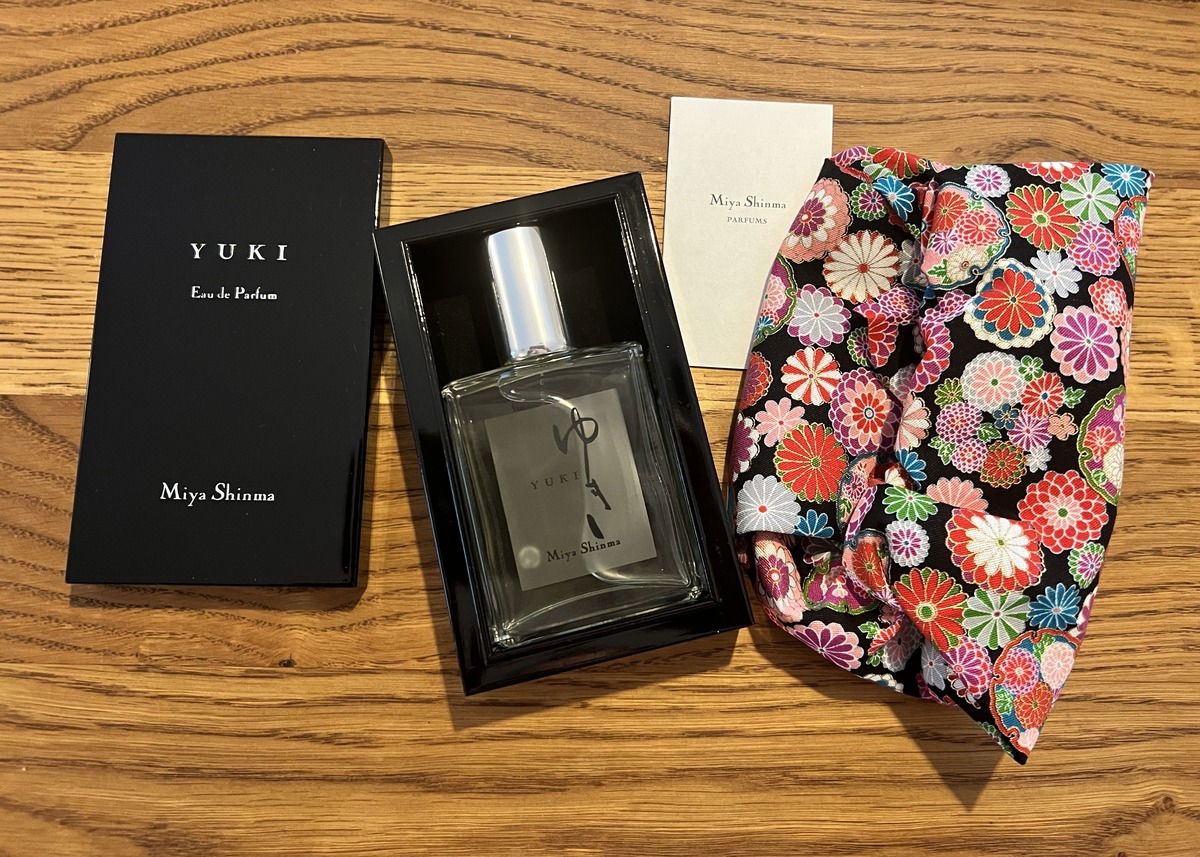
Yuki is definitely an extraordinary fragrance that you don't smell on every street corner. This pleases me all the more, as I love being surprised.
For me, Yuki is a very creative approach to a theme that many try:
The scent of winter, the scent of snow.
The truly bizarre aspect of this theme or the artistic approach lies in finding notes that smell of cold and winter, even though winter air is rather "odorless" in the sense of not being packed with heavy floral and blossom aromas, dry grasses, and fermenting fruits, but rather clean, pure, cool, sometimes piercing, smelling of earth, moisture, wood, and occasionally wet grass. So it is free from many aromas that perfumes usually consist of. Therefore, in my opinion, the interpretation of the theme "scent of winter" is also very subjective. A "rose des neige" (Les Parfums de la Rosine) or a "snowing rose" (Masaki Matsushima) does not smell like winter to me, because lush roses have no place in winter, even if the scent has aquatic undertones. For others, it is certainly quite different.
Now, back to Yuki. Perhaps I find the theme of winter so well executed here because I share the association of lavender with coolness, and lavender radiates for me this aromatic-fresh note, as if the other flowers have long faded and now it is just the scent of the damp, raw earth. This is as bizarre as seeing rose as a winter scent, as the smell of lavender is characteristic of the absolute midsummer - and if I were, for example, from Provence, my associations would certainly be quite different.
Yuki thus starts with this cool-fresh lavender note that radiates calm, as if the snow covers the earth and life is allowed to slow down for a while. Woody notes join in. I associate this with the cold, snow-covered earth in a forest, the wet tree trunks, the cool, damp, mossy bark. The scent smells very much like natural essential oils, like lavender and the essential oil of woods (Hinoki is said to smell like cypress and lemon according to the internet. I perceive cedar as only a supportive note). Together they harmonize beautifully, the scent is very calm, very aromatic-fresh, very quiet. The note "snow in the forest" through lavender & Hinoki wood rests on a powdery musk-vanilla base, which becomes more prominent after about an hour, a note to snuggle into after coming home from the cold winter outside in the forest to enjoy a warm cup of tea, to curl up on the couch next to a loved one and/or a beloved pet. The lavender has now beautifully blended with the other notes into a lovely, soothing, unsweet vanilla scent that also appears very natural. Fortunately, I don't smell the oak moss at all (head note), but I can imagine that it helps to create this cool-fresh aura. I only occasionally catch a whiff of jasmine, which supports a bit in the background.
Conclusion:
Yuki is, for me, the scent of winter, without "really" smelling like snow, as it evokes exactly the same associations for me as snow, and I love it for being so calm and cozy, comforting and quiet. It radiates class, elegance, calmness & serenity. It gives the wearer a sense of adulthood and thus sexiness, because he/she does not need to smell explicitly "sexy." Yuki is therefore definitely unisex, likely wearable until spring and also from the foggy months in late autumn. I associate it with the color silver / silver-violet.
Edit 4 years later:
By now, I have been able to test a lot, but found nothing that would be more beautiful in this category. From the rough family of powdery-fresh lavender/musk-vanilla base, I have discovered the following. However, I would like to say that there is something that bothers me about all the fragrances.
Lethe Rimbaud both are warmer and sweeter
Pour Un Homme de Caron (1934) Eau de Toilette starts like aftershave
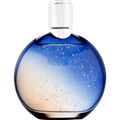
Midnight in Paris Eau de Toilette much sweeter and stronger and heavier
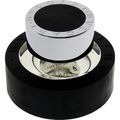
Bvlgari Black quite different, yet very similar to vanilla-musk/rest aromatic notes



 Top Notes
  French lavender
 Japanese lavender
 Heart Notes
  Cedarwood
 Hinoki cypress
 Jasmine
 Base Notes
  Musk
Musk Amber
Amber Oakmoss
 Vanilla








 Kitannanas
 Eggi37
 Ergoproxy
 Gandix
 Stulle
 Spatzl
 ParfumAholic
 Pollita
 Jeob
Jeob Chizza