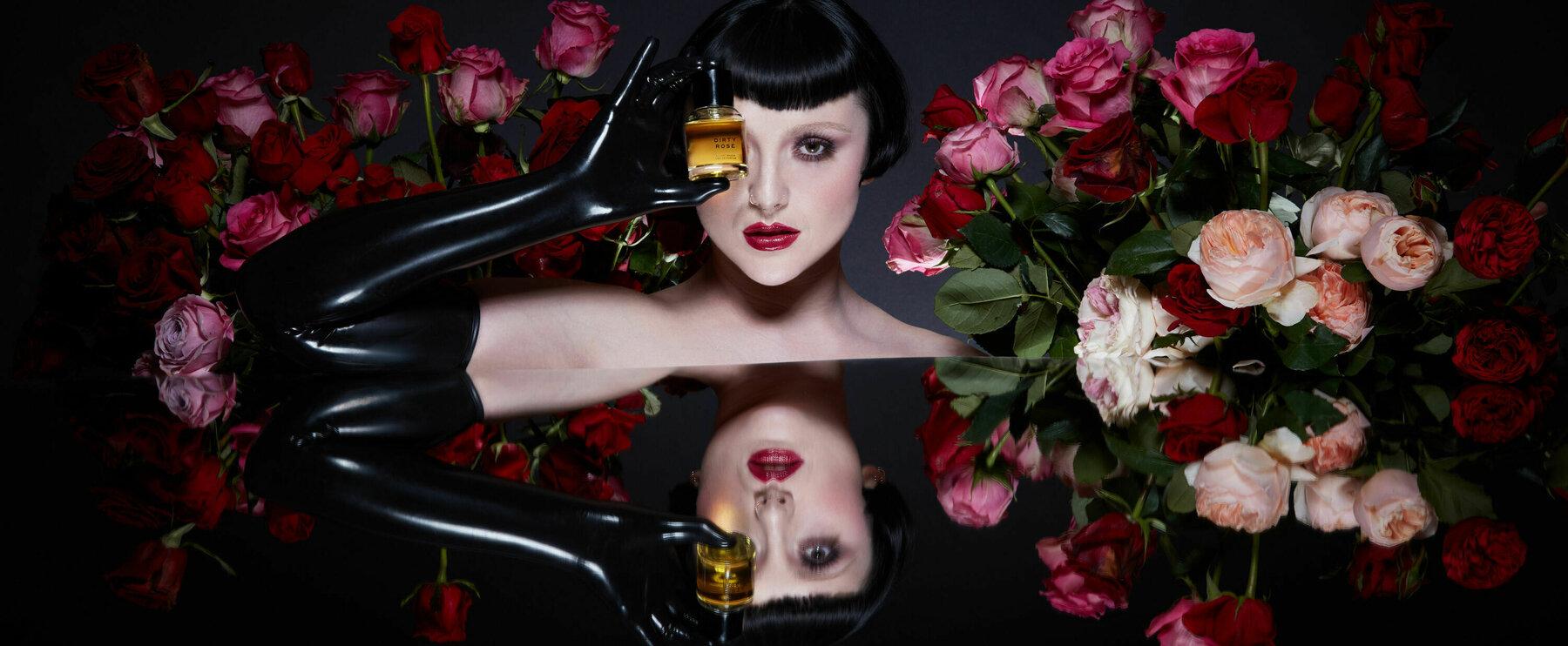


HOT IRON, COLD BLADE: THE RISE OF METALLIC SCENTS
I want to share some of my favorite fragrances with metallic notes that showcase a variety of styles. There is a pure metallic scent, a fresh and clean everyday option, a metallic gourmand, and a white floral metallic. It’s fascinating to explore the reasons behind this trend and the growing popularity of metallic fragrances. I will also highlight the materials used to create the metallic effects so you will know what to look for or what to avoid if you are not a fan of this group of fragrances.
Metallic fragrances occupy a space between freshness and unease, sensuality and industrial cool, and in recent years they have been quietly rising in popularity. Part of this comes from a desire for something different, as traditional perfume ideas begin to feel repetitive. Metallic accords offer novelty, tension, and contrast, making them especially appealing in a crowded market. This shift is most visible in niche perfumery, though some designer brands have embraced it as well.  Metallique and
  Ganymede Eau de Parfum were major hits that introduced the metallic fragrance trend to the mainstream. While the trend has gained momentum over the past five years, metallic perfumes are not entirely new. Earlier, iconic attempts laid the groundwork long ago. Notable examples include Comme des Garçons fragrances, such as
  Odeur 53 and
  Comme des Garçons 2.
Metallic accords can be challenging because they bypass the familiar language of fragrance. Most perfumes rely on comforting references such as vanilla, musk, rose, or amber to soothe the senses. Metal, by contrast, is alien to our olfactory memory. Stainless steel, copper, or iron, when recreated synthetically, register as sharp and slightly jarring, and this novelty alone can trigger discomfort. Many metallic notes feel cold or sterile, evoking industrial spaces, hospital corridors, or laboratories rather than cozy rooms. The effect can be beautiful but difficult to connect with on a visceral level.
Metallic accords can feel industrial or mechanized. Unlike floral, citrus, or woody notes rooted in nature, metallic molecules evoke machinery, architecture, and technology. They suggest objects rather than organic life. For some, this is exciting; for most, it can feel alienating. Let’s be honest, who wants to smell like a rusty robot or the Tin Man? Yet perhaps more people than we realize are drawn to it.

The fascination with robots, from kitschy perfume bottles to notes like metal, latex, and plastic, reflects a shifting aesthetic.  Phantom and
  Fame Eau de Parfum are well known for their robot-inspired bottles.
  The Ghost in the Shell perfume is designed to evoke the scent of cyborg skin and clinical metal.
Another issue with metallic scents is that they can evoke blood, rust, or iron, triggering deeply instinctual reactions. The human brain is wired to detect metallic, bloody odors for survival, so a perfume that hints at these sensations can feel unsettling or even repellent, even when used abstractly or in very small amounts. The metallic accord may be subconsciously associated with danger.
Metal in perfume is rarely literal. Often, fragrances advertised as metallic are more about a catchy name than the actual scent, and they end up smelling more like fresh vanilla or baby powder. There is also often a geranium note, which is known for its slightly metallic quality. It is frequently combined with rose notes to create a “metallic rose” impression. For me personally, though, it doesn’t quite achieve that effect, and I don’t enjoy the way it smells. I want to focus on perfumes where the metal is unmistakable, and I’ll start with the ultimate metallic fragrance that inspired me to write this piece:  Metal Redux.
METAL REDUX BY COUTEAU DE POCHE
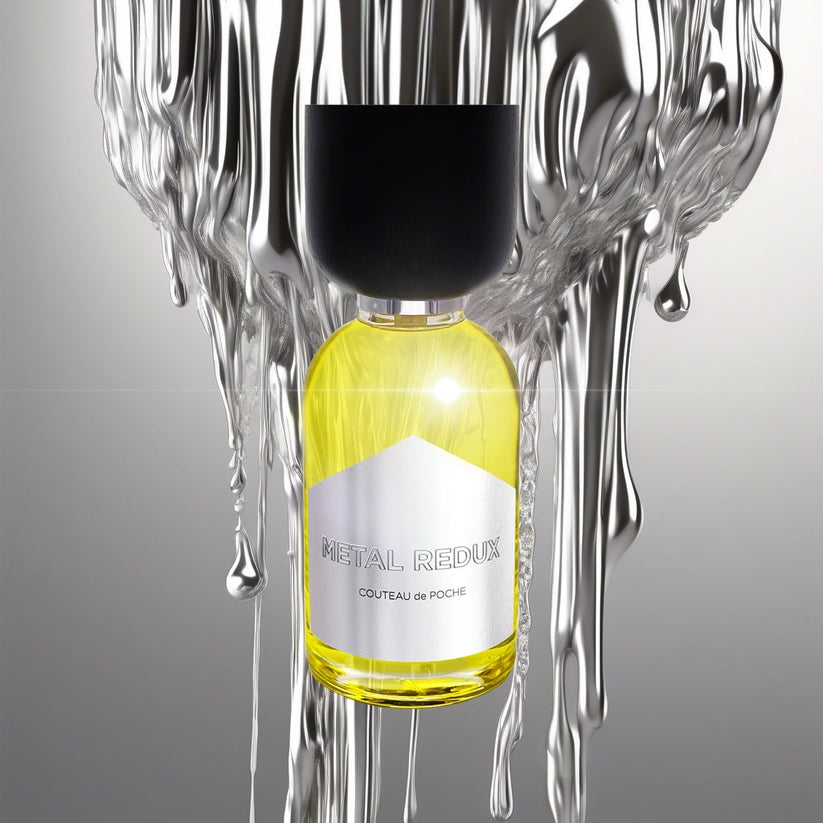
The start is bright and citrusy. A fluffy, airy, modern citrus. Light and immediately uplifting. My first thought was bright, sunny, solar. In the opening, I can’t say I get a lot of metal, not in a literal sense. What stands out more are modern, airy aldehydes, which provide freshness and lift to the fragrance. As it develops, I begin to smell frankincense and myrrh. At this stage, it feels like a light, aldehydic incense. Soft and diffused, not burning or smoky. An unlit, airy, fluffy incense with subtle citrus facets.
Then, about 1.5 to 2 hours in, things get interesting. The metal finally shows up and now it is true, cold metal and nothing else. The fragrance is pure metallic at this point: mineralic, aldehydic, clean, sterile, avant-garde, futuristic. Polished, lab-like metal.

So yes, the metal eventually arrives, fashionably late, but very chill and sci-fi.
It makes me think of  Seminalis, which uses bourgeonal, metallic aldehyde to imitate that cold, clean sensation. Also, I think of
  La vierge de fer, with its cold, ozonic character. But these fragrances are not super similar. They just share some elements, with different moods and fragrance genres.
H24 BY HERMES (EAU DE TOILETTE)
 H24 Eau de Toilette is a very cool, contemporary scent. It is perfectly suitable for everyday wear. It feels modern and distinct from most fragrances currently dominating the masculine market. I also find it completely unisex, and many women could wear it effortlessly.
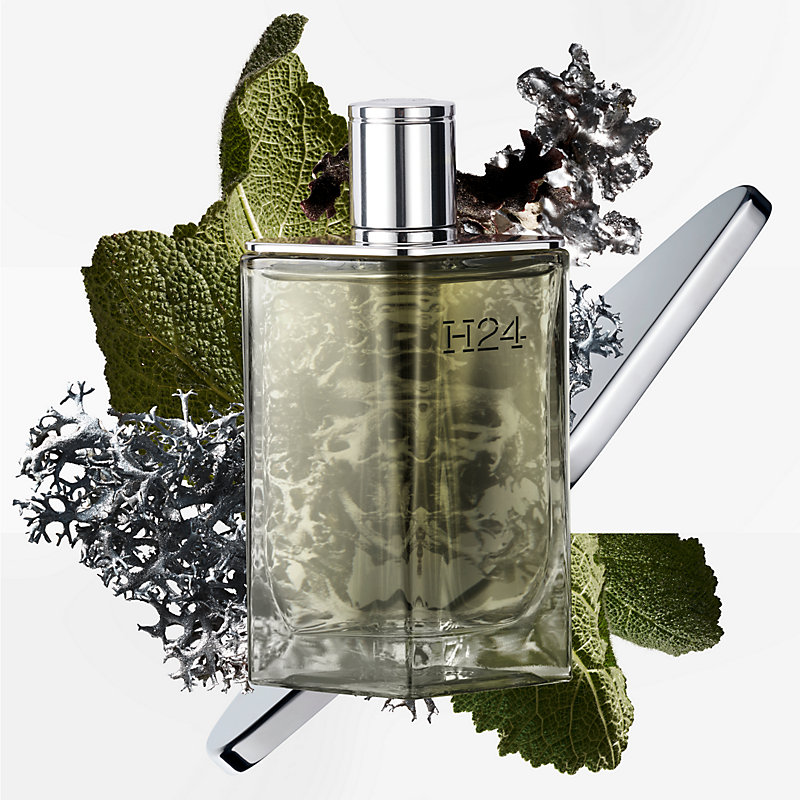
The scent opens with bitter green herbs, sage, and a striking metallic steam effect. It evokes the sensation of freshly washed shirts being steamed and ironed in a futuristic laundry room.

There is also a subtle, crisp plastic nuance that feels clean and smooth, like a transparent plastic raincoat hanging nearby. The metallic character of H24 comes largely from sclarene. Sclarene is an aroma molecule derived from clary sage and is often used to create modern, metallic, mineral, and slightly musky effects. It smells clean, airy, and subtly metallic, with a dry green transparency. In perfumery, it adds lift, structure, and a cool industrial sheen, helping to create impressions of steel, steam, and polished surfaces.
Overall, H24 is a minimalist composition. It brings to mind clean lines, avant-garde steel and glass architecture, and a futuristic aesthetic. It stands in clear contrast to the rich ouds, sweet vanillas, and dense ambers that are so popular right now. There is also a distinct vegetal facet running through the fragrance, likely driven by the sage. It feels green but not naturalistic, more like a futuristic greenhouse perched on top of a skyscraper.
CHELSEA STAIRCASE BY THIN WILD MERCURY
 Chelsea Staircase is a very interesting, hard-to-describe scent. Right off the bat I smell a dark, herbal honey. Not syrupy at all, more aromatic, with a touch of spice. There’s also a faint citrusy tea nuance, followed by a very unusual metallic note. Not cold, but warm and slightly rusty, like coins held in your hand and warmed by body heat. Something spicy keeps pulsing underneath. It’s a very strange composition, but oddly addictive. And somehow, it works. I haven’t smelled anything quite like it before.

The notes listed on their website are stretched canvas, antique iron / metal, lemon, Earl Grey tea, and sunflowers. But there’s clearly much more going on. It’s hard to pinpoint which aroma chemicals are at play, yet the impression is unmistakable. Spicy, fruity, metallic, honeyed, and floral all at once. Abstract, layered, and slightly disorienting in the best way, it feels more like an olfactory concept than a traditional note pyramid. As it dries down, the metallic facets slowly fade and the tea becomes more apparent, dry rather than citrusy, like loose tea leaves sitting in a jar.

I asked a friend to smell my hand after the scent had already settled for about an hour, and his first reaction was “guava… maybe some kind of tropical fruit?” So yes, it’s a strange one, and probably the kind of perfume that different people will perceive very differently. I think the perfumer’s idea was to capture the smell of a retro hotel, not literally, but in an abstract way. The composition feels like an attempt to bottle the atmosphere, aged materials and history.
DELIRIA BY L'ARTISAN PARFUMEUR
Gorgeous and sadly discontinued,  Déliria was released in 2013 and was created by the genius perfumer Bertrand Duchaufour. When it first came out, Deliria was largely misunderstood. People often compared the metal accord to blood, which made it seem unpleasant or undesirable. This was long before the metal trend became popular, before entire brands like Toskovat' made blood and metal notes fashionable. Because of that, Deliria was not popular at all and was generally disliked. I personally did not try it until around 2021. Even now, there are still unloved bottles floating on the secondary market. They pop up reasonably priced because people want to get rid of them. It is not popular among vintage hunters of discontinued scents. Despite this, I highly recommend trying Deliria. It is a brilliant, playful, and unique fragrance. To my nose, metal here is joyful, fresh, and crisp, not harsh or bloody. It is bright, juicy, fun, and lighthearted. The bottle, paired with its velvet box, is stunning.
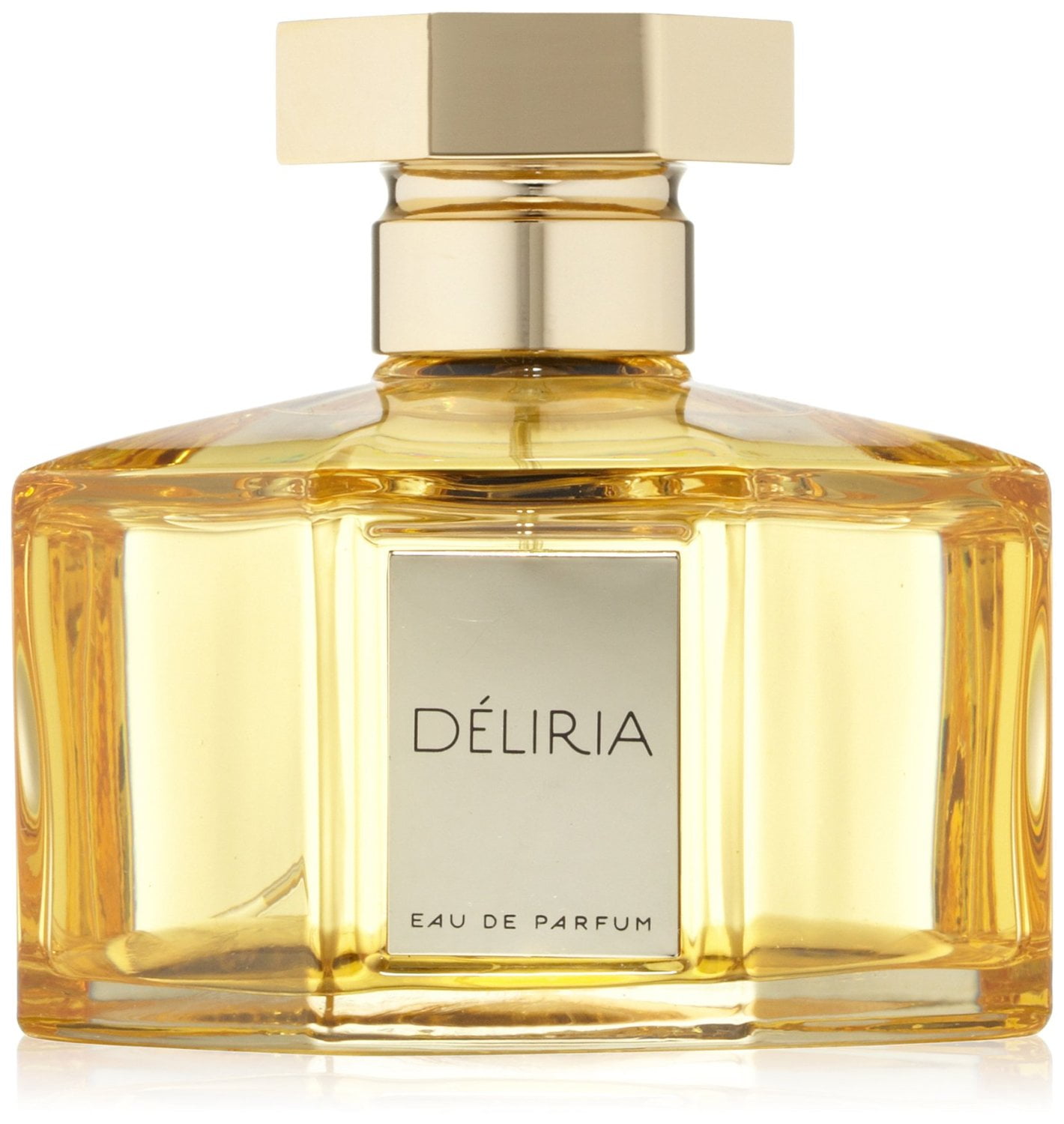
The metallic notes here are not intimidating at all. I don’t really notice them as separate elements; they provide an ozonic freshness that lifts the fragrance. The opening smells like biting into a very juicy apple. Or like fresh apple juice, served in a metal cup of a juice extractor. It then evolves into the scent of caramel apples, but in a refined, elegant way. I do not detect the boozy rum notes that some people mention, and the cotton candy sweetness is minimal.

Metallic caramel apples at a fall fair perfectly capture the mood of this perfume. The lasting power is amazing with moderate projection. It never feels cloying. For me, it works beautifully in summer and fall.
LA VIERGE DE FER BY SERGE LUTENS
Before metallic, steel-cold accords became more common, there was La vierge de fer. It was one of my first encounters with a metallic perfume, and at the time it felt daring, out of place, and almost forbidden. The provocation was not only in the scent itself but also in the wordplay and concept behind the name. Serge Lutens said the fragrance was inspired by Joan of Arc: the pure maiden clad in silver armor, holding lilies, the flower of France and royalty, and a symbol of purity. Yet La Vierge de Fer literally means “the Iron Maiden,” which also refers to a medieval torture device, a spiked casket designed to bleed its victim to death. That duality is unsettling on paper, and it led many to expect something aggressive or dangerous.
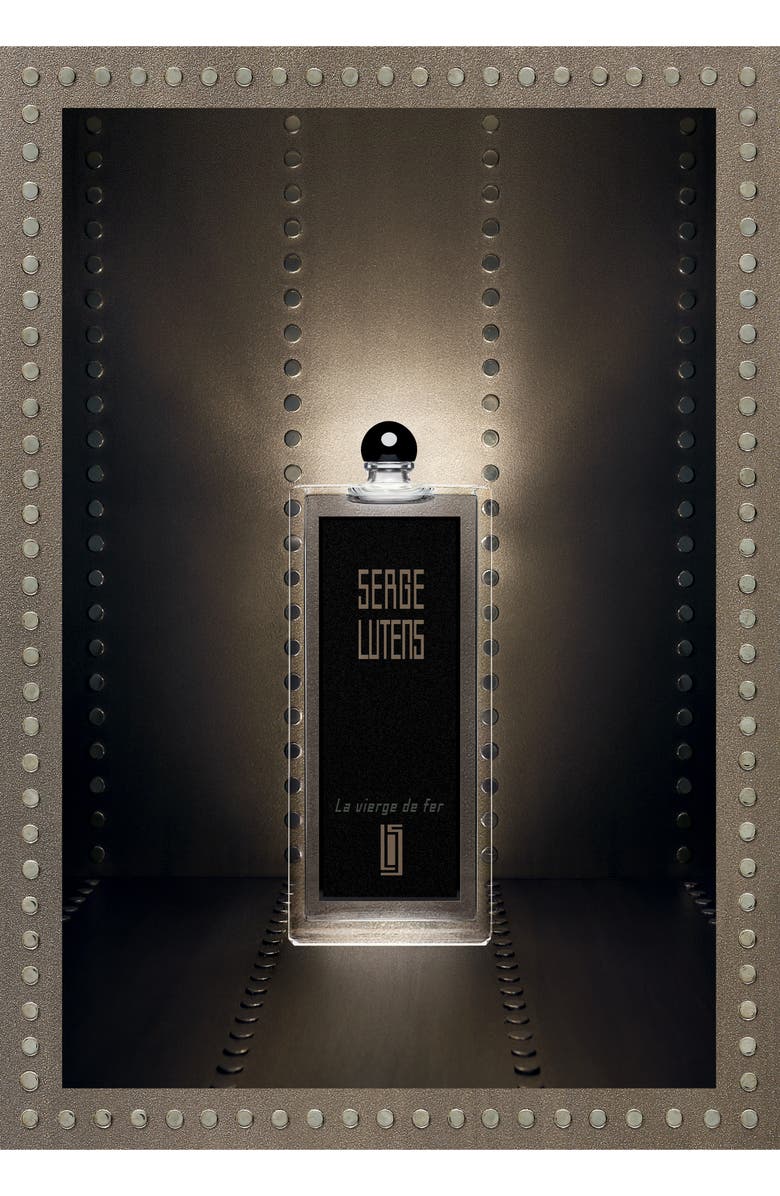
In reality, the fragrance feels far closer to the first interpretation: an innocent maiden in steel armor, holding a bouquet of lilies. It opens with a piercing white floral note, quickly softened by a beautiful, fresh, juicy pear. There is a subtle metallic freshness, as if the pear were chilled and the flowers were submerged in crystal-clear cold water. The effect is cool and luminous rather than violent.

The drydown is light, clean, and slightly shampoo-like, a fruity floral with nothing truly scary about it. It is also important to note that La Vierge de Fer has gone through multiple reformulations and packaging changes over the years and is currently unavailable on the official Serge Lutens website, possibly being reformulated again or discontinued altogether. Early formulations reportedly gave some reviewers unsettling sensations, described as cold steel, dentist-chair metal, or even bleeding gums. Those sharper metallic facets seem to have been smoothed out over time.
I own one of the more recent bottles, and in its current form it feels ozonic, fresh, clean, and pretty. It is wearable and restrained, without the extremity or discomfort associated with its reputation. Still, I wanted to include La Vierge de Fer because it remains one of the pioneers of metallic perfumery, built around a brave, provocative concept that was ahead of its time.
CORE METALLIC-LEANING MATERIALS
Now, let’s talk about what to look for if you want to explore metallic fragrances. Note pyramids are often vague and rarely list all the ingredients, and they almost never explicitly mention “metal.” This guide can help you identify the materials and accords that tend to create metallic effects. It will also be useful for those who find these notes uncomfortable and would prefer to avoid them.
Sclareol / sclarene
These materials feel dry, mineral, and slightly salty. They often read as polished stone or brushed metal, especially when paired with musks or woods. They give longevity and a cool, diffusive metallic backbone rather than a sharp metal note.
Bourgeonal
A watery, green-floral molecule with a cold, ozonic edge. It can feel silvery and metallic, like chilled air or wet steel, especially in modern, airy compositions. Bourgeonal often contributes to a “clean but uncanny” freshness.
Rose oxide
Sharp, green, and metallic-rosy. It can evoke copper coins, cold rose stems, or blood-tinged petals when overdosed. In small amounts, it adds a cutting, reflective metallic sparkle.
Aldehydes
Aldehydes bring lift, glare, and sharpness. Certain aldehydes feel icy, electric, or steel-like, evoking polished surfaces or cold air. They are often responsible for the “clang” or flash at the top of a metallic scent.
Calone (micro-dose)
At very low levels, calone smells mineral and saline rather than aquatic. It can suggest cold metal exposed to sea air or wet stone, reinforcing a metallic-mineral atmosphere without obvious “marine” character.
Violet leaf materials
Green, watery, and unmistakably metallic. Violet leaf often smells like steel blades, crushed leaves, or cold cucumber skin. It is one of the most direct routes to a convincing “cold metal” effect.
Certain musks
Clean, modern musks can feel cold, abstract, and mineral, especially when stripped of warmth or sweetness. They give a smooth, skin-adjacent metallic impression, like clean steel warmed slightly by the body.
Akigalawood
Peppery, woody, and mineral. Akigalawood often smells like dry metal shavings, graphite, or a heated blade, bridging spice, wood, and metallic facets. It adds tension and modernity.
Geranium materials
Geranium carries a green-rosy sharpness with metallic undertones. It is often associated with blood, iron, or copper nuances, which can feel unsettling or clinical when emphasized.
Norlimbanol
Extremely dry, powerful, and mineral-woody. It evokes graphite, pencil shavings, and cold industrial wood, often reading as metallic through its sharp, arid texture. A key driver of modern “steel architecture” scents.
Saffron / Safranal
Dry, leathery, and slightly medicinal. Saffron can suggest hot metal, heated wires, or sterile leather, adding a glowing, metallic warmth rather than a cold effect.
Ozonic / airy synthetics
Materials like helional or floralozone create cold, abstract air. They often read as metallic by association, like oxygenated, sterile space or silver light, rather than literal metal.
Modern woody ambers
Beyond norlimbanol, materials like amber xtreme, kephalis, or georgywood give dry, mineral, and graphite-like effects. They contribute to polished steel and architectural minimalism.
Green nitriles and sharp green notes
Certain green synthetics introduce knife-sharp, mineral greenness that amplifies metallic impressions, especially alongside aldehydes and woods.
Trace animalic or mineral-saline facets
Very small amounts of animalic, salty, or mineral materials can trigger blood, iron, or metal associations, without becoming overtly animalic.
FINAL THOUGHTS
Why has the metallic trend emerged? Is it a reaction against the dominance of gourmand fragrances on the market? Could it reflect the past few years, when people were cautious about going out and became focused on cleanliness and sterility in a world shaped by the pandemic? Or is it part of a broader technological shift, inspired by the rise of robotics and innovation?
Please share your thoughts on this trend and what you think is behind it. Also, feel free to mention your favorite metallic scents if you enjoy them.
Metallic perfumes are rare, unfamiliar, and conceptually complex. They can be playful, cold, sharp, or unsettling, but above all, they remind us that perfume does not always have to be soft or comforting.
 Raluko111 14 days ago
Raluko111 12 days ago
Raluko111 14 days ago
Raluko111 12 days ago
 DRKSHDW 13 days ago