View Offers

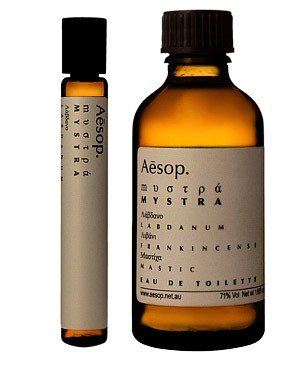
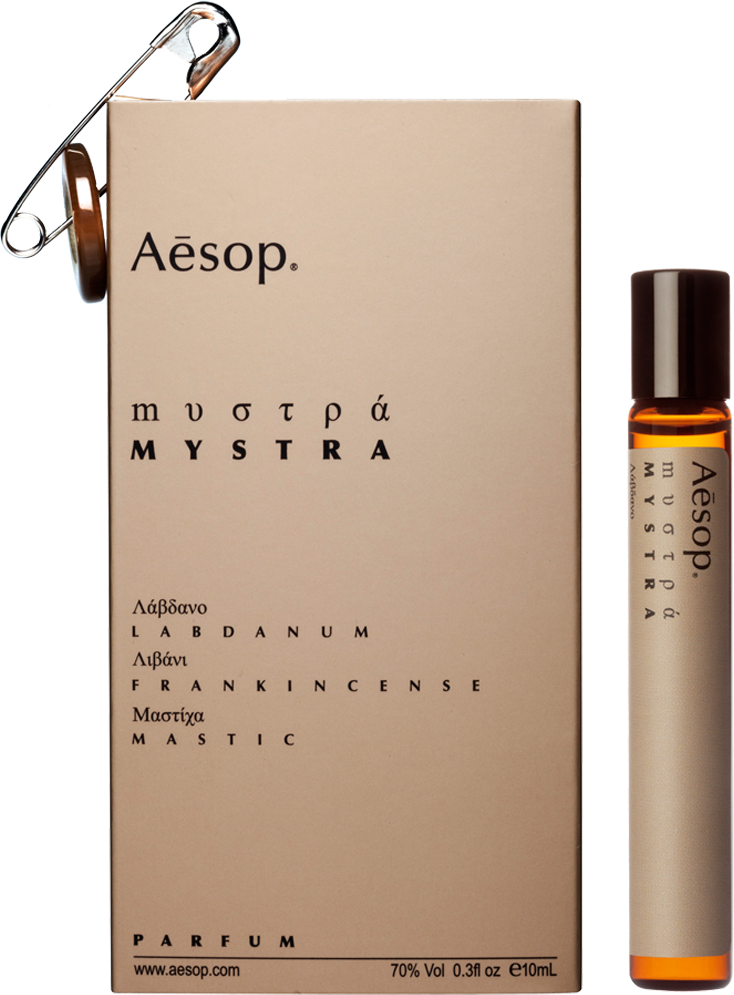
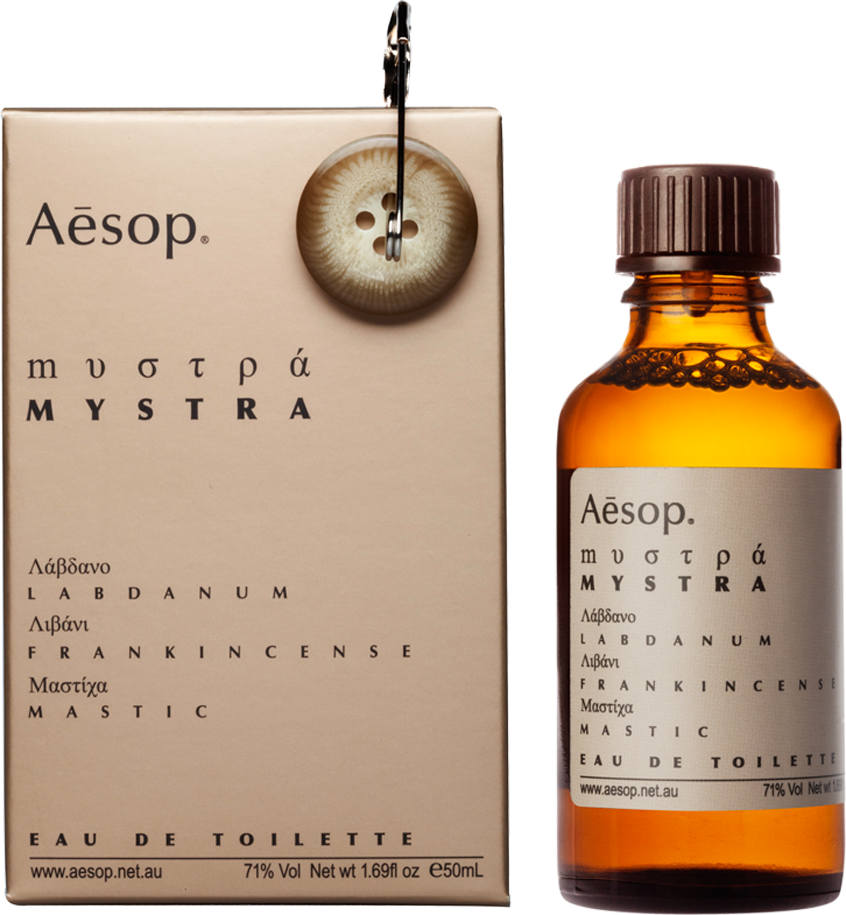
 Mastic
 Frankincense
 Labdanum


Meggi
1018 Reviews
Translated · Show original

Meggi
Top Review
20
At the Narva - or: The Multiple Antagonist
Anyone traveling from Tallinn to St. Petersburg crosses the Estonian-Russian border at Narva, the easternmost city of Estonia, located by the river of the same name. When we arrived there by bus in 1994, we felt a bit uneasy, even though there was no reasonable cause for it: Perestroika had been underway for almost a decade, and I had even traveled through the dying Soviet Union a few years earlier without any issues - though in a large group and invited to a festival. Still, the old Soviet feelings seemed to be reliably present.
In Narva, on the west bank of the river, very close to the road, stands the Hermann Fortress, the eastern outpost of the Teutonic Order since 1345. Its advance had been halted a century earlier when a Russian army under Alexander Nevsky dealt a devastating defeat to the Order's knights just about a hundred kilometers south on the frozen Lake Peipus. This event was immortalized by director Sergei Eisenstein in his film 'Alexander Nevsky,' and Sergei Prokofiev later adapted the music into a cantata (https://www.youtube.com/watch?v=C1k-D1EoAb8; the battle scene starts at 16:17, and at 26:00 the ice breaks under the armored men).
On the Russian side, directly opposite the Hermann Fortress, stands its defiant counterpart, the Ivangorod Fortress, built at the end of the 15th century. And despite the many ages that have passed since then, the two seemed to be a visible echo of ancient enmity in the early morning twilight, fitting our mood. However, who would have guessed at the time that we were in the brief window of years when - at least in my experience - one could visit Russia without too many concerns.
I mention the image of the two castles because Mystra initially reminds me very much of Casbah (= fortress) by Robert Piguet in character. Casbah was the only fragrance that my wife described so horrifically even ten hours after application that I had to wash it off, certainly an impressive feat for a perfume. I also found it extremely difficult.
I didn't have to wash off Mystra (barely...), but the idea that the fortresses named Casbah and Mystra were on each wrist for testing purposes and would clash with each other for a day... Phew! Unbearable.
For Mystra starts off completely unapproachable. The opening is an endless affront in character, intensity, and duration. Bitter. Sour. My favorite colleague thought of spoiled soup. Against this smoke, even the stricter clerics like "Cardinal" seem like gentle cuddlers. My first encounter with the extra portion of mastic was in 99, Regent Street by Hugh Parsons. With a less than enthusiastic conclusion. Mystra is not suited to evoke more sympathy.
More significant for my perception of the fragrance is, of course, that I hardly notice the three-smoke trinity identified by Yatagan, either significantly shifted. Until well past the seventh hour, the harsh-sour-repelling tone is clearly at the forefront for me. I am back at a fortress that towers high above the city, a blend of protection and subtle threat. Although the fragrance grants a hint of grace after noon, this is relative; nonetheless, it is likely to be accepted with crawling gratitude by the long-resisting wearer. It becomes more approachable, but still not approachable.
Well, after an aeon-long fragrance development, an extremely reduced version of 'pleasant' is gradually reached after about eight hours. Provided one can even speak of a hard, almost visibly present incense. Anyone wanting to wear the fragrance in the evening should apply it by noon at the latest.
If Casbah was the first antagonist, in its partial similarity like a picture of two fortresses, there are several others, this time in their distinctiveness: Classic Myrrh by Von Eusersdorff with its cream, the meditative Hinoki by Comme des Garcons, the blazing incense supernova Rundholz 1968.
This, in turn, is the reason why I am fascinated by Mystra despite its undeniable repulsiveness. Anyone who can be so contrary to several others is, of course, absolutely unique. I will definitely not acquire the fragrance, as I wouldn't want to wear it. For what occasion, anyway? But I enjoyed testing it and thank noirceur for the sample.
So, let's take a breath.
In Narva, on the west bank of the river, very close to the road, stands the Hermann Fortress, the eastern outpost of the Teutonic Order since 1345. Its advance had been halted a century earlier when a Russian army under Alexander Nevsky dealt a devastating defeat to the Order's knights just about a hundred kilometers south on the frozen Lake Peipus. This event was immortalized by director Sergei Eisenstein in his film 'Alexander Nevsky,' and Sergei Prokofiev later adapted the music into a cantata (https://www.youtube.com/watch?v=C1k-D1EoAb8; the battle scene starts at 16:17, and at 26:00 the ice breaks under the armored men).
On the Russian side, directly opposite the Hermann Fortress, stands its defiant counterpart, the Ivangorod Fortress, built at the end of the 15th century. And despite the many ages that have passed since then, the two seemed to be a visible echo of ancient enmity in the early morning twilight, fitting our mood. However, who would have guessed at the time that we were in the brief window of years when - at least in my experience - one could visit Russia without too many concerns.
I mention the image of the two castles because Mystra initially reminds me very much of Casbah (= fortress) by Robert Piguet in character. Casbah was the only fragrance that my wife described so horrifically even ten hours after application that I had to wash it off, certainly an impressive feat for a perfume. I also found it extremely difficult.
I didn't have to wash off Mystra (barely...), but the idea that the fortresses named Casbah and Mystra were on each wrist for testing purposes and would clash with each other for a day... Phew! Unbearable.
For Mystra starts off completely unapproachable. The opening is an endless affront in character, intensity, and duration. Bitter. Sour. My favorite colleague thought of spoiled soup. Against this smoke, even the stricter clerics like "Cardinal" seem like gentle cuddlers. My first encounter with the extra portion of mastic was in 99, Regent Street by Hugh Parsons. With a less than enthusiastic conclusion. Mystra is not suited to evoke more sympathy.
More significant for my perception of the fragrance is, of course, that I hardly notice the three-smoke trinity identified by Yatagan, either significantly shifted. Until well past the seventh hour, the harsh-sour-repelling tone is clearly at the forefront for me. I am back at a fortress that towers high above the city, a blend of protection and subtle threat. Although the fragrance grants a hint of grace after noon, this is relative; nonetheless, it is likely to be accepted with crawling gratitude by the long-resisting wearer. It becomes more approachable, but still not approachable.
Well, after an aeon-long fragrance development, an extremely reduced version of 'pleasant' is gradually reached after about eight hours. Provided one can even speak of a hard, almost visibly present incense. Anyone wanting to wear the fragrance in the evening should apply it by noon at the latest.
If Casbah was the first antagonist, in its partial similarity like a picture of two fortresses, there are several others, this time in their distinctiveness: Classic Myrrh by Von Eusersdorff with its cream, the meditative Hinoki by Comme des Garcons, the blazing incense supernova Rundholz 1968.
This, in turn, is the reason why I am fascinated by Mystra despite its undeniable repulsiveness. Anyone who can be so contrary to several others is, of course, absolutely unique. I will definitely not acquire the fragrance, as I wouldn't want to wear it. For what occasion, anyway? But I enjoyed testing it and thank noirceur for the sample.
So, let's take a breath.
12 Comments



 Dne
Dne Yatagan
 Ergreifend
 Puck1
Puck1