

 Top Notes
  Cherry
 Lemon
Lemon Mandarin orange
 Orange
 Heart Notes
  Tiaré
Tiaré Tuberose
 Frangipani
 Freesia
 Lilac
Lilac Lotus
Lotus Base Notes
  Blond woods
 Caramel
 Musk
Musk Patchouli
 Vanilla
 Kinetic Thumbtack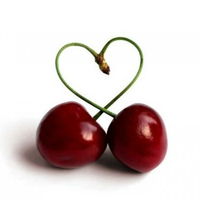
Kirsche
24 Reviews
Translated · Show original
Kirsche
Helpful Review
Frangipani-Lilac-Fruit...
...on the run;)
in short:
- Top note as announced, delicious, rounded, already mixed with frangipani, then transitions into the
- Heart note after about 10 minutes, beautifully soft and rounded, the lilac here is even pleasant for my not-so-lilac-friendly nose, as it blends nicely with the blossoms and especially the cherry still from the top note...from the
- Base note, which should come in after about half an hour, is hardly discernible anymore - just like with the other two Scent of Departure fragrances I had the chance to test:(
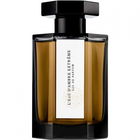
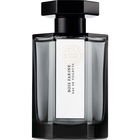
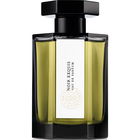
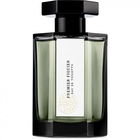
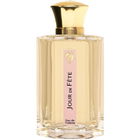
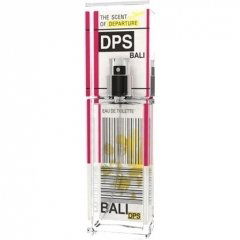
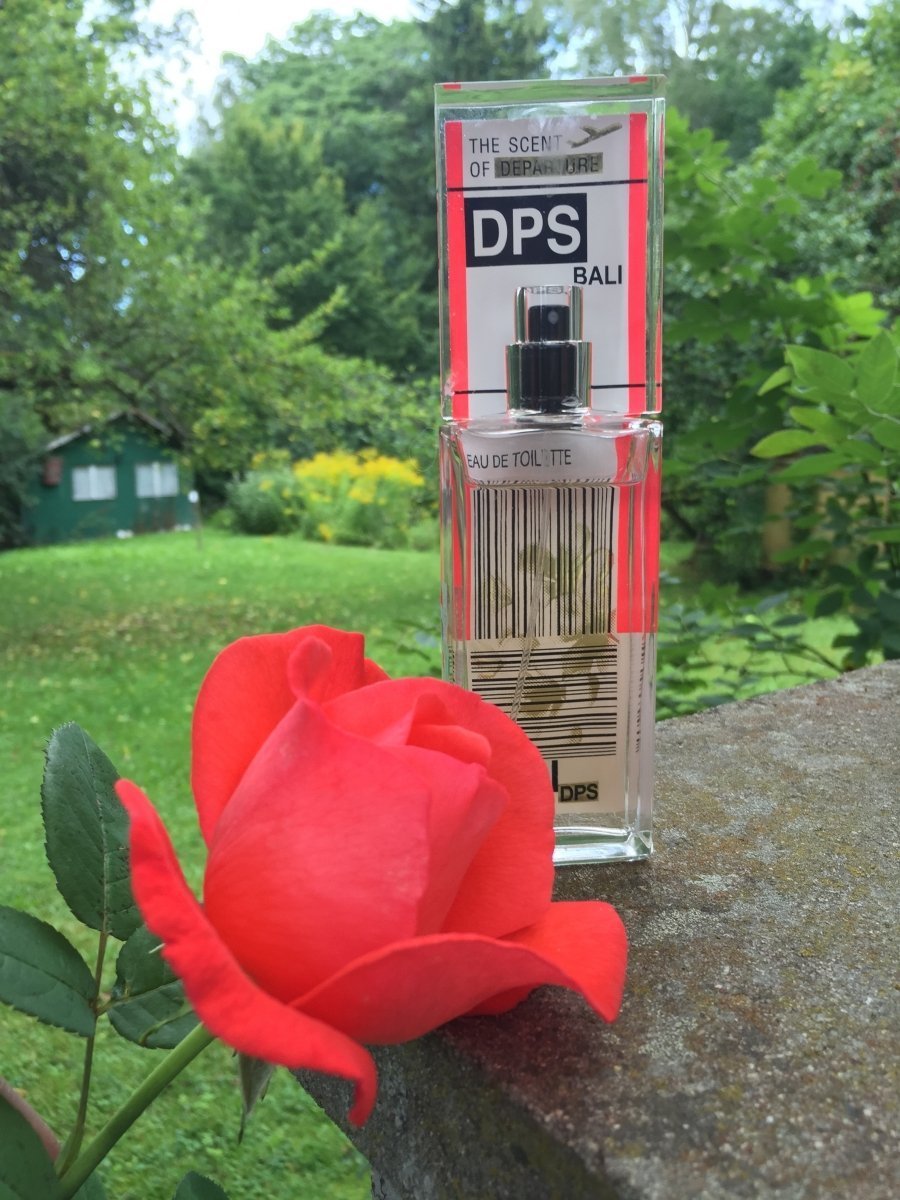
I must admit that I find the concept of the fragrance line great, and it is well implemented even in the bottles (even the test bottles are cute and have their own charm). For half an hour, the fragrances really fit well, and you can tell that someone has put thought into which scent corresponds to which idea. But unfortunately, unfortunately, a half-hour pleasant (indeed NOT above-average!!!) fragrance experience is not worth the money to me:(
in short:
- Top note as announced, delicious, rounded, already mixed with frangipani, then transitions into the
- Heart note after about 10 minutes, beautifully soft and rounded, the lilac here is even pleasant for my not-so-lilac-friendly nose, as it blends nicely with the blossoms and especially the cherry still from the top note...from the
- Base note, which should come in after about half an hour, is hardly discernible anymore - just like with the other two Scent of Departure fragrances I had the chance to test:(
I must admit that I find the concept of the fragrance line great, and it is well implemented even in the bottles (even the test bottles are cute and have their own charm). For half an hour, the fragrances really fit well, and you can tell that someone has put thought into which scent corresponds to which idea. But unfortunately, unfortunately, a half-hour pleasant (indeed NOT above-average!!!) fragrance experience is not worth the money to me:(
1 Comment
 TiBe
TiBe Serafina