

 Top Notes
  Absinth
 Angelica
 Blackcurrant bud
 Heart Notes
  Clove
Clove Nutmeg
 Patchouli
 Pepper
 Ginger
 Base Notes
  Fir balsam
 Pine needle
 Cistus

06/19/2014

jtd
484 Reviews

jtd
Top Review
12
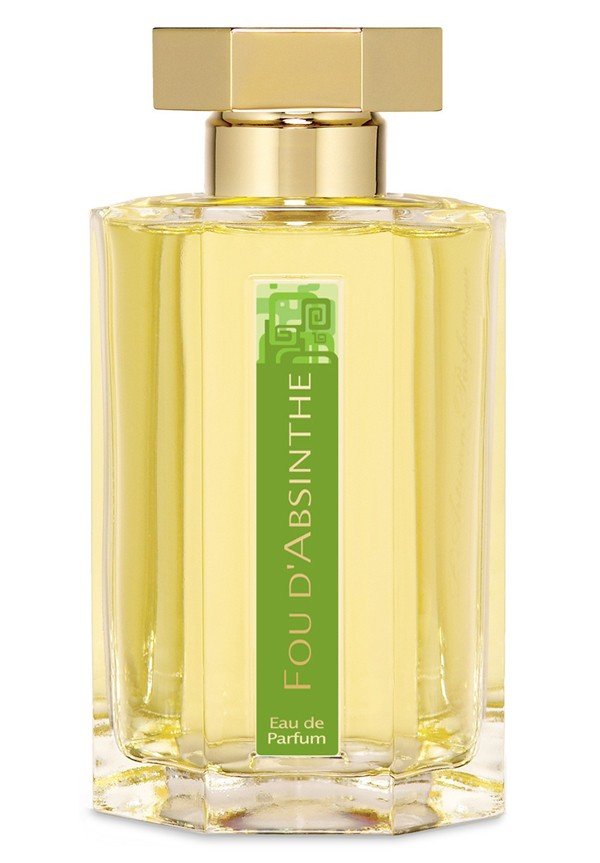
fou d'absinthe
I should admit up front that I have a bias toward Olivia Giacobetti's work. I don't think of her as strictly a formalist by any means, but she uses technique as the springboard to surpass form. Her perfumes take you a certain distance into the recognizable, spin you around and then leave you to your own devices.
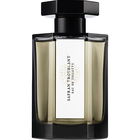
e.g. Safran Troublant gives you a confectionery rose with a surprising hint of saffron. Just when you're at the point of reconciling these ideas, you're adrift. By the time you're in the heart notes you've left behind food and flower and find yourself accompanied by something else entirely, something you've never witnessed before. Similarly, by the time you make out the lily and the incense in Passage d'Enfer, they've given way to a third presence, again something completely new.
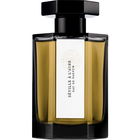
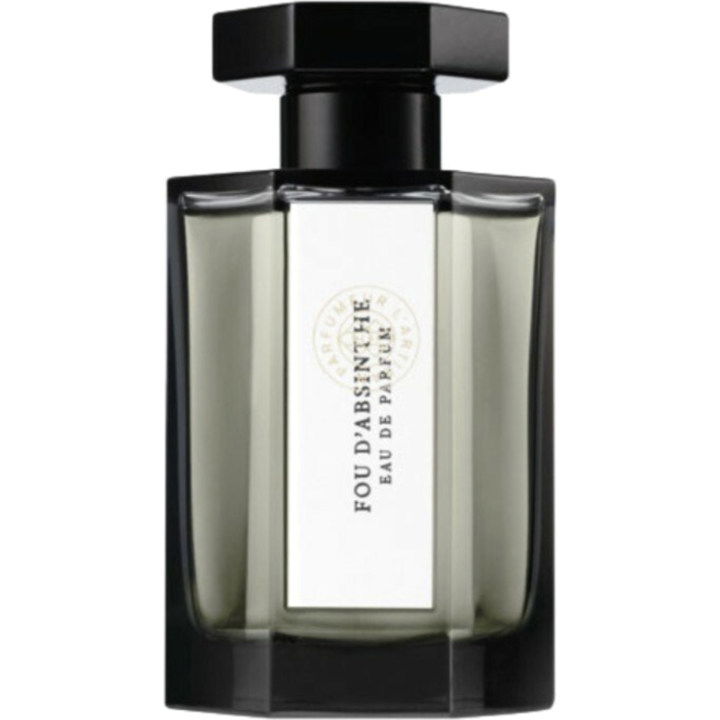
Fou d'Absinthe takes an identifiable trope, the fougère, pays full respect to it, and then dispenses with it. The first sniffs of the perfume paint the picture of the fougère in full. Soapy, herbal, expansive. It has the broad strokes, large gestures and great strides of the classic aromatic fougères. It sits comfortably with Azzaro pour Homme, YSL Rive Gauche pour Homme and especially Paco Rabanne pour Homme.
Into the heart notes, though, the form dissolves, though the perfume remains perfectly coherent. It seems appropriate that the genre that set the course for abstraction in perfumery gets taken apart, deconstructed. The ur-Fougère, Houbigant Fougère Royale, was a result of the thinking employed in other abstract arts: reduction of ideas to definitive characteristics, representation without depiction or narrative. Giacobetti again takes form, in this case the whopping fougère genre, tries it on for a bit and then moves on. I don't get a sense of irony in her method. It's more the joy of finding new beauty in well-worn form.
Fou d'Absinthe also happens to smell spectacular. You don't need to scrutinize it. Like wearing an exceptional piece of jewelry, you can contemplate it or you can simply take pleasure in wearing it. The combination of simple beauty and depth of idea is characteristic of Giacobetti's work and is the outcome of her use of form as a means of inspiration and not an end goal.
If you're ever confronted with the question of whether perfumery is art, try the side-door and look to the perfumer. Is there any doubt that Giacobetti is an artist?
e.g. Safran Troublant gives you a confectionery rose with a surprising hint of saffron. Just when you're at the point of reconciling these ideas, you're adrift. By the time you're in the heart notes you've left behind food and flower and find yourself accompanied by something else entirely, something you've never witnessed before. Similarly, by the time you make out the lily and the incense in Passage d'Enfer, they've given way to a third presence, again something completely new.
Fou d'Absinthe takes an identifiable trope, the fougère, pays full respect to it, and then dispenses with it. The first sniffs of the perfume paint the picture of the fougère in full. Soapy, herbal, expansive. It has the broad strokes, large gestures and great strides of the classic aromatic fougères. It sits comfortably with Azzaro pour Homme, YSL Rive Gauche pour Homme and especially Paco Rabanne pour Homme.
Into the heart notes, though, the form dissolves, though the perfume remains perfectly coherent. It seems appropriate that the genre that set the course for abstraction in perfumery gets taken apart, deconstructed. The ur-Fougère, Houbigant Fougère Royale, was a result of the thinking employed in other abstract arts: reduction of ideas to definitive characteristics, representation without depiction or narrative. Giacobetti again takes form, in this case the whopping fougère genre, tries it on for a bit and then moves on. I don't get a sense of irony in her method. It's more the joy of finding new beauty in well-worn form.
Fou d'Absinthe also happens to smell spectacular. You don't need to scrutinize it. Like wearing an exceptional piece of jewelry, you can contemplate it or you can simply take pleasure in wearing it. The combination of simple beauty and depth of idea is characteristic of Giacobetti's work and is the outcome of her use of form as a means of inspiration and not an end goal.
If you're ever confronted with the question of whether perfumery is art, try the side-door and look to the perfumer. Is there any doubt that Giacobetti is an artist?
4 Comments



 incensewhore
 Ralphaville
 Nsrexler
 Philyrae
 Tanelv
 NuiWhakakore
 Marieposa
 Schalkerin
 Hasi
Hasi Chizza