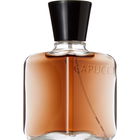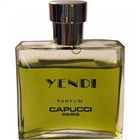


 Top Notes
  Juniper
 Artemisia
 Marjoram
 Bergamot
 Lemon
Lemon Heart Notes
  Cedarwood
 Pine
Pine Patchouli
 Carnation
 Cinnamon
 Geranium
 Jasmine
 Base Notes
  Fir
Fir Frankincense
 Moss
Moss Amber
Amber Leather
 Musk
Musk Myrrh
Myrrh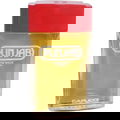
Yatagan
416 Reviews
Translated · Show original

Yatagan
Top Review
28
A Fragrance Between Times
Uncommented Fragrances No. 8
Naming a fragrance Punjab is an unusual decision. When one thinks of Punjab, it likely conjures images of the former state in the British colonial empire of India and its dramatic partition during the re-establishment of Pakistan and present-day India, of civil war, of refugee flows, of floods in this so-called land of five rivers between the borders. Thus, associations inevitably arise that include images of suffering and hardship, but hardly thoughts of the mysterious and beautiful India or Pakistan. It may be that the manufacturer did not have this perspective in mind and wanted to evoke longings that can naturally arise with this name. It may also simply have been the beautiful sound that gave the fragrance its name.
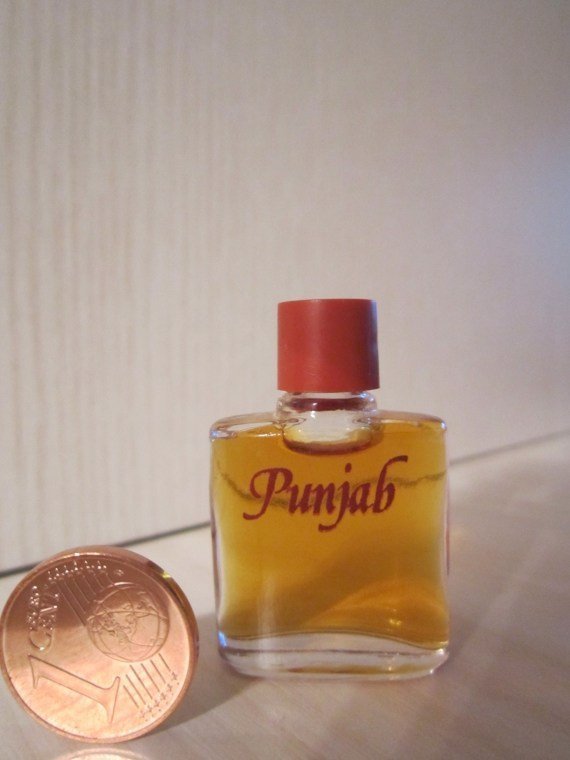
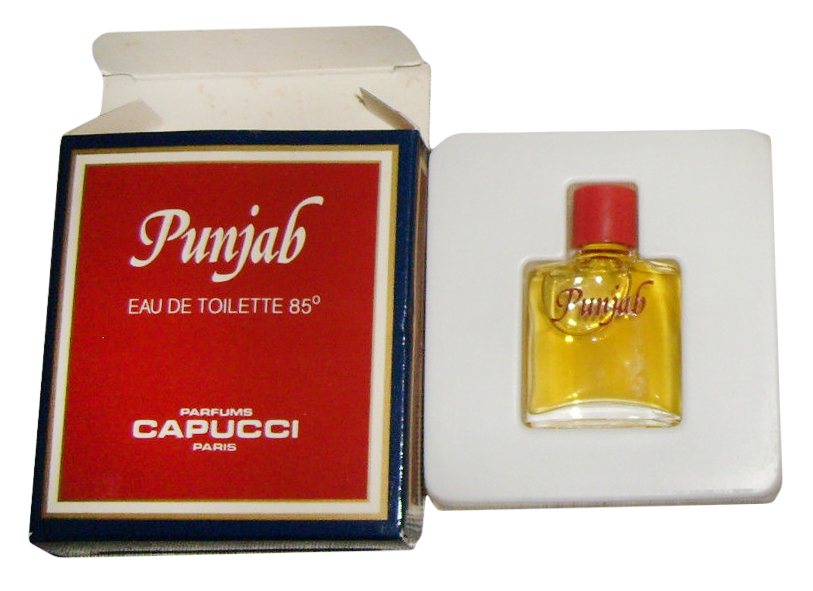
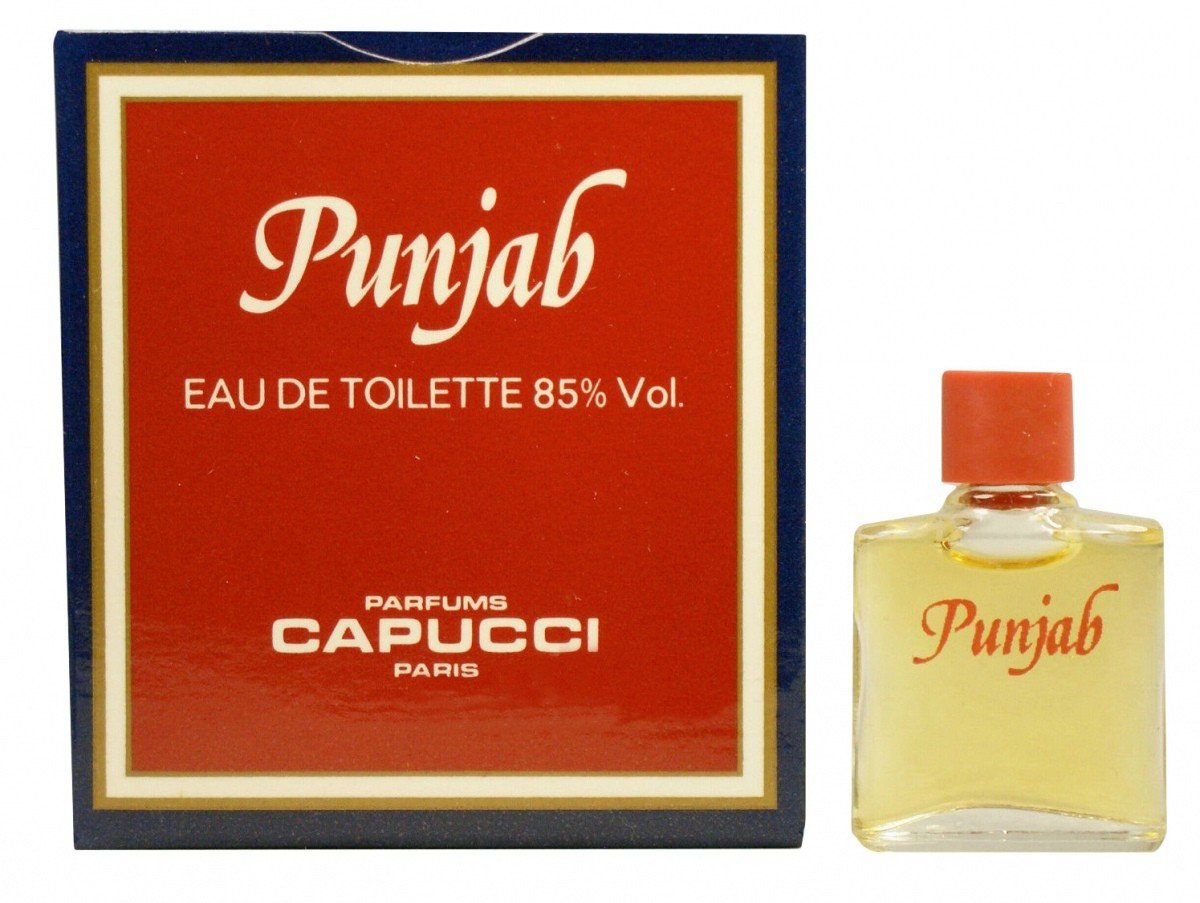
Punjab is a fragrance by Capucci, which is now not so easy to obtain. Currently, one can mainly acquire miniatures at auctions; a full bottle, if it is offered, easily surpasses the 100 Euro mark. In the 80s, it was different. The fragrance launched in 1979 was rare in perfumeries at that time, but still readily available at airports or abroad. Some time ago, I was fortunate enough to order a bottle quite cheaply from abroad, also fortunate because the contents had not yet turned and still seem to me as I remember the fragrance.
Of course, this fragrance is also a child of its time. But what does that mean for a perfume released at the end of the 70s? The socially optimistic spirit of the 70s had passed in most Central European countries, and the 80s, with their cooler and economically success-oriented mentality, were casting their shadows ahead. The last year of the hippie decade was, in my very dark memory, an intermediate year, a year between the worldviews of yesterday and tomorrow.
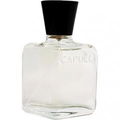
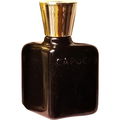
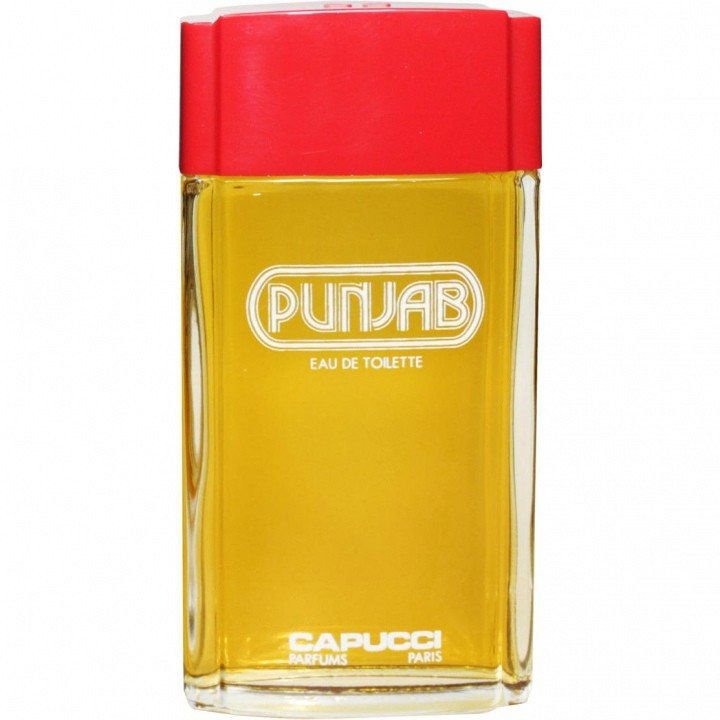
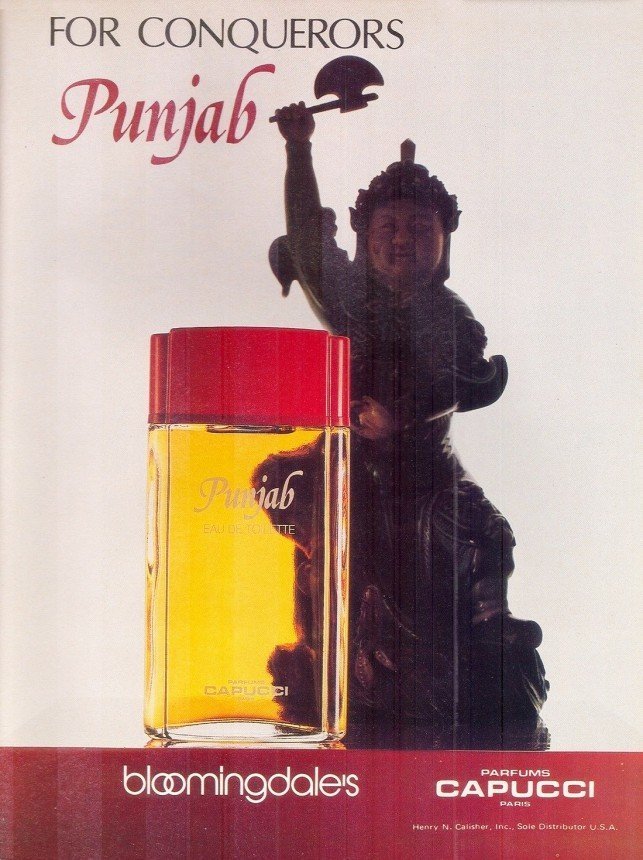
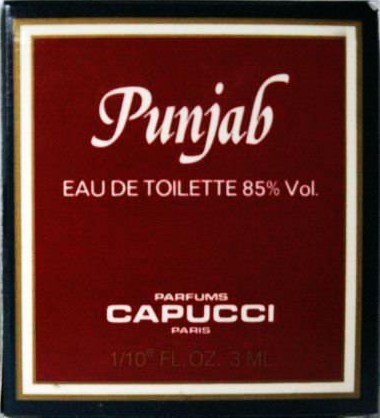
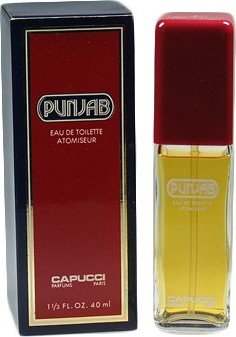
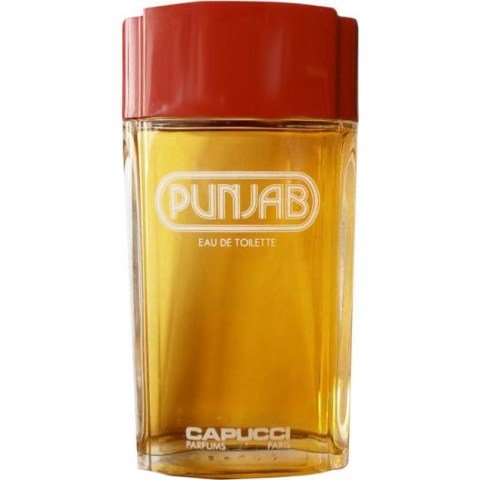
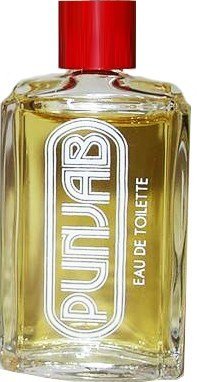
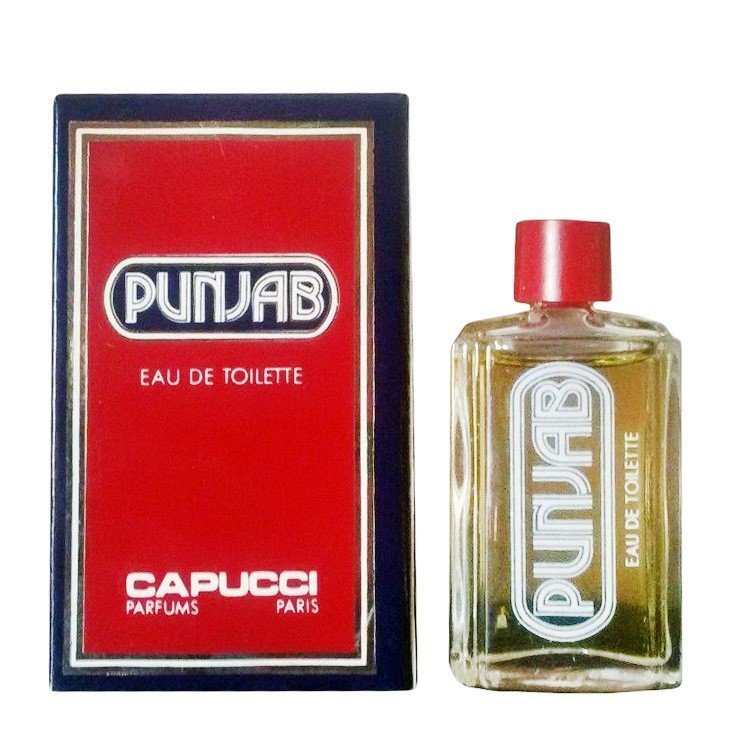
From my perspective, Punjab was also one of the first powerhouse fragrances that would conquer the market in the coming years. Looking at the fragrance pyramid, especially in the heart and base notes, everything that was considered good and important at that time stands out: from amber to incense, from musk to leather, from clove to myrrh, from patchouli to cedarwood. An almost incredible collection of heavy tones and dark, vibrant colors. As an overall impression (since these components can hardly be isolated), it creates an exotic-spicy cocktail that indeed transports something of Indian flair, which, together with the equally strong herbs and spices in the top note, does not even allow the thought of a light business fragrance to arise. Of course, in those days, people were not yet so experienced with this new, soon-to-be-dominating intensity in fragrances, so Punjab gives a bit of the impression of being over-seasoned. The color of the liquid, a rather dark yellow, fits well with the character of the composition, as does the bottle with its dark red framing. Punjab is more of a fragrance for a grand appearance, for the evening or the cooler seasons. It may be that I have dug it out again for this reason, as I am currently sitting during the day in an office where the heating has failed and I am making do with a coat and a space heater. Gray autumn feelings arise all by themselves; one does not need to look out the window to see the dreary, rainy sky.
Thus, I experience firsthand that Punjab was apparently not a bad name for this fragrance. It awakens longings for warmer days, for exotic distances with their foreign scents. Those who want to try something different, something now very foreign and distant (the late 70s have long since faded away in time, along with an almost forgotten mentality), might consider giving this exotic a try, which is still easily available as a miniature at relatively moderate prices, to transport themselves to Punjab or to a time between times.
Naming a fragrance Punjab is an unusual decision. When one thinks of Punjab, it likely conjures images of the former state in the British colonial empire of India and its dramatic partition during the re-establishment of Pakistan and present-day India, of civil war, of refugee flows, of floods in this so-called land of five rivers between the borders. Thus, associations inevitably arise that include images of suffering and hardship, but hardly thoughts of the mysterious and beautiful India or Pakistan. It may be that the manufacturer did not have this perspective in mind and wanted to evoke longings that can naturally arise with this name. It may also simply have been the beautiful sound that gave the fragrance its name.
Punjab is a fragrance by Capucci, which is now not so easy to obtain. Currently, one can mainly acquire miniatures at auctions; a full bottle, if it is offered, easily surpasses the 100 Euro mark. In the 80s, it was different. The fragrance launched in 1979 was rare in perfumeries at that time, but still readily available at airports or abroad. Some time ago, I was fortunate enough to order a bottle quite cheaply from abroad, also fortunate because the contents had not yet turned and still seem to me as I remember the fragrance.
Of course, this fragrance is also a child of its time. But what does that mean for a perfume released at the end of the 70s? The socially optimistic spirit of the 70s had passed in most Central European countries, and the 80s, with their cooler and economically success-oriented mentality, were casting their shadows ahead. The last year of the hippie decade was, in my very dark memory, an intermediate year, a year between the worldviews of yesterday and tomorrow.
From my perspective, Punjab was also one of the first powerhouse fragrances that would conquer the market in the coming years. Looking at the fragrance pyramid, especially in the heart and base notes, everything that was considered good and important at that time stands out: from amber to incense, from musk to leather, from clove to myrrh, from patchouli to cedarwood. An almost incredible collection of heavy tones and dark, vibrant colors. As an overall impression (since these components can hardly be isolated), it creates an exotic-spicy cocktail that indeed transports something of Indian flair, which, together with the equally strong herbs and spices in the top note, does not even allow the thought of a light business fragrance to arise. Of course, in those days, people were not yet so experienced with this new, soon-to-be-dominating intensity in fragrances, so Punjab gives a bit of the impression of being over-seasoned. The color of the liquid, a rather dark yellow, fits well with the character of the composition, as does the bottle with its dark red framing. Punjab is more of a fragrance for a grand appearance, for the evening or the cooler seasons. It may be that I have dug it out again for this reason, as I am currently sitting during the day in an office where the heating has failed and I am making do with a coat and a space heater. Gray autumn feelings arise all by themselves; one does not need to look out the window to see the dreary, rainy sky.
Thus, I experience firsthand that Punjab was apparently not a bad name for this fragrance. It awakens longings for warmer days, for exotic distances with their foreign scents. Those who want to try something different, something now very foreign and distant (the late 70s have long since faded away in time, along with an almost forgotten mentality), might consider giving this exotic a try, which is still easily available as a miniature at relatively moderate prices, to transport themselves to Punjab or to a time between times.
16 Comments
 Yanboo
 Yatagan
 JonasP1
 Dawamesk