Those who have had the opportunity to study the works of the French artist Claude Monet in museums, on calendar pages, or postcards likely remember primarily his late work, namely the Water Lilies series painted between 1916 and 1926. Perhaps they also recall the famous piece "Impression, Sunrise," which is not only characteristic of the Impressionist painting era but also gave its name to this style period. Much less known is the series of the presumably eighteen versions of the grain shed discovered during a walk in 1890 (a pile of grain, straw, or hay traditionally stacked in agriculture after the harvest). But more on that later.
I first smelled L'Eau de Paille (translated as Straw Water) during a so-called scent reading, a very lovingly conducted sales event by the Japanese cosmetics company Shiseido. With relaxing music, hot tea, and ginger cookies, there are initially insights into the life of Serge Lutens, followed by selected fragrances presented for the evening, accompanied by stories recited from a thick book about perfume, specifically regarding his personal memories, feelings, and ideas that all contributed to the development of each fragrance. Afterwards, the scents are sprayed, and the noses of all participants hover over scent strips and wrists.
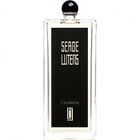
With the L'EdP released in 2016, SL takes us on both a scent and a time journey into his youth. It is the olfactory representation of his memories from early childhood when he watched the hay harvest in the fields of France on a hot summer day in 1954, with straw poking through the socks into his ankles or being carried in his blonde hair.
On the skin, the fragrance initially starts sweet-floral, underlaid with a light citrus note. Gradually, tonka bean dominates for me, minimally underlined by delicate incense. Alternatively, a sweeter vetiver seems possible, which is at least listed in the pyramid. The term hay is also mentioned there, but it has not even remotely revealed itself to my nose. During the first hour, lavender mixes in, but does not push itself to the forefront; instead, it remains very subtle, even more reserved than the incense, adding a spiciness. Gradually, L'EdP also becomes herbaceous, greener, now tending towards a shaving water scent and shifting the balance between masculine/feminine more towards the masculine. I found the "shaving water note" particularly piercing when sprayed on a cloth, while I perceived it as milder on the skin. Perhaps aldehydes have also sneaked into the scent progression... but there is still nothing to smell from the hay. At least not from the hay I know as animal feed from the past. With a lot of goodwill, perhaps the everyday breakfast cereal. Even if hay is defined as biomass from herbs or grasses, the scent simply does not take the final curve, does not seem authentic, until it gently fades away. While the sillage is relatively strong in the first hour, it quickly weakens to a skin-close level. The existing base sweetness and the incense are surprisingly perceptible on the skin for a good 9 - 10 hours, albeit extremely weak.
L'EdP belongs to the EAUX COLLECTION, which must be viewed in isolation from the other in-house fragrances. This series, currently consisting of four different creations, impresses more with its overt compositional simplicity without large Eastern ingredients compared to the spice-laden Orientals like Arabie. Rather airy, light, and delicate. All are wearable on particularly hot summer days and also gladly in the office. Even in an open-plan office, they behave quite inconspicuously, just in the style of a little water.
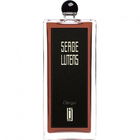
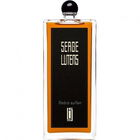
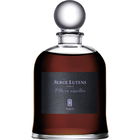
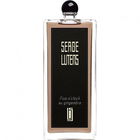
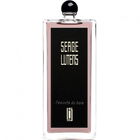
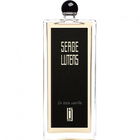
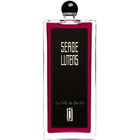
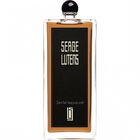
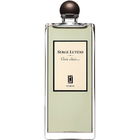
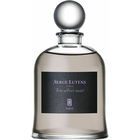
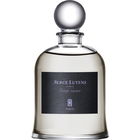
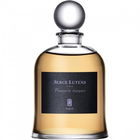
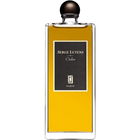
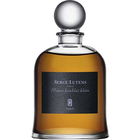
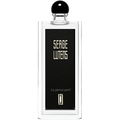
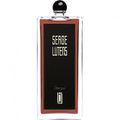
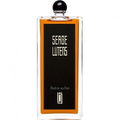
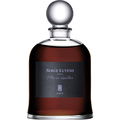
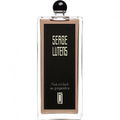
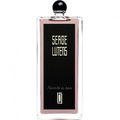
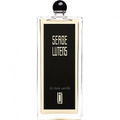
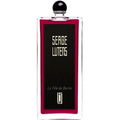
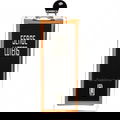
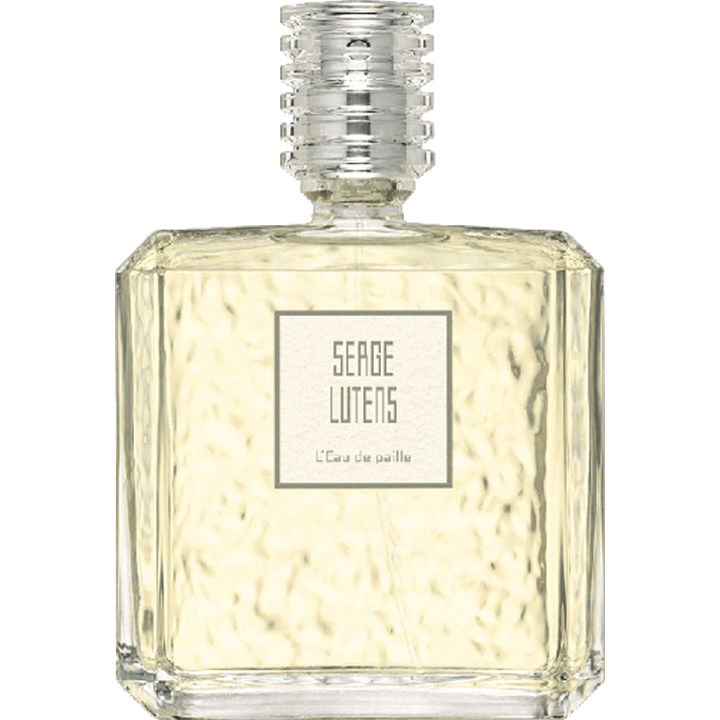
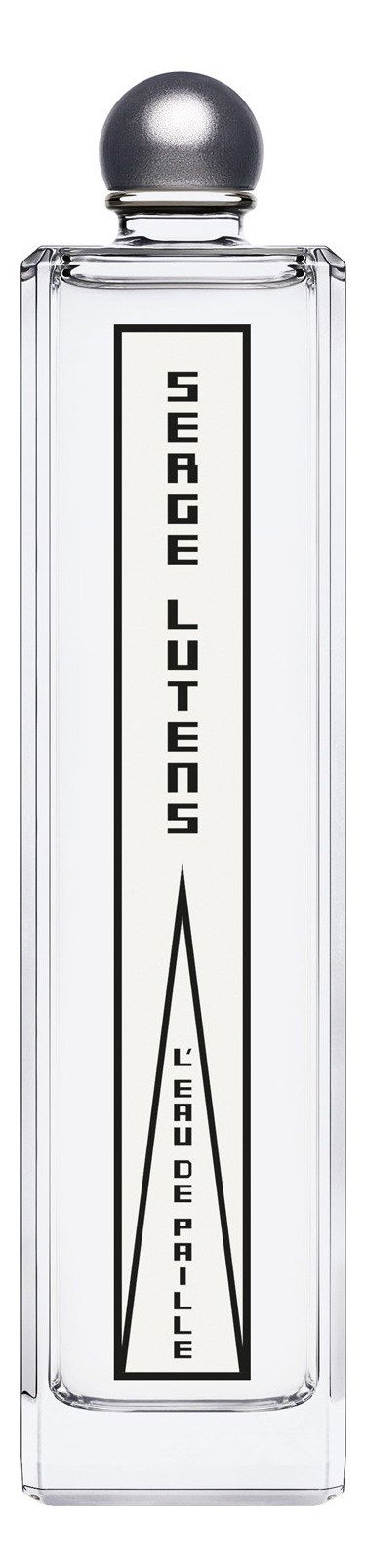
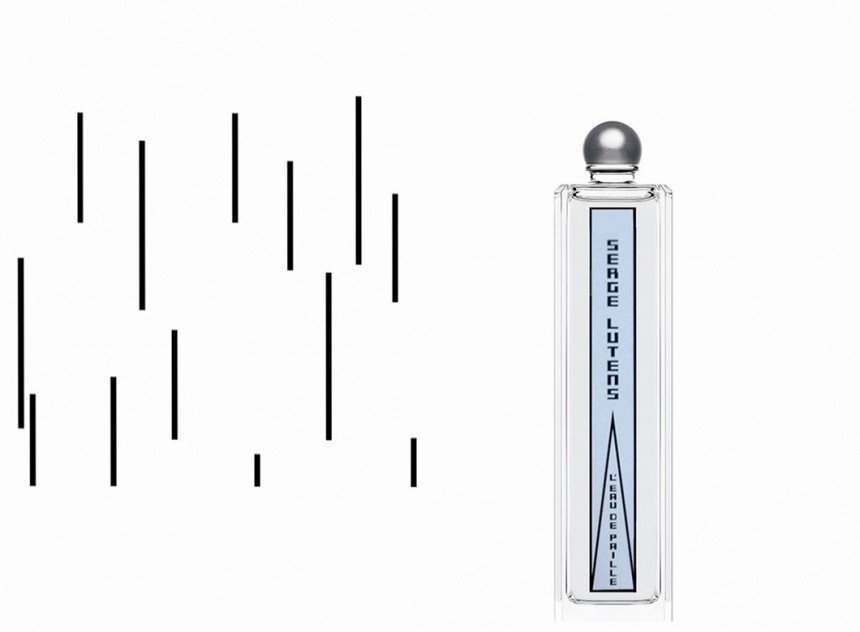
The difference between the collections is also visually expressed in the appropriate simplicity of the slender bottle, crafted from double-walled glass. While Lutens' fragrances are usually adorned with elegant beige or brown-anthracite labels on brightly colored alcohol, the L'Eau bottles are labeled with rather uninspired black-and-white labels; the perfume has no coloring. In its original state, a pouring bottle is delivered, but each original packaging comes with a spray nozzle for exchanging to suit personal preferences. Those who like it personalized can choose an additional engraving when purchasing from the SL website. Up to 3 initials are possible, but also the first name. Whether that is worth the additional 77 euros must be decided by each person for themselves at the time of purchase.
Monet varied the simple motif of the grain shed solely through the number of sheds or slight changes in their distance. The season was represented through corresponding color schemes, with warm colors like red characterizing summer and cool colors like blue representing winter. The starting point for this entire series is the extraordinarily artistically crafted impression of nature. He was concerned with the mood, the impression, and the representation of the feeling that nature evoked in him, not the motif. Even Kandinsky recognized the shed only by the catalog designation during an exhibition visit, while he liked and was inspired by the painting on its own.
Lutens processes his impressions of nature like Monet. If I understand SL correctly, with L'Eau de Paille, he aims for the "realistic" olfactory depiction of a hot summer day during the hay harvest, where the wearer should feel like little Serge in front of the harvest fields, inhaling the scent of hay. However, in my opinion, his implementation does not truly meet the artistic claim and disappoints as a niche product across the board, driven by two core problems. While the fragrance always conveys a kind of "warmth" and may simulate a hot, actually rather warm summer day, it lacks the final perception of hay or straw. Equally surprisingly negative was the prevailing synthetic quality in the style of One Million. Thus, the fragrance not only lacks the shed, but it also does not fascinate in the slightest. If the fragrance had been released under a different name in the mainstream sector, it might have received a slightly better rating, but this triviality from the house of Lutens can, and with all due affection & respect for his earlier fragrances, be safely disregarded.



 Vetiver
 Grain
Grain Frankincense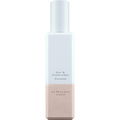









 Ninechat
 NicheOnly
 Holscentbar
 Azura
Azura Lilienfeld
 Mefunx
 Skubi73
 Mörderbiene
 Stanze
 Yatagan