 View Offers

 Top Notes
  Provençal lavender absolute
 Ginger
 Basil
Basil Bergamot
 Heart Notes
  Celery
 Cardamom
 Immortelle absolute
 Base Notes
  Cistus
 Exotic woods
 Sandalwood
 Amber
Amber Patchouli
 Vetiver

Profumo
290 Reviews
Translated · Show original

Profumo
Top Review
19
A straw flower is a straw flower, is a straw flower...
First of all: this is a difficult scent, not a 'crowd-pleaser' as one would say in English, so it is not a pleasing fragrance, but rather one that is only sensually appealing in moderation, an intellectual one.
The idea behind this fragrance, its 'raison d'être' so to speak, is the complex, on one hand floral, but also straw-like, aromatic, and herbal scent of straw flowers (also called immortelles), which, with its sour undertones, tends to be somewhat penetrating and divides opinions.
Some love it because it reminds them of their vacations by the sea (where the related macchia blooms), while others hate it because it reminds them of the dried flower bouquets that earlier generations liked to have at home, which gradually collected dust and faded, yet never wilted and emitted a peculiar, sour-spicy scent that reflexively made one rush to the window to air out the stuffy air.
I belong to both groups: I like it in nature and I like it on myself, but I do not like it in my apartment. I would have never suspected that I would enjoy this peculiar odor in a perfume until I smelled Annick Goutal's 'Sables' for the first time many years ago - a fragrance that still brings me to my knees: what courage to compose such an eccentric, unconventional scent that lies beyond all, but truly all common fashion trends, not just for the drawer, but also to bottle and offer for sale! Hats off for this audacity, Madame Goutal!
Not that the fragrance became a big hit, but it decisively shaped the image of the Goutal house, which apparently was also capable of producing bold, highly idiosyncratic creations, and not just pastel watercolors.
'Sables' remained for many years an extreme work on the fringes of the olfactory palette, a somewhat arrogant outsider. Approaching it required a certain obstinacy, which often failed at the refusal of saleswomen to take it off the shelf. How often did I hear: oh that one, well he is very special, do you really want to test it? Yes, I did. I even had to test it multiple times before I dared to buy it.
Later, I discovered that 'Sables', regarding the introduction of the immortelle note, had a predecessor: Annick Goutal's own 'Eau de Monsieur' (this fragrance soon became one of my favorites too...). Here she used the multifaceted straw flower accord rather reservedly, embedded in a fresh-aromatic chypre concept.
While 'Sables' remained an acknowledged but not imitation-inviting solitary, the path from 'Eau de Monsieur' directly led to Guerlain's 'Coriolan', created a few years later.
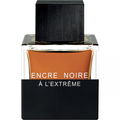
Again, a subtle straw flower note in an exquisitely woven chypre fabric. Once again, a few years later, even 'Sables' found a neighbor in its hermitage that was hardly less eccentric: Dior's 'Eau Noire'. Both fragrances, 'Sables' and 'Eau Noire', do not even attempt to hold back when it comes to immortelle, but rather display it confidently, contrasted with strong, syrupy sweetness (Sables), or with curry-like spiciness (Eau Noire).
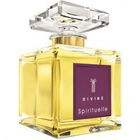
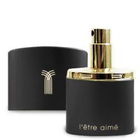
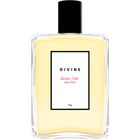
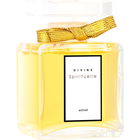
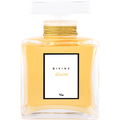
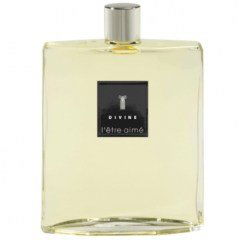
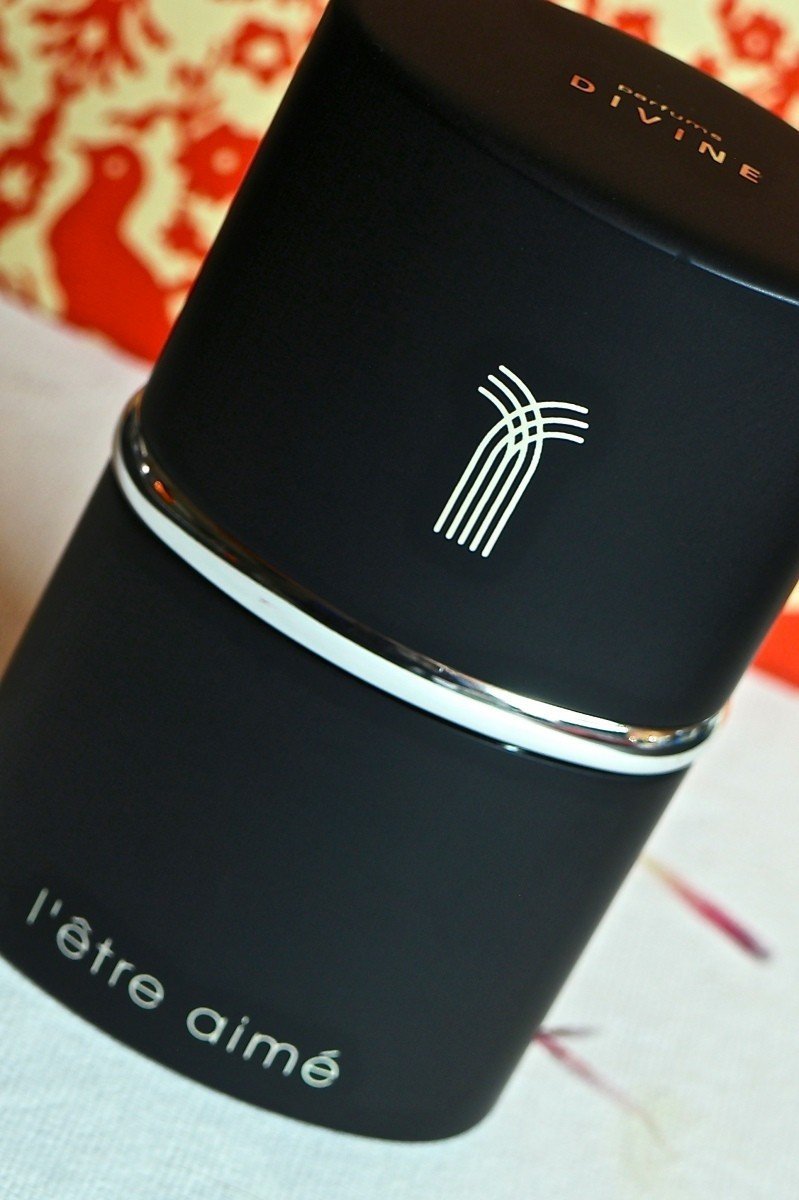
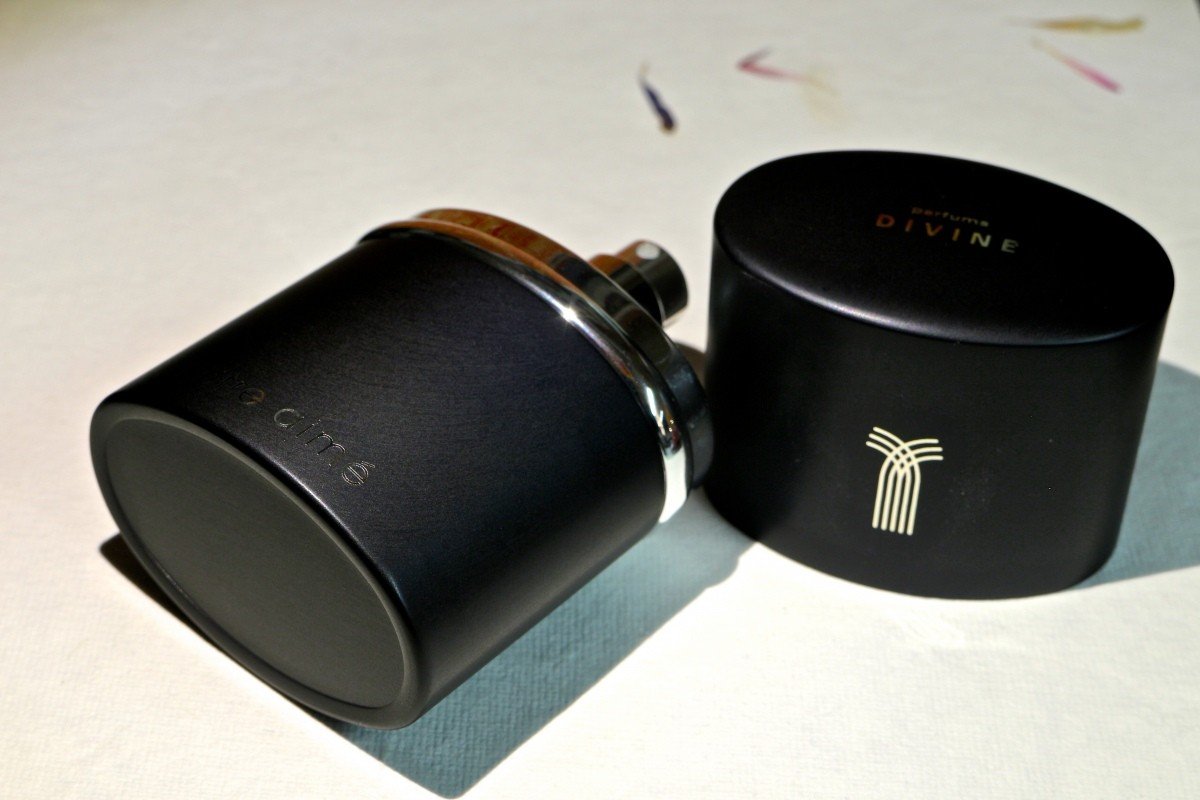
Divine's 'l être aimé homme', as the most recent link in the chain of those dedicated to the scent of the straw flower, now connects again to 'Coriolan' and 'Eau de Monsieur' in terms of the not very offensive, but rather subtle display of the dried flower. Moreover, the fragrance also borrows some spice from 'Eau Noire', and even in its very last phase (the next day!) a bit of sweetness from 'Sables'. It is as if 'l être aimé homme' is a traveler in the realm of straw flowers: it combines the friendly naturalness of 'Eau de Monsieur' with the fine elegance of 'Coriolan', but also pays a visit to the eccentric outsiders 'Sables' and 'Eau Noire'.
In doing so, Divine's fragrance certainly takes a position of its own, which one might describe as confidently reserved, because although it clearly places immortelle at its center, it avoids the loud and eccentric appearance of the same.
Nevertheless, I would almost call it a straw flower soliflore, even if this categorization does not initially make sense. But the longer I engage with this fragrance (and I must say: it is enjoyable to engage with it), I realize how recognizable the references of the various notes to the central straw flower accord are. Each one supports a certain aspect of this multifaceted center. The distinctly perceptible celery note at the beginning, for example: it almost absorbs the sour tendencies and gives them support. Basil and lavender highlight the herbal nuances, while cardamom and ginger bring out the spicy and sharp ones. Woody aspects of the straw flower find their echo in the subtle patchouli and sandalwood notes of the base, which, slightly ambered and with a resinous component (labdanum), also reflects the little remaining sweetness of the flower.
Everything is so focused on the central straw flower accord, nothing is omitted or concealed - everything is there. Graciously, however, it is also quite subdued, because the bitter, sour, and straw-like can develop considerable penetration at higher volumes, which loses all grace and becomes unpleasant.
Thus, 'l être aimé homme' remains a skin-embracing herb-spicy fragrance that gradually gains a bit of sweetness. And even when one thinks that one can no longer perceive it, it envelops the wearer like a fine veil in the wind.
At first, I thought this fragrance had far too little presence, was quite thin, almost ethereal. But no: its presence is extremely persistent, just very subtle. For example, if one moves quickly and then suddenly stops, one suddenly perceives the quiet clouds of this reserved companion again - a beautiful experience that one usually does not have when the cloud rushes ahead. 'L être aimé homme' is encountered in this way throughout the day, reminding one - shyly but still determined - of what a good perfume one is wearing.
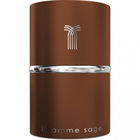
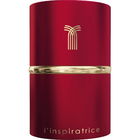
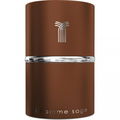
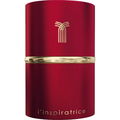
Of course, this fragrance also has connections to other creations from the house of Divine, aside from 'l’être aimé femme', which is its twin brother (fraternal twins, mind you, because his sister does not emphasize the spicy, but rather the floral component of the straw flower), but also to its older brothers 'l’homme de coeur' and 'l’homme sage'. At the very beginning, when one has sprayed 'l’être aimé homme', one thinks one recognizes a distant echo of the fruity saffron bliss of 'l’homme sage', just as one suddenly discovers the brittle dryness of a graphite pencil lead during the further development of the fragrance, which directly leads to 'l’homme de coeur'.
In contrast to its older brothers, however, the youngest is neither a wise man nor a heartthrob, but rather a shy, not necessarily pleasing young man, whose primarily intellectual charm one only succumbs to at the second encounter.
The idea behind this fragrance, its 'raison d'être' so to speak, is the complex, on one hand floral, but also straw-like, aromatic, and herbal scent of straw flowers (also called immortelles), which, with its sour undertones, tends to be somewhat penetrating and divides opinions.
Some love it because it reminds them of their vacations by the sea (where the related macchia blooms), while others hate it because it reminds them of the dried flower bouquets that earlier generations liked to have at home, which gradually collected dust and faded, yet never wilted and emitted a peculiar, sour-spicy scent that reflexively made one rush to the window to air out the stuffy air.
I belong to both groups: I like it in nature and I like it on myself, but I do not like it in my apartment. I would have never suspected that I would enjoy this peculiar odor in a perfume until I smelled Annick Goutal's 'Sables' for the first time many years ago - a fragrance that still brings me to my knees: what courage to compose such an eccentric, unconventional scent that lies beyond all, but truly all common fashion trends, not just for the drawer, but also to bottle and offer for sale! Hats off for this audacity, Madame Goutal!
Not that the fragrance became a big hit, but it decisively shaped the image of the Goutal house, which apparently was also capable of producing bold, highly idiosyncratic creations, and not just pastel watercolors.
'Sables' remained for many years an extreme work on the fringes of the olfactory palette, a somewhat arrogant outsider. Approaching it required a certain obstinacy, which often failed at the refusal of saleswomen to take it off the shelf. How often did I hear: oh that one, well he is very special, do you really want to test it? Yes, I did. I even had to test it multiple times before I dared to buy it.
Later, I discovered that 'Sables', regarding the introduction of the immortelle note, had a predecessor: Annick Goutal's own 'Eau de Monsieur' (this fragrance soon became one of my favorites too...). Here she used the multifaceted straw flower accord rather reservedly, embedded in a fresh-aromatic chypre concept.
While 'Sables' remained an acknowledged but not imitation-inviting solitary, the path from 'Eau de Monsieur' directly led to Guerlain's 'Coriolan', created a few years later.
Again, a subtle straw flower note in an exquisitely woven chypre fabric. Once again, a few years later, even 'Sables' found a neighbor in its hermitage that was hardly less eccentric: Dior's 'Eau Noire'. Both fragrances, 'Sables' and 'Eau Noire', do not even attempt to hold back when it comes to immortelle, but rather display it confidently, contrasted with strong, syrupy sweetness (Sables), or with curry-like spiciness (Eau Noire).
Divine's 'l être aimé homme', as the most recent link in the chain of those dedicated to the scent of the straw flower, now connects again to 'Coriolan' and 'Eau de Monsieur' in terms of the not very offensive, but rather subtle display of the dried flower. Moreover, the fragrance also borrows some spice from 'Eau Noire', and even in its very last phase (the next day!) a bit of sweetness from 'Sables'. It is as if 'l être aimé homme' is a traveler in the realm of straw flowers: it combines the friendly naturalness of 'Eau de Monsieur' with the fine elegance of 'Coriolan', but also pays a visit to the eccentric outsiders 'Sables' and 'Eau Noire'.
In doing so, Divine's fragrance certainly takes a position of its own, which one might describe as confidently reserved, because although it clearly places immortelle at its center, it avoids the loud and eccentric appearance of the same.
Nevertheless, I would almost call it a straw flower soliflore, even if this categorization does not initially make sense. But the longer I engage with this fragrance (and I must say: it is enjoyable to engage with it), I realize how recognizable the references of the various notes to the central straw flower accord are. Each one supports a certain aspect of this multifaceted center. The distinctly perceptible celery note at the beginning, for example: it almost absorbs the sour tendencies and gives them support. Basil and lavender highlight the herbal nuances, while cardamom and ginger bring out the spicy and sharp ones. Woody aspects of the straw flower find their echo in the subtle patchouli and sandalwood notes of the base, which, slightly ambered and with a resinous component (labdanum), also reflects the little remaining sweetness of the flower.
Everything is so focused on the central straw flower accord, nothing is omitted or concealed - everything is there. Graciously, however, it is also quite subdued, because the bitter, sour, and straw-like can develop considerable penetration at higher volumes, which loses all grace and becomes unpleasant.
Thus, 'l être aimé homme' remains a skin-embracing herb-spicy fragrance that gradually gains a bit of sweetness. And even when one thinks that one can no longer perceive it, it envelops the wearer like a fine veil in the wind.
At first, I thought this fragrance had far too little presence, was quite thin, almost ethereal. But no: its presence is extremely persistent, just very subtle. For example, if one moves quickly and then suddenly stops, one suddenly perceives the quiet clouds of this reserved companion again - a beautiful experience that one usually does not have when the cloud rushes ahead. 'L être aimé homme' is encountered in this way throughout the day, reminding one - shyly but still determined - of what a good perfume one is wearing.
Of course, this fragrance also has connections to other creations from the house of Divine, aside from 'l’être aimé femme', which is its twin brother (fraternal twins, mind you, because his sister does not emphasize the spicy, but rather the floral component of the straw flower), but also to its older brothers 'l’homme de coeur' and 'l’homme sage'. At the very beginning, when one has sprayed 'l’être aimé homme', one thinks one recognizes a distant echo of the fruity saffron bliss of 'l’homme sage', just as one suddenly discovers the brittle dryness of a graphite pencil lead during the further development of the fragrance, which directly leads to 'l’homme de coeur'.
In contrast to its older brothers, however, the youngest is neither a wise man nor a heartthrob, but rather a shy, not necessarily pleasing young man, whose primarily intellectual charm one only succumbs to at the second encounter.
4 Comments






 HugoMontez
 SchatzSucher
 Floyd
Floyd Rieke2021
 Jacko
Jacko