 View Offers

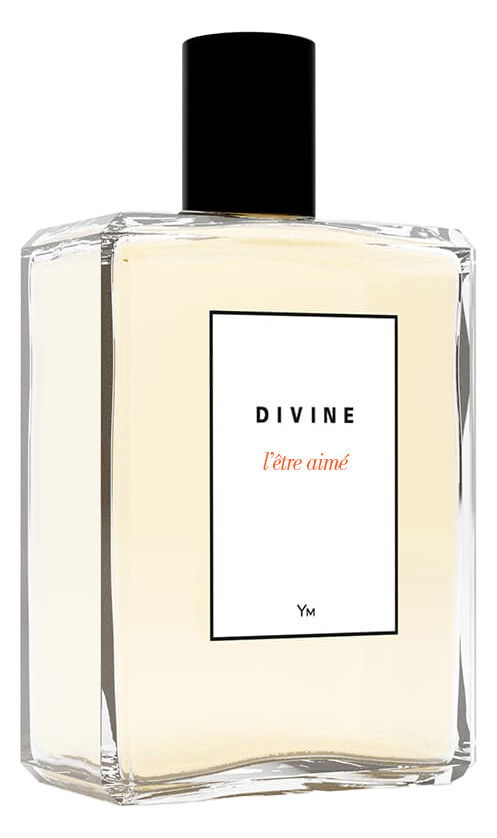
 Top Notes
  Coriander seed
 Pink pepper
 Heart Notes
  Frankincense
 Immortelle
 Myrrh
Myrrh Base Notes
  Virginia cedar
 Benzoin
 Patchouli
 Cistus
08/17/2025

Intersport
123 Reviews
Translated · Show original

Intersport
Top Review
25
Détour XIX: L'Eau Trois Zwei ?!
…and once again brush, landscape & heat:
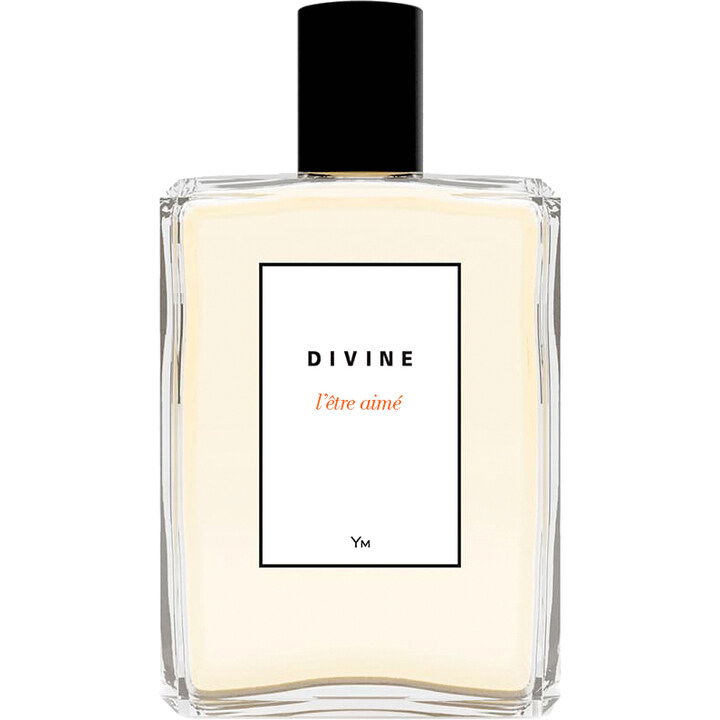
16 years before this 'Nouvelle Interprétation' of L’Être Aimé, Yvon Mouchel released L’Être Aimé Homme and L’Être Aimé Femme (both 2008) - in collaboration with the Givaudan perfumer Yann Vasnier, who is also the author of this complete overhaul from 2024. I couldn't relate to L’Être Aimé Femme; I found the immortelle note primarily sweet, with the mandarins feeling somewhat generic. But it's just silly that L’Être Aimé Homme turned out to be one of the most extraordinary immortelle releases of its time - a fragrance that seemed to rely heavily on the greener immortelle essential oil and developed a very specific, celery-like tendency (see my review on that). Commercially, L’Être Aimé Homme and Femme consequently remained outsiders, which probably made Mouchel's decision for a realignment easier…
I like Divine - not only because of the discontinued L’Être Aimé Homme but also because of the equally special L’Homme Sage (2005) and because the house is one of the few brands that has been doing its own thing for 30 years, not just throwing ounces of product on the market for 200 euros per 30 ml for the last three months. Almost all Divine fragrances are by Yann Vasnier or Richard Ibáñez - I often find such continuity interesting - and on top of that, they have a sympathetic pricing policy that seems almost defiantly down-to-earth compared to the current niche scene. A reinterpretation of the Divine immortelle classics is reason enough to take a closer look.
Looking back: 50 years ago, Diptyque released L’Eau Trois (1975), probably the original form of all macchia fragrances. The scene? “A refuge at the top of Mount Athos - arrived at after a long hike in the blazing sun.” - so Diptyque in the anniversary year 2025, and even earlier, references were made to northern Greek cultural landscapes and their vegetation. L’Eau Trois smelled of brush and resins in dry heat - probably long before the term 'macchia' even circulated in the perfume world. Two years ago, the fragrance, along with other early designs by Serge Kalouguine for Diptyque, suddenly became available again - unfortunately only for a short time - in many of the brand's retail outlets. A surprise, as it had led a reclusive Parisian existence for years. Profumo’s review and Mörderbiene’s statement portray L’Eau Trois accurately - and this is exactly what the new interpretation of L’Être Aimé reminds me of in its opening.
Approximately 2,160 kilometers in a straight line from the Breton seaside resort of Dinard to Greek Mount Athos. A UNESCO World Heritage site that has not welcomed visitors since the 11th century - a jab from Divine to comment on this purely speculative reference with a unisex fragrance? Such a thing has been more contemporary in the mainstream since CK One (1994) than dual-gender Femme Homme products - on the other hand, Homme/Femme versions were already a curiosity within artisanal perfumery in 2008. Strange.
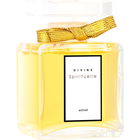
L’Être Aimé starts resinous and sour - like the scent of the sticky leaves and stems of cistus, which likes to mark entire regions with its resinous-green fragrance in shimmering heat. Pepper & coriander seeds are present, as are coniferous, pine-like aspects, and above all myrrh, which here - supported by subordinate, sour frankincense nuances - is responsible for a sacred undertone (no incense in church staging). Time and again, these aspects remind me of L’Eau Trois: overall a slightly lighter - the age difference is noticeable - but distinctly L’Eau Trois vibe.
Even though immortelle seems to be assigned a central role in Divine's text about the fragrance - it is evident that the note is by no means prominent; it actually remains quite absent for a long time. It took me several attempts to even perceive it - slowly the crossfade from the sour cistus/myrrh constellation over conifers to a slightly dried-fruit, almost classic immortelle absolute note unfolds, which really only marks a turning point at the very end - for me after hours. What is indicated as the base, I perceive at most as a holistic, continuous background noise.
What is nice is that L’Être Aimé has an exceptionally light structure and does not cater to the recently popular rustic-artisanal, coarse trend that newer immortelle fragrances often flirt with. At no point do I perceive any protruding, overly artificial-smelling substances (even if they are certainly incorporated) - a well-executed 'quiet' style. This slow development and Yann Vasnier's careful blending save L’Être Aimé in the Nouvelle Interprétation from passing as merely a counterfeit of L’Eau Trois. Compared to L’Être Aimé Homme, it is not a major hit - and also far less perfume than many other Divine releases.
This tendency towards the un-perfumed might be where L’Être Aimé is currently standing in its own way. Not because it makes it bad - rather, since for about ten years, many products in the expensive functional perfumery have been aiming in exactly this direction: aromatic, non-citrus impressions of a fictional macchia, situated between restaurant toilet, handwash rip-off, and wellness. Just as the success of Green Irish Tweed (1985) and Cool Water (1988) once reshaped the scent profile of shower gel, these are ultimately notes that were first celebrated in the early Diptyque releases - and later picked up and overused by numerous 'apothecary' brands in functional luxury (e.g. Aesop). In other words, there is no shortage of alternatives to the new L’Être Aimé - like L’Eau Trois…. Aside from that: a pleasantly subtle, contemplative scent that takes a bit of time.
16 years before this 'Nouvelle Interprétation' of L’Être Aimé, Yvon Mouchel released L’Être Aimé Homme and L’Être Aimé Femme (both 2008) - in collaboration with the Givaudan perfumer Yann Vasnier, who is also the author of this complete overhaul from 2024. I couldn't relate to L’Être Aimé Femme; I found the immortelle note primarily sweet, with the mandarins feeling somewhat generic. But it's just silly that L’Être Aimé Homme turned out to be one of the most extraordinary immortelle releases of its time - a fragrance that seemed to rely heavily on the greener immortelle essential oil and developed a very specific, celery-like tendency (see my review on that). Commercially, L’Être Aimé Homme and Femme consequently remained outsiders, which probably made Mouchel's decision for a realignment easier…
I like Divine - not only because of the discontinued L’Être Aimé Homme but also because of the equally special L’Homme Sage (2005) and because the house is one of the few brands that has been doing its own thing for 30 years, not just throwing ounces of product on the market for 200 euros per 30 ml for the last three months. Almost all Divine fragrances are by Yann Vasnier or Richard Ibáñez - I often find such continuity interesting - and on top of that, they have a sympathetic pricing policy that seems almost defiantly down-to-earth compared to the current niche scene. A reinterpretation of the Divine immortelle classics is reason enough to take a closer look.
Looking back: 50 years ago, Diptyque released L’Eau Trois (1975), probably the original form of all macchia fragrances. The scene? “A refuge at the top of Mount Athos - arrived at after a long hike in the blazing sun.” - so Diptyque in the anniversary year 2025, and even earlier, references were made to northern Greek cultural landscapes and their vegetation. L’Eau Trois smelled of brush and resins in dry heat - probably long before the term 'macchia' even circulated in the perfume world. Two years ago, the fragrance, along with other early designs by Serge Kalouguine for Diptyque, suddenly became available again - unfortunately only for a short time - in many of the brand's retail outlets. A surprise, as it had led a reclusive Parisian existence for years. Profumo’s review and Mörderbiene’s statement portray L’Eau Trois accurately - and this is exactly what the new interpretation of L’Être Aimé reminds me of in its opening.
Approximately 2,160 kilometers in a straight line from the Breton seaside resort of Dinard to Greek Mount Athos. A UNESCO World Heritage site that has not welcomed visitors since the 11th century - a jab from Divine to comment on this purely speculative reference with a unisex fragrance? Such a thing has been more contemporary in the mainstream since CK One (1994) than dual-gender Femme Homme products - on the other hand, Homme/Femme versions were already a curiosity within artisanal perfumery in 2008. Strange.
L’Être Aimé starts resinous and sour - like the scent of the sticky leaves and stems of cistus, which likes to mark entire regions with its resinous-green fragrance in shimmering heat. Pepper & coriander seeds are present, as are coniferous, pine-like aspects, and above all myrrh, which here - supported by subordinate, sour frankincense nuances - is responsible for a sacred undertone (no incense in church staging). Time and again, these aspects remind me of L’Eau Trois: overall a slightly lighter - the age difference is noticeable - but distinctly L’Eau Trois vibe.
Even though immortelle seems to be assigned a central role in Divine's text about the fragrance - it is evident that the note is by no means prominent; it actually remains quite absent for a long time. It took me several attempts to even perceive it - slowly the crossfade from the sour cistus/myrrh constellation over conifers to a slightly dried-fruit, almost classic immortelle absolute note unfolds, which really only marks a turning point at the very end - for me after hours. What is indicated as the base, I perceive at most as a holistic, continuous background noise.
What is nice is that L’Être Aimé has an exceptionally light structure and does not cater to the recently popular rustic-artisanal, coarse trend that newer immortelle fragrances often flirt with. At no point do I perceive any protruding, overly artificial-smelling substances (even if they are certainly incorporated) - a well-executed 'quiet' style. This slow development and Yann Vasnier's careful blending save L’Être Aimé in the Nouvelle Interprétation from passing as merely a counterfeit of L’Eau Trois. Compared to L’Être Aimé Homme, it is not a major hit - and also far less perfume than many other Divine releases.
This tendency towards the un-perfumed might be where L’Être Aimé is currently standing in its own way. Not because it makes it bad - rather, since for about ten years, many products in the expensive functional perfumery have been aiming in exactly this direction: aromatic, non-citrus impressions of a fictional macchia, situated between restaurant toilet, handwash rip-off, and wellness. Just as the success of Green Irish Tweed (1985) and Cool Water (1988) once reshaped the scent profile of shower gel, these are ultimately notes that were first celebrated in the early Diptyque releases - and later picked up and overused by numerous 'apothecary' brands in functional luxury (e.g. Aesop). In other words, there is no shortage of alternatives to the new L’Être Aimé - like L’Eau Trois…. Aside from that: a pleasantly subtle, contemplative scent that takes a bit of time.
15 Comments
 Gandix
 FrauKirsche
 ParfumAholic
 Ergoproxy
 Yatagan