 Copal resin
 Indian tobacco
 Mitti attar
 Sagebrush
 Cactus
 Hay
 Indian sandalwood
 Labdanum
 Muhuhu
 Nagarmotha
 Prickly pear
 Red musk
 Smoke
 Sweet clover
 White sage
06/21/2025

Mairuwa
93 Reviews
Translated · Show original

Mairuwa
Top Review
14
Summer Solstice Rituals
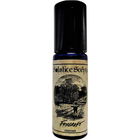
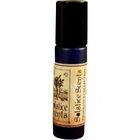
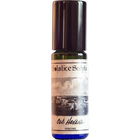
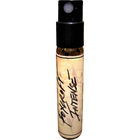
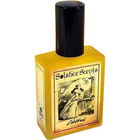
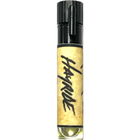
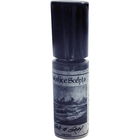
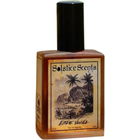
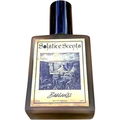
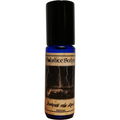
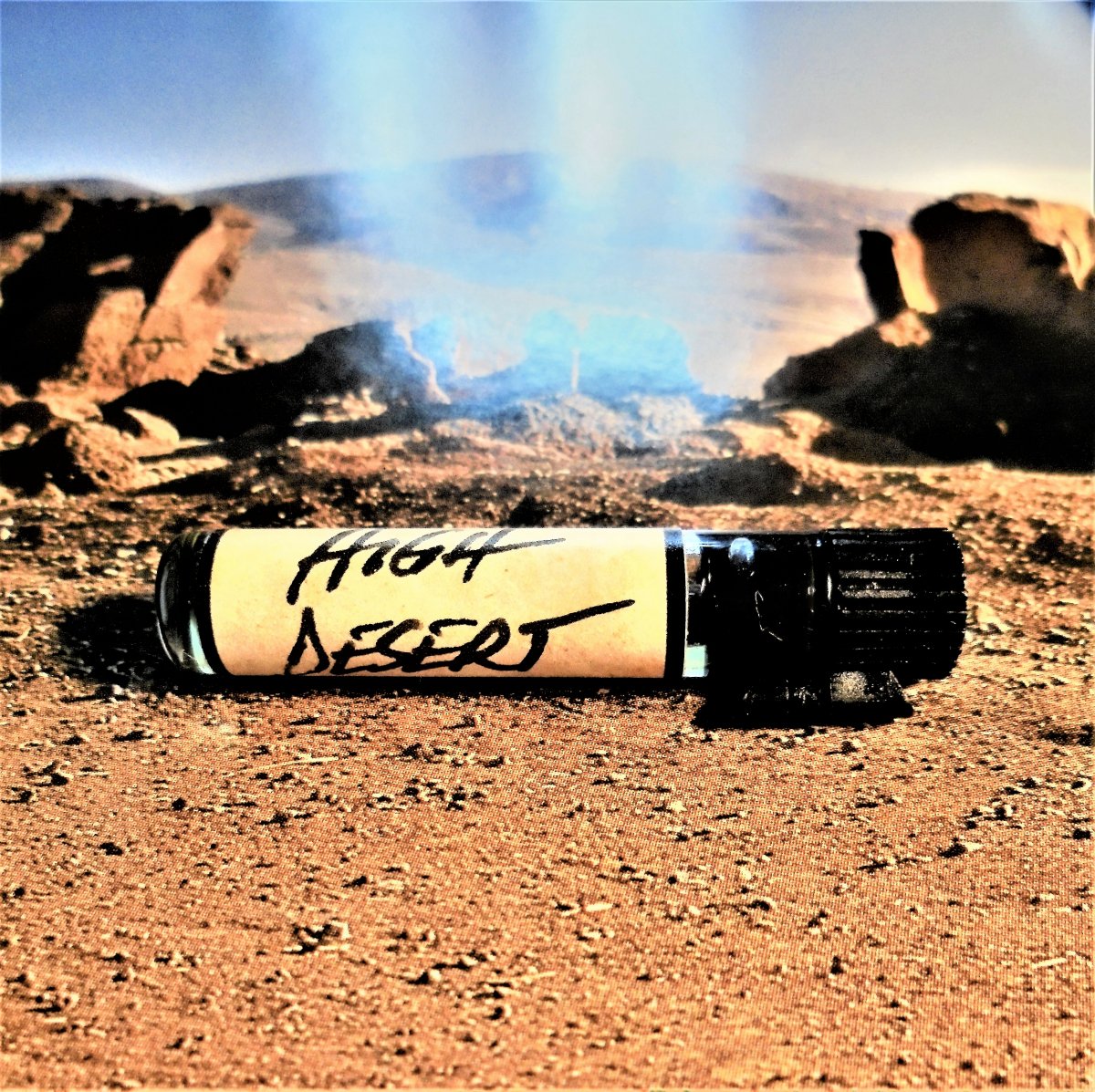
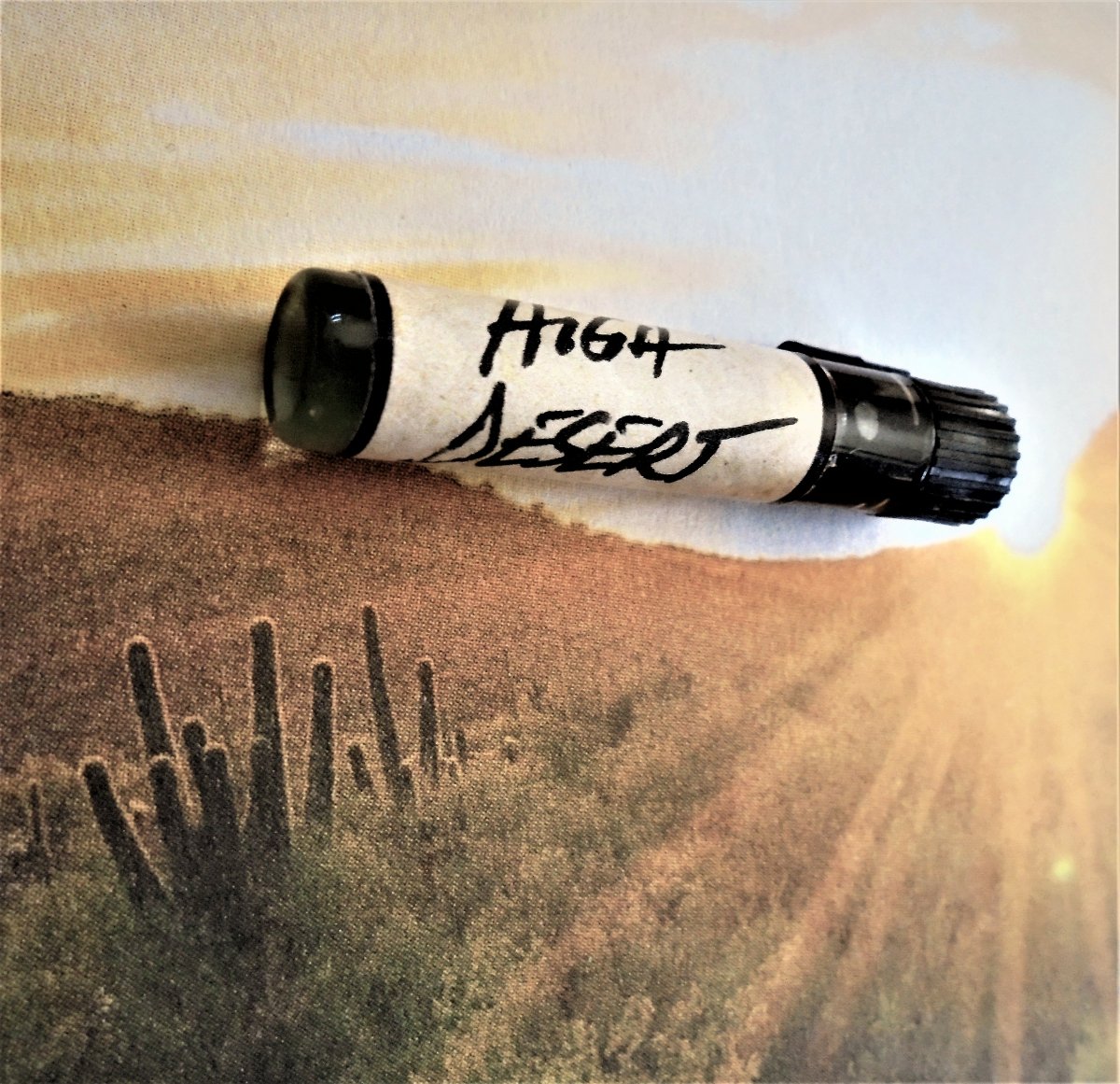
Since today is the summer solstice and there are still two fragrances from Solstice Scents awaiting appreciation on my desk, it would be downright unforgivable not to seize this opportunity. The majority of my Solstice samples are dedicated to autumn in Maine, but there is one that fits perfectly with today's heat. One must traverse the North American continent, from the far northeast all the way to the southwest. “High Desert” - I assume this refers to the Mojave Desert. While I am not familiar with it, I know the scent all too well. It transports me back a solid three decades to Heidelberg, where there was a small boutique during my studies that sold North American beadwork, leather goods, and silver jewelry with turquoise. Overall, it had a somewhat esoteric-shamanic flair and was broadly inspired by Hopi culture, albeit certainly with a hefty dose of imagination and cliché. Under the counter, one could surely find peyote and real eagle feathers, while the decor consisted solely of dyed turkey feathers even back then. Somewhere, a blend of incense was smoldering, kept glowing beautifully with those aforementioned pseudo-eagle feather fans, providing the characteristic scent that I believe I am now rediscovering on my wrist in almost identical form, half an eternity later. A shamanic space-time journey. What fragrances can do.
Angela St. John from Solstice Scents cannot be praised enough for not catering to this stereotype in any way. She does not mention cleansing rituals or shamanic ceremonies even once. Her focus is on evoking and honoring the landscape, its atmospheric characteristics, and its specific flora. At the thematic center is white sage (Salvia Apiana), and one may judge for themselves whether it is a coincidence or due to the special character of this plant that it plays such a central role for the Hopi and other indigenous groups. Perhaps Angela St. John has intuitively chosen the same approach as the Hopi. While white sage is at the forefront in her composition, it is supported by a whole array of other ingredients: desert sage, tobacco, copal resin, labdanum, Indian and African sandalwood, earthy cypriol, and clay-like mitti attar. The list could go on. It is difficult for me to differentiate individual notes here, but Angela St. John also writes that the task of these diverse supporting actors is primarily to optimally highlight the character of the main actor. The Hopi likely do something similar, not burning sage in its pure form but also mixing it with other herbs and resins. Perhaps the Heidelberg blend was even relatively authentic.
Nevertheless, alongside all the desert herbs, the woody-earthy notes, and the resins, a pleasant, slightly fresh note stands out, creating a nice balance and preventing the fragrance from becoming too dry. These seem to be the fruits of the saguaro cactus (Carnegiea gigantea) and prickly pear (Opuntia Erinacea or Opuntia Basilaris), which thematically fits perfectly and simultaneously balances the concept fragrance, making it appear even more harmonious.
Overall, a very lovely discovery, not just for lovers of desert scents. A calm, rather introverted natural fragrance with atmospheric depth. My ritual cleansing for the summer solstice this year takes place neither in the shower nor through incense but rather by sniffing at my wrist.
I thank BeJot for the time travel.
19 Comments


 PallasCC
 Caligari
 Bloodxclat

 nightflights