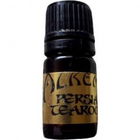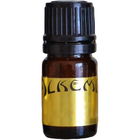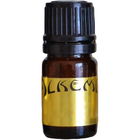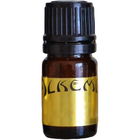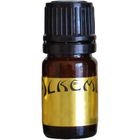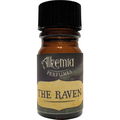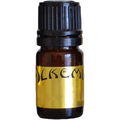


 Forest soil
 Yuzu
Yuzu Coniferous woods
 Loam
Loam Aquatic notes
 Bitter orange
 Black geranium
 Black pepper
 Cedar leaf
 Patchouli
 Vetiver
11/09/2025

Mairuwa
68 Reviews
Translated · Show original

Mairuwa
Helpful Review
6
Forest Bathing in Massachusetts
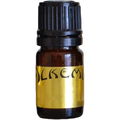
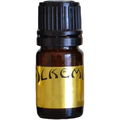
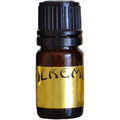
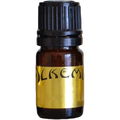
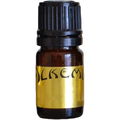
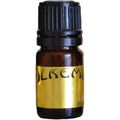
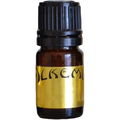
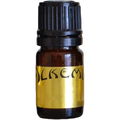
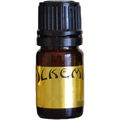
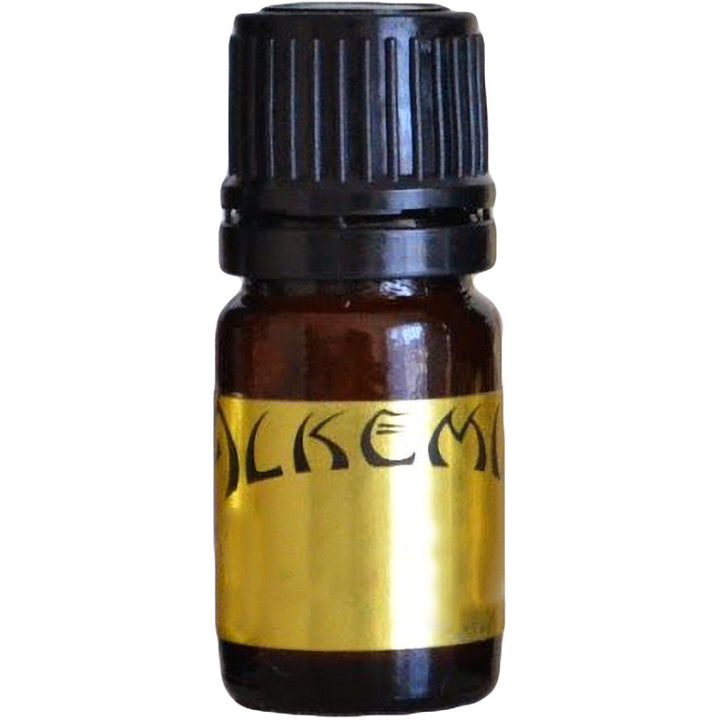
I came across the concept of forest bathing through the Lingua Planta fragrance Defend (2021) and remembered that I had another scent with a Japanese name on my desk from a test set by Alkemia, which hid the same concept: Shinrin-Yoku - 森 林 浴. Here, as I learned, 森 (Shin) stands for forest, 林 (Rin) similarly for woods/forest, and 浴 (Yoku) for bath. Bathing in the forest, then, not in a forest swimming pool, but simply sitting or wandering, exercising, but consciously immersing oneself in the atmosphere of the forest with all senses. Having previously encountered some very lovely forest scents from Alkemia in Amherst, Massachusetts, I was curious now that I knew the meaning of the exotic name.
Forest bathing. "Shinrin-Yoku" sounded promising, exotic, and vaguely reminiscent of Eastern wisdom. However, as I read, the term was rather prosaically coined in 1982 by the head of the Japanese Forestry Agency, Tomohide Akiyama. At that time, the government actively promoted immersive nature experiences to reduce civilization stress in urban life. But it was only the scientific development into therapy and ultimately a book by Dr. Qing Li, an immunologist and expert in forest medicine, that led to the worldwide popularization of the concept through its great success, ultimately elevating a leisure activity that had long been normal for us, namely the weekend forest walk, to a therapeutic exercise suitable for hipsters, which should contribute to reducing stress, anger, and anxiety, be effective for depression and anxiety disorders, and have a positive effect on blood pressure, metabolism, and the immune system. The list could go on indefinitely.
Yet, the knowledge of the beneficial effects of the forest was by no means new, I thought. Didn’t Hildegard of Bingen already advise: “Just go into the green of the forest and you will experience healing, simply by being there and breathing.” And the perfumer Sharra Lamoureaux herself illustrated the presentation of her fragrance, despite the Japanese name, not with references to Far Eastern nature medicine, but with a quote from Muriel Strode, a lesser-known American poet of the early 20th century. Strode, sometimes referred to as the "female Walt Whitman," also had a close relationship with the forest. The quote I came across spoke of merging with the materiality and scents of nature, explicitly portrayed as an act of liberation: “I am odorous of the pine forest, The scent of pine-cones is in my hair. I smell of wild mint, and the tamarack swamps. The juice of elder-berries is on my lips, and the brown stain of hazel on my fingers. I am flecked with the dust of moth-wings, and powdered with the pollen from the hearts of calla-lilies. I am wind-tawned and sun-browned. Wearing the marks of the open. I reek of freedom.”
With so much conceptual ambition and zeitgeist-laden context, I naturally approached the testing with high expectations. “Shinrin-Yoku” opened bitter-citrusy with blood orange and yuzu, which I found very pleasant, but it surprised me a bit given the theme. These were not typical forest notes at first, and I wondered for a moment if the perfumer felt it necessary to use a “bath additive” for her forest bath to give it a more Japanese feel that justified the name. However, green and slightly ethereal notes quickly joined the citrus, approaching the forest theme more decisively. And here too, I found the scent exceptionally pleasant. It was very bright in this forest, flooded with light, and I sensed the underlying forest floor more than it pushed itself to the forefront. Patchouli, of course, woods, yes, but not heavy. A slightly sweet-spicy note also played along, which, according to descriptions, could be the sweet-smelling spicebush (Lindera benzoin). A subtle peppery sharpness tingled just lightly in my nose.
For a moment, I could almost enjoy this fresh forest bath without reservation. Then, however, unfortunately all too quickly, an effect set in that I had already experienced with several Alkemia creations: The actual scent receded and was overshadowed or displaced by a generic “Alkemia note” that only allowed me to sense it vaguely. In a Woody Allen film, there is a character who is characterized by always being out of focus. That’s exactly how I felt about the Alkemia effect. While I could appreciate that as original in the film, it saddened me here, and I wonder if others feel the same way or if the phenomenon had to do with my skin chemistry. It’s a real shame because, for fleeting moments, I truly enjoyed the scent.
To do justice to Shinrin-Yoku (the concept, not the fragrance), it should not go unmentioned that it is not a trend dependent on the zeitgeist or currently fashionable in Japan, but part of a very complex medical system. As a psychiatric technique, it builds on deeply rooted religious and philosophical ideas, is recognized by conventional medicine, and is prescribed by doctors. With the fragrance “Shinrin-Yoku,” we will probably have to wait a bit longer, especially here in Germany. There are different priorities. Certificates are now being issued according to the “Criteria Catalog for Spa and Healing Forests” (KK KuH) to regulate the marketing of the forest bathing concept. Better to bathe uncertified in the wild growth of the forest like Muriel Strode. This also comes closer to the actual goal of the Japanese Shinrin-Yoku, which is not primarily about perceiving nature or even oneself more intensely, but rather about becoming one with the forest, dissolving in it, losing oneself, and thereby becoming an insignificant particle of something great.
Thanks to @BeJot for the testing opportunity and to @Sapho for the help in appropriately contextualizing the Shinrin-Yoku concept.
Forest bathing. "Shinrin-Yoku" sounded promising, exotic, and vaguely reminiscent of Eastern wisdom. However, as I read, the term was rather prosaically coined in 1982 by the head of the Japanese Forestry Agency, Tomohide Akiyama. At that time, the government actively promoted immersive nature experiences to reduce civilization stress in urban life. But it was only the scientific development into therapy and ultimately a book by Dr. Qing Li, an immunologist and expert in forest medicine, that led to the worldwide popularization of the concept through its great success, ultimately elevating a leisure activity that had long been normal for us, namely the weekend forest walk, to a therapeutic exercise suitable for hipsters, which should contribute to reducing stress, anger, and anxiety, be effective for depression and anxiety disorders, and have a positive effect on blood pressure, metabolism, and the immune system. The list could go on indefinitely.
Yet, the knowledge of the beneficial effects of the forest was by no means new, I thought. Didn’t Hildegard of Bingen already advise: “Just go into the green of the forest and you will experience healing, simply by being there and breathing.” And the perfumer Sharra Lamoureaux herself illustrated the presentation of her fragrance, despite the Japanese name, not with references to Far Eastern nature medicine, but with a quote from Muriel Strode, a lesser-known American poet of the early 20th century. Strode, sometimes referred to as the "female Walt Whitman," also had a close relationship with the forest. The quote I came across spoke of merging with the materiality and scents of nature, explicitly portrayed as an act of liberation: “I am odorous of the pine forest, The scent of pine-cones is in my hair. I smell of wild mint, and the tamarack swamps. The juice of elder-berries is on my lips, and the brown stain of hazel on my fingers. I am flecked with the dust of moth-wings, and powdered with the pollen from the hearts of calla-lilies. I am wind-tawned and sun-browned. Wearing the marks of the open. I reek of freedom.”
With so much conceptual ambition and zeitgeist-laden context, I naturally approached the testing with high expectations. “Shinrin-Yoku” opened bitter-citrusy with blood orange and yuzu, which I found very pleasant, but it surprised me a bit given the theme. These were not typical forest notes at first, and I wondered for a moment if the perfumer felt it necessary to use a “bath additive” for her forest bath to give it a more Japanese feel that justified the name. However, green and slightly ethereal notes quickly joined the citrus, approaching the forest theme more decisively. And here too, I found the scent exceptionally pleasant. It was very bright in this forest, flooded with light, and I sensed the underlying forest floor more than it pushed itself to the forefront. Patchouli, of course, woods, yes, but not heavy. A slightly sweet-spicy note also played along, which, according to descriptions, could be the sweet-smelling spicebush (Lindera benzoin). A subtle peppery sharpness tingled just lightly in my nose.
For a moment, I could almost enjoy this fresh forest bath without reservation. Then, however, unfortunately all too quickly, an effect set in that I had already experienced with several Alkemia creations: The actual scent receded and was overshadowed or displaced by a generic “Alkemia note” that only allowed me to sense it vaguely. In a Woody Allen film, there is a character who is characterized by always being out of focus. That’s exactly how I felt about the Alkemia effect. While I could appreciate that as original in the film, it saddened me here, and I wonder if others feel the same way or if the phenomenon had to do with my skin chemistry. It’s a real shame because, for fleeting moments, I truly enjoyed the scent.
To do justice to Shinrin-Yoku (the concept, not the fragrance), it should not go unmentioned that it is not a trend dependent on the zeitgeist or currently fashionable in Japan, but part of a very complex medical system. As a psychiatric technique, it builds on deeply rooted religious and philosophical ideas, is recognized by conventional medicine, and is prescribed by doctors. With the fragrance “Shinrin-Yoku,” we will probably have to wait a bit longer, especially here in Germany. There are different priorities. Certificates are now being issued according to the “Criteria Catalog for Spa and Healing Forests” (KK KuH) to regulate the marketing of the forest bathing concept. Better to bathe uncertified in the wild growth of the forest like Muriel Strode. This also comes closer to the actual goal of the Japanese Shinrin-Yoku, which is not primarily about perceiving nature or even oneself more intensely, but rather about becoming one with the forest, dissolving in it, losing oneself, and thereby becoming an insignificant particle of something great.
Thanks to @BeJot for the testing opportunity and to @Sapho for the help in appropriately contextualizing the Shinrin-Yoku concept.
9 Comments


 FrauKirsche
 Delightful
 Chizza
 Zerotonin
 Rieke2021
 Varaldsoey