“All these fleeting scents, those of the streets, the fields, the houses, the furniture... the sweet and the bad, the warm scents of summer nights and the cold of dark winter evenings, they all evoke memories, just as if the past were embalmed in the scent itself.” Guy de Maupassant, Fort comme la mort
Blog entry by Nora-Claire (18 years old)
Hey guys, here I’m posting a bit of everything that’s come to my mind. You’ll manage.
Some freaks place an insane amount of importance on scents. My aunt, for example. Not a week goes by without her buying a new fragrance. Usually a so-called “vintage.”
Or a “niche scent.” “Rare distribution.” I find her perfumes rather unpleasant. Many evoke disgust in me, almost like a book of math rules or those pungently stinking patchouli incense sticks.
But yesterday, Aunt Annick showed me her latest acquisition.
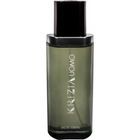
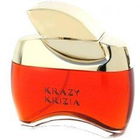
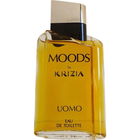
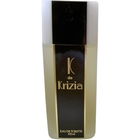
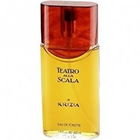
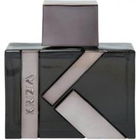
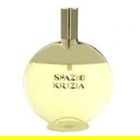
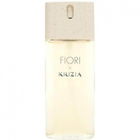
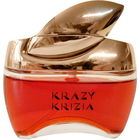
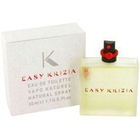
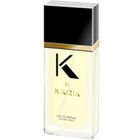
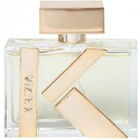
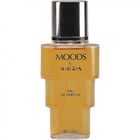
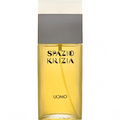
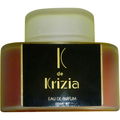
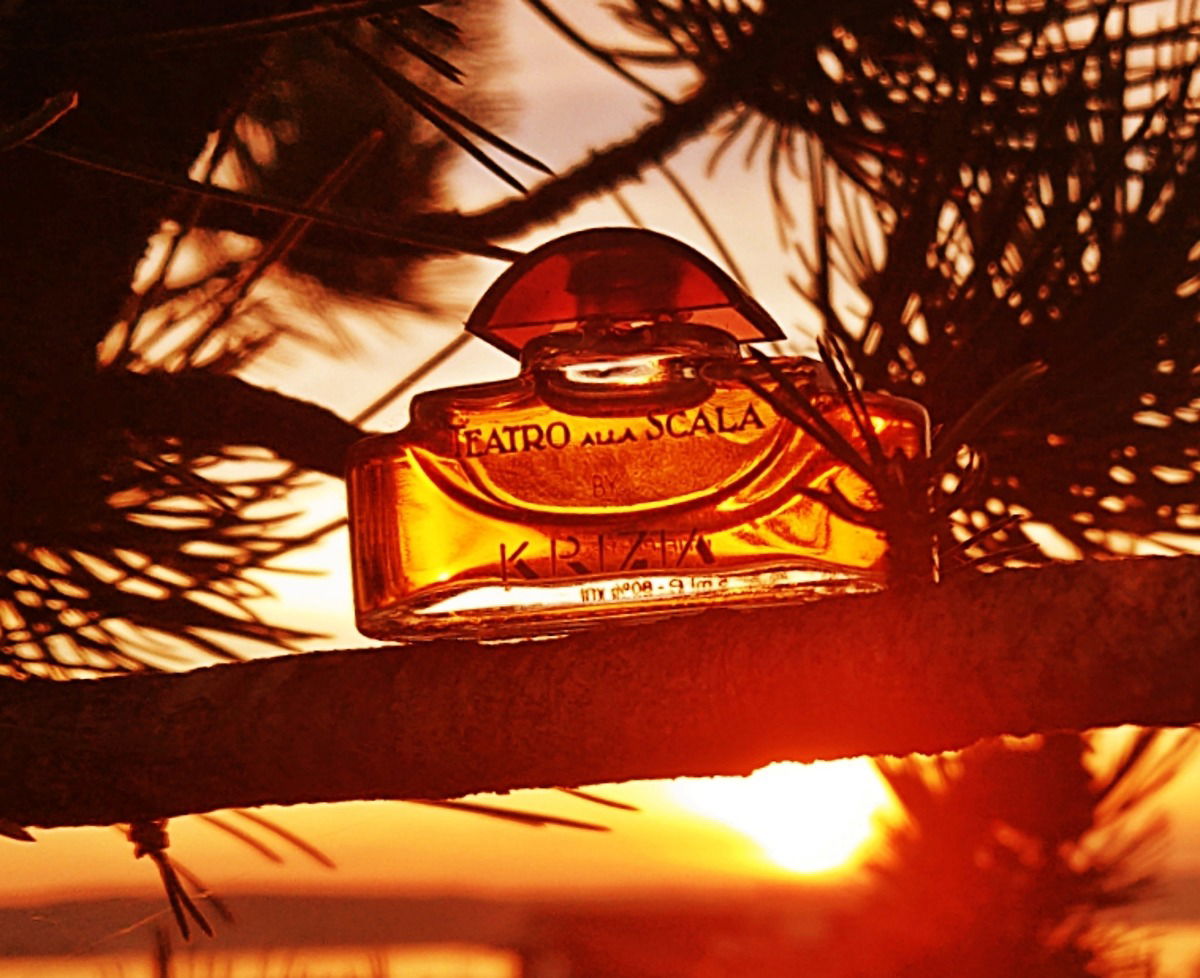
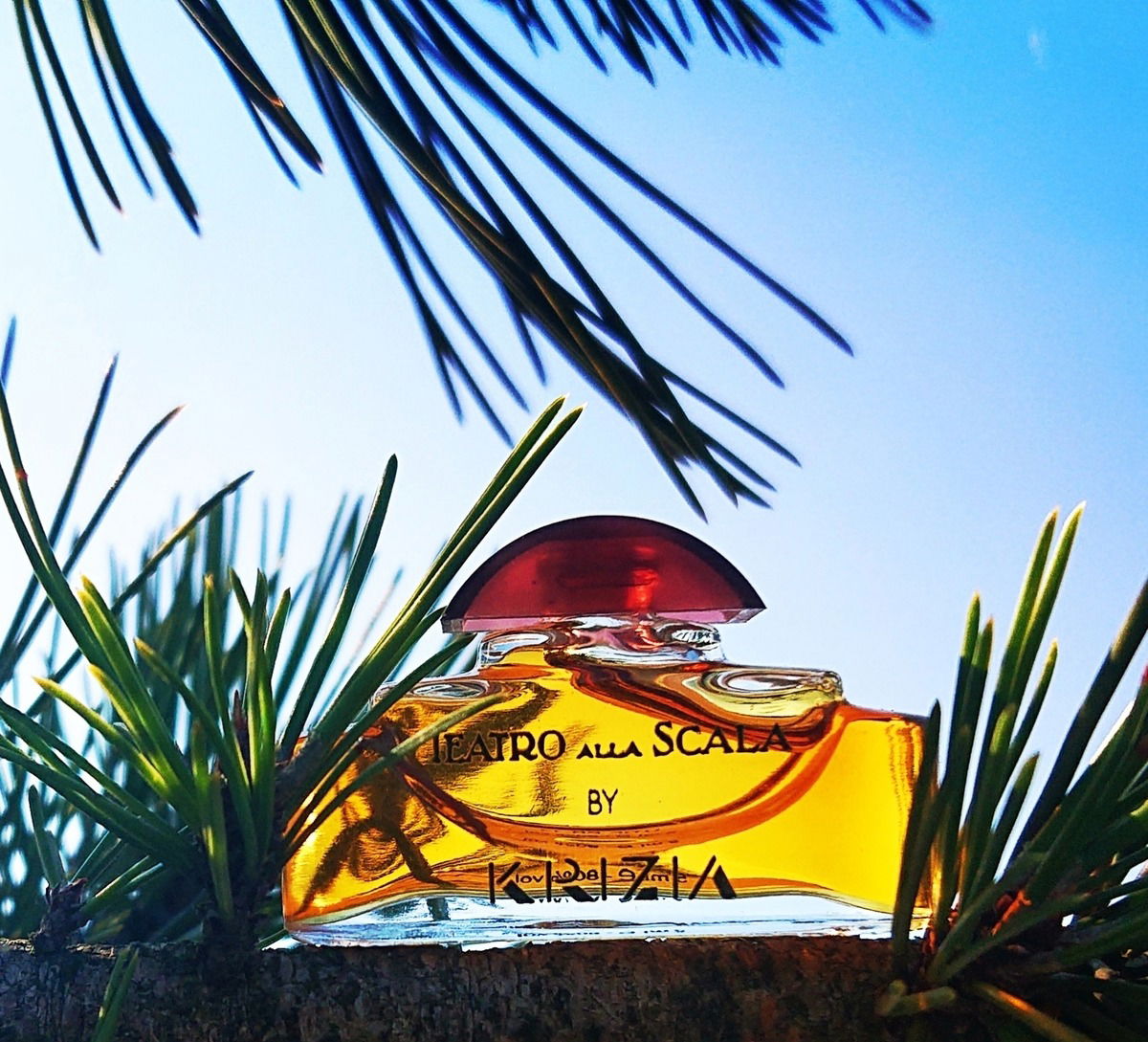
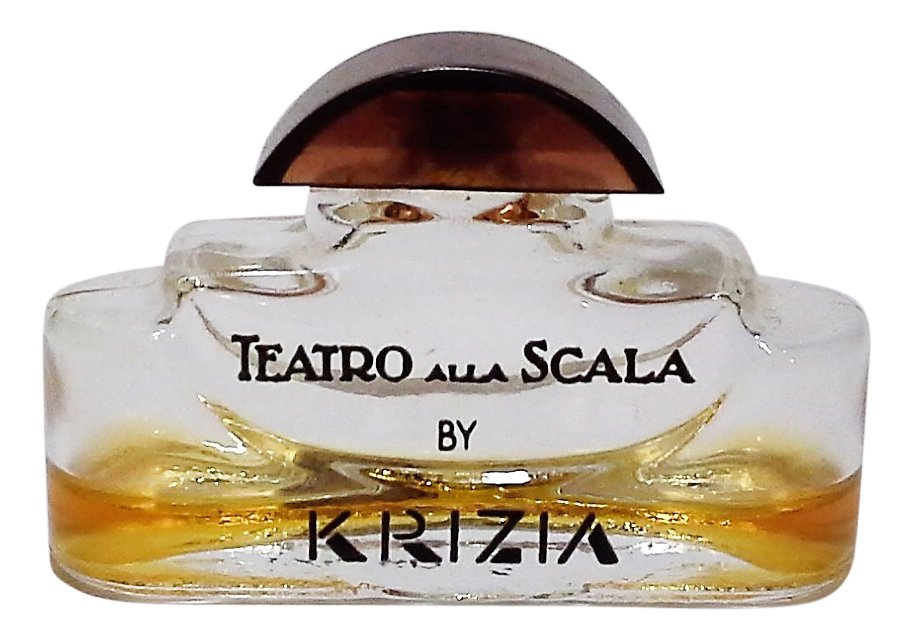
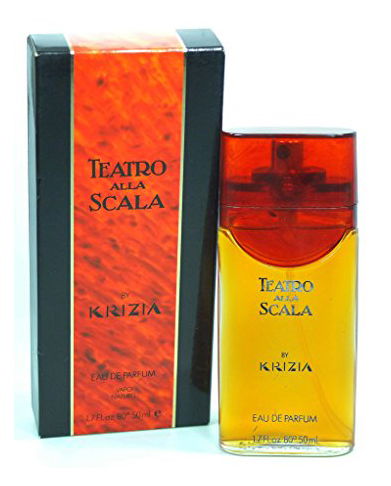
“Teatro alla Scala” by Krizia.
Finally, an old perfume (from 1986) that I like. Not playful. No questionable, embarrassingly pretentious “glamour.” Not an example of my crazy aunt’s eccentricity. And definitely not the right scent for a city stroll.
How I even came to want to understand and comment on a perfume, my aunt is currently asking over Skype. “You’ve never interpreted a perfume!”
True. Such assignments don’t usually belong to the curriculum of a high school student. But during Corona times, we were given the task in “Politics and Society” to report on a crazy hobby that could be “culturally significant.”
Now I feel completely overwhelmed.
Annick emails me:
“Perfumes can be described, for example, with the same vocabulary as driving styles (“speedy,” “spirited”), lovers (“passionate,” “impulsive,” “tender”) or weather phenomena (“humid,” “oppressive,” “sunny”).
Do such descriptions have value?
Is “Teatro alla Scala” a passionate scent?
Yes, it is warm and spicy.
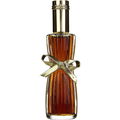
Not narcotic (like, for example, “Tabu”) or as balsamic as “Youth Dew.”
Do I need to show a passion for opera to wear it?
No.
But if opera, which one would it be?
Annick says:
“Definitely not Mozart.
Not even a mature work like “Don Giovanni.”
“La Boheme?”
Too sad. In the end. Oh, many composers push the tear-jerker button at the end. Or everything is highly dramatic.
Let’s take “Rigoletto.” THE opera by Verdi. Captivating. Unforgettable. So very MILAN and so very SCALA.”
“My classmates and I sometimes go to the perfume shop together, but we don’t come into contact with the true treasures of the fragrance world. All those older perfumes that you always rave about, dear aunt, they aren’t even available at Douglas anymore.”
Yes, I suffer from my perfume ignorance. The common scents I’ve tried so far are not recognized by my aunt. I would have to start completely anew. And of course, first pass the demanding scent tests online that my aunt completed years ago. First on Basenotes, then on Fragrantica. And later on Parfumo.
Parfumo, she says, was the biggest challenge.
Luckily, I’m not in Mija’s shoes. She has even more problems with the homework.
She perceives most of the noble and precious perfumes that my aunt has in her collection as a castle with high, unclimbable walls and a few beautiful flowers around it that you can’t pick. Mija doesn’t have academic parents, can’t speak English well, and her German isn’t great either. In the noble castle perfumery that we visited for research purposes, she felt uncomfortable because she would first have to painstakingly learn how to handle expensive fragrances to succeed there. When Mija is extremely frustrated (and she often is), she buys a bottle of “Bruno Banani” or “La Rive” at the supermarket.
We probably only have a faint idea of how unsatisfying and dreary Mija’s life likely is. Unlike my aunt, she doesn’t have a magnificent perfume collection, not a single gorgeous vintage in a Jugendstil bottle.
“I often imagine walking through the city with a fat wallet and just fulfilling all my wishes,” Mija suddenly says. “And then I would buy a really awesome perfume. One that knocks all the guys out!”
We look a bit aimlessly online for information about perfumes and stumble upon the page
“Dream Scent Wanted - the regulars' table.”
Unfortunately, only the unsympathetic, macho, and unsatisfied men go scent hunting there. These guys are all “hard to satisfy” because they have unrealistic ideas about perfumes. They often buy scents that are popular and that others say will help them score with women faster and better.
Long lists of cheap imitations of the “Super-Panty-Dropper-Scents” are posted.
“Stop, girls,” my aunt calls out. “Where are you looking?” She says she wouldn’t think it was great if her husband came home with a scent from the “Dream Scent Regulars' Table.” After all, most of them are also “copies” that come from a “primitive culture,” what does a man actually want with such a “dupe”? (What a question, it’s clear what...).
“You can also tell that they are copied!”
Can you smell it too?
For my homework on the topic of scents, which I have to submit online today, it’s advantageous that I apparently can quickly empathize with problems that come with a lack of sensitivity for the context and the “essence of perfume.” I talk to Annick about her early years in the perfume world, during which she (her words!) “randomly used heavy oriental artillery.”
Her landlord in Heidelberg kicked her out of her student room in 1984 because of the “intrusive, indecent smells” she perceived in the hallway. My aunt had worn “Habanita” by Molinard. Doesn’t ring a bell, but I can imagine exactly what the landlord meant.
Hey, by the way. Vivaldi and Bach don’t fit with Teatro alla Scala. More like belly dancing. Just occurred to me because the scent is considered “Orientale.”
Jean Kerleo: “Well, however it may be, the scent and also the perfume inspire dreams. They provoke feelings. You could even say they move our psyche. They make a gray day seem brighter. They complete something in you. But above all, they are there to make life more beautiful. Yes, that’s exactly it. Because where there are no scents and no perfumes, there are also no dreams and thus no future anymore.”
Jean Kerleo is the founder of the Osmotheque (Perfume Museum!) and of course a perfumer.
“There are plenty of opportunities to dream, chances to explore scents. Some people seem to have a special talent for it, like the creators of Teatro alla Scala, for example. From a small ensemble of five or six notes, a celebration with bel canto and chypre chords quickly emerges. Delightfully untamed and yet with thought behind it.”
(Says my aunt).
“Does anyone want to read the notes? I have the internet.”
Smelling. One of the most beautiful “homework” ever.

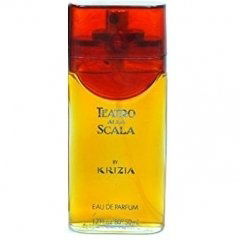


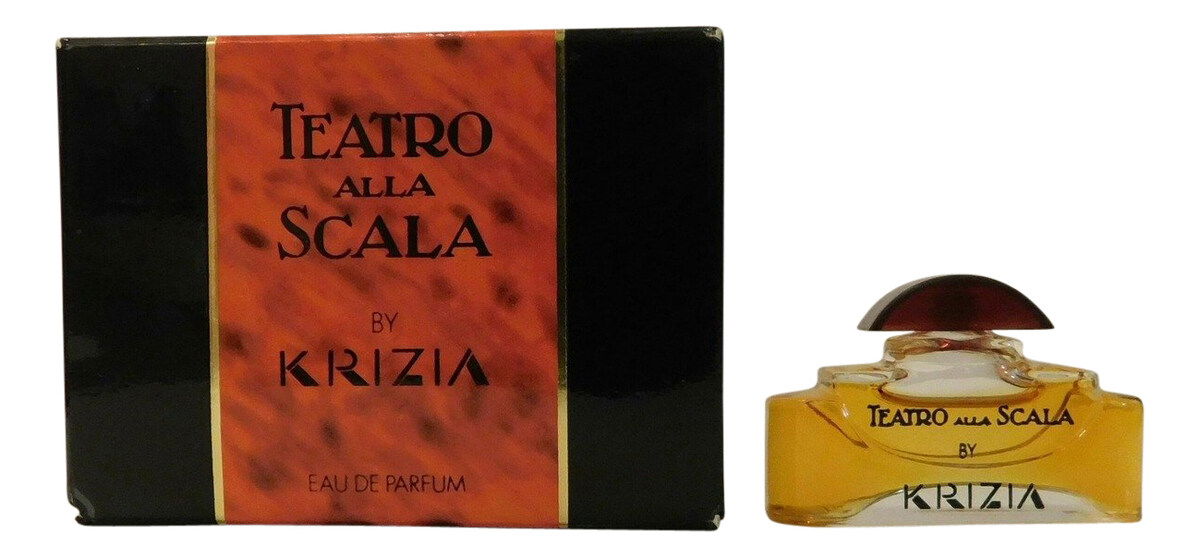
 Top Notes
  Aldehydes
 Bergamot
 Coriander
 Fruity notes
 Heart Notes
  Beeswax
 Ylang-ylang
 Carnation
 Geranium
 Orris root
 Tuberose
 Jasmine
 Rose
Rose Base Notes
  Civet
Civet Musk
Musk Oakmoss
 Patchouli
 Vetiver
 Benzoin
 Frankincense





 BertolucciK
 Rachelg
 Explorepod
 Andrula
 FrauKirsche
 Jacko
Jacko Yatagan
 Gold
Gold Azura
Azura Haraella