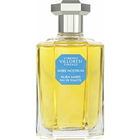
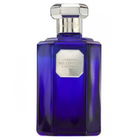
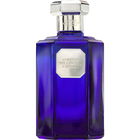
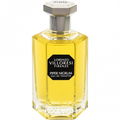
This fragrance is all about craftsmanship, abundance, enjoyment, and opulence.
Before I describe this wonderful scent, I would like to say a few words about the perfumer.
Signor Villoresi, a trained philosopher, is a true Florentine. He owns a palazzo there that has been in his family for generations and is connected with numerous Florentine artisans. He sees himself as one of them. As a perfumer, he is self-taught. The homepage describes the palazzo in wonderfully flowery language. The maestro's atelier, where he works on his scents shielded from the noise of the city, overlooks the rooftops of Florence and the Arno...
A living room with large windows and a spectacular view of the city, where he interacts with visitors. There is a piano and a portrait of his grandmother
( surely painted...), looking more or less benevolently at the visitors...
The enterprising perfumer has more visions he is currently working on. An academy, a meeting place for all fragrance enthusiasts. Workshops on the subject are to take place there, and there will be a garden where visitors can watch perfume raw materials bloom, grow, and thrive. A fragrance museum is also in the planning stages. Additionally, Signor Villoresi has published several books on the subject of perfume.
All of this is quite exciting and possibly worth a closer look.
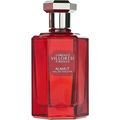
Just like the beautiful, albeit crowded Florence, where art and history can be admired at every corner. And just like this city, the special, beautiful perfume, Kamasurabhi, is somewhat old-fashioned, out of time. But one could also say timeless.
The word Kamasurabhi comes from Sanskrit and means something like "scent of enjoyment and joy."
The perfumer was inspired to create this fragrance, as you might guess: by a trip to India.
How does a Florentine translate his colorful impressions from such a journey into fragrance? Colorful yet classic. I will try to describe that.
Already at the first sniff of the sample, I am taken with it...., it smells good! It smells like a really good herbal, floral, and especially at the beginning, also rose soap. The kind that not only cleans but in whose noble, creamy foam one can truly indulge. It reminds me of the good, handmade soaps that can be found at artisan markets. Where nothing is cheaply cobbled together and good oils and fragrance oils are used.
A cheerfully opulent, unsentimental floral scent, soapy, slightly bitter, and at the same time beautifully full and round. In the background, fragrance number two is already faintly perceptible, into which the initial scent gradually transforms. At the moment, it is simply noticeable as a light, somewhat "greasy" leather note. This "lots of floral soap - little leather mix" holds on for quite a while. And yes, a dark-eyed, Indian beauty with flowing black hair and a colorful sari would wear it well. Well, what is good for Indian princesses can't be wrong for fair-skinned European women either.
The rich, full-bodied (actually full-nosed) floral kaleidoscope slowly, slowly fades into the background over hours.
Later, one primarily smells creamy sweet, warm, fatty ylang-ylang flower with the same sandalwood and a bit of light leather added. This combination is absolutely enchanting.
Anyway, an Indian fragrance must probably be colorful and opulent, drawing from the abundance and a little bit of muff can certainly be included.
The classic, timeless, perhaps somewhat antiquated aspect of this perfume is likely the Florentine part of the creation.
This fragrance has definitely captivated me, and I already have a hunch about what I might wish for Christmas. I would actually prefer to pick up the perfume myself in Florence, in this advertising-worthy, legendary, fairy-tale palazzo of the Villoresis
(there is of course still room for a retail space there!). One is allowed to dream. And I would, if the opportunity arises, conspiratorially wink at the venerable portrait of the grandmother ;-)

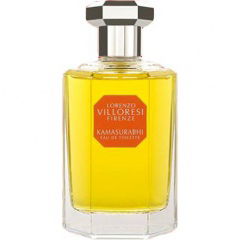
 View Offers

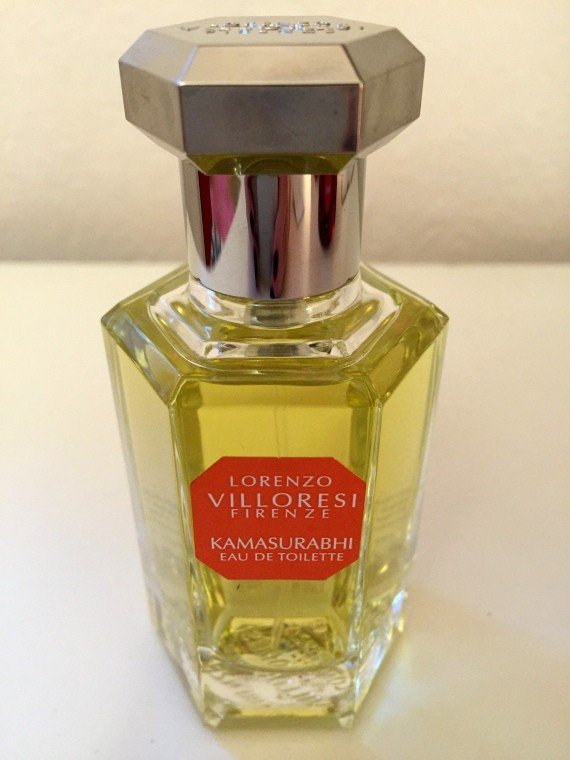
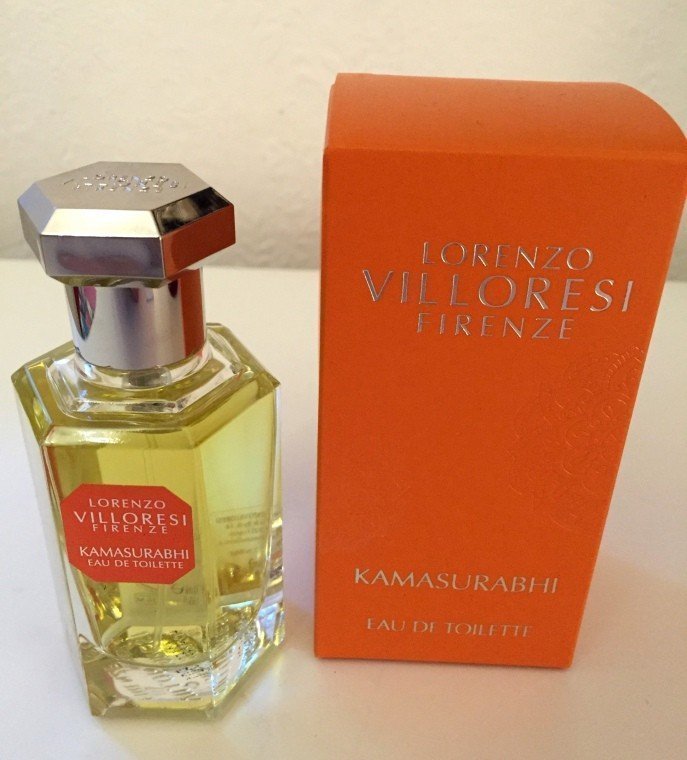
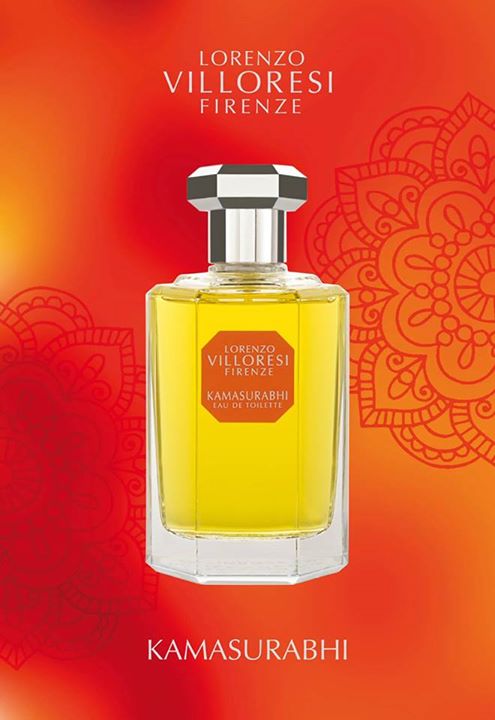
 Top Notes
  Jasmine sambac
 Exotic blossoms
 Orange blossom
 Rose
Rose Heart Notes
  Sandalwood
 Tuberose
 Ylang-ylang
 Narcissus
 Base Notes
  Musk
Musk Patchouli
 Amber
Amber Leather








 valhelsingv
 Yatagan
 Ergoproxy
 Violett
 Louce
Louce