The Cheerful Trout in Wild Waters
"In a bright little stream,
There shot in joyful haste
The whimsical trout
Past me, like an arrow:
I stood on the shore
And watched in sweet calm
The cheerful fish's bath
In the clear little stream.
A fisherman with his rod
Stood by the shore,
And watched with cold blood,
As the little fish twisted.
As long as the water was bright,
I thought, it won’t break,
So he won’t catch the trout
With his fishing line.
But finally, the thief
Found the time too long; he made
The stream treacherously murky:
And before I thought it,
His rod twitched;
The little fish wriggled on it;
And I, with lively blood,
Watched the deceived one."
"The Trout" (op. 32 / D 550) is one of the most famous art songs by Franz Schubert. The text comes from Christian Friedrich Daniel Schubart. It is one of the most popular Schubert songs, available to us in five different versions, and was created between November 1816 and July 1817. This song is in its original version for high voice in D-flat major, in "2/4 time." The piano accompaniment is always characterized by sextuplets, which, through the tempo indication "somewhat lively," reflect the impression of the cheerful, lively trout. The melody of the vocal line is almost continuously cheerful, with only three measures briefly conveying the impression of sadness or pity from the singer's side, after which the melodic line quickly returns to major. Christian Friedrich Daniel Schubart wrote the underlying poem between 1777 and 1783 during his imprisonment at Hohenasperg Fortress, which lasted until 1787. In the fable of the trout, he symbolized his own fate: The first two stanzas, which tell of observing a trout in the clear stream and the angler's futile waiting, consist of a reprise of the main motif; the third stanza is then divided into a dramatic part, in which the stream is muddied and the trout is caught, and another reprise that contains the observation of this act and the interpretation of the observer.
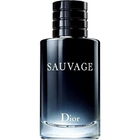
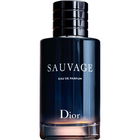
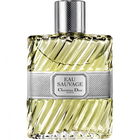
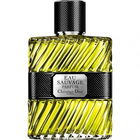
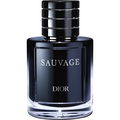
I always think of Schubert's trout when I smell "Eau Sauvage" by Christian Dior. Is it possible to olfactorily translate "wild water"? Christian Dior has tried: "The mother" of all "wild water scents" is the "Eau Sauvage," created by Edmond Rodnitska for this house in 1966. This was followed in 1982 by the now-discontinued "Eau Sauvage Extrême," which was to find its continuation in 2010 under François Demachy. In 2001, we were also gifted an "Eau Sauvage 100 % Glaçon" and in 2007 an "Eau Sauvage Fraîcheur Cuir." Their production has also since been discontinued. Ultimately, in 2012, the "Eau Sauvage Parfum" reached the shelves of the relevant perfume temples.
The "Eau Sauvage" from 1966 is presented by Dior as follows: "As a great classic among men's fragrances, Eau Sauvage is the epitome of elegance according to Monsieur Dior: A balance between simplicity, naturalness, and individuality."
Its creator, Edmond Roudnitska, used in his work - as is also noted here on Parfumo - according to general expert opinion for the first time the synthetic fragrance compound "Hedion" (Methyldihydrojasmonat) with a concentration of 2% to realize his project, as this fragrance compound is said to give perfumes a jasmine-like, transparent, and fresh note.
Eau Sauvage (EdT) begins wonderfully fresh. Simply refreshing like an ice-cold mountain stream on a hot and humid summer day. A sour lemon and a wonderfully natural bergamot greet us. Before my mind's eye, I can almost see the water splashing. Wild and untamed. These refreshing citrus fruits are underlaid with spices: I sense basil and lavender. But also a certain - albeit mild - sharpness. Almost a bit peppery, yet not burning. Just spicy. I see this ice-cold wild water of our mountain stream flowing over rough earth and rocky stone. Continuously and endlessly.
Our bubbling mountain stream passes by a flower meadow: The scent remains refreshing. By no means sweet. I can catch a delicate rose scent. A gentle rose. Not particularly prominent. However, noticeable. Alongside it, a bit of spicy clove and a hint of soft jasmine. Yes, this flower meadow is not the main character here. That remains our wild mountain stream. It flows bubbling down the mountain incessantly, and its constant rushing is enriched by these floral notes.
Further - this time earthy-woody - notes are added: Spicy patchouli and noble woods now accompany our mountain stream on its steady journey. But eventually, every day finds its end: The sun sets and makes way for its brother, the moon. It now shimmers in the still continuously bubbling water of our mountain stream. It gets darker: Profound amber, spicy oak moss, and mysterious musk now join in. Without taking away the fragrance's unceasing lightness and sprightliness. Our water flows and flows and flows. Only: Now no longer wild-bubbling under the hot midday sun, but now mysteriously under the loving eyes of the proud moon. Still relentlessly flowing; just a different facet. Simply wonderful.
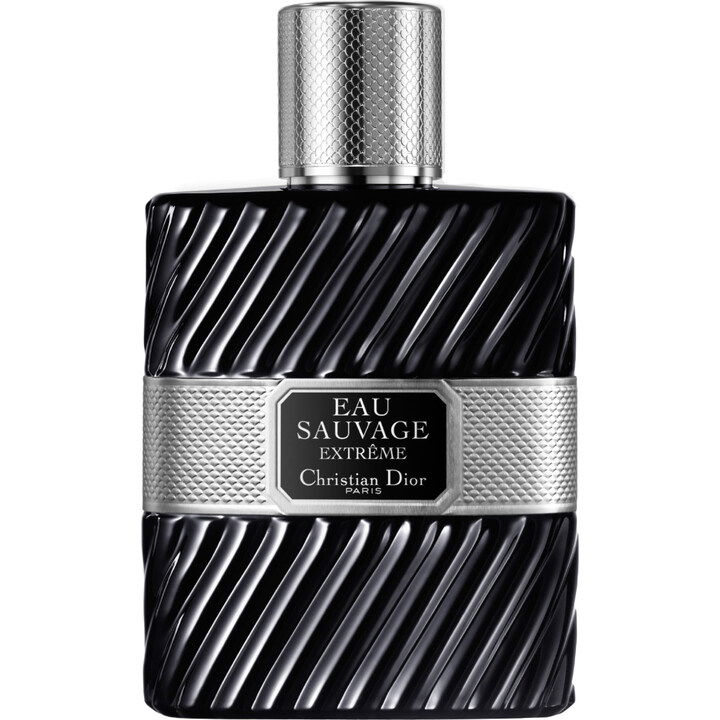
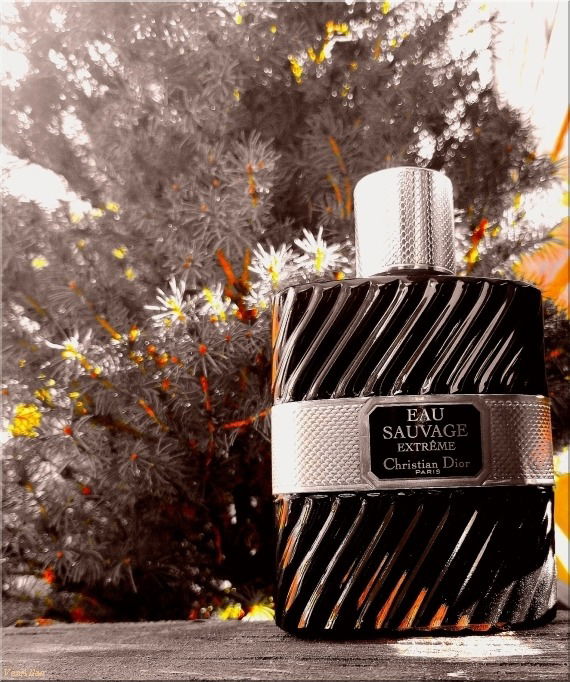
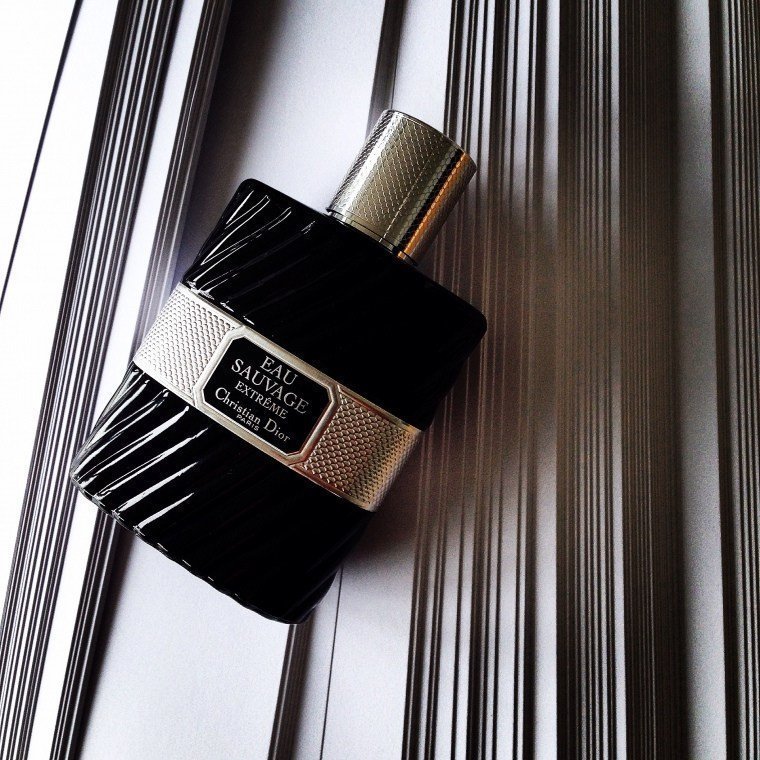
This dreamily beautiful scent was to receive another brother many years later (after the namesake, but now discontinued version from 1982): Dior presents its "Eau Sauvage Extrême" from 2010 as follows: "With Eau Sauvage Extrême, Dior presents a modern version of its great classic: bolder, more powerful, and deeper. The original accord reaches its peak in Eau Sauvage Extrême and enriches it with noble woody-enveloping notes that possess a distinctly contemporary character and emphasize its masculinity. A timeless chic with the same olfactory self-confidence as Eau Sauvage."
The "Eau Sauvage Extrême" (2010) also starts fruity. Here again, lemon and bergamot are part of the mix. However, they are - in contrast to the "Eau Sauvage EdT" - not as sour-fresh. They seem to me rather like more mature fruits. Our mountain stream is no longer so wild and bubbling. It appears deeper and also somewhat leisurely. The water still flows. But not as wildly.
These citrus fruits are also underlaid with spices. In line with the "Eau Sauvage EdT," we also find lavender here. And there is also a bit of basil. Besides, I notice another note. A note that is not present in the "Eau Sauvage EdT." It is a very interesting note: A mint in the heart note! I find that very remarkable! Based on the still existing basic theme of "wild water," it is obvious that initially - fundamentally - the same fruits are worked with in the top note. However, they appear more mature and thus rounder. Admittedly: This initially comes at the expense of the still established theme of a wild bubbling water. But now these ripe fruits are underlaid as a variation of the theme "Wild Water" in the heart note with this fresh mint. Exactly this leads again to this (albeit somewhat weaker) impression of a flowing body of water: We no longer have the wild bubbling mountain stream under shimmering sun from before. But still, a different - also flowing - body of water. A deeper one. A somewhat calmer one. A different one.
And also for this - as mentioned: different - body of water, the day passes and night falls.
A night in which the moonlight now also reflects in this body of water and dark trees cast their mysterious shadows over the flowing liquid. Earthy patchouli and noble woods accompany us in these hours. Hours in which we now observe this - different - mountain stream.
But that’s not all. In 2012, the "Eau Sauvage Parfum" followed. To this, the Dior website states: "In 2012, François Demachy creates Eau Sauvage Parfum: the new chapter of a legendary story. With the same timeless elegance and as striking as usual, the great classic ventures for the first time into the noblest concentration: the Eau de Parfum for a 'Black Tie' charm. This new signature, with its intense, hesperidic and woody amber fragrance veil, is a signature that is well-suited for the evening. Mysterious and sensual myrrh, as well as the masculine strength of Haitian vetiver, caress the characteristic accord of Eau Sauvage. A new intensity: magnetic and profound. The pinnacle of masculine refinement."
This version of the timeless classic "Eau Sauvage" also starts with our already well-known bergamot. This is - as one would expect from a perfume - ripe and fruity. It is a very beautifully natural bergamot that greets us here. It then becomes spicier and deeper: I perceive myrrh. A very beautiful, warm, slightly spicy-sweet scent spreads. This is no longer our ice-cold and wild mountain stream from the "Eau Sauvage EdT" and also not the calmly but surely flowing body of water of the "Eau Sauvage Extrême" (2010). No, this is now a calm river that now presents itself majestically before us. There is no wild spray anymore. It is a - quite clear - but now calm and deep body of water. Mysterious, warmed by the hot daytime sun. Calm and composed. With a few grasses on its banks (vetiver!).
My conclusion:
About the "Eau Sauvage EdT" from 1966, one cannot say much. Just this: A grand masterpiece of perfume history. The established theme perfectly and originally implemented. Perhaps alongside "Pour Monsieur" (Chanel) and "Habit Rouge" (Guerlain) THE men's fragrance par excellence.
The 2010-released (and in contrast to the 82 version still readily available) "Eau Sauvage Extrême" represents, in my opinion, a successful variation of the once established theme. Only: Our wild mountain river of yore now flows a bit more calmly and leisurely. But it is still recognizable as a body of water.
Now, the "Eau Sauvage Parfum" is undoubtedly a very well-made scent. It is now a calm and majestic river that olfactorily lies before us. But is it still an "Eau Sauvage," a wild water? Is it still a water in which our cheerful trout would joyfully swim its course? Or has the stream already been muddied? Or is the cheerful trout already the prey of our angler?



 Top Notes
  Sicilian lemon
 Bergamot
 Grapefruit
 Heart Notes
  French lavender
 Basil
Basil Elemi resin
 Jasmine
 Mint
Mint Base Notes
  Virginia cedar
 Vetiver
 Patchouli
 Chypre accord






 Hajuvana
 Ceesie
 ShapsBerg
 Attlas
 Wario
Wario Jazzy76
 Stella73
 Salva
Salva Karli
Karli FvSpee