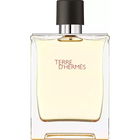
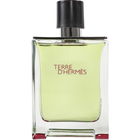
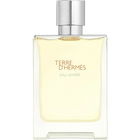
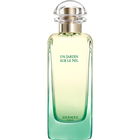
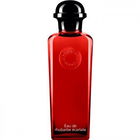
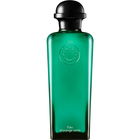
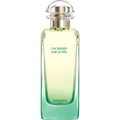
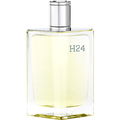
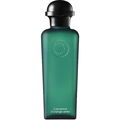
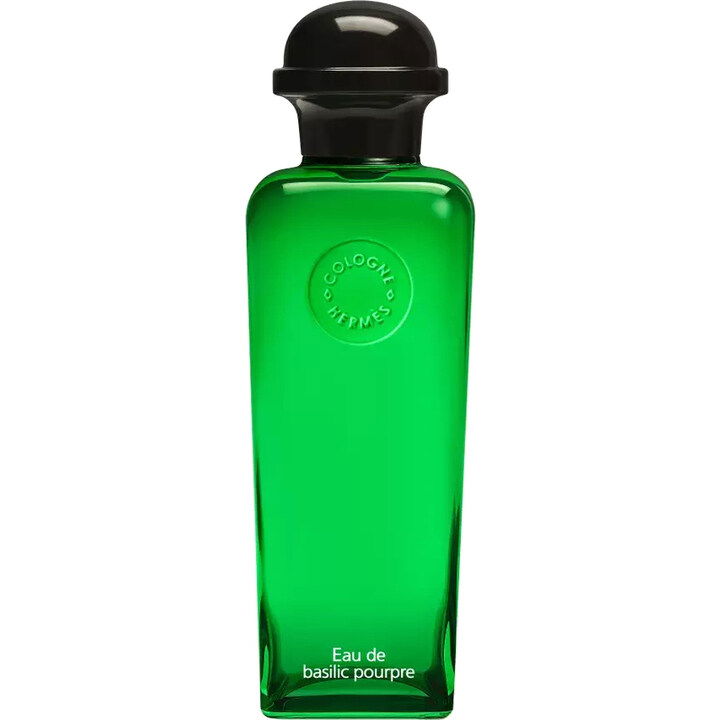
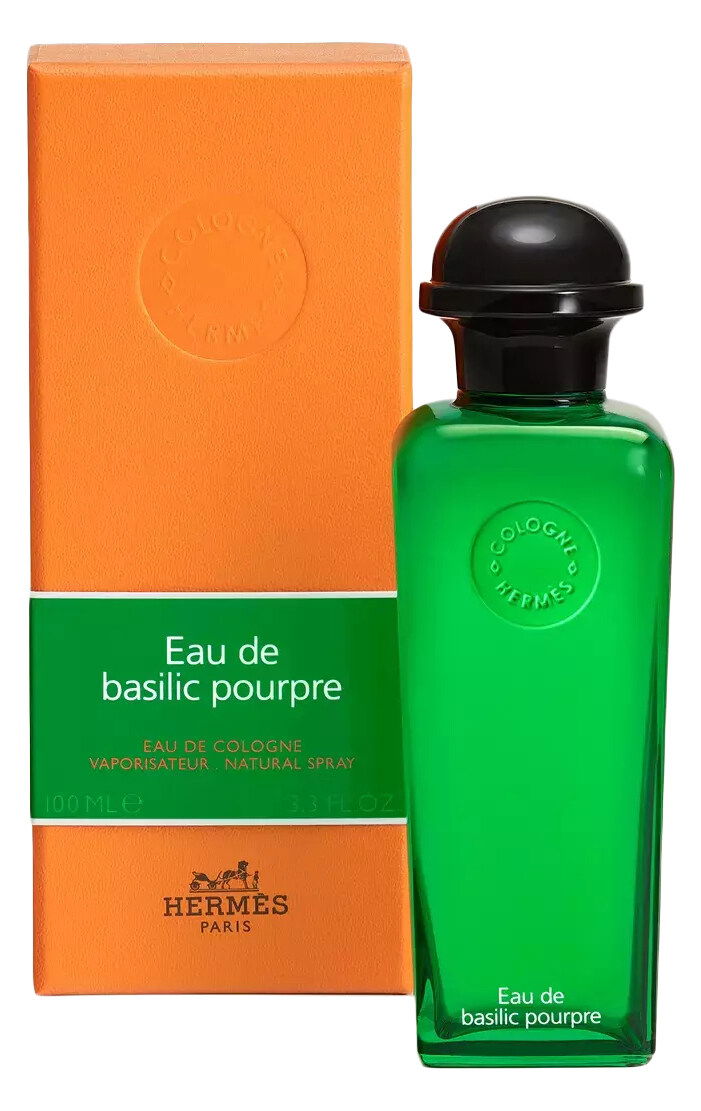
It’s always the same: When you read the listed fragrance notes, you usually get something different than expected. In the case of Eau de Basilic Pourpre, I expected a bitter green herbal scent, whose character would naturally be further enhanced by geranium, patchouli, and spices. I was aware that my expectations for a retro 1970s fragrance would not be met, so I wondered where in the officially listed ingredients the needed contemporary twist could be found.
Eau de Basilic Pourpre starts wonderfully juicy, cool, and citrus green with a slightly bitter basil green and the crisp cool citrus freshness of bergamot. Unfortunately, the impression of basil disappears too quickly, and an ethereal sweetly cool green minty freshness settles in permanently. This is likely due to the geranium, whose rustic herbaceous green aura completely overshadows the essence itself under the character of a “Moroccan sweetened mint tea.” I already miss basil as the defining scent character here, or should purple basil smell so different? Especially on paper, the scent retains a chewing gum minty impression for a long time. On the skin, however, the scent becomes softer and quickly blurs into a light base of gently soft musk, which fortunately does not become too creamy or too powdery. With the unlisted white musk, I discover the previously missing contemporary taste that I believe will particularly appeal to fans of Eau de Rhubarbe Écarlate. Patchouli may contribute some earthiness but remains free of all dark facets. I do not perceive any spices. On my skin, the scent collapses too quickly with its wonderful green clarity into the white musk.
The overall scent impression can be described as cool green and clear, gentle, soft, and youthful, with a slight sweetness. Broadly speaking, one might think that
Eau de Rhubarbe Écarlate served as a foundational structure to create something else, yet familiar.
What I find lacking in the scent is a small bitter edge that gives the fragrance tension; it seems too agreeable, too easily understandable, and not refined enough. A longer retention of the clear green crispness might help as well. Regardless of my preference for bitter, herbal, or unsweetened scents, I also perceive bitterness in summer fragrances as more pleasant than a sweetness that would disrupt the refreshment at 30° outside temperature.
If I name a fragrance “Basil,” I expect at least a hint of a bitter corner, a spark of aromatic earthiness, especially since perfumer Christine Nagel intended to evoke the mood of casual family gatherings in a Mediterranean summer garden. Undoubtedly, the scent is casual, understandable, will please many, and with the white musk, we also immediately return to the “clean” white kitchen, but the fragrance lacks the elegance, the “chic français,” that I expect from Hermès, or would like to continue expecting.
Christine Nagel is certainly not Jean-Claude Ellena. In retrospect, I find myself liking his fragrances more and more. They are simple, straightforward, easy to wear, and do justice to the “understated” aristocratic elegance - the refined simplicity of Hermès products - and also to the somewhat idealized marketing strategy of producing some items in abundance while almost neglecting others, presumably to create desire.
There’s something about the Ellena fragrances (yes, I know he’s been gone for a few years…) that sometimes requires longer contemplation to understand; they can be somewhat cerebral, which I appreciate.
Geeking out in the perfume cosmos to crack the code of the fragrance (or any Hermès item) and/or the code for oneself… just as one must “understand” the incomprehensible expenditure for a very simple Hermès item… at least that’s how it is for me.
Christine Nagel does not deliver that. She is more modern, simpler, younger, clearer, more direct, and closer to “the people,” to contemporary tastes. Her fragrances likely find favor more quickly, probably with a broader audience, and that is of course justified, as the company wants to make money. Personally, this probably just doesn’t resonate with me, but that’s not a problem, as her fragrances still smell good. One is well and decently perfumed with them. I find the latest
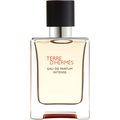
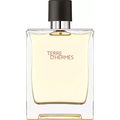
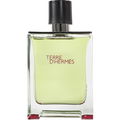
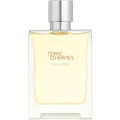
Terre d'Hermès Eau Givrée very successful, while
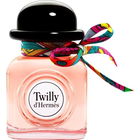
Twilly d'Hermès Eau Ginger has become quite sweet. Since my cabinet is already full enough, I don’t necessarily need Eau de Basilic Pourpre at the moment. But ask me again in a few years; perhaps I will see Christine Nagel's creations differently then.

 Basil
Basil Bergamot
 Spices
 Geranium
 Patchouli










 AdrianPapaki
 Discoverduft
 Rjudge
 Floyd
Floyd Schoeibksr
 Gold
Gold Heikeso
 Amadea70
 Stulle
 Atanarjuat