Beauty and the Beast, a film by the French writer, artist, and director Jean Cocteau from 1946, is still worth watching today. It is considered one of the masterpieces of poetic cinema and is regarded as an early precursor to the so-called fantasy genre. Beauty and the Beast showcases the unfolding of good (the prince) in the seemingly evil (the beast).
Cocteau was considered a surrealist like Dali, who sought the unconscious, the subconscious, and the dreamlike beneath the surface of things. Thus, Beauty and the Beast can also be interpreted through a psychoanalytic lens and understood as a state of consciousness "above reality" (surrealism) or as an inner experience.
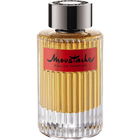
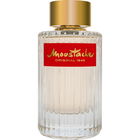
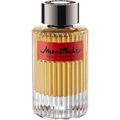
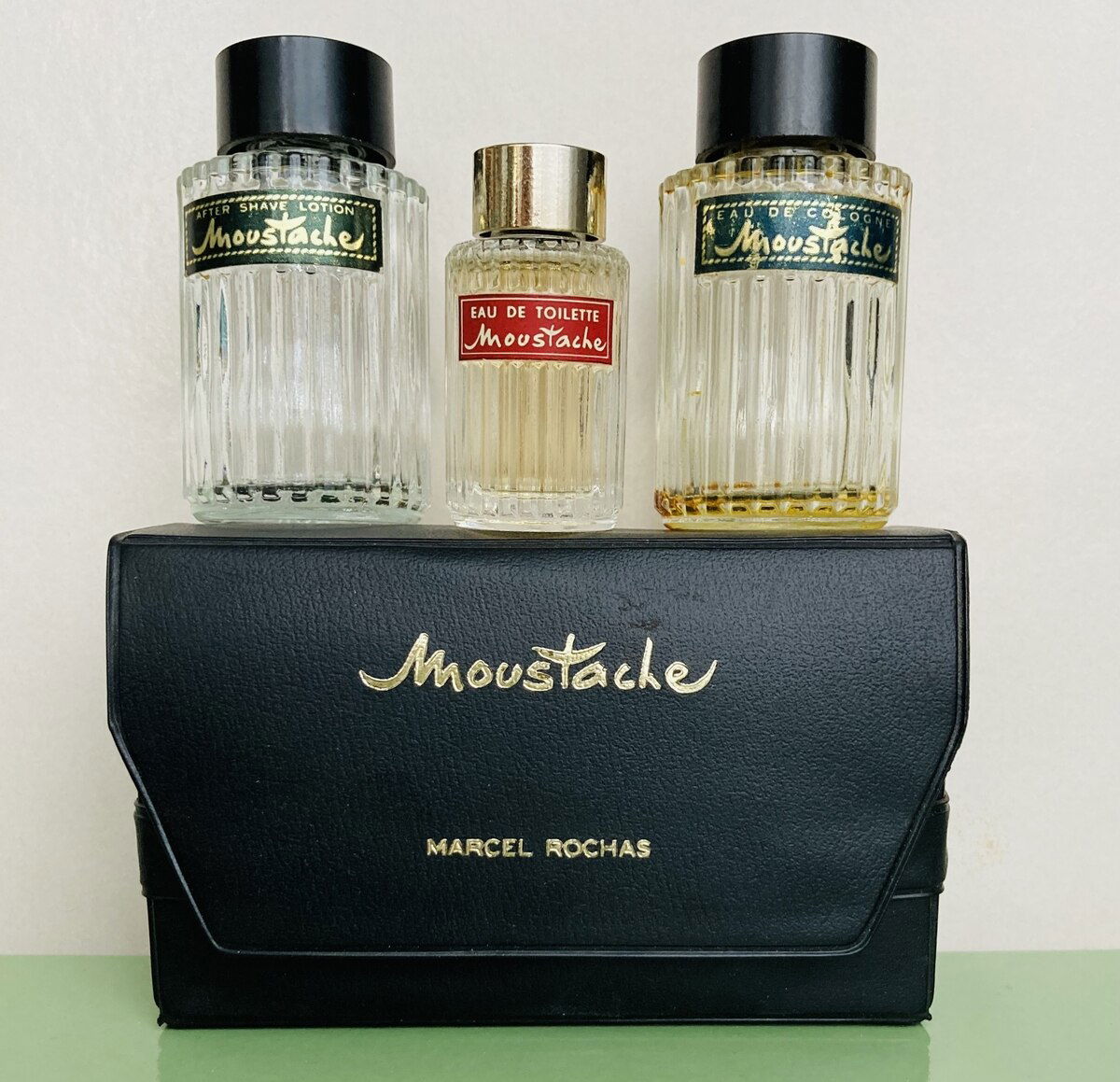
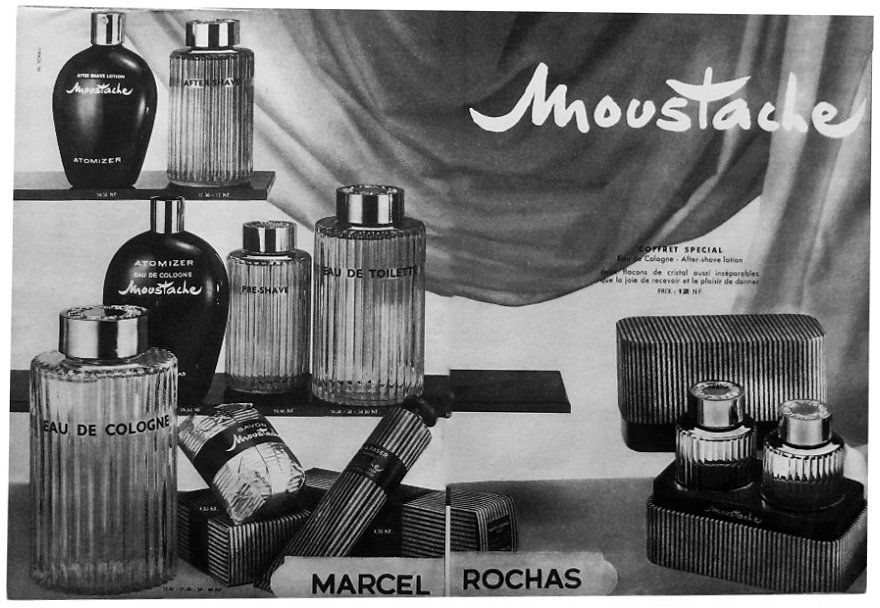
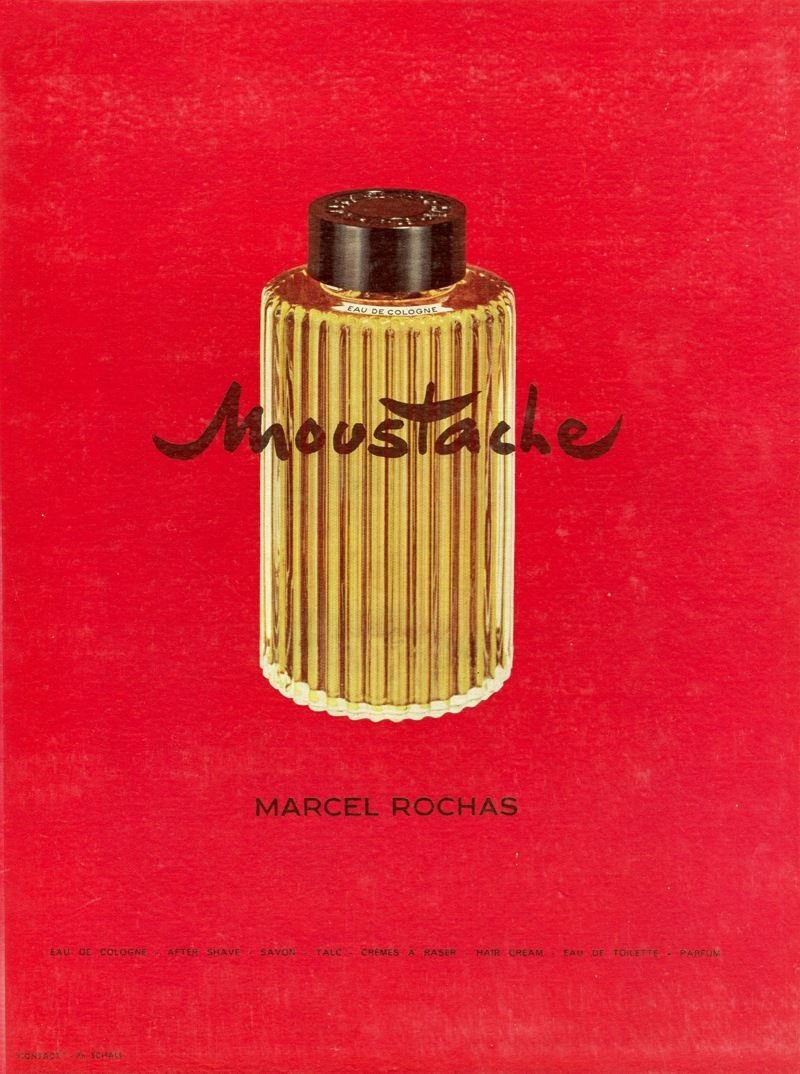
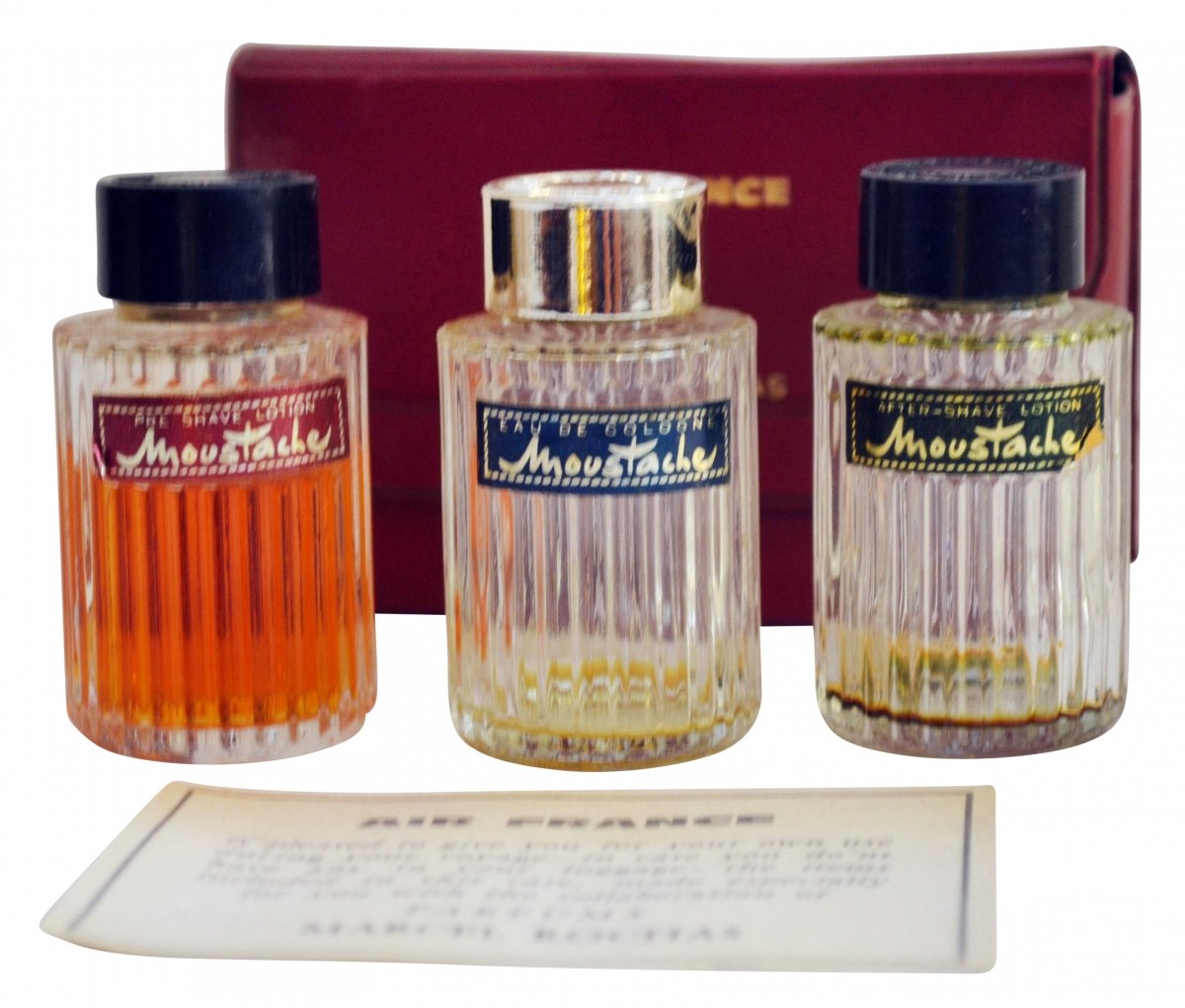
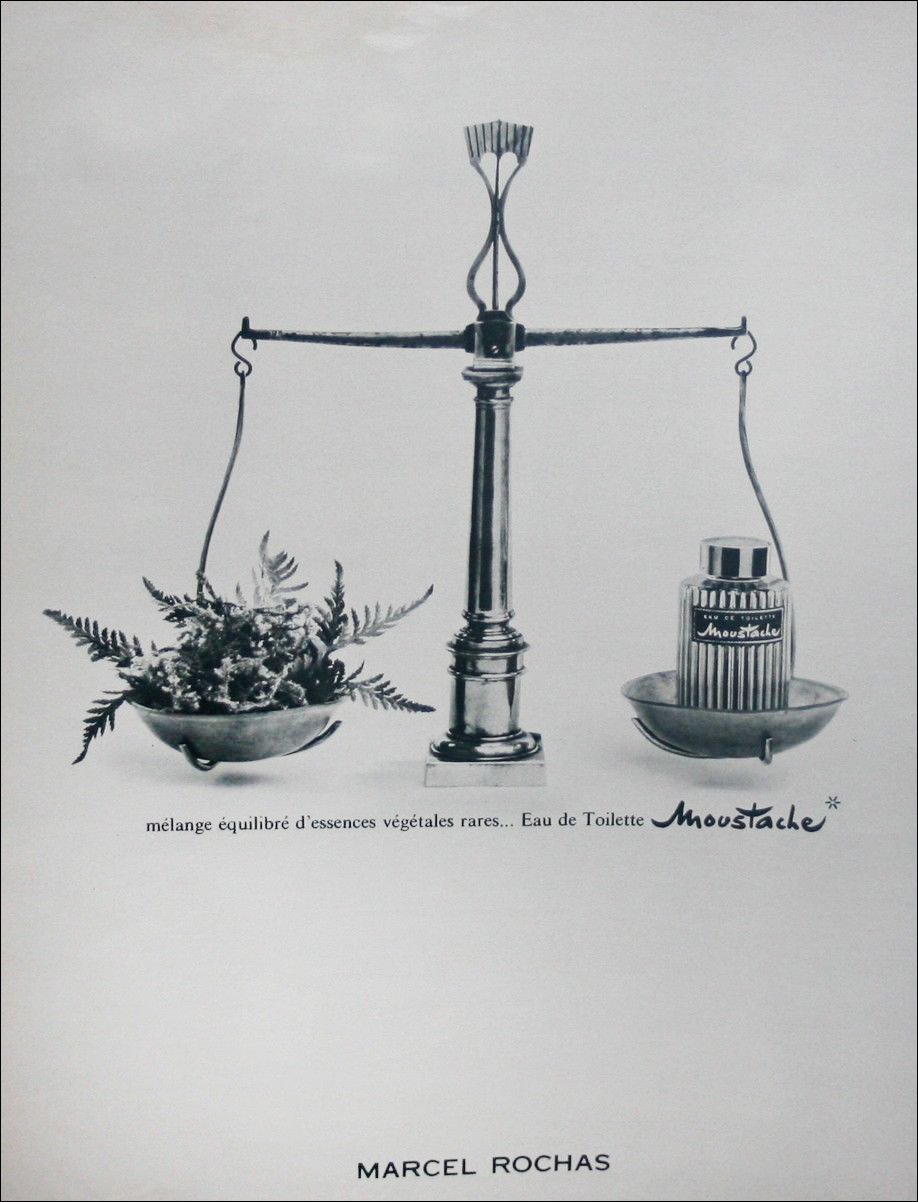
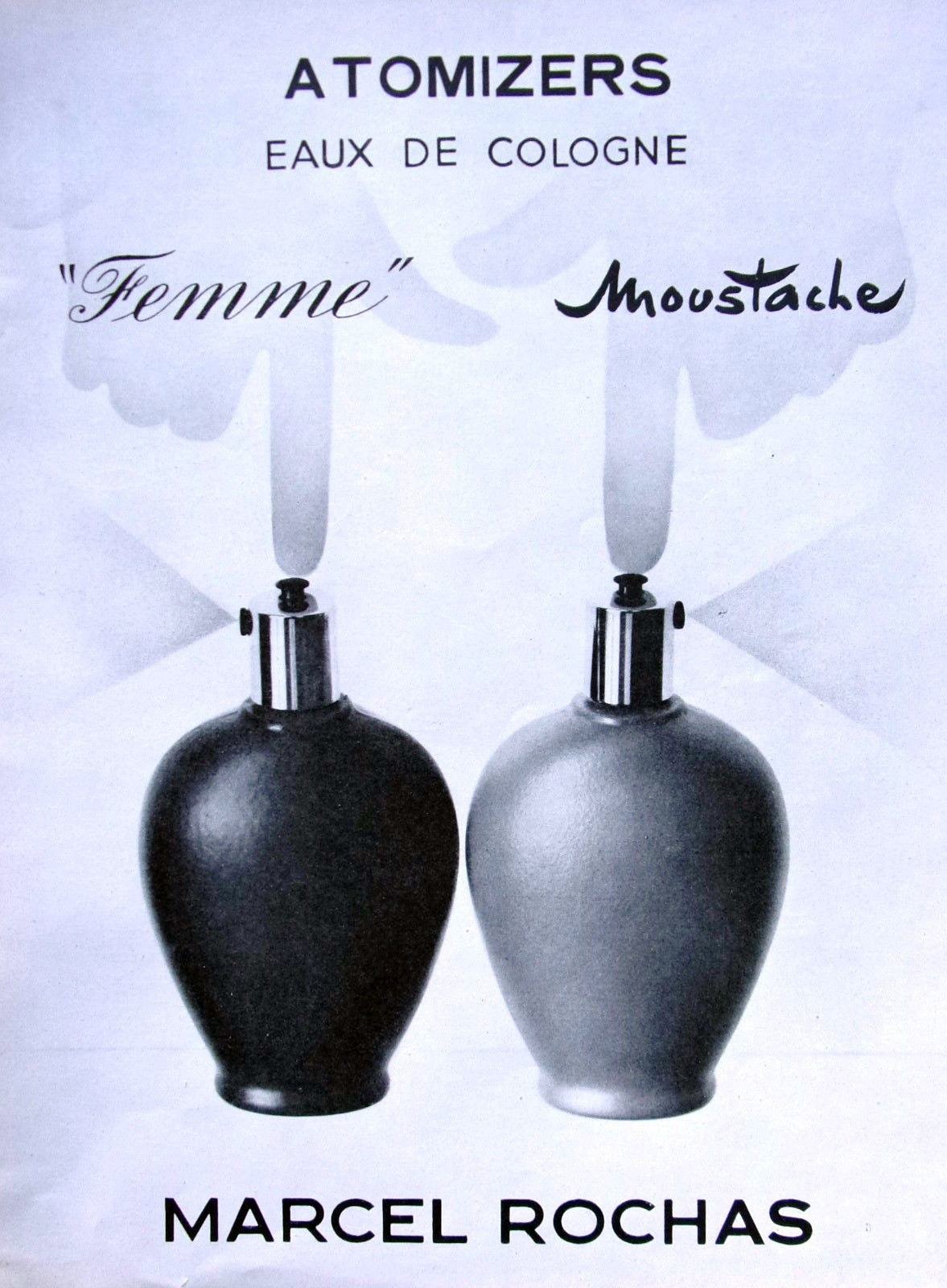
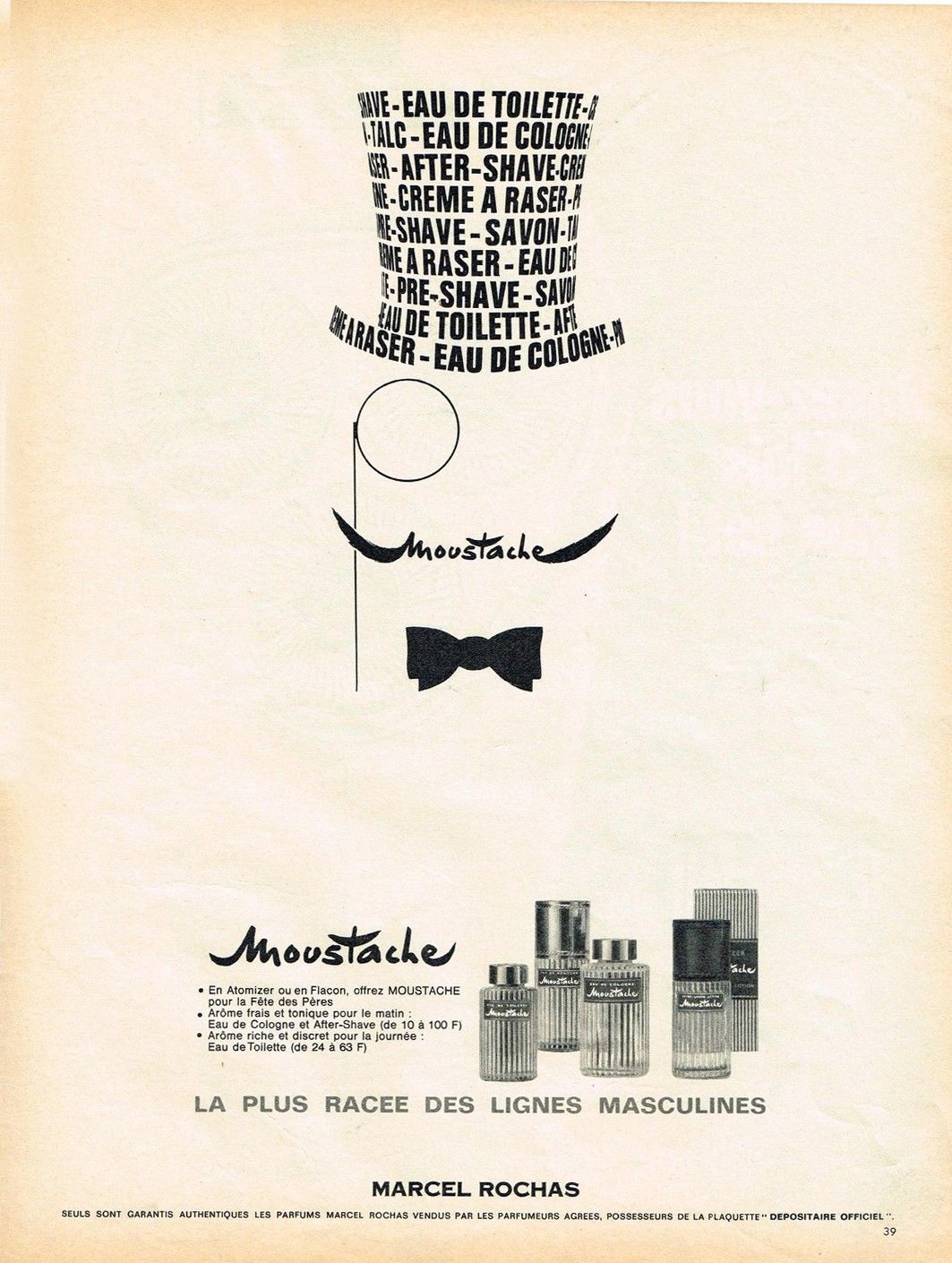
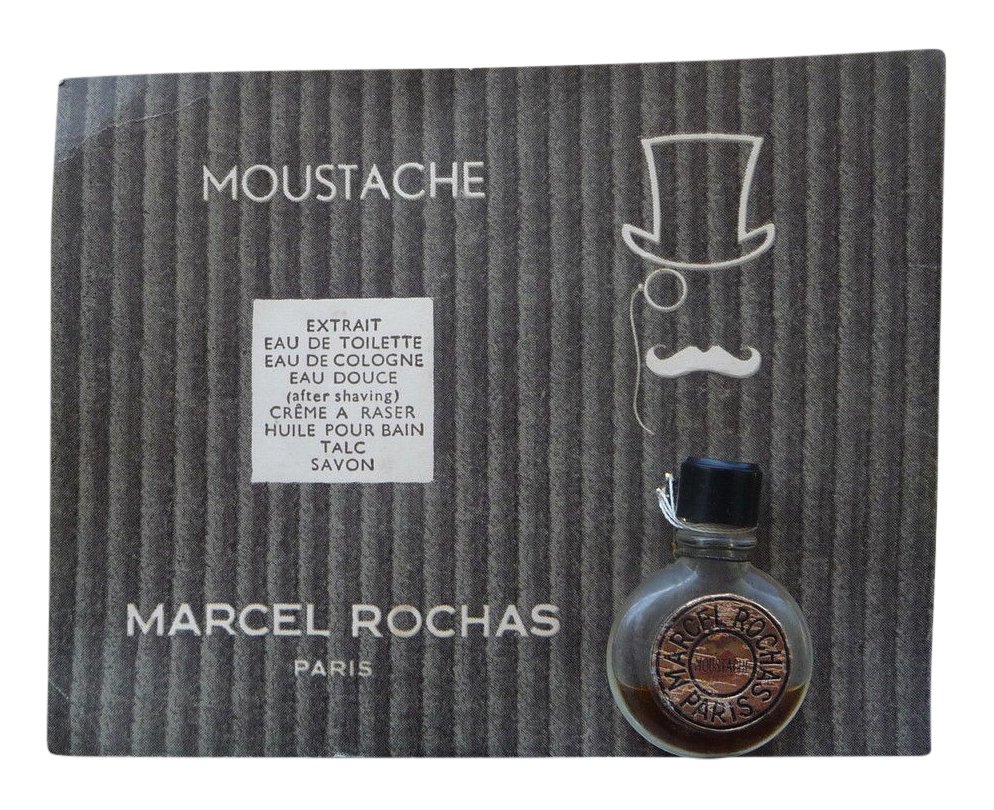
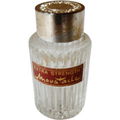
From the same decade, a particularly fertile artistic and philosophical era (just think of existentialism, Sartre, and Camus), comes the artfully composed fragrance "Moustache" by Rochas, created by Edmond and Theresa Roudnitska.
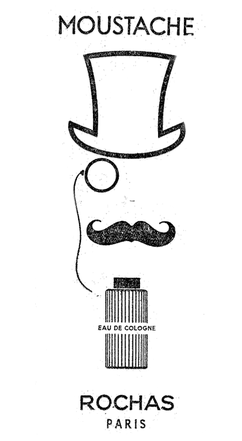
With Moustache, not everything is as it seems. Contrary to other equally legitimate analyses of this fragrance, I do not see it as a subtle representative of its style, but rather as loud, hard, and masculine, albeit under a fine, seemingly harmless surface, as if the game of Beauty and the Beast had reversed: Beneath the fine weave of lavender and lemon lies the beast, the tough guy who can break free, who is not entirely trustworthy, and who grows a wild mustache, even though he makes every conceivable effort to represent the gentleman. The composition could also be interpreted as an image of latent male aggression beneath the exterior of the tamed good boy.
Whatever the case may be. The scent development of this men's perfume is more interesting than that of many others, certainly more exciting than most one-dimensional men's fragrances of the newer generation, which do not know any development and remain in the androgynous larval stage, without stretching their wings to boldly seek freedom.
1949 was a time when men were apparently perceived differently than today. I wouldn't dare claim that this was better. As a man, I would not want to swap places with my male counterparts from that time.
Equally unappealing to me is the fragrance trend of the androgynous, probably initiated by CK One, which, although groundbreaking as the first representative of its kind, then became the template for countless imitators that only differed marginally from one another.
Anyone looking for a bright, fresh summer fragrance these days that is not as androgynous as CK One and its descendants might find what they are looking for in Moustache. After the citrus-fresh opening, which quickly blends with lavender tones, one soon perceives floral accents that initially suggest a direction that could make the fragrance wearable for women. However, the perception suddenly and without warning shifts: The subconscious breaks through and speaks robustly, raw, and loudly to you, the wearer. This impression is evoked by the strong herbal scent (basil), which does not let go, grabs hold, and clings to your skin. The gentleman becomes a guy, a beast, whose hair grows, as the name of the fragrance suggests.
That my impression is not entirely unfounded can be somewhat evidenced by the list of owners of this fragrance: Not a single woman seems to have it in her closet. Brave women may step forward.
The robust-herbaceous accent then remains dominant for a long time, ensuring that the fragrance presents not only its fresh, hesperidic note but also a fougère accent.
The base remains mysteriously green until the end - with moss and woods. I cannot definitively identify any further notes; one might imagine many things, and the subconscious may still play some tricks on the wearer of this fragrance.
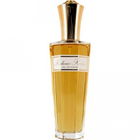
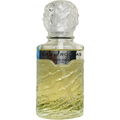
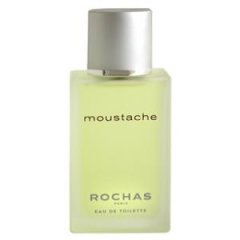
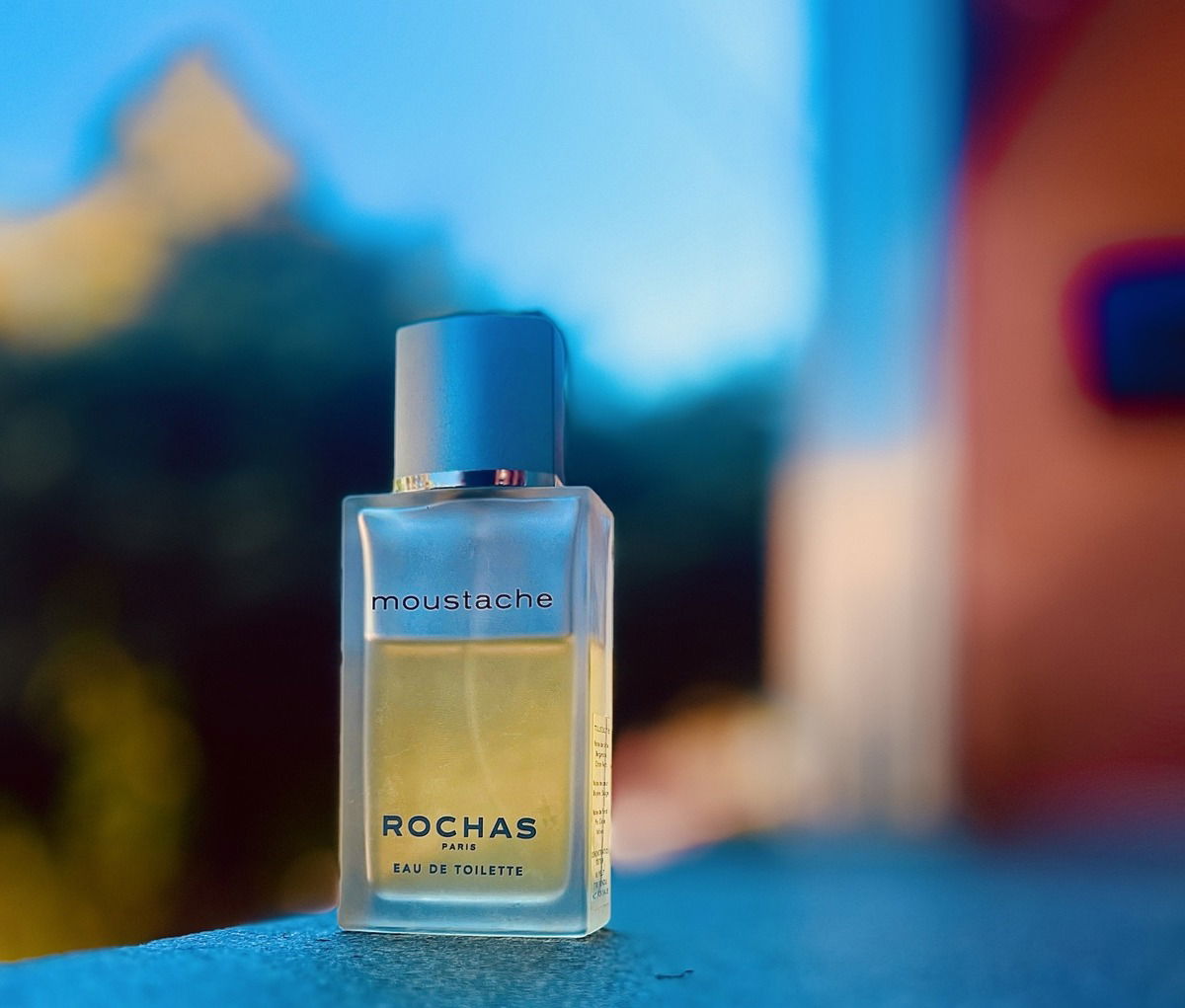
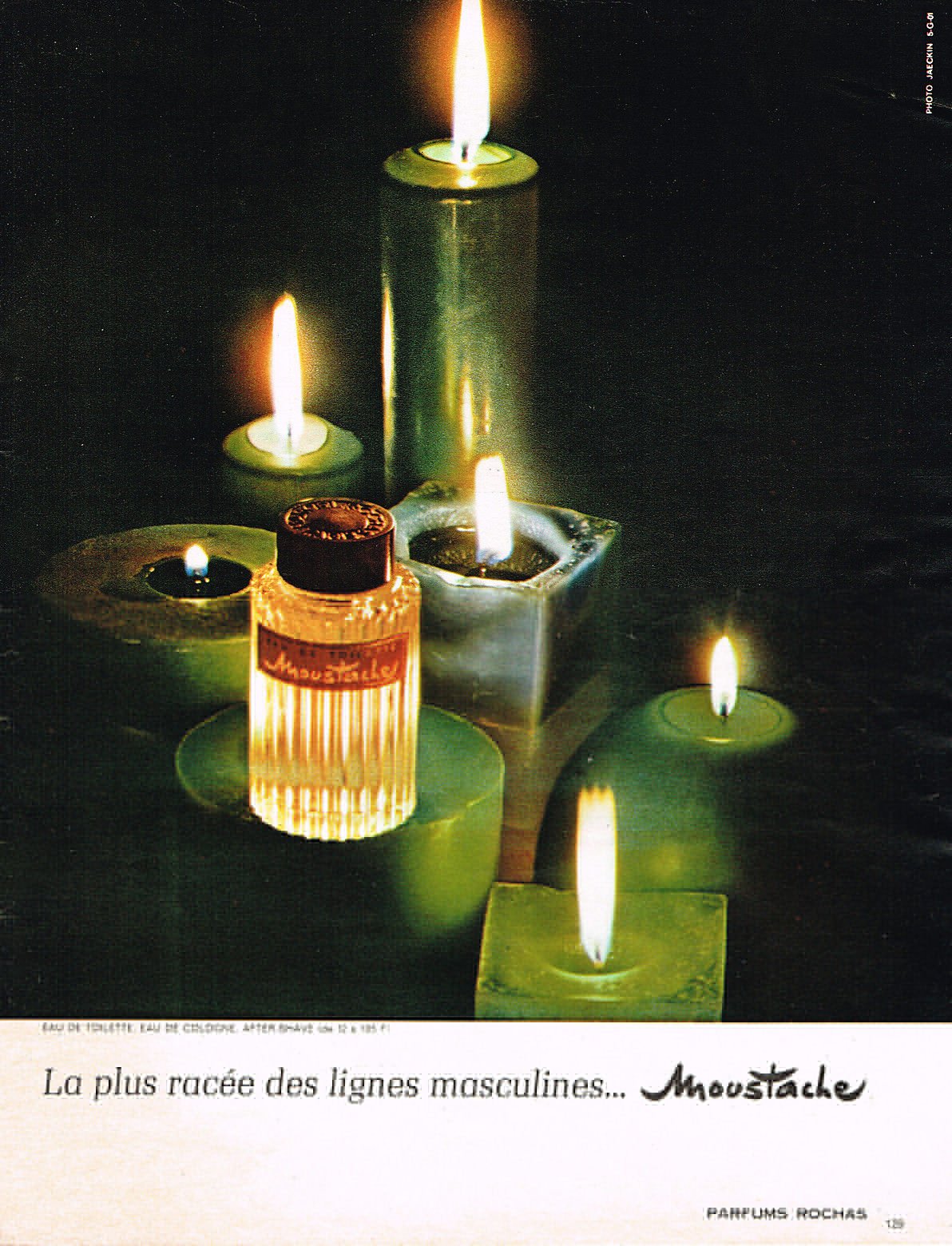
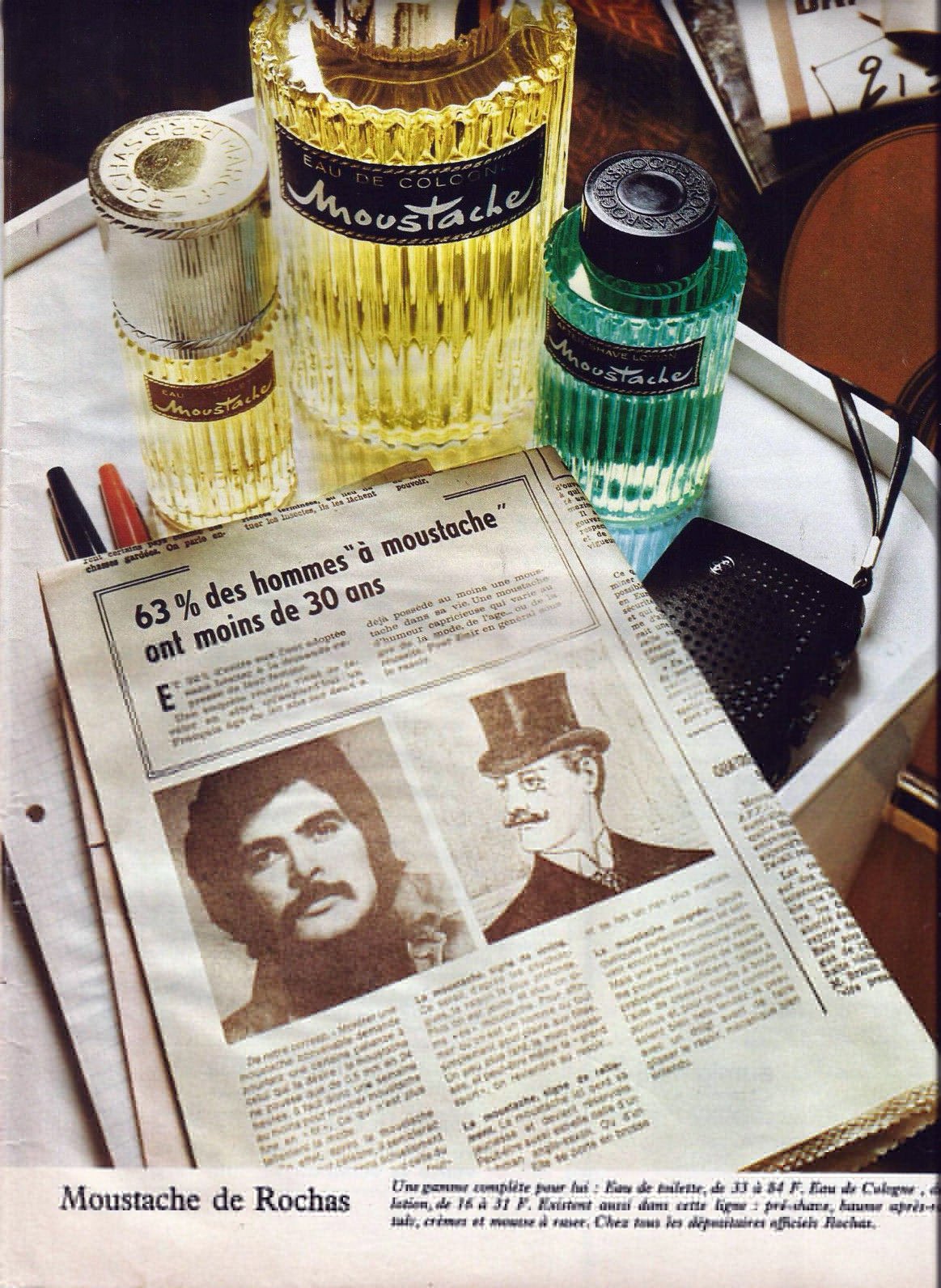
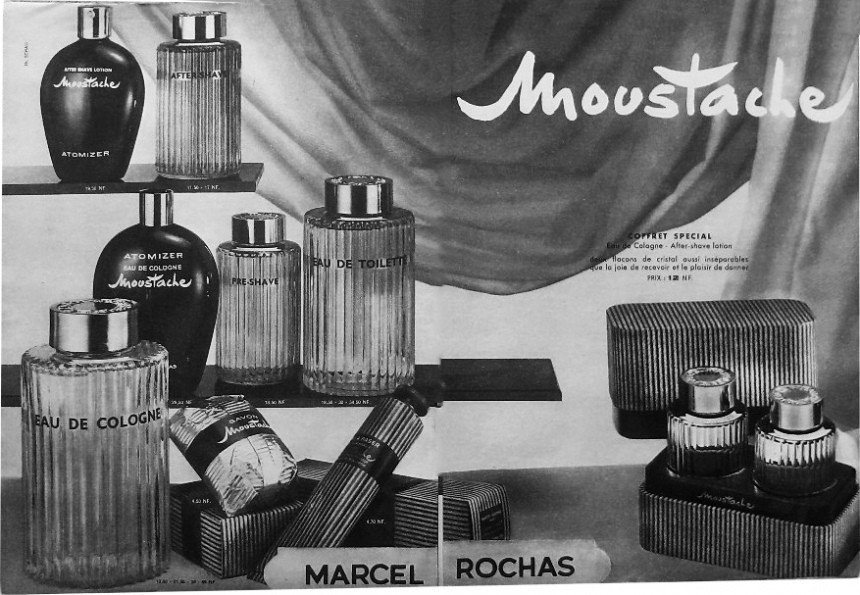
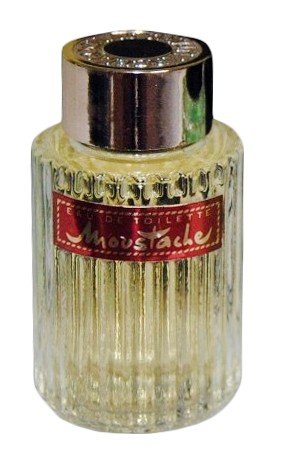
I also find the color design of the liquid very beautiful, an aspect that I usually pay little attention to. Here, however, the liquid shimmers in tones that shift between yellow and green, visually anticipating the olfactory development from citrus to herbal notes.
Moustache remains a fragrance that, despite its lovely notes (lemon, flowers), can also be beastly and bitter (herbs, spices), symbolizing the development from the lovable to the hard and bitter in the language of scent, thus becoming a metaphor for inner experience in the form of a fragrance.





 Top Notes
  Basil
Basil Lavender
 Bergamot
 Lemon vervain
 Lemon
Lemon Petitgrain
 Heart Notes
  Honey
Honey Geranium
 Jasmine
 Rose
Rose Carnation
 Base Notes
  Oakmoss
 Amber
Amber Musk
Musk Cedar
Cedar Tonka bean
 Vanilla










 Yatagan
 Wallgraf
 Baux
Baux Parma
Parma HerrHell
 Jas0N
Jas0N DK74
DK74