

 Top Notes
  Papua oud
 Sumatran coffee
 Heart Notes
  Civet
Civet Cinnamon leaf
 Tonka bean
 Spikenard
 Cistus
 Base Notes
  Benzoin
 Texas cedar
 Indian oud
 Indonesian vetiver absolute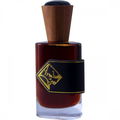
Merlotsupern
118 Reviews

Merlotsupern
Top Review
11
The Terroir of the Tummy: Feline Elegance in the Excremental
Areej Le Doré has been a house that thrives on the "unpleasant" edge transforming raw, primal scents into olfactory goodness by selecting and producing fine materials. With Oud Luwak II, the composition leans into its namesake: earthiness, coffee and felines. In fact, this isn't the usual oud gourmand. It is a recreation of the Luwak (natural) process or rather, its ecosystem.
By pairing vintage Burmese oud (infused with aged civet) with a custom Indonesian coffee fermented in teak barrels, the "feline" element is definitely present. It is animalic, yet handled with a level of refinement that feels like a velvet glove over a predatory claw.
In my opinion, the coup de theatre of this composition - missed by many - lies in the use of spikenard (Jatamansi). Its distinct and recognisable valerian-like aroma (bitter, medicinal, and intensely earthy) acts as the bridge between the roasted coffee beans and the animalic ouds' fumes.
This synergy enhances the "earthiness" of the oud, creating a vibe that is less "café" and more "fermenting jungle floor." The result is the definitive "pooped coffee" accord, which takes a couple of hours to fully develop: a dark, damp, resinous brew that smells of the earth from which it came and the creature that prepared it.
Oud Luwak II is another case of what I've previously termed "blocks of gold" fallacy, which will greatly intrigue the natural ingredient supremacists. The fragrance doesn't need a traditional pyramid because the materials are of such density and quality that they arrive as a singular, monolithic stack of scent.
Rather than a sequence of top, heart, and base notes, the fragrance exists and develops in a state of natural "decay." The smoke, the civet, the bitter coffee, and the damp wood hit the palate at once, and slowly recede at different paces over time.
To close the essay, let's quickly cover performance.
Longevity: substantial. This is a "skin stayer" that lasts 10-12 hours, radiating a warm, musky glow long after the initial fumigation has cleared.
Sillage: dense but very polite. It creates the usual Areej "scent bubble" rather than a room-filling cloud, which is fortunate given its profile.
Final thought: Oud Luwak II - and Areej's work in general - proves that when a house doesn't not compromise on raw materials, the price tag is justified and should be looked as a comparison anchor.
By pairing vintage Burmese oud (infused with aged civet) with a custom Indonesian coffee fermented in teak barrels, the "feline" element is definitely present. It is animalic, yet handled with a level of refinement that feels like a velvet glove over a predatory claw.
In my opinion, the coup de theatre of this composition - missed by many - lies in the use of spikenard (Jatamansi). Its distinct and recognisable valerian-like aroma (bitter, medicinal, and intensely earthy) acts as the bridge between the roasted coffee beans and the animalic ouds' fumes.
This synergy enhances the "earthiness" of the oud, creating a vibe that is less "café" and more "fermenting jungle floor." The result is the definitive "pooped coffee" accord, which takes a couple of hours to fully develop: a dark, damp, resinous brew that smells of the earth from which it came and the creature that prepared it.
Oud Luwak II is another case of what I've previously termed "blocks of gold" fallacy, which will greatly intrigue the natural ingredient supremacists. The fragrance doesn't need a traditional pyramid because the materials are of such density and quality that they arrive as a singular, monolithic stack of scent.
Rather than a sequence of top, heart, and base notes, the fragrance exists and develops in a state of natural "decay." The smoke, the civet, the bitter coffee, and the damp wood hit the palate at once, and slowly recede at different paces over time.
To close the essay, let's quickly cover performance.
Longevity: substantial. This is a "skin stayer" that lasts 10-12 hours, radiating a warm, musky glow long after the initial fumigation has cleared.
Sillage: dense but very polite. It creates the usual Areej "scent bubble" rather than a room-filling cloud, which is fortunate given its profile.
Final thought: Oud Luwak II - and Areej's work in general - proves that when a house doesn't not compromise on raw materials, the price tag is justified and should be looked as a comparison anchor.






 SeoulBrough
 CivetOnly
 Fef
Fef Mbs001
 rabbit99
 Ragnarxxx
 Omarareej
 Floyd
Floyd ElAttarine
 Gandix