

 Top Notes
  Aldehydes
 Bergamot
 Fruits
 Green notes
 Mandarin orange
 Basil
Basil Heart Notes
  Jasmine
 Orange blossom
 Lily
Lily Tuberose
 Lily of the valley
 Narcissus
 Orris root
 Rose
Rose Base Notes
  Amber
Amber Benzoin
 Cedar
Cedar Musk
Musk Myrrh
Myrrh Sandalwood
 Vanilla
Medusa00
846 Reviews
Translated · Show original
Medusa00
Very helpful Review
17
Surreal Passion?
Salvador Dali and his art have fascinated me since the 1970s, even though I was still behind the Iron Curtain back then. We in the East have certainly experienced a lot, and not just what we could sneak out of the factories. In the literal sense...
I don't know what has shaped me, as I also like Friedensreich Hundertwasser (especially his architecture) and the crazy buildings of Antoni Gaudi. Probably my inner anarchist is gnawing at me.
Later on, I delved into the person Salvador Dali, and I can tell you that one could have chased me with him. I couldn't even have gotten drunk on Dali as a person, although he was quite handsome as a young man. I mean the overall picture.
Dali (1904 - 1989) was a rather contradictory person. Egocentric, egomaniacal, and had other traits that end in ... -ic.
In his early creative period, he painted quite realistic pictures and paintings, but then turned to Impressionism. After that, influenced by Pablo Picasso, he found his way to Cubism, but later abandoned that and fully dedicated himself to Surrealism. Many of you may be familiar with his melting clocks.
The idea to paint these clocks, according to Dali himself, came to him while looking at a soft Camembert. His strong tendency to use catalog-like elements horrified Breton, as Dali reports in his Diary of a Genius: "I encountered the same prohibitions here as with my family. Blood was allowed. A little bit of shit could be added. But just shit, that was not allowed."
Everyone can make their own interpretation of that.
Here’s another quote from Dali, "….the only difference between me and a madman is that I am not mad!"
Salvador Dali (1934). That pretty much says it all.
Dali was also friends with Sigmund Freud, which apparently didn’t help him.
From the 1940s onwards, the classical period followed Surrealism, which he maintained until his death in 1989, but he repeatedly mixed in surrealistic and abstract elements.
I don’t want to write Dali’s entire biography. This is about the perfume, but it somehow belongs to the context if you want to understand that Dali could not have produced any sweet, uniform slop for late bloomers who still sing the song of Schnappi at 40.
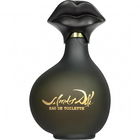
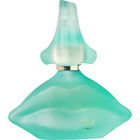
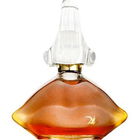
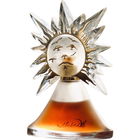
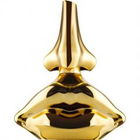
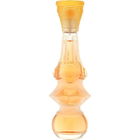
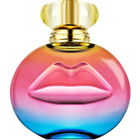
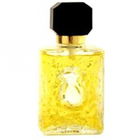
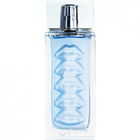
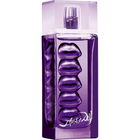
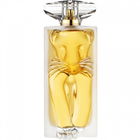
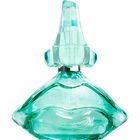
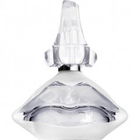
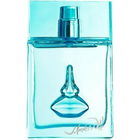
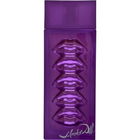
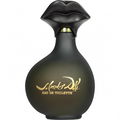
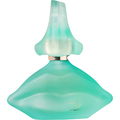
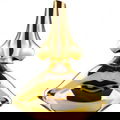
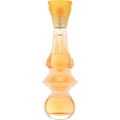
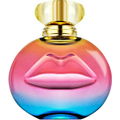
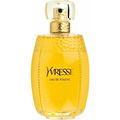
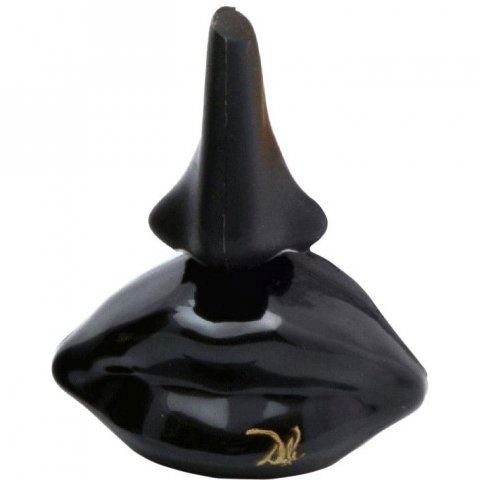
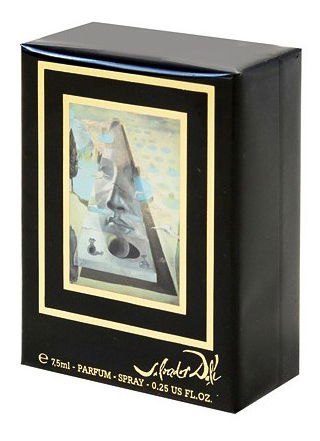
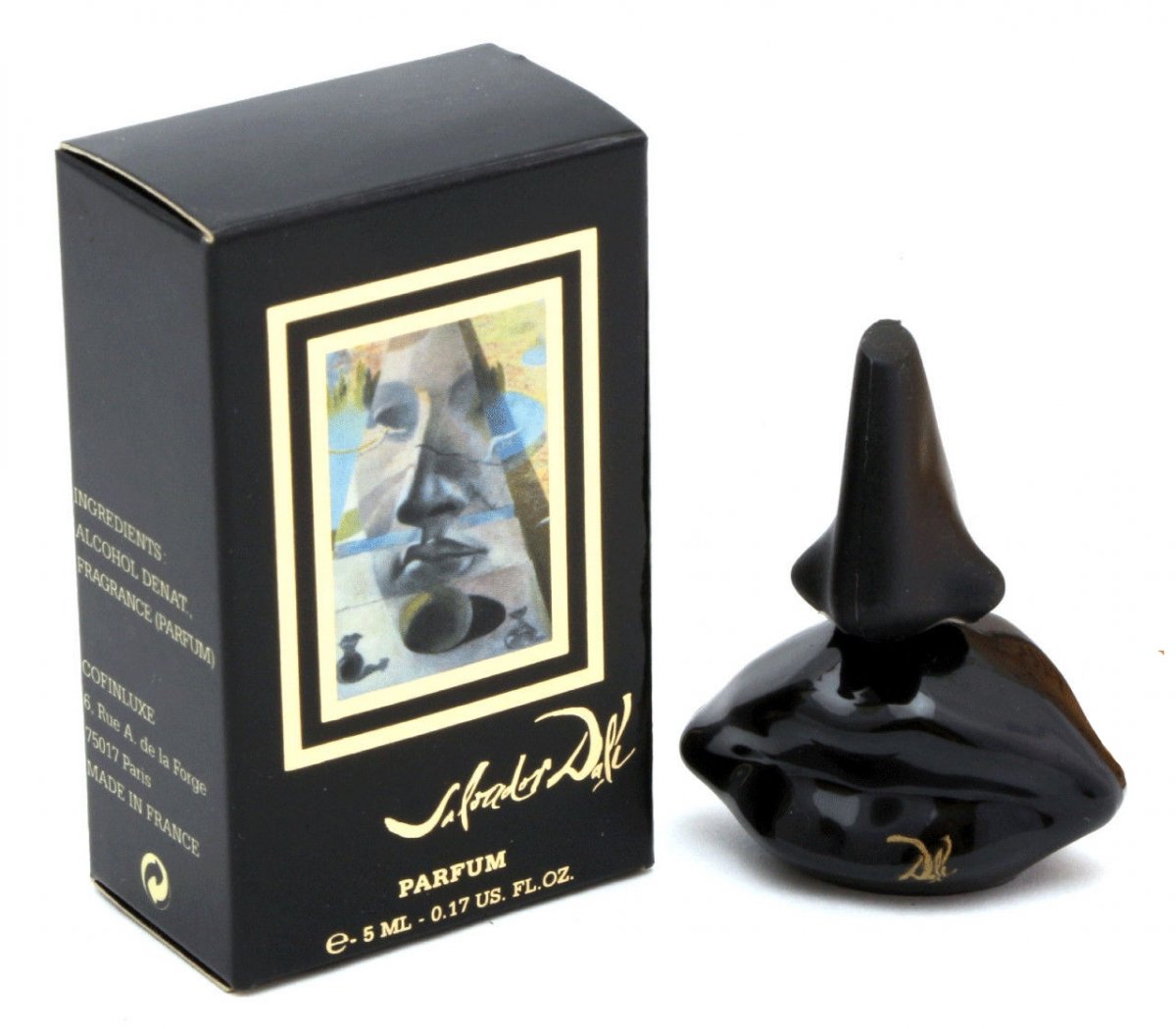
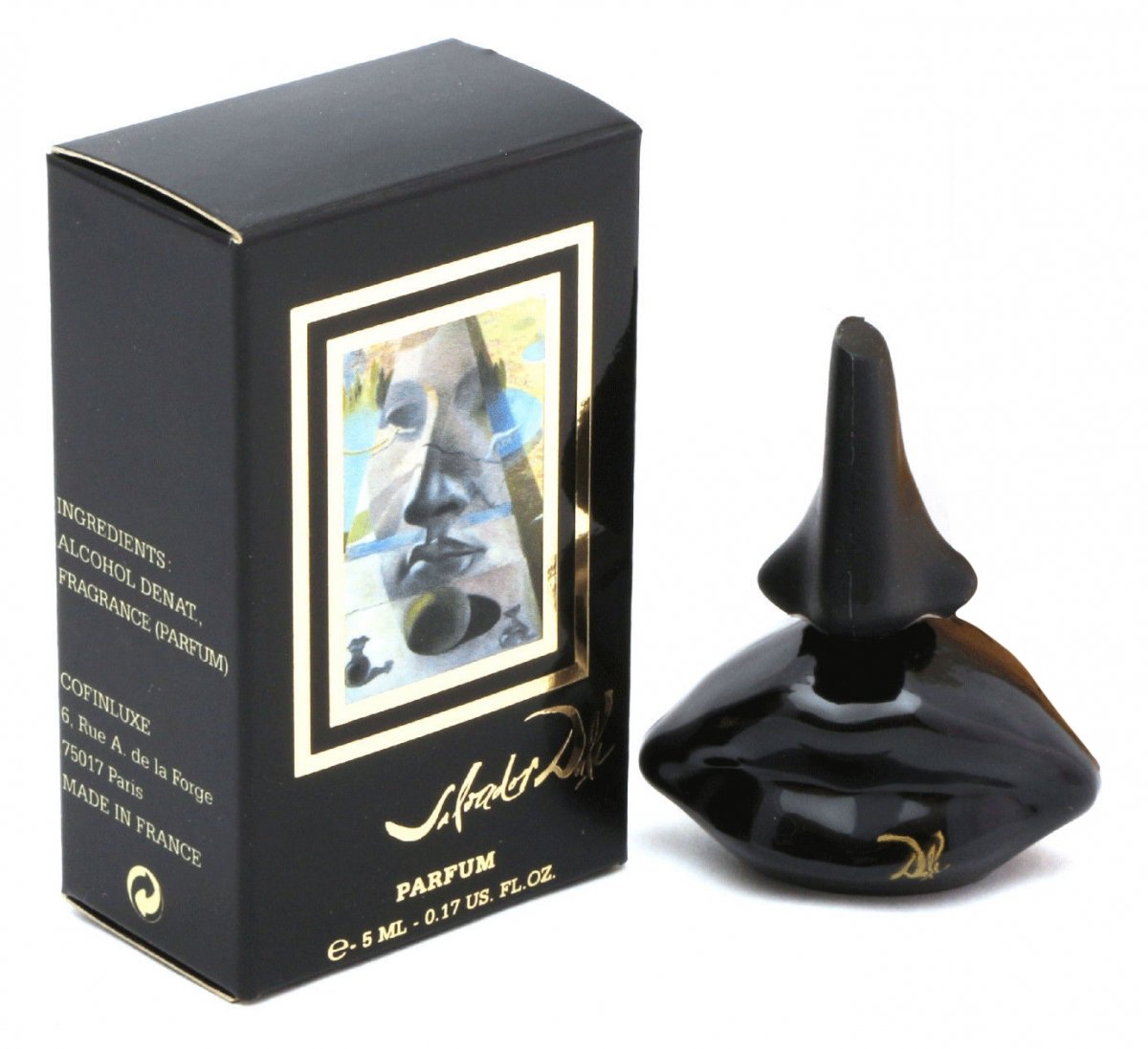
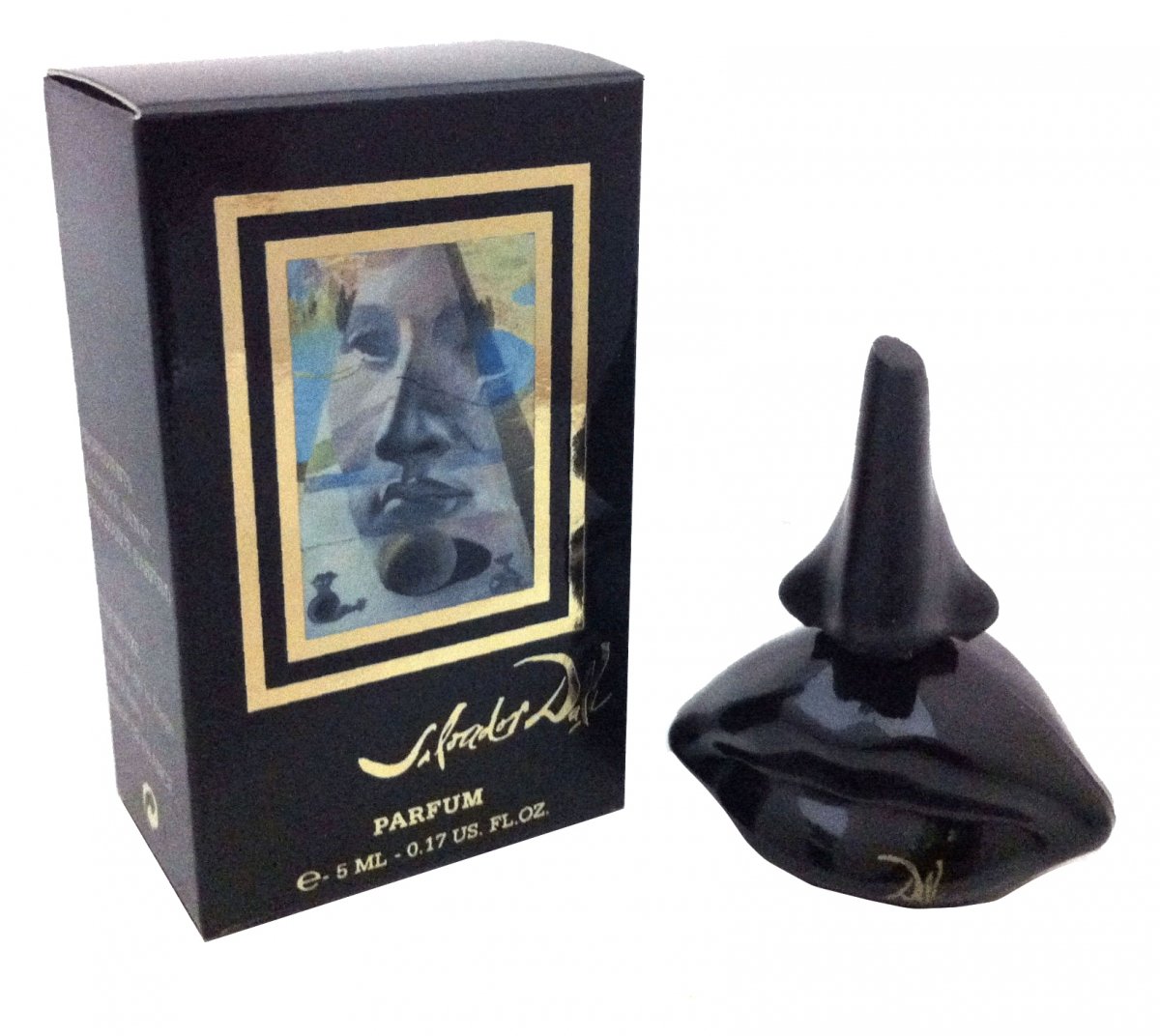
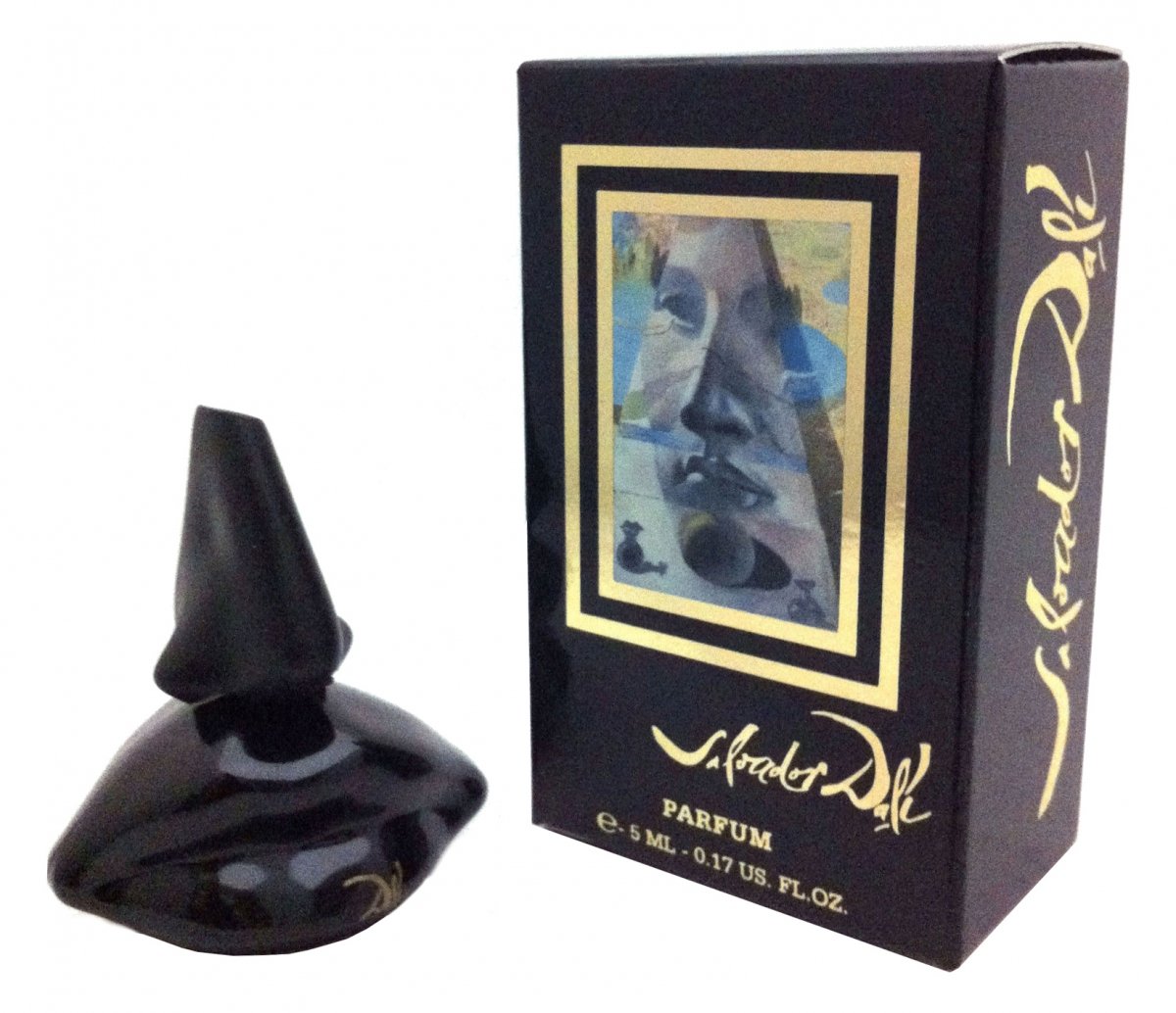
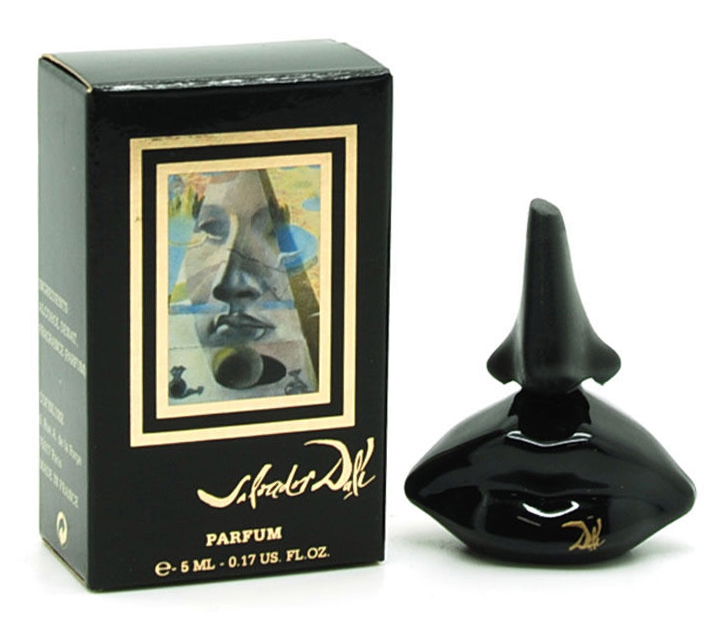
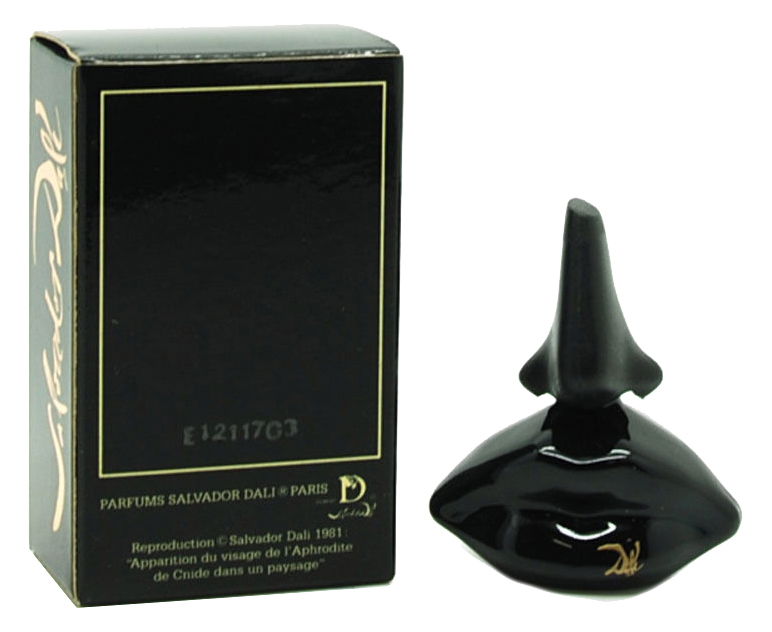
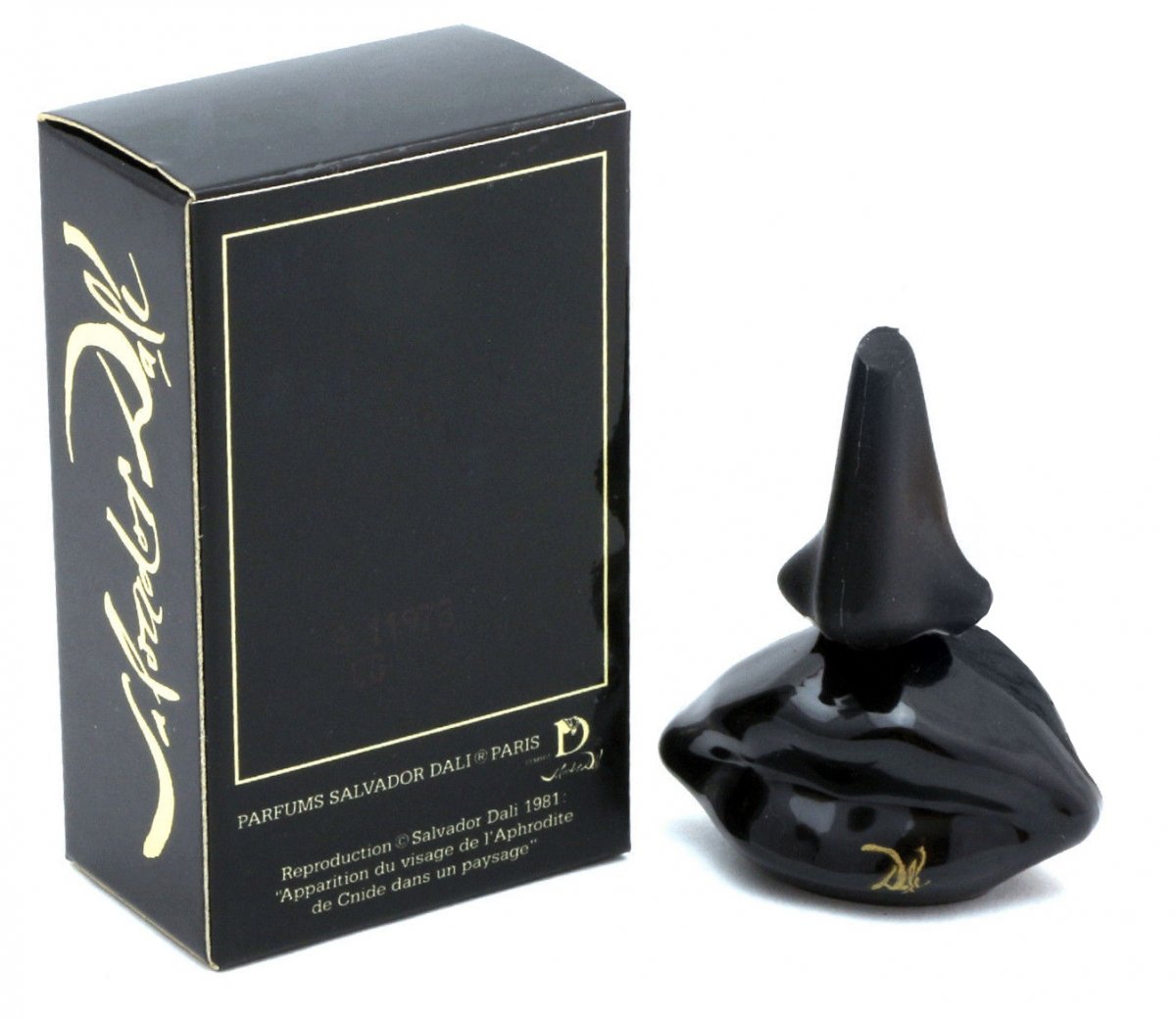
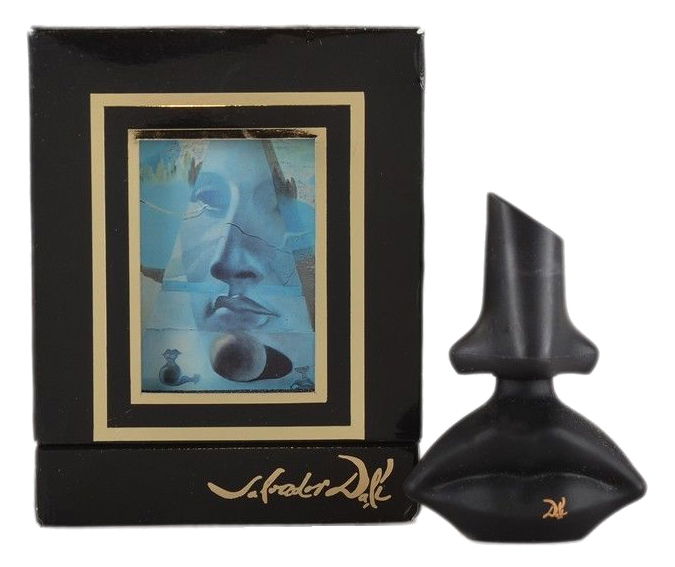
Dali had been mixing creams, tinctures, and oils himself since his youth. In the 70s, he came up with the idea of creating perfumes as well, and so he teamed up with Alberto Morillas and gave him clear instructions on how his scent should smell. The bottle was to be designed by Friedensreich Hundertwasser, with whom he had a falling out, and so he invented the famous lip-shaped bottles himself.
In 1983, he launched Dali (Parfum de Toilette) and the pure perfume.
The opening is already eccentric. Green, herbal, mandarin, sensual, crosswise, orgiastic, incomparable. I loved the scent from the very first second!
It’s amazing how long the top note lasts, and one is inclined to drink a cognac-spiced coffee from a cup with lips.
The heart note is voluptuous, and when I say voluptuous, I mean it. Flowers, blooms from all seasons. I can't pick out a single one; they are so tightly woven together. Here, Dali certainly does not mean the skinny women he liked to paint.
Femme en flammes (a Dali sculpture) could describe the base. Amber, cedar, musky powdery, woody. No, no prisoners are taken here; Dali has placed the hollow lion's head in front, and it still roars, even though it has long been mummified.
Thanks to AnneSuse for the great mini!
14 Comments



 Axiomatic
 Skydiver19
 Gold
Gold Minigolf
 Serenissima