


 Top Notes
  Cinnamon
 Cardamom
 Frankincense
 Heart Notes
  Cedarwood
 Immortelle
 Patchouli
 Base Notes
  Haitian vetiver
 Musk
Musk

Meggi
1018 Reviews
Translated · Show original

Meggi
Top Review
27
One can only hope…
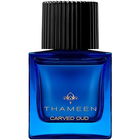
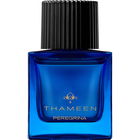
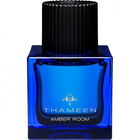
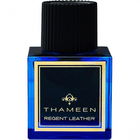
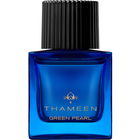
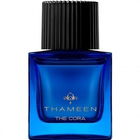
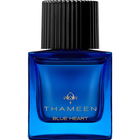
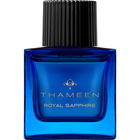
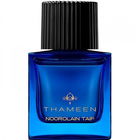
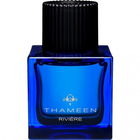
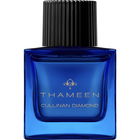
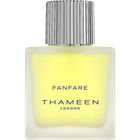
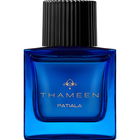
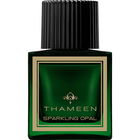
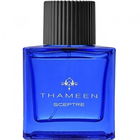
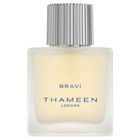
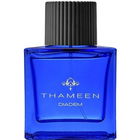
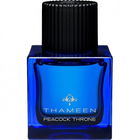
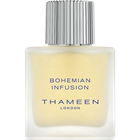
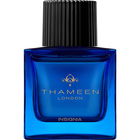
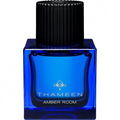
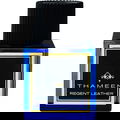
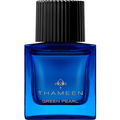
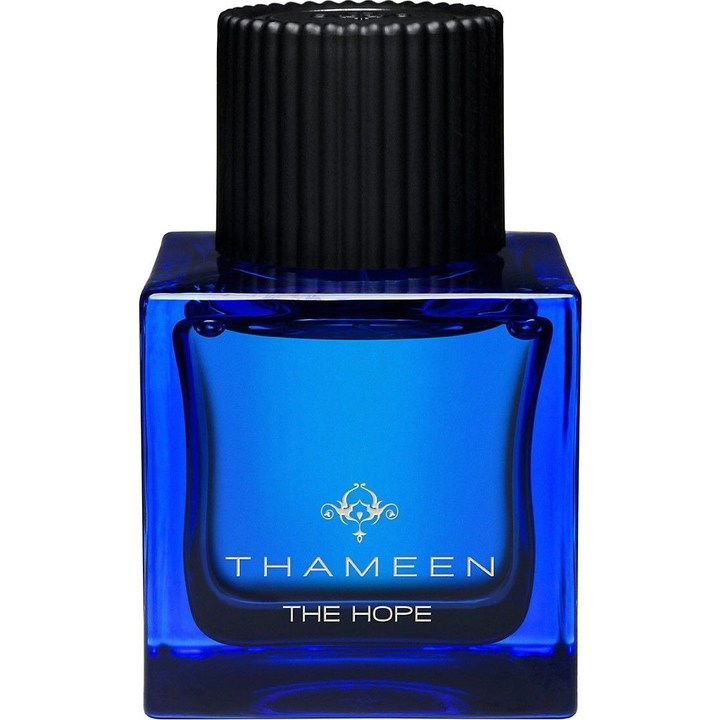
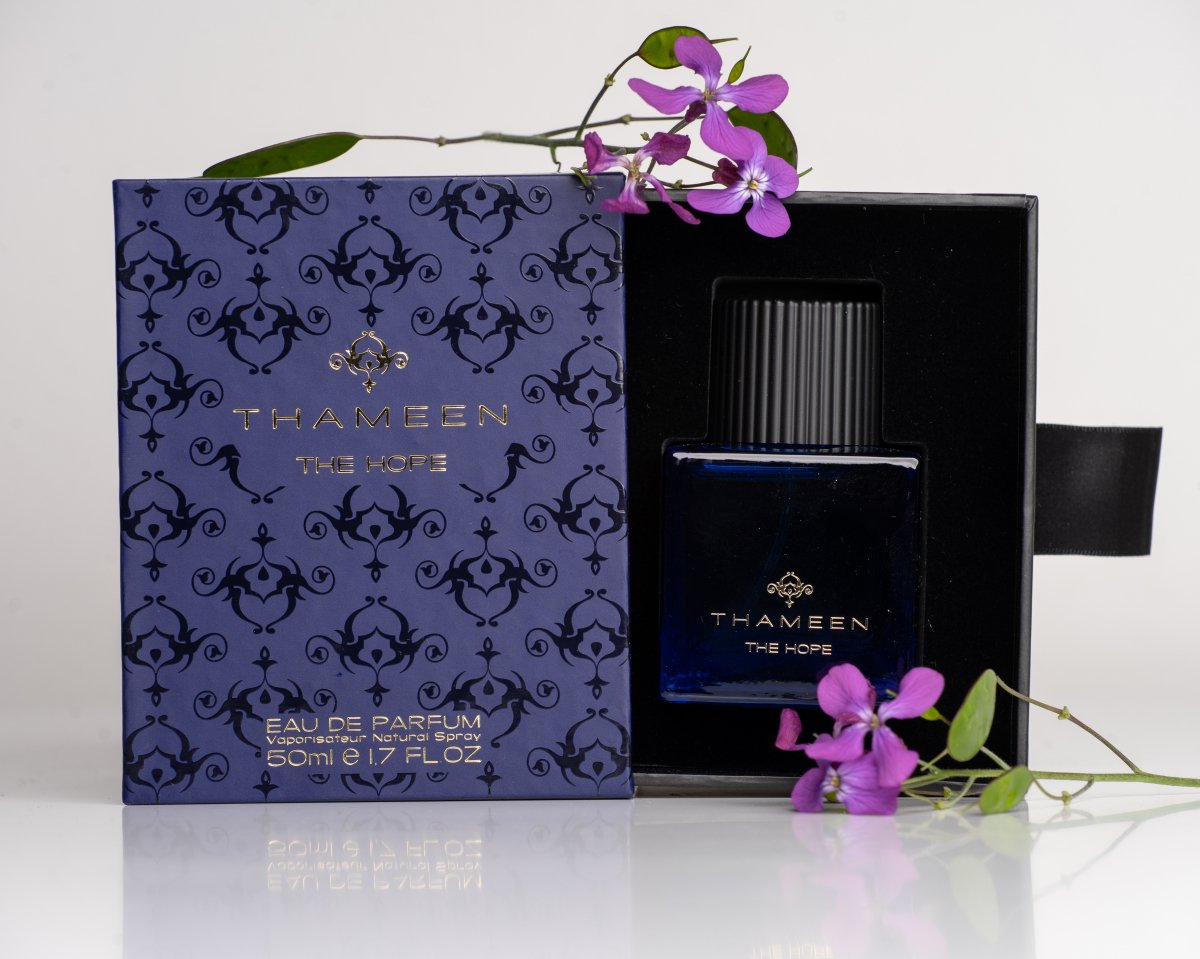
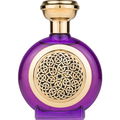
The "Treasure Collection" by Thameen consists of ten perfumes from a London house with Arabic roots, located in the upscale Knightsbridge, not far from "Harrods." The creations are supposedly mostly available exclusively at Selfridges in London - a claim that is contradicted by the origin of the five samples I have (luckyscent; many thanks to Ergoproxy!).
The names of the perfumes refer to famous jewels. "The Hope" is a blue piece of compressed carbon that amusingly can phosphoresce in the dark. So, it probably phosphoresces in the light too, but you can't see it then because… it's too bright for that. Anyway, my "The Hope" today does not phosphoresce; it just smells. And it smells as follows:
A sweetness that brushes against the plum-like fruity, initially refreshed with an ethereal mintiness (this is not just the "remaining alcohol"), soon swept away by overwhelmingly sweet cinnamon, further sharpened by the diffuse fruit note. Beneath it, the always somewhat synthetic Eugenol prickles quickly emerges, but it is nicely used here and, considering the strong sweetness, indispensable. Overall, The Hope now has something distinctly Christmassy about it. I might allow "autumnal" to be discussed, of course because of plum cake with cinnamon. A decent, albeit rather artificially fertilized, start; undoubtedly a feast for cinnamon fans.
After a quarter of an hour, a somewhat musty faux cedar appears, and the now sugary sweetness begins to become annoying. I ponder whether the "Black Amber," which the manufacturer names apart from the pyramid notes, refers to that dark sugary quality that is so much better achieved in Black Amber by Agonist. Additionally, I wonder if the diffuse plum latency might possibly stem from Prunol, which (presumably - and much louder) already drove me crazy with its penetrating unchangeability in Ambre Eccentrico by Armani.
Fortunately, the lab-fruit hint fades a bit over the course of the morning, making way for a kind of myrrh that, in its picturesque sugary quality, could easily have sprung from a Goutal, were it not somehow residual-fertilized and slightly jumbled. I also consider whether a lustful labdanum is already licking its lips.
However, "lustful" remains just a suggestion, as around noon a bright, nuance-poor wood note breaks through with the libido-enhancing potential of a plywood cot. The wood combines with a creamy-vanilla-sugary wannabe resin and a musk touch to form one of those sinus-toned base notes that share not only their construction but also their dispensability. At least the wood seems a notch higher quality than elsewhere. After about eight hours, it is essentially over; only a sterile, stubborn wood remains and accompanies me well into the evening.
Conclusion: It seems that a bit too much marketing hype was at play. "The Hope," with its not exactly modest price of £145 (around €170) for 50ml, does not fulfill its promise. I hope that the next four are better.
The names of the perfumes refer to famous jewels. "The Hope" is a blue piece of compressed carbon that amusingly can phosphoresce in the dark. So, it probably phosphoresces in the light too, but you can't see it then because… it's too bright for that. Anyway, my "The Hope" today does not phosphoresce; it just smells. And it smells as follows:
A sweetness that brushes against the plum-like fruity, initially refreshed with an ethereal mintiness (this is not just the "remaining alcohol"), soon swept away by overwhelmingly sweet cinnamon, further sharpened by the diffuse fruit note. Beneath it, the always somewhat synthetic Eugenol prickles quickly emerges, but it is nicely used here and, considering the strong sweetness, indispensable. Overall, The Hope now has something distinctly Christmassy about it. I might allow "autumnal" to be discussed, of course because of plum cake with cinnamon. A decent, albeit rather artificially fertilized, start; undoubtedly a feast for cinnamon fans.
After a quarter of an hour, a somewhat musty faux cedar appears, and the now sugary sweetness begins to become annoying. I ponder whether the "Black Amber," which the manufacturer names apart from the pyramid notes, refers to that dark sugary quality that is so much better achieved in Black Amber by Agonist. Additionally, I wonder if the diffuse plum latency might possibly stem from Prunol, which (presumably - and much louder) already drove me crazy with its penetrating unchangeability in Ambre Eccentrico by Armani.
Fortunately, the lab-fruit hint fades a bit over the course of the morning, making way for a kind of myrrh that, in its picturesque sugary quality, could easily have sprung from a Goutal, were it not somehow residual-fertilized and slightly jumbled. I also consider whether a lustful labdanum is already licking its lips.
However, "lustful" remains just a suggestion, as around noon a bright, nuance-poor wood note breaks through with the libido-enhancing potential of a plywood cot. The wood combines with a creamy-vanilla-sugary wannabe resin and a musk touch to form one of those sinus-toned base notes that share not only their construction but also their dispensability. At least the wood seems a notch higher quality than elsewhere. After about eight hours, it is essentially over; only a sterile, stubborn wood remains and accompanies me well into the evening.
Conclusion: It seems that a bit too much marketing hype was at play. "The Hope," with its not exactly modest price of £145 (around €170) for 50ml, does not fulfill its promise. I hope that the next four are better.
15 Comments








 GoldGoddess
 Ragas
Ragas Liberrita
 Theris
 Konst121
 Bosworth
 Maren11
 Yatagan
 Tosch
Tosch ParfumAholic