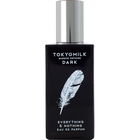
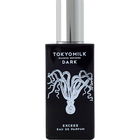
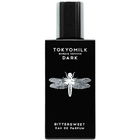
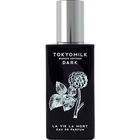
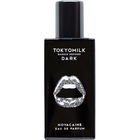
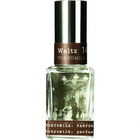
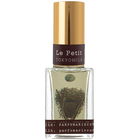
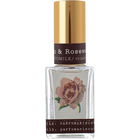
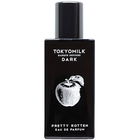
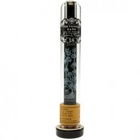
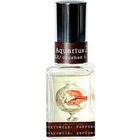
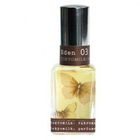
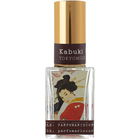
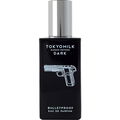
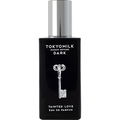
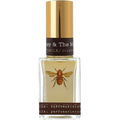
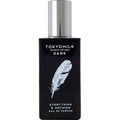
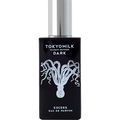
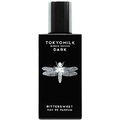
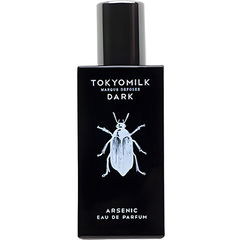
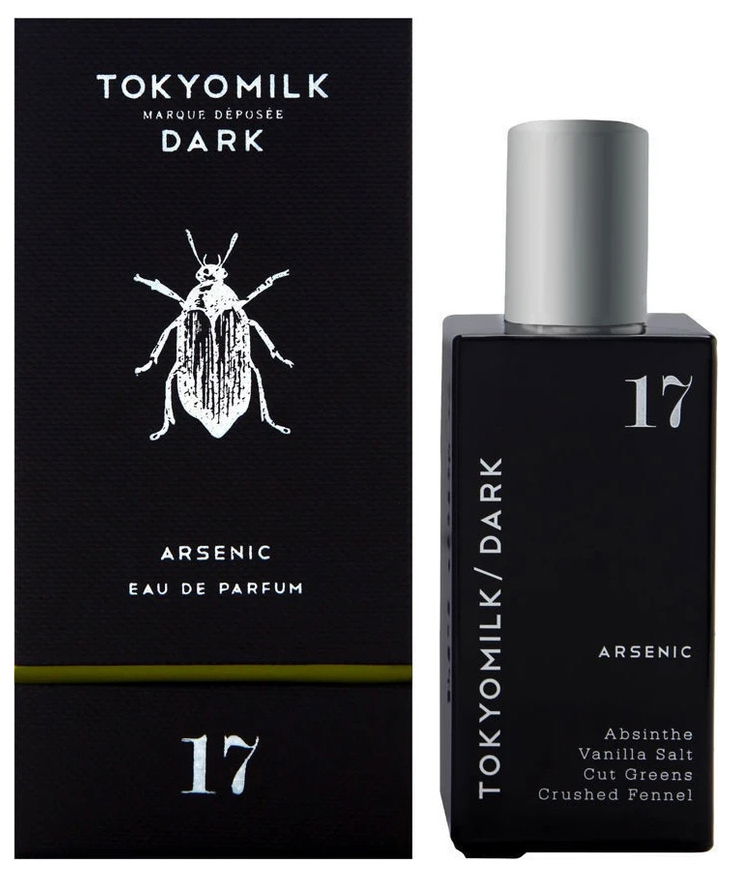
Tokyomilk, the brewers of dark potions, have quite a few black waters in their cabinet. While most of the dark fragrances from this American manufacturer turn out to be less dangerous than they appear, this need not be a disqualifying factor for seekers of unconventional scent experiences. Tokyomilk's Dark series, however, lies outside everyday norms. This is already evident in the ingredients, which stand out not only on paper from what most competitors offer and can provide. While Arsenic (what a beautiful name, what a beautiful bottle) offers the charmingly crude combination of absinthe, fennel, green herbs, and vanilla salt, other scents in the series feature biscuit aroma, ebony, forest floor, desert moss, or oak bark. That this might also be part of good advertising: so be it! Nevertheless, a patient testing of the fragrances reveals that these ingredients are perceptible and noticeably alter what would otherwise have been an everyday water.
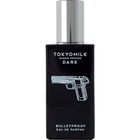
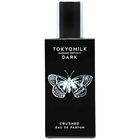
Patience is an important keyword. Tokyomilk's fragrances belong, despite their dark-stylish appearance, to the quiet scent experiences. A symptomatic fragrance for such experiences is for me L'Artisan's Timbuktu, which has been smelled, set aside, and overlooked by many, but offers an extraordinary olfactory experience with prolonged use and engagement and perhaps ranks among the most beautiful contemporary perfumes. The same goes for Ormonde Jayne's Man or one or the other English classic from Trumper, Crown, or Harris. On this line, we also find the fragrances of the black series from Margot Elena's Tokyomilk. Excess, for example, is a patchouli scent that does not crash into the room with a hippie cloud but tempers the intensity of this material with blood orange, amber, and oak bark. It is not spectacular, as the name of the fragrance suggests, but simply beautiful. Nothing more and nothing less. Bulletproof is also not a shot at the bulletproof vest, as the name might imply, but a very light leather-wood scent that only wishes to please gently. Bittersweet is neither bitter nor sweet, although the fragrance must be classified as a gourmand in the broader sense (here the aforementioned biscuit appears), but is, in my opinion, an almost unsweetened gourmand, as far as that is possible - and it is. In Crushed, the next in the series, the butterfly on the black bottle already indicates that it is not as harsh as the name suggests, but rather places the wearer in a soft bed of synthetic grass.
A characteristic of all fragrances in the black series could thus be that they evoke expectations that they do not fulfill, and therefore disappoint (and perhaps are rated poorly more often), while they can also "dis-appoint" upon intense engagement, in the sense of a look behind the market-screaming advertising promises that are cleverly and quietly subverted here. If that is too exhausting, one need not read further.
Arsenic fits perfectly into the above-described schema: The fragrance is named after a poison or chemical element that suggests incompatibility, perhaps a bulky, repelling scent, even death, but still manages to please, even if the composition of the ingredients rightly suggests idiosyncrasy. In fact, the fennel scent can be well isolated, as can the vanilla salt, which has become popular in postmodern cuisine. Bittersweet absinthe, as much as I enjoy this scent, submits to the related impression of salty and sweet. One can certainly imagine many things, including a glass of absinthe liqueur. Fresh green also remains subtly in the background but could contribute to the rounding out. Let's take that as it is.
So how does it smell together now? My perception creates something new, more beautiful, higher from the above description, and it clearly reminds me of the marine-aquatic, i.e., sea-salty fragrances that experienced a brief trend for a while. There are Yves Rocher's Transat, Heeley's Sel Marine, Profumum Roma's Aqua di Sale, Sel de Vetiver from The Different Company, or Salina from Laboratorio Olfattivo. All these fragrances share this salty, aquatic note that I enjoy, even though it always carries a hint of syntheticness, as none of them truly captures the authentic scent of the sea.
However, Arsenic does not aim for that; rather, it plays a little with expectations, softly lets the sea whisper, washes green nuances ashore, and cooks its own little soup with fennel and vanilla salt, which is - certainly only in nuances - different from all the mentioned and still remembered fragrances - and that is already something. All in all, however, it is quieter than the previously mentioned ones.
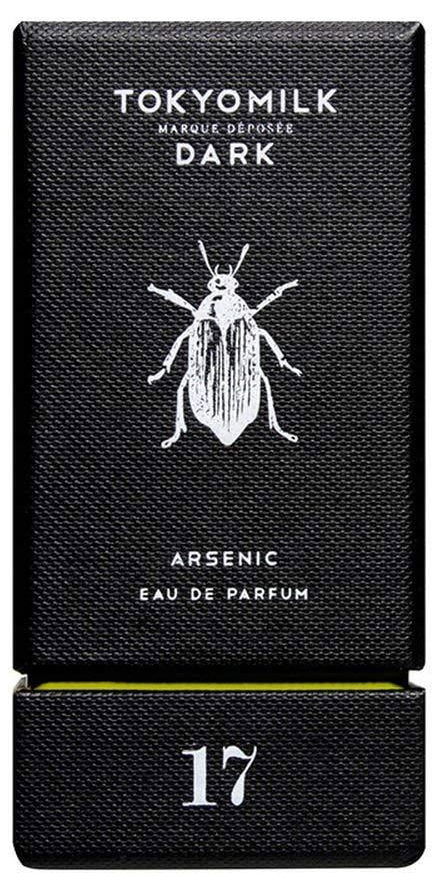
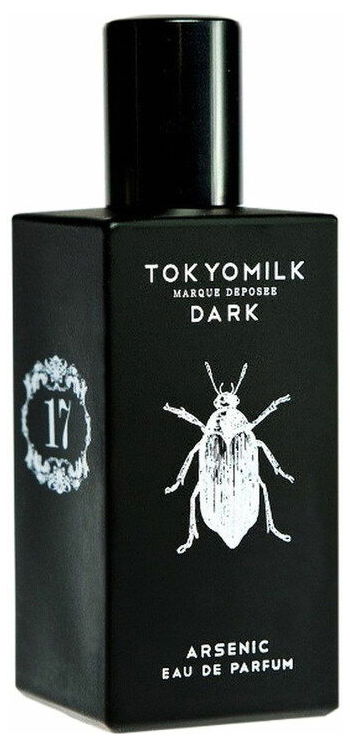
And if such a beautiful bottle is included (matte black with a white-painted cockroach or cricket on the front), one could actually recommend a purchase without hesitation. Only: Patience is, as already mentioned, part of it, a virtue that is currently in decline. Otherwise, the little bug will be gone in the blink of an eye, without having been properly perceived.



 Green notes
 Absinth
 Vanilla salt
 Fennel









 moutonn0ir
 Chizza
 Zionist
 Yatagan
 Lox
Lox Achilles
 Ergoproxy
 Stilloni
 Hallodri
 Wundertuete