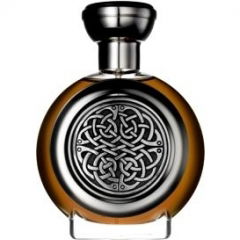


 Top Notes
  Lavender
 Bergamot
 Heart Notes
  Lily
Lily Black truffle
 Rose
Rose Base Notes
  Frankincense
 Vanilla
 Amber
Amber Musk
Musk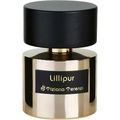
Ergoproxy
1131 Reviews
Translated · Show original
Ergoproxy
Top Review
9
Unusual + Exotic = Super
Exotic = originating from distant lands and thus mysterious, foreign.
What do people generally imagine when they think of exotic? Most often, South Sea impressions are equated, but if you think about it, anything that comes from faraway countries can be exotic, even an iceberg.
So the question arises: How exotic is this perfume?
Answer: Very!
For those who do not like incense, let it be said that this note is the common thread in exotic, but far from being as dominant as in many other perfumes with this component.
The opening is pleasantly and unusually creamy. I assume that the costus root is responsible for this. This plant, originating from the high valleys of Kashmir, has been exported as incense since ancient times and is considered one of the more expensive materials in the fragrance industry. Finely ground, the root is primarily used in Japan for the production of incense sticks. The scent is described as violet-like-furry and slightly animalistic but also earthy. Together with lavender and bergamot, it creates a fresh yet soft opening, and one can already sense a tiny hint of incense.
On this subtle incense, wonderful lily blossoms and a few roses unfold in the heart. The lily note is absolutely soft and very pleasant. The creaminess is well maintained.
In the base, the incense note intensifies a bit more and takes away some of the creamy-floral character from the exotic.
I must also admit that the name does not do justice to the scent, but that cannot be changed now. My fragrance taste has been perfectly met with this unusual composition, and I will not pass on the generous decant of Palonera, but rather indulge in it until I feel truly exotic!
Palonera, thank you very much for this wonderful scent!
What do people generally imagine when they think of exotic? Most often, South Sea impressions are equated, but if you think about it, anything that comes from faraway countries can be exotic, even an iceberg.
So the question arises: How exotic is this perfume?
Answer: Very!
For those who do not like incense, let it be said that this note is the common thread in exotic, but far from being as dominant as in many other perfumes with this component.
The opening is pleasantly and unusually creamy. I assume that the costus root is responsible for this. This plant, originating from the high valleys of Kashmir, has been exported as incense since ancient times and is considered one of the more expensive materials in the fragrance industry. Finely ground, the root is primarily used in Japan for the production of incense sticks. The scent is described as violet-like-furry and slightly animalistic but also earthy. Together with lavender and bergamot, it creates a fresh yet soft opening, and one can already sense a tiny hint of incense.
On this subtle incense, wonderful lily blossoms and a few roses unfold in the heart. The lily note is absolutely soft and very pleasant. The creaminess is well maintained.
In the base, the incense note intensifies a bit more and takes away some of the creamy-floral character from the exotic.
I must also admit that the name does not do justice to the scent, but that cannot be changed now. My fragrance taste has been perfectly met with this unusual composition, and I will not pass on the generous decant of Palonera, but rather indulge in it until I feel truly exotic!
Palonera, thank you very much for this wonderful scent!
3 Comments








 Licorice
 Bastian
 Azura
Azura Verbena
 Pollita
 Yatagan
 Jennytammy
 Ungenau
 Serenissima
 Jumi
Jumi