

 Vetiver
 Coriander
 Bergamot

Profumo
289 Reviews
Translated · Show original

Profumo
Top Review
16
Hubert de Givenchy's Personal Fragrance
For years, I struggled with vetiver fragrances; Guerlain's Vetiver was too omnipresent, too many people around me wore it, even those who were anything but close to me, whom I often wished far, far away in vain, and who did not stop bothering me with their presence and this, their scent. I confess, I hated this fragrance, and even today I still cannot approach it somewhat unprejudiced to judge it somewhat objectively - so I’d rather leave it alone, for now.
Despite all my rejection of Guerlain's Vetiver, my attitude towards vetiver fragrances in general has completely changed. Previously, I had lumped them all together and dismissed them with the verdict: I don’t like it, I can’t stand it; I must now admit: I actually like them, I can certainly appreciate them, just not that one. But who knows, time heals all wounds, and perhaps one day I will even come to like that one, I am not so far from it anymore.
The vetiver fragrance that is to be discussed here is one that I liked from the very beginning, yes, one that I appreciate and admire.
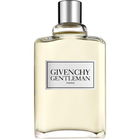
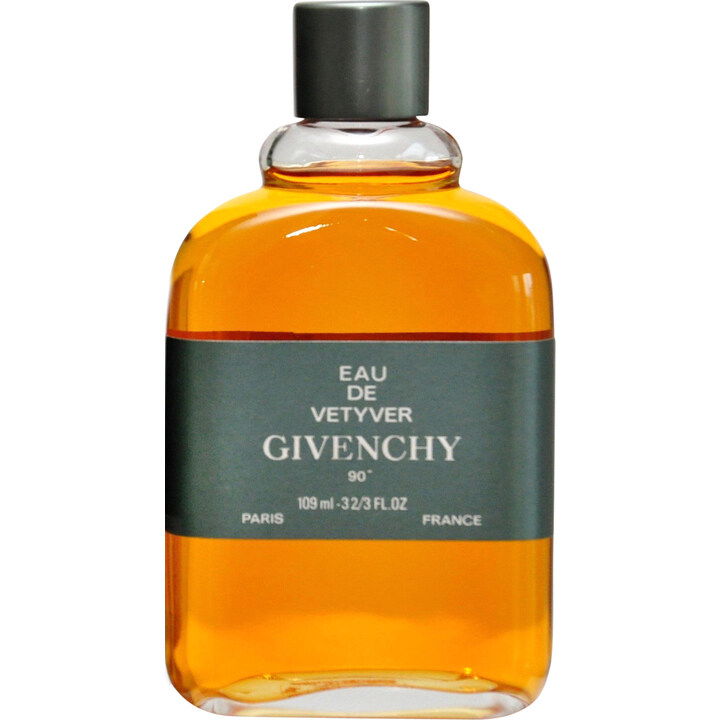
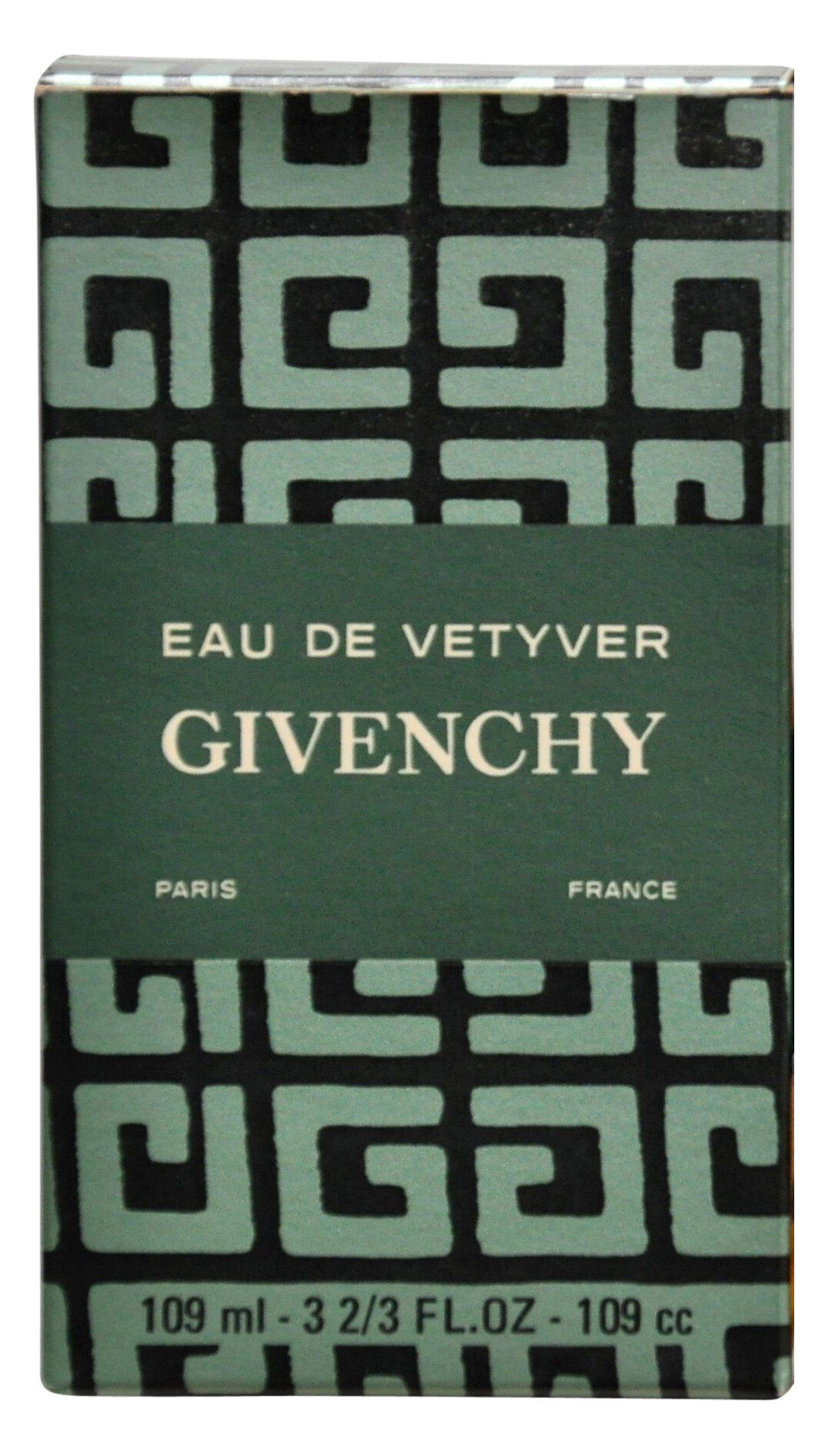
In 1959, the House of Givenchy launched two fragrances for men, Monsieur de Givenchy and Eau de Vétiver - the later Vetyver. Both were composed by Fabrice Fabron, who had already created L'Interdit for Givenchy two years earlier and also crafted great classics like L'Air du Temps, Le Dix, and Baghari. The Eau de Vétiver was likely created at the special request of the great designer Hubert de Givenchy, who, presumably inspired by Carven's Vetiver, which had caused a stir two years earlier - in 1957 - wanted to have his own vetiver fragrance. Two years later - in 1961 - Guerlain finally launched its Vetiver and quickly overshadowed its two predecessors. Vetyver remained in Givenchy's catalog until 1995, selling moderately, but as long as Hubert de Givenchy directed the house, it continued to be produced. He, the immensely elegant, distinguished, and good-looking man of the world and master of fashion, is said to have worn it all those years. When he finally retired in 1995, his Vetyver also disappeared from the market, much to the dismay of many perfume enthusiasts who unanimously considered it the best of all vetivers.
Thirteen years later, it suddenly reappeared, launched together with many classics of the house in a series called 'Les Mythiques', and aligned with the latest IFRA regulations. According to those who still remembered the old Vetyver, the new one is just as good as ever (the other fragrances in this series are excellently reformulated!).
Untested, I immediately ordered it and was instantly thrilled: a truly magnificent vetiver fragrance. A classic chypre combined with three different variations of this root that reveals a new facet in the top note, as well as in the heart and base notes - from the fresh, cooling start, through a damp, green phase, to the smoky-earthy finish, accompanied by bergamot, coriander, sandalwood, patchouli, and oakmoss. Everything is wonderfully intertwined, perfectly balanced, and exudes class, thoroughly. A scent of refined understatement, a fragrance for the well-groomed gentleman with a sense of elegant yet discreet luxury. However, it is not a fragrance for the hordes of sales representatives, office workers, or anyone else engaged in daily occupations, for the masses, that is. No, Givenchy's Vetyver is - similar to Eau d'Hermès - more of a fragrance for those who have arrived in the circle of those who let others work for them, and whose arrival and (supposed) nonchalance find a fragrant expression in this perfume.
I myself certainly do not belong to the ranks of Hubert de Givenchy or Robert Dumas-Hermès, but a bit of their nonchalantly displayed calm and composure, yes, superiority is embodied in this fragrance and can also transfer to others, even if they are just small lights who have to go about their daily bread earning, just like me.
Is Givenchy's Vetyver an elitist fragrance? Basically yes, and if it weren't so good, I would mark this as a flaw, but it possesses so much class, so much elegance like a tailored robe from Givenchy, that I instantly forget my elitist skepticism when the aroma of this fragrance wafts into my nose. And one truly feels better dressed when wearing this fragrance; at least, that’s how it is for me. However, since a fragrance cannot replace being well-dressed, it can at best complement it, a certain degree of dress-up is necessary: a pressed shirt and not the most worn-out pants should suffice.
One more word about the longevity of the fragrance: it is rather modest by today’s standards. The scent retreats to the skin quite quickly, but remains there for a long time, surrounding the wearer with a persistently fine and subtle aroma. The projection of the fragrance is low, but an offensive or even intrusive perfume for men was not conceivable at that time - Chanel's Pour Monsieur or Dior's Eau Sauvage are similar examples of the expectations of that era regarding how 'man' should smell, namely discreetly. Back then, 'man' would still enter a restaurant before the lady to arrange everything, help her out of her coat, pull the chair back from the table for her to sit down, and above all, give her perfume the due space, namely the whole.
That a man smelled as intensely of perfume as a woman was simply not desired, nor did it correspond to the typical role understanding of the time. Thus, we should not expect from this fragrance, and from others from this era as well, the qualities we know from the 'powerhouse' fragrances of the 70s and 80s - they had others, which were not necessarily worse - quite the opposite.
Despite all my rejection of Guerlain's Vetiver, my attitude towards vetiver fragrances in general has completely changed. Previously, I had lumped them all together and dismissed them with the verdict: I don’t like it, I can’t stand it; I must now admit: I actually like them, I can certainly appreciate them, just not that one. But who knows, time heals all wounds, and perhaps one day I will even come to like that one, I am not so far from it anymore.
The vetiver fragrance that is to be discussed here is one that I liked from the very beginning, yes, one that I appreciate and admire.
In 1959, the House of Givenchy launched two fragrances for men, Monsieur de Givenchy and Eau de Vétiver - the later Vetyver. Both were composed by Fabrice Fabron, who had already created L'Interdit for Givenchy two years earlier and also crafted great classics like L'Air du Temps, Le Dix, and Baghari. The Eau de Vétiver was likely created at the special request of the great designer Hubert de Givenchy, who, presumably inspired by Carven's Vetiver, which had caused a stir two years earlier - in 1957 - wanted to have his own vetiver fragrance. Two years later - in 1961 - Guerlain finally launched its Vetiver and quickly overshadowed its two predecessors. Vetyver remained in Givenchy's catalog until 1995, selling moderately, but as long as Hubert de Givenchy directed the house, it continued to be produced. He, the immensely elegant, distinguished, and good-looking man of the world and master of fashion, is said to have worn it all those years. When he finally retired in 1995, his Vetyver also disappeared from the market, much to the dismay of many perfume enthusiasts who unanimously considered it the best of all vetivers.
Thirteen years later, it suddenly reappeared, launched together with many classics of the house in a series called 'Les Mythiques', and aligned with the latest IFRA regulations. According to those who still remembered the old Vetyver, the new one is just as good as ever (the other fragrances in this series are excellently reformulated!).
Untested, I immediately ordered it and was instantly thrilled: a truly magnificent vetiver fragrance. A classic chypre combined with three different variations of this root that reveals a new facet in the top note, as well as in the heart and base notes - from the fresh, cooling start, through a damp, green phase, to the smoky-earthy finish, accompanied by bergamot, coriander, sandalwood, patchouli, and oakmoss. Everything is wonderfully intertwined, perfectly balanced, and exudes class, thoroughly. A scent of refined understatement, a fragrance for the well-groomed gentleman with a sense of elegant yet discreet luxury. However, it is not a fragrance for the hordes of sales representatives, office workers, or anyone else engaged in daily occupations, for the masses, that is. No, Givenchy's Vetyver is - similar to Eau d'Hermès - more of a fragrance for those who have arrived in the circle of those who let others work for them, and whose arrival and (supposed) nonchalance find a fragrant expression in this perfume.
I myself certainly do not belong to the ranks of Hubert de Givenchy or Robert Dumas-Hermès, but a bit of their nonchalantly displayed calm and composure, yes, superiority is embodied in this fragrance and can also transfer to others, even if they are just small lights who have to go about their daily bread earning, just like me.
Is Givenchy's Vetyver an elitist fragrance? Basically yes, and if it weren't so good, I would mark this as a flaw, but it possesses so much class, so much elegance like a tailored robe from Givenchy, that I instantly forget my elitist skepticism when the aroma of this fragrance wafts into my nose. And one truly feels better dressed when wearing this fragrance; at least, that’s how it is for me. However, since a fragrance cannot replace being well-dressed, it can at best complement it, a certain degree of dress-up is necessary: a pressed shirt and not the most worn-out pants should suffice.
One more word about the longevity of the fragrance: it is rather modest by today’s standards. The scent retreats to the skin quite quickly, but remains there for a long time, surrounding the wearer with a persistently fine and subtle aroma. The projection of the fragrance is low, but an offensive or even intrusive perfume for men was not conceivable at that time - Chanel's Pour Monsieur or Dior's Eau Sauvage are similar examples of the expectations of that era regarding how 'man' should smell, namely discreetly. Back then, 'man' would still enter a restaurant before the lady to arrange everything, help her out of her coat, pull the chair back from the table for her to sit down, and above all, give her perfume the due space, namely the whole.
That a man smelled as intensely of perfume as a woman was simply not desired, nor did it correspond to the typical role understanding of the time. Thus, we should not expect from this fragrance, and from others from this era as well, the qualities we know from the 'powerhouse' fragrances of the 70s and 80s - they had others, which were not necessarily worse - quite the opposite.
2 Comments


 Marabunta