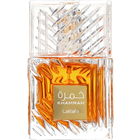
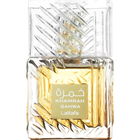
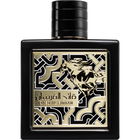
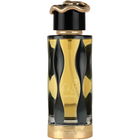
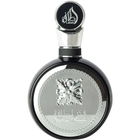
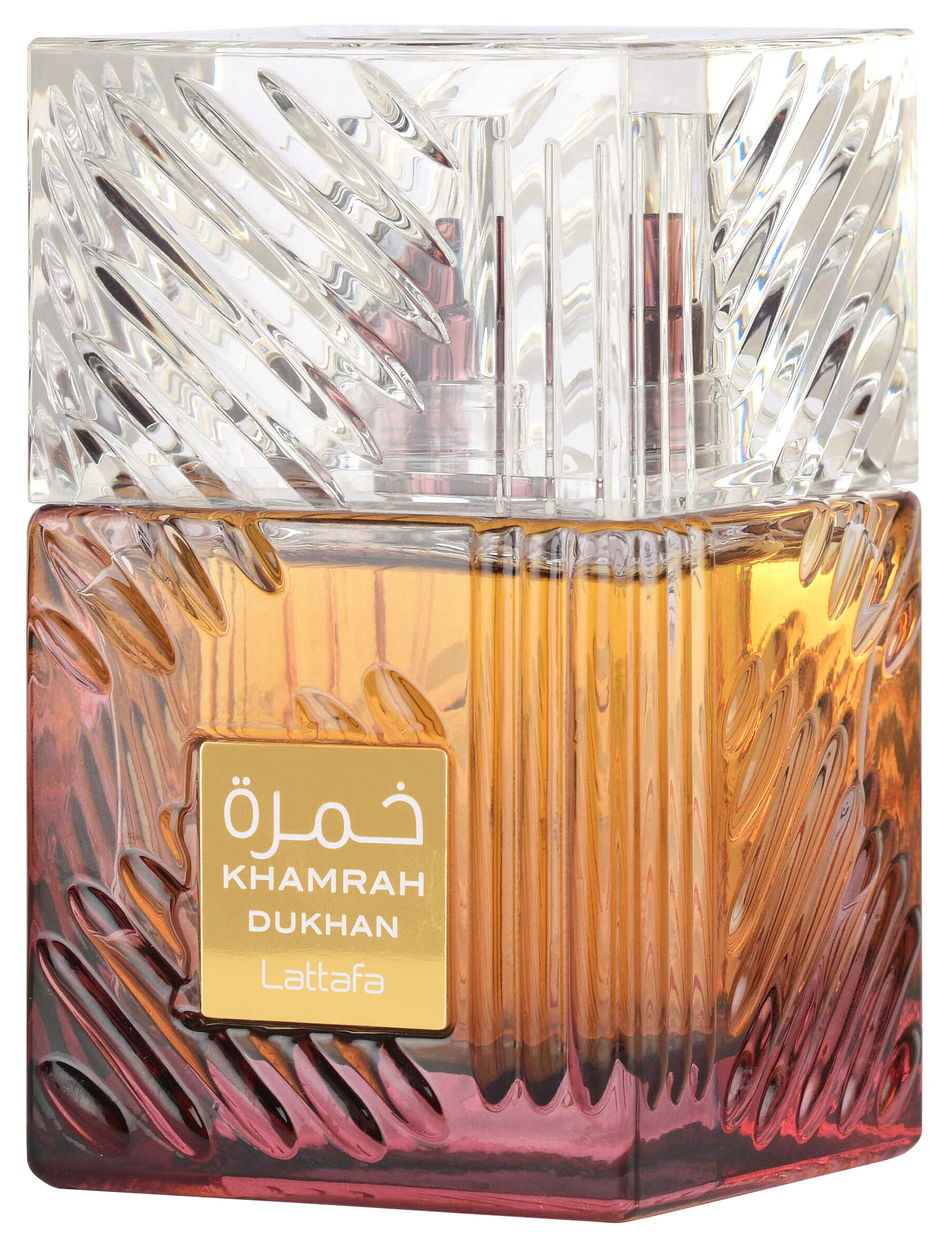
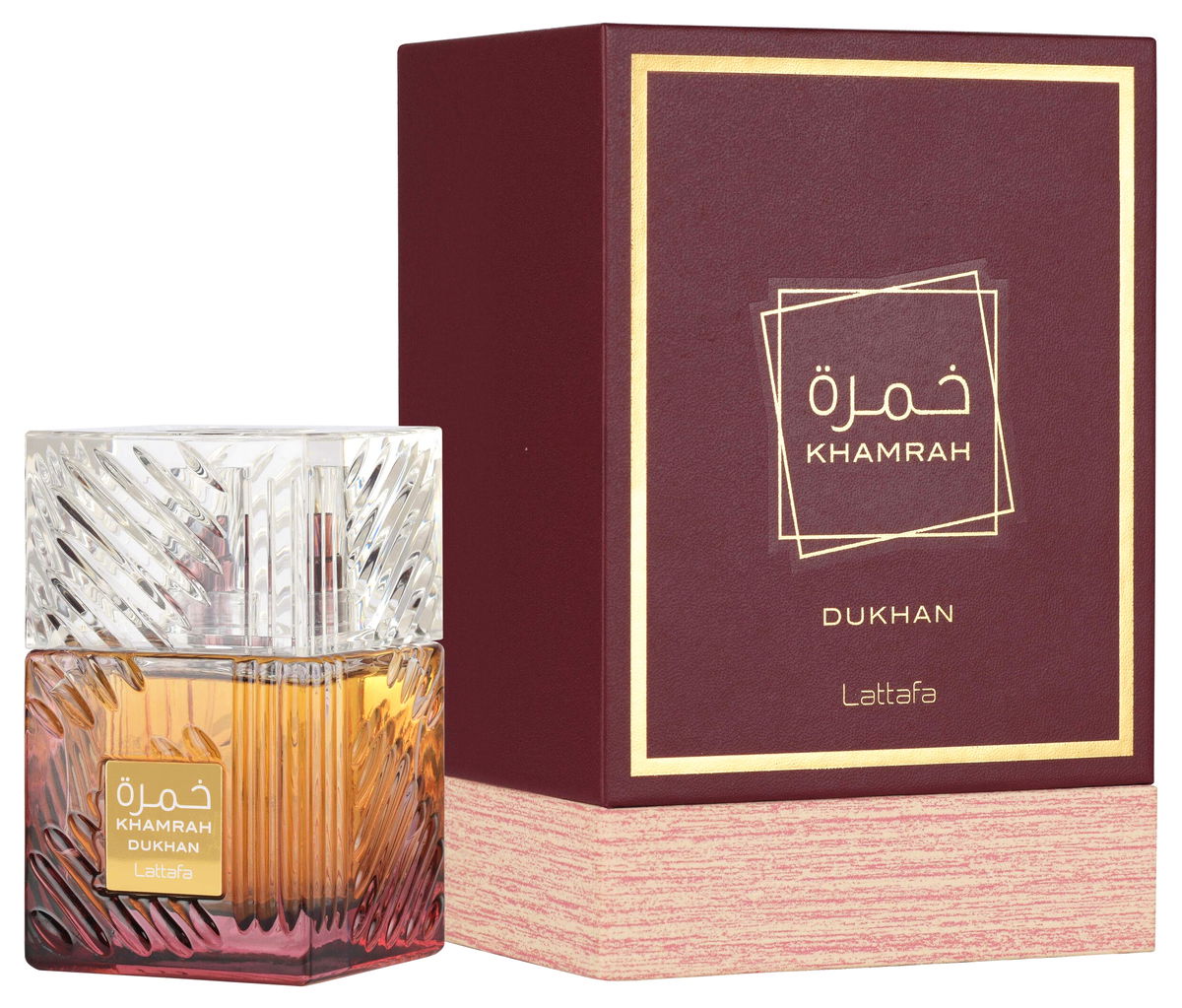
Khamrah has been around for a few years now, its boozy, honeyed, and spicy character well-established by the hype. Therefore, I was eager to try Dukhan—initially, I’d planned to go for
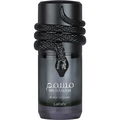
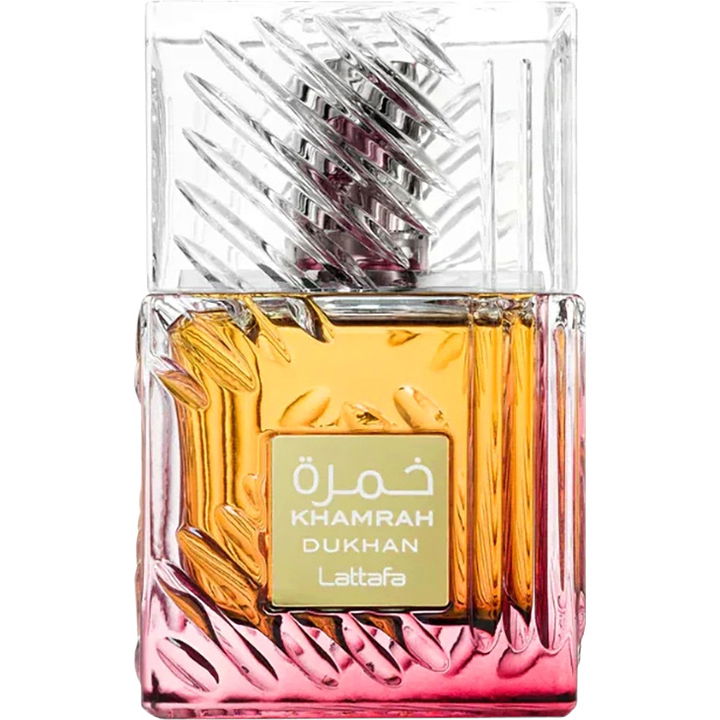
Khamrah Qahwa, with its roasted coffee notes—but when I was at the store, the clerk asked if I’d ever tried Dukhan. "I am afraid, not" I said, and I did. It immediately won me over. It arrives wrapped in a promise its name makes unmistakably clear: smoke, ritual, darkness. “Dukhan” literally means smoke, and expectations naturally lean toward incense-heavy drama. What you actually get, however, is something more restrained, more atmospheric—and depending on your taste—either more refined or slightly elusive.
The opening is immediate and unapologetic. A sharp burst of spices leads the charge, clove and pimento coming across dry, heated, almost abrasive at first. There’s a flicker of mandarin in the background, but it feels more like a spark than a citrus note—gone before it can soften the edges. On some skin, this phase can read harsh rather than smoky, even a touch synthetic, but it settles fairly quickly and rewards patience.
As it develops, Dukhan shifts into its real identity. This is where the incense appears—not as thick, billowing smoke, but as an ambient haze. Labdanum and patchouli give it depth, orange blossom adds a muted glow, and the overall effect is less “burning resin” and more “room after the ritual.” The smoke here is suggested, not shouted. If you’re expecting ash and embers, you may feel underwhelmed; if you appreciate atmosphere over theatrics, this is where it clicks.
The base leans fully into the Khamrah DNA: praline sweetness, amber warmth, tonka and benzoin smoothing the edges, with tobacco woven in rather than placed centre stage. It’s still a gourmand at heart, but darker, drier, and noticeably less playful than the original. The sweetness never disappears, yet it’s tempered—less dessert, more spiced liquor sipped late at night.
Performance is unequivocally strong. Projection is assertive in the first few hours, and it hangs around for a full working day and then some, especially on clothes. Compared side by side with the original Khamrah, Dukhan wears slightly longer and feels broader in its diffusion. This is cold-weather territory only—autumn and winter evenings, date nights, dimly lit spaces. Overspray at your own risk. I suggest avoiding spraying too much on points too close to your nose, cause you might get nose blind very soon.
Dukhan undeniably shares the same backbone as Khamrah OG, and the family resemblance is obvious once the opening settles. The difference isn’t structural so much as tonal. This is the same language spoken in a lower register—less cosy, more serious, more masculine in feel. If you already own Khamrah (or Qahwa), Dukhan won’t revolutionise your collection, but it offers a mood shift rather than a redundancy. The three of them shared the same DNA while offering different nuances.
In the end, Khamrah Dukhan isn’t about delivering literal smoke or reinventing the wheel. It’s about reframing a familiar gourmand into something darker, moodier, and more controlled. Honestly, I expected more smokiness from the resins, but it was just my assumption. Not a beast for novelty hunters, but a compelling option if you want the Khamrah DNA stripped of its smile and dressed for the night.
This review is based on a bottle I’ve owned since November 2025.
— Elysium



 Top Notes
  Smoked spices
 Mandarin orange
 Pimento
 Heart Notes
  Frankincense
 Orange blossom
 Cistus
 Patchouli
 Base Notes
  Praliné
 Amber
Amber Benzoin
 Tonka bean
 Tobacco








 Mariyam1975
 mdnmdnmdnmdn
 luhsimon2725
 Mustafas
 Elysium
 Tracershy
 Beatsnscents
 phred
phred Theris
 JulianF2007