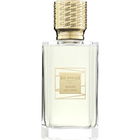
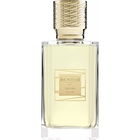
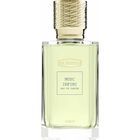
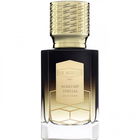
Dominant sandalwood and iris fragrances generally have one thing in common, in my opinion: they are usually very similar to each other! Essentially, all iris fragrances smell more or less like
Iris Nazarena and all sandalwood fragrances like "Santal Austral | Matière Première" (caution: this representation is very pointed). With iris, the strongest differences lie in the dryness and carrot-like qualities, and there is a group that is underpinned by strong citrus (
Panthea Iris,
Infusion d'Iris (2007) Eau de Parfum) as well as a very sweet group that includes
Liquid Illusion and
She Was an Anomaly. Sandalwood tends to lean towards a cucumber-like quality with violet leaf in a group of fragrances and otherwise always plays the same (which I love just as much as the typical iris note) soft, sweet velvetiness. Essentially, collectors of these two notes have a hard time bringing variety into their fragrance week: whether one wears
Iris Shot,
III-I L'Attesa,
Iris Fauve or "Collection Extraordinaire - Bois d'Iris | Van Cleef & Arpels", or whether one wears "Le Vestiaire - Caban | Yves Saint Laurent", "Le Vestiaire - 24 Rue de L'Université | Yves Saint Laurent",
Essence N°8: Santal,
Santal Kardamon or
Santal 33 Eau de Parfum,
Iris N' Wood (actually a sandalwood fragrance) or
Beso Negro, to name just a small selection, it all comes down to more or less the same thing.
One difference, and for this reason the entire preamble, is
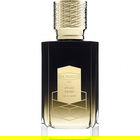
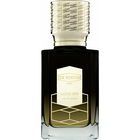
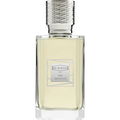
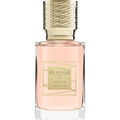
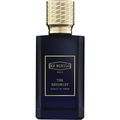
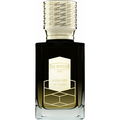
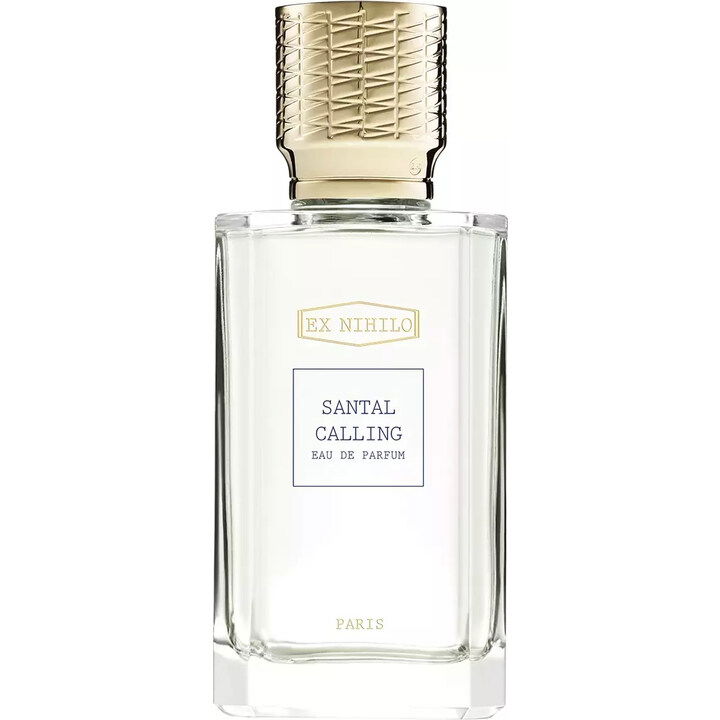
Santal Calling. Not only does Ex Nihilo weave these two equally appreciated notes of sandalwood and iris together finely, something that Demachy already did for Dior in "Dior Homme Parfum | Dior" (wonderful; and indeed, one recognizes this accord in the new Ex Nihilo without the two fragrances resembling each other in the slightest), but because in
Santal Calling, the dominant sandalwood from Maisondieu has been given a new, extremely convincing quality. For me, the new creation is therefore an absolute masterpiece. I will try to explain why.
First of all, it has succeeded in extracting some other nuances from the typical, unmistakable sandalwood than is usually the case (e.g., in the examples mentioned above): instead of being heavy, syrupy, and honey-sweet, the sandalwood here comes across clear, fresh, and with enchanting lightness. I believe this is primarily due to the nutmeg, which, with its bright, dry, honey-like and velvety-soft spiciness, sets a very fitting counterpoint and lends the sandalwood a transparency that it cannot convey on its own (not unlike
Nuit de Sable, where, however, the nutmeg disappears after just a few minutes and the sandalwood takes on its typical form). Additionally, in
Santal Calling, there is the iris, which is, however, difficult to discern here (more so in comparison to the iris-sandalwood accord in the aforementioned DHP). In combination with nutmeg and sandalwood, it gives the new Ex Nihilo a delicate, almost crystalline white floral quality that takes away much of the typical heaviness and sticky balsamic nature of the sandalwood. What emerges is a floating sandalwood, carried by the pale iris, bathed in bright white light, and seemingly given wings by the delicate spiciness of the nutmeg. The musk also supports this noble fluffiness (as currently known from the Initio Hedonist series:
Rehab, "Musk Therapy | Initio"). It lends the fragrance a warm-soft background glow. This impression is rounded off by a very restrained vanilla-milk accord (which, in my opinion, has nothing to do with
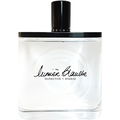
Lumière Blanche, which I also appreciate). The milk note is where the actual sweetness of this fragrance comes from. It is not heavy and honey-sticky, as is often the case with sandalwood fragrances, but rather lactonic-sweet with a delicate hint of vanilla.
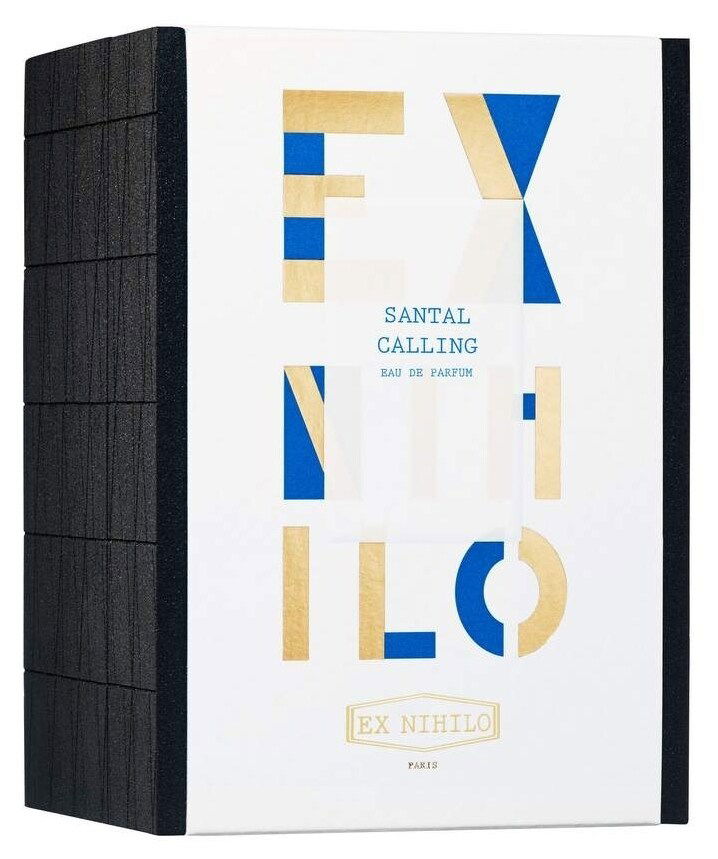
The bottle is simple, the sprayer outstanding.



 Top Notes
  Nutmeg
 Heart Notes
  Iris
Iris Milk
Milk Base Notes
  Australian white sandalwood
 Musk
Musk Bourbon vanilla







 Einfinken
 Kurai
Kurai Sarinotsorry
 NicheOnly
 Chrissysmell
 CoraKirsch
 Maren11
 Luwa
Luwa CharlAmbre
 FragFreak666